Like
Share
멍실장
고양이 이소성 ACTH 증후군 자주 묻는 질문 Q&A — 보호자가 꼭 알아야 할 핵심

What is feline ectopic ACTH syndrome? — What symptoms should you look for?

EndocrineQ&AMeongsiljang Veterinary Advisory Board

Feline ectopic ACTH syndrome is an endocrine disorder caused by excessive production of adrenal cortex hormones. Early diagnosis and appropriate management are essential.

What is feline ectopic ACTH syndrome?
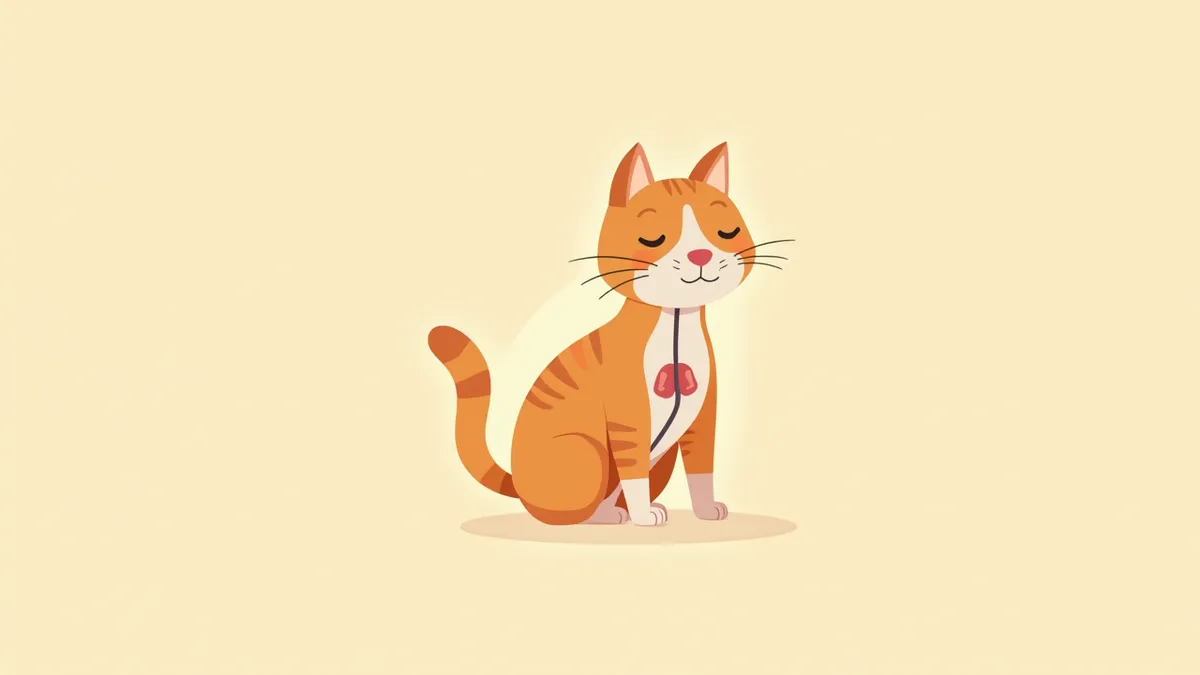
Anatomical diagram of the feline endocrine system, highlighting the pituitary gland and adrenal cortex
Feline ectopic ACTH syndrome is a form of hyperadrenocorticism (Cushing’s disease) in which excessive secretion of ACTH leads to overproduction of cortisol by the adrenal cortex. In cats, this condition most commonly arises from a pituitary tumor that secretes too much ACTH or from a tumor of the adrenal gland itself. Excess cortisol can cause metabolic disturbances and suppress immune function, adversely affecting overall health. The disease typically affects middle-aged to older cats, and because early signs are often subtle, it is easily overlooked. If you notice increased thirst and urination, heightened appetite, or muscle weakness, it is important to consult your veterinarian. Since no single test is definitive, diagnosis relies on a combination of medical history, clinical signs, and regular health check-ups to monitor and maintain endocrine balance.

What are the main causes of this condition?
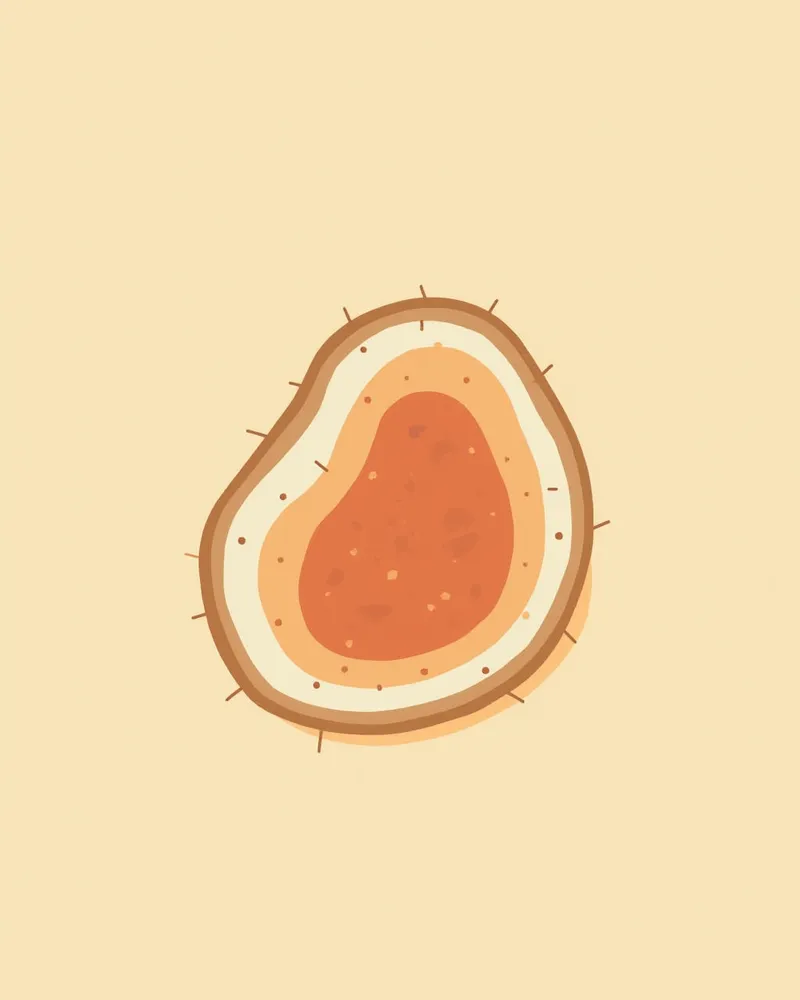
In cats, the causes of hyperadrenocorticism, including this condition, can be broadly divided into two categories. The first is when a pituitary tumor excessively secretes ACTH, continuously stimulating the adrenal glands. The second is when a tumor (adenoma or carcinoma) in the adrenal cortex itself overproduces hormones. Some adrenal tumors may also secrete other steroids, such as sex hormones, in addition to cortisol. This condition is primarily reported in middle-aged to senior cats, with a median age of approximately 11 years. There is no known significant predisposition based on breed or sex, and genetic factors remain unclear. Since the degree of hormone secretion and symptoms varies depending on the type and location of the tumor, a veterinarian’s professional evaluation is necessary for accurate differential diagnosis and identification of the underlying cause.
Microscopic image of feline adrenal cortex tumor tissue

What are the main symptoms?

The main symptoms of feline hyperadrenocorticism include increased appetite (polyphagia), excessive thirst and urination (polydipsia and polyuria), a distended abdomen (often described as a "tadpole-like" belly), muscle weakness and atrophy, symmetrical hair loss on both sides of the body, thinning skin, and skin hyperpigmentation. If the condition progresses or is left untreated for a long time, weight gain or muscle atrophy may also occur. In particular, increased appetite and excessive thirst and urination are relatively common signs, so pet owners should be vigilant. Symptoms tend to worsen gradually, and muscle weakness can lead to decreased activity levels. Skin changes are easy to spot visually, making them an important indicator during daily observation. However, it is difficult to make a definitive diagnosis based on a single symptom alone, so if these changes persist, it is essential to consult a veterinarian immediately.
A cat sitting near the litter box, showing symptoms of frequent urination.

What tests are needed for an accurate diagnosis?
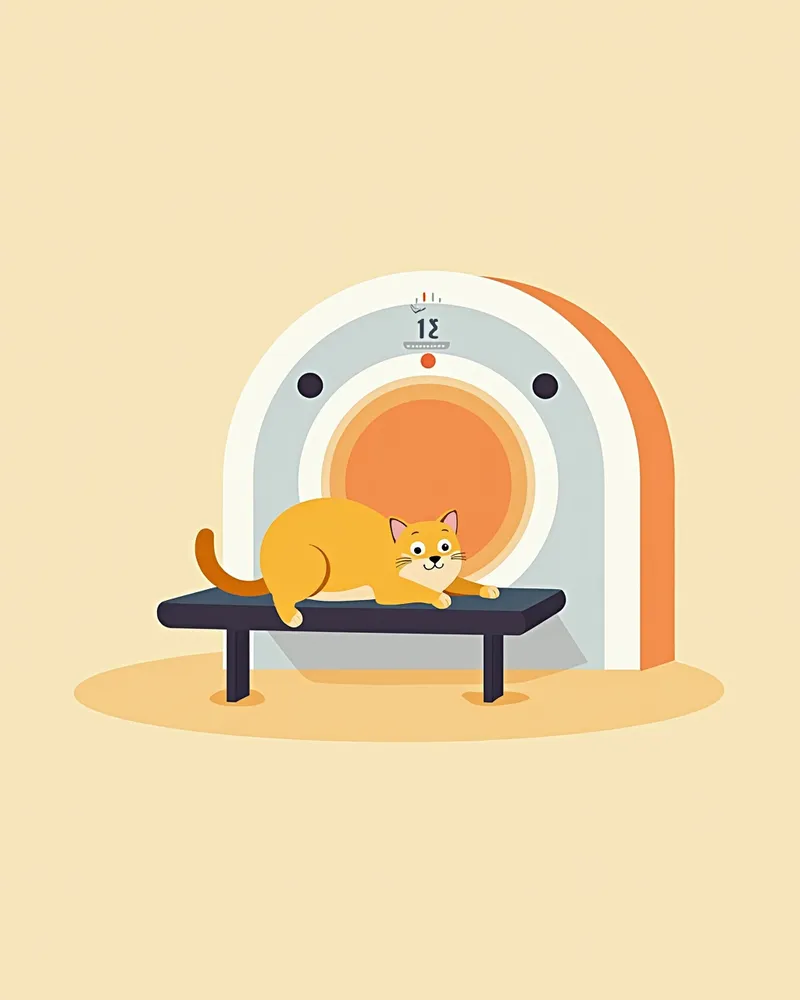
For an accurate diagnosis, we conduct a comprehensive battery of tests. - Adrenocorticotropic Hormone (ACTH) Stimulation Test: This screening test evaluates the adrenal glands’ cortisol response. In cats, it is recommended to measure cortisol levels at 0, 60, and 90 minutes after intravenous administration. - Urine Cortisol-to-Creatinine Ratio (UCCR): This test helps screen for excessive cortisol secretion. - Dexamethasone Suppression Test (Low-Dose and High-Dose): This confirms the suppression of cortisol, aiding in diagnosis and differentiating the underlying cause. - Serum Endogenous ACTH Measurement and Abdominal Imaging (Ultrasound, CT, or MRI): These help identify the source of the problem and determine the location and size of any tumors. Since no single test is perfect, we combine these results with the patient’s medical history and clinical signs to reach a comprehensive diagnosis. Early detection is key to effective management.
A cat undergoing a CT scan at a veterinary clinic.

Ectopic ACTH syndrome vs. adrenal cortex tumor

ItemACTH-Dependent (Ectopic/Pituitary)Adrenocortical Tumor
Cause of Hormone SecretionExcess ACTH secretion from outside the adrenal glandTumor of the adrenal cortex itself
Blood ACTH LevelHighNormal or low
Main TreatmentHormone control with medications such as trilostaneUnilateral adrenalectomy is prioritized
Diagnostic ClueACTH is high and not well suppressed by dexamethasoneAdrenal mass confirmed on abdominal imaging

Since no single test is perfect, differentiation is made by considering the medical history, clinical signs, and multiple test results together.

What are the treatment options?
Treatment approaches vary depending on the underlying cause (pituitary-dependent or adrenal-dependent), the tumor’s location and size, and whether it has metastasized. - Surgical treatment: For tumors arising in one adrenal gland, adrenalectomy is the primary consideration. - Medical treatment: Trilostane, which inhibits steroid (cortisol) synthesis in the adrenal glands, is used effectively in cats, and mitotane may also be employed. - Hormonal management and monitoring: During treatment, cortisol levels are monitored to adjust medication dosages and stabilize adrenal function. Your veterinarian will develop a personalized treatment plan based on your pet’s condition, making regular check-ups and strict adherence to the medication regimen essential throughout the course of therapy.
A veterinarian holding a treatment plan for a cat's endocrine disorder.

Signs that require an immediate vet visit

If your cat suddenly shows severe muscle weakness, difficulty breathing, intense vomiting or diarrhea, or decreased consciousness, you should take them to the vet immediately. Cats can develop diabetes or heart failure due to excessive cortisol, so these acute symptoms may indicate an emergency.

Management points for owners to keep in mind

Keep a consistent log of your cat’s food intake, water consumption, and litter box habits. Set reminders to ensure you never miss a medication dose. Maintaining a quiet, stable environment is key to minimizing stress. Carefully monitor any changes in daily activity levels or behavior. Regularly consult with your veterinarian to review the treatment plan. Depending on your cat’s health status, you may also consider nutritional supplements or prescription diets.
A cat drinking water and eating food in a quiet environment

Reviewed by a veterinarian

Dr. Tony — Punnawat Phongkittirak

Dr. Tony — Punnawat Phongkittirak

Veterinarian

A veterinarian who majored in veterinary medicine at Khon Kaen University, Thailand, and completed the IVSA program at North Carolina State University in the United States. Drawing on clinical experience at animal hospitals, he works in the pet healthcare field and is dedicated to building a digital care environment that connects pet parents with veterinarians.

Frequently asked questions

Is this condition treatable?
Treatment options vary depending on the cause, tumor location, and whether it has spread. If surgery is feasible, such as for a tumor confined to one adrenal gland, surgical removal is typically the first choice. If the cancer has metastasized or surgery isn’t an option, long-term management with medication to regulate hormone levels is necessary.
Is this condition common in cats?
This condition is relatively rare overall. However, it is more commonly seen in middle-aged to older cats (median age around 11 years), and should be suspected if there is persistent increased appetite along with excessive thirst and urination.
What are the available drug treatments?
Trilostane, which inhibits steroid synthesis in the adrenal glands, is primarily used in cats, although mitotane may also be employed. Your veterinarian will determine the appropriate medication and dosage based on your pet’s condition, and it’s important to closely monitor for any side effects during treatment.
Is prevention possible?
There is currently no established preventive method. Early detection is crucial, so it's a good idea for middle-aged and older cats to undergo regular health check-ups to monitor for changes such as increased thirst and appetite.
Is this condition contagious to other cats?
No. This condition is caused by hormonal or tumor-related factors, so it is not contagious to other cats. It is not an infectious disease.

Share

Related Guides

References

[1] Plumb's Veterinary Drug Handbook, 9th Edition, 2022

[2] Small Animal Internal Medicine, 6th Edition, 2021

[3] Endocrinology of the Cat, Journal of Feline Medicine and Surgery, 2020

This information is based on veterinary literature and does not replace diagnosis or treatment. Please consult a veterinarian for specific health concerns.

Metapet Co., Ltd. | CEO: Park Sung-yong | Business Reg. No. 417-88-02562 | Seoul, South Korea | Customer Center

What Is Feline Ectopic ACTH Syndrome? Symptoms and Diagnosis | Meongsiljang