Like
Share
멍실장
고양이 강박적 핥기·씹기 자주 묻는 질문 Q&A — 보호자가 꼭 알아야 할 핵심

If Your Cat Licks Until It Loses Fur — Signs of Compulsive Behavior and When to Visit the Vet

Brain & CognitionQ&AMeongsiljang Veterinary Advisory Board

We’ve compiled a Q&A covering the causes of repetitive licking or chewing in cats, how to distinguish it from normal grooming, signs that it’s time to visit the vet, and environmental adjustments you can make at home.

What Is Feline Compulsive Licking and Chewing?
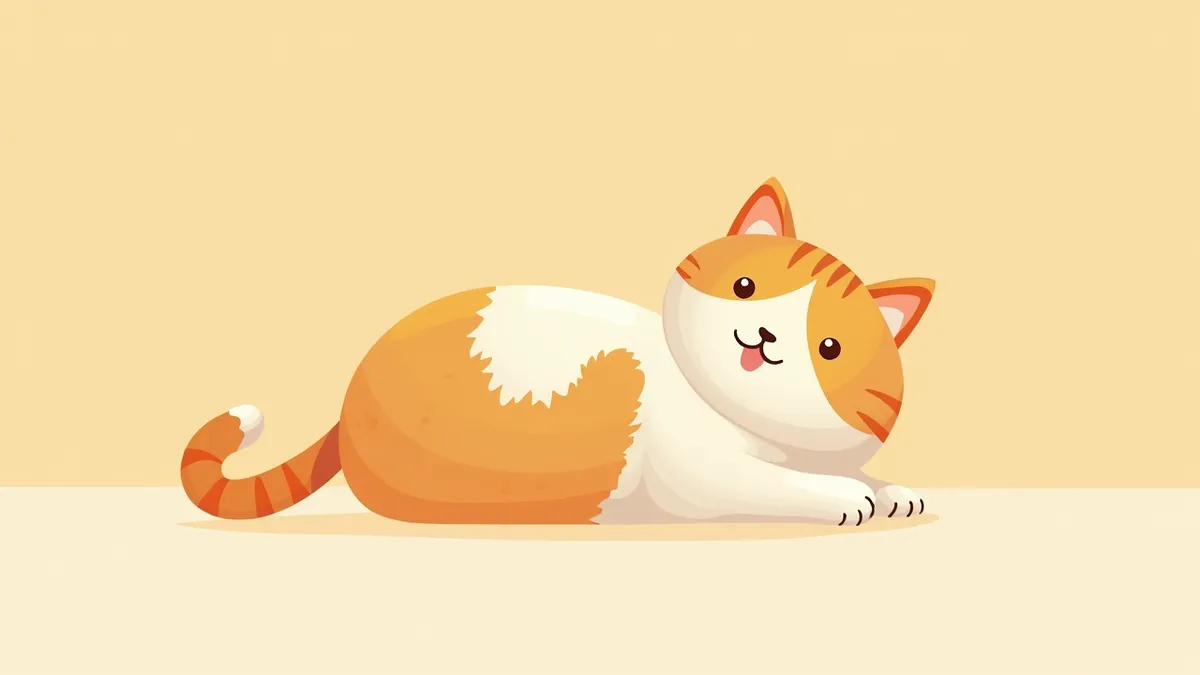
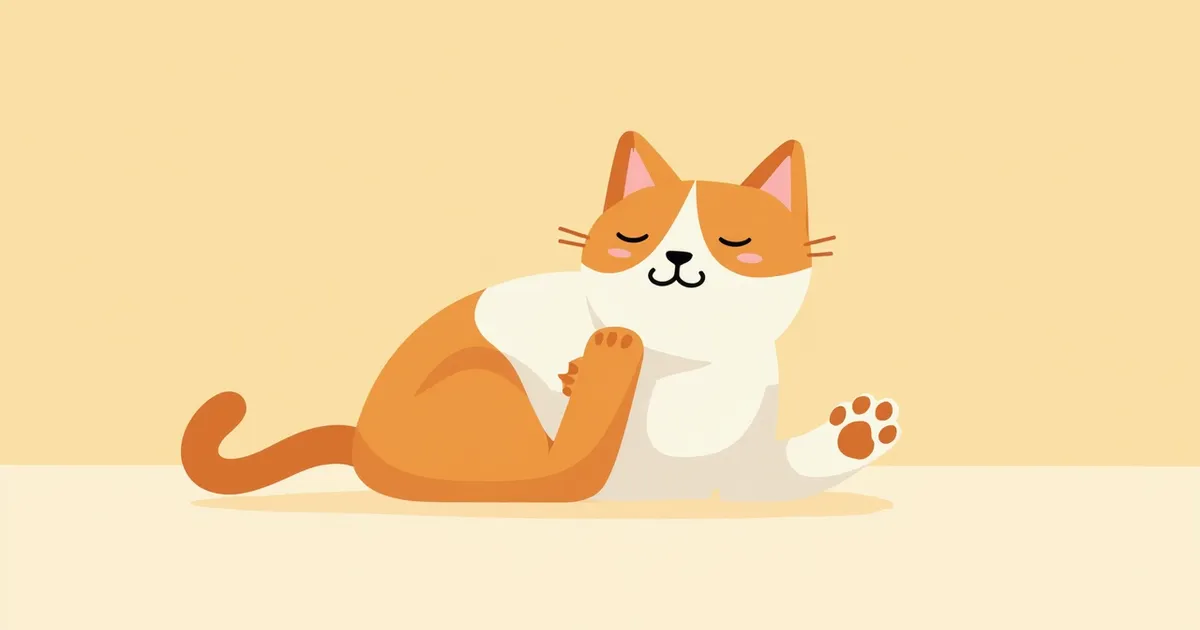
A cat that has developed hair loss from repeatedly licking its belly
Feline compulsive licking and chewing is a behavioral disorder characterized by repetitive licking or chewing of the skin, fur, or objects without any clear external stimulus. The most important thing to understand is that this is not merely a bad habit, but may result from a combination of stress, anxiety, and underlying medical conditions. If your cat doesn’t stop when called or if you notice hair loss or skin injuries, seek veterinary care promptly.

Why Do Cats Lick or Chew Compulsively?

The causes can be broadly categorized into three main groups.
Stress and anxiety: Environmental changes are the most common triggers, such as moving to a new home, introducing a new pet, or shifts in the owner’s daily routine. Social stress, like conflicts with other cats, can also play a role.
Medical causes: Physical conditions such as skin allergies, parasites, food sensitivities, pain, or hyperthyroidism can manifest in ways that resemble compulsive behavior. In fact, studies show that approximately 90% of cats presenting with excessive grooming also have an underlying physical issue, such as a skin disease.
Genetic and temperamental factors: Compulsive behaviors are reported more frequently in Oriental breeds, suggesting a possible genetic predisposition.

Normal Grooming vs. Compulsive Licking and Chewing

ItemNormal groomingCompulsive licking/chewing
Daily durationFor short, regular periodsAbnormally long and repetitive, ongoing
Triggering patternRoutines such as after meals or before sleepAt any time without a clear reason
Ability to stopEasily redirectedDoes not stop even when called
Skin/fur changesNoneHair loss, wounds, redness occur
Range of behaviorEvenly over the whole bodyObsessive repetition on the same area

If two or more items apply, veterinary consultation is needed.

How to Tell If It’s Compulsive Behavior
If you notice the following signs, it may be more than just regular grooming.
Hair loss pattern: Repeated hair loss in specific areas such as the belly, inner thighs, and front paws.
Skin changes: The licked areas become red, or develop scabs and wounds.
Inability to stop the behavior: The pet doesn’t stop even when called by name or distracted with a toy.
Increased time spent licking: The duration of licking gradually increases, and the affected area spreads.
A cat with hair loss on its belly due to excessive grooming

Signs That Require an Immediate Vet Visit

If you notice any of the following symptoms, please visit a veterinary clinic without delay, as they can lead to skin infections and self-trauma. • Bleeding or oozing from the licked area • Inability to stop licking for more than three hours a day • Hair loss covering an area larger than the palm of your hand • Decreased appetite, vomiting, or lethargy

How Is It Diagnosed at the Vet?
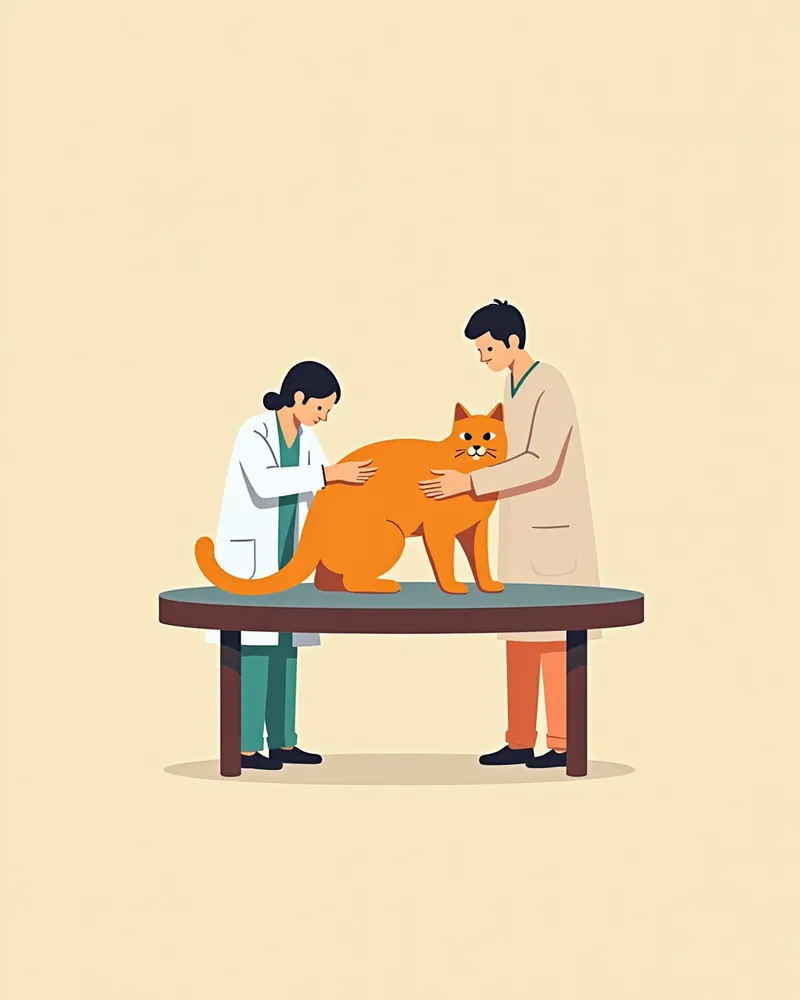
Veterinarians begin by ruling out physical health issues through a series of tests.
Skin examination: To check for allergies, parasites, or fungal infections.
Blood tests: To rule out endocrine disorders such as hyperthyroidism.
Behavioral assessment: If no physical abnormalities are found, a consultation with a veterinary behaviorist helps determine whether compulsive disorder is present.
A diagnosis of psychogenic (stress-related) causes is only made after all physical causes have been ruled out.
A cat undergoing a skin examination on the诊疗台 at an animal hospital.

Treatment and Environmental Adjustments You Can Make at Home

The approach depends on the underlying cause.
Addressing medical causes: If physical conditions such as skin allergies or parasites are the cause, treating them takes priority. Ruling out and managing medical issues is the essential first step.
Environmental enrichment: Key elements include tall cat trees, hunting-style play, puzzle feeders, scratching posts, and safe spaces for hiding. Regular hunting-style play and a predictable routine help reduce stress.
Medication: Anti-anxiety medications may be prescribed at the veterinarian’s discretion. Obsessive and self-harming behaviors are thought to involve dopamine, serotonin, and opioid pathways in the brain, with serotonin metabolism abnormalities known to play a particular role. Medications must be carefully adjusted under a veterinarian’s diagnosis and prescription.

Pay Special Attention to Cats Left Alone for Long Periods

Unstable or unpredictable environments can cause significant stress in cats. Changes such as moving to a new home or ongoing conflicts with other cats can heighten anxiety, and these emotional responses may manifest as physiological changes that can be mistaken for medical conditions, making it important to distinguish between the two. To help reduce stress, provide a consistent and predictable daily routine, along with safe hiding spots, elevated perches, and scratching posts. Engaging your cat in regular play sessions that simulate hunting is also beneficial.

Reviewed by a veterinarian

Dr. Tony — Punnawat Phongkittirak

Dr. Tony — Punnawat Phongkittirak

Veterinarian

A veterinarian who majored in veterinary medicine at Khon Kaen University, Thailand, and completed the IVSA program at North Carolina State University in the United States. Drawing on clinical experience at animal hospitals, he works in the pet healthcare field and is dedicated to building a digital care environment that connects pet parents with veterinarians.

Frequently Asked Questions

Isn't grooming by licking its fur a normal behavior for cats?
That’s right, grooming is a normal behavior. However, if your pet repeatedly licks the same area, causing hair loss or skin irritation, or doesn’t stop even when called, it may be a sign of compulsive behavior. Keep an eye on how long the behavior lasts and any changes in the skin.
Will putting an Elizabethan collar on at home solve the problem?
Neck collars can temporarily prevent licking, but they don’t address the underlying cause. In fact, they may increase stress and worsen symptoms. Use them only short-term for wound protection, and always combine with treatment targeting the root cause.
Will my pet need to take this medication for the rest of its life?
Even when anti-anxiety or anti-compulsive medications are prescribed, lifelong use is rare. The dosage is gradually reduced while simultaneously implementing environmental adjustments and behavioral therapy. Abruptly stopping the medication without veterinary guidance can cause rebound symptoms, so any changes must be made in consultation with your veterinarian.
It started after we brought home a new cat. Could there be a connection?
This is a very common pattern. Introducing a new animal into the home is one of the leading causes of territorial stress. It’s important to provide separate spaces, litter boxes, and food bowls for each pet, and to introduce them gradually. If compulsive behaviors have already begun, I recommend consulting a veterinary behavior specialist.
Is chewing on blankets or clothes also a sign of compulsive behavior?
That’s understandable. Chewing or sucking on items like fabric, plastic, or paper is more commonly seen in Oriental breeds, suggesting a possible genetic predisposition. However, underlying medical causes such as gastrointestinal issues, conditions that increase appetite (e.g., hyperthyroidism), or digestive pain should also be considered. It’s important to have a veterinarian rule out any physical health problems before starting behavioral treatment. If the behavior becomes more frequent or poses a risk of swallowing, please consult your veterinarian promptly.

Share

Related Guides

References

[1] Mertens, P.A., Torres, S., and Jessen, C. (2006). The effects of clomipramine hydrochloride in cats with psychogenic alopecia: a prospective study. J. Am. Anim. Hosp. Assoc. 42(5): 336–343.

[2] Ahola, M.K., Vapalahti, K., and Lohi, H. (2017). Early weaning increases aggression and stereotypic behaviour in cats. Nature Scientific Reports, 7: 10412.

[3] Buffington, C.A.T. (2023). Pandora syndrome in cats: Diagnosis and treatment. Today's Veterinary Practice.

[4] Bain, M.J. and Fan, C.M. (2012). Animal behavior case of the month. J. Am. Vet. Med. Assoc. 240(6): 673–675.

[5] Shaw, J.K. and Martin, D. (eds.) (2015). Canine and Feline Behavior for Veterinary Technicians and Nurses. Wiley-Blackwell.

This information is based on veterinary literature and does not replace diagnosis or treatment. Please consult a veterinarian for specific health concerns.

Metapet Co., Ltd. | CEO: Park Sung-yong | Business Reg. No. 417-88-02562 | Seoul, South Korea | Customer Center

Cat Licking Until Fur Falls Out? Compulsive Signs & Vet Timing | Meongsiljang