
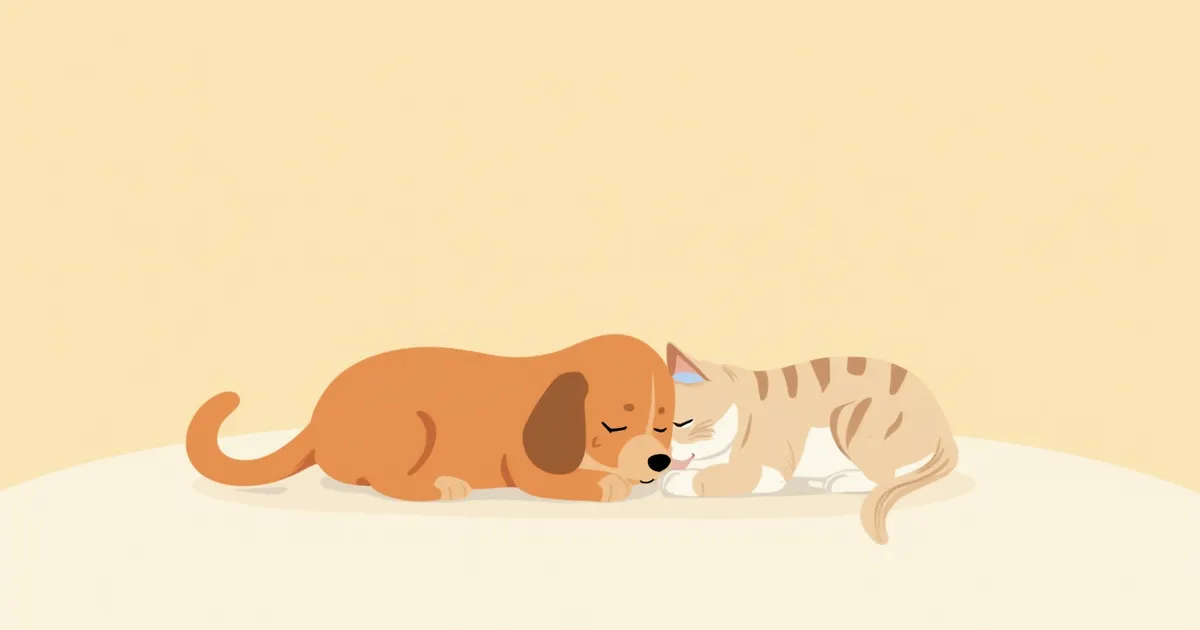
My Pet Seems Off After Anesthesia - A Complete Guide to Behavioral Changes During Anesthesia Recovery
Lethargy or unsteadiness after anesthesia is usually part of the normal recovery process. However, if these symptoms persist beyond 24 hours, they may indicate a need for immediate veterinary attention.
My Pet Seems Off After Anesthesia, Is This Normal?

Why Do Behaviors Change After Anesthesia?
Behavioral Changes by Recovery Stage
Normal Reactions by Anesthesia Recovery Stage
| Item | 0–2 hours | 2–12 hours | 12–48 hours |
|---|---|---|---|
| Level of consciousness | Semi-comatose | Drowsy, dazed | Nearly normal |
| Motor ability | Difficulty standing up | Wobbling | Slow gait |
| Appetite | Maintain fasting | Small amount of water possible | Feed about half |
| Behavioral features | Whimpering, trembling | Hypersensitive reactions | Getting closer to usual self |
Because individual differences are large depending on body weight, age, anesthetic drugs, and type of surgery, the times in the table are for reference only
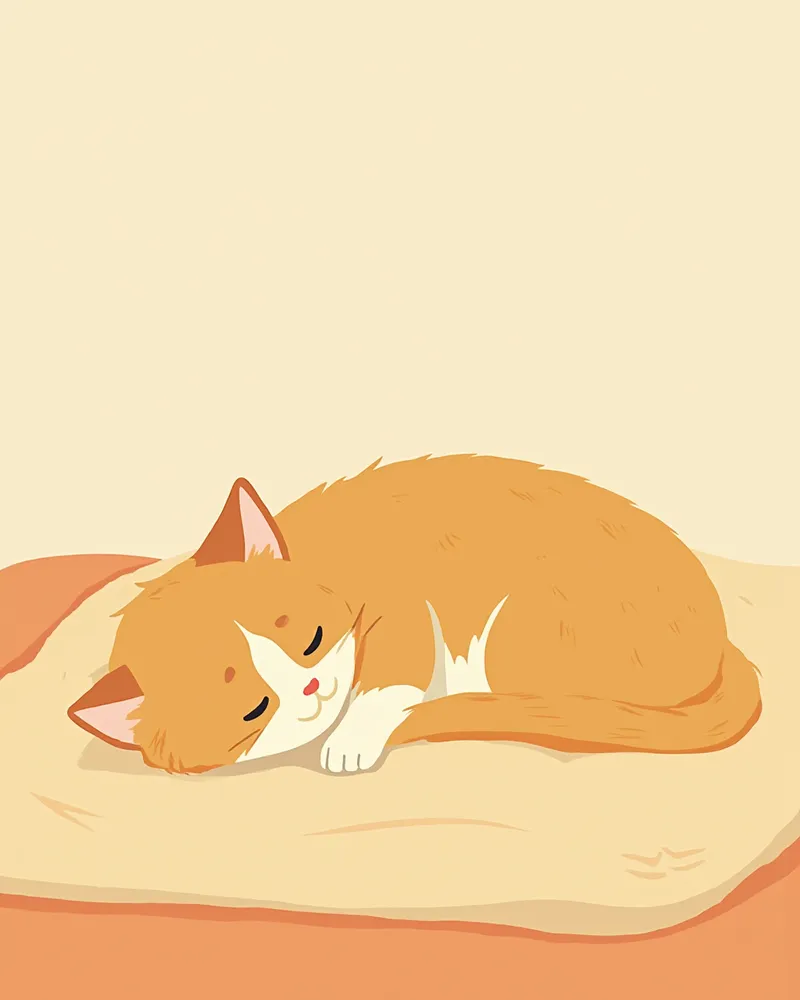
5 Common Normal Behaviors
Danger Signs Requiring Immediate Veterinary Attention
If any of the following symptoms appear, they are likely not normal recovery responses but signs of potential complications. You should immediately take your pet to the hospital where the surgery was performed or to a 24-hour veterinary clinic. Persistent or worsening lethargy / Repeated vomiting or coughing followed by difficulty breathing (suspected aspiration pneumonia) / Seizures, convulsions, or paralysis / Pale or purple gums / Abnormally cold body temperature or dangerously high/low body temperature / No urination for an extended period / Bleeding or severe swelling at the surgical site. The anesthesia recovery period is a high-risk time, so these warning signs require immediate action.
How to Help Recovery at Home

Pay Special Attention to Cats
Airway Monitoring Is Key for Small Breeds and Brachycephalic Breeds
Brachycephalic breeds such as Pugs, Bulldogs, Shih Tzus, and Pekingese have narrowed airways, placing them at higher risk for aspiration pneumonia and respiratory distress during anesthesia recovery. These breeds are known to be more prone to postoperative reflux and respiratory complications. After recovery, seek immediate veterinary care if you notice worse-than-usual snoring, open-mouth panting, or a bluish tint to the tongue. Small-breed dogs are also prone to hypothermia, so maintain a warm environment during their recovery period. Contact your veterinarian immediately if lethargy, loss of appetite, or any other abnormal signs persist.
Reviewed by a veterinarian

Dr. Tony — Punnawat Phongkittirak
VeterinarianA veterinarian who majored in veterinary medicine at Khon Kaen University, Thailand, and completed the IVSA program at North Carolina State University in the United States. Drawing on clinical experience at animal hospitals, he works in the pet healthcare field and is dedicated to building a digital care environment that connects pet parents with veterinarians.
Reviewed 2026-04-26
Frequently Asked Questions
Is it normal for a pet’s behavior to remain unusual for several days after anesthesia?
My pet doesn’t recognize me after anesthesia. Could it be dementia?
When can I give my pet water and food after anesthesia?
My pet hasn’t urinated after anesthesia. Is this normal?
My cat keeps hiding after anesthesia. Is this normal?
Share
Related Guides
7 Behavioral Enrichment Strategies for Mental Stimulation Recommended by Veterinarians

Top 5 Calming Supplements for Dogs and Cats in 2026

L-Theanine Effects and Calming Support
Adult Cat Booster Vaccination Schedule FAQ — Key Points Every Owner Must Know

Dog Parasite Zoonotic Infection Risks FAQ — Key Points for Pet Owners
Puppy Whipworm (Whipworm) Frequently Asked Questions Q&A — Key Points Every Pet Owner Should Know

Canine Toxoplasmosis FAQ — Key Information Every Pet Owner Should Know

Dog Roundworm (Toxocara) Frequently Asked Questions Q&A — Key Information Every Pet Owner Must Know

Comprehensive FAQ on Tick-Borne Diseases in Dogs — Key Information Every Pet Owner Must Know

Dog Tapeworm FAQs — Key Information Every Owner Must Know
References
[1] Pypendop BH, Ilkiw JE. Drugs and Techniques in Feline Anesthesia. The Cat, Clinical Medicine and Management, 2nd Edition
[2] Brodbelt D. Perioperative mortality in small animal anaesthesia. Vet J. 2009;182:152-161
[3] Shamir M, Goelman G, Chai O. Postanesthetic cerebellar dysfunction in cats
[4] Ovbey DH et al. Prevalence and risk factors for canine post-anesthetic aspiration pneumonia. Vet Anaesth Analg 2014;41(2):127-36