Like
Share
멍실장
고양이 요로결석 예방 식이 자주 묻는 질문 Q&A — 보호자가 꼭 알아야 할 핵심

Frequently Asked Questions About Feline Urinary Stone Prevention Diets — Key Essentials for Pet Owners

UrinaryQ&AMeongsiljang Veterinary Advisory Board

We’ve compiled the most common questions pet owners have about diets to prevent urinary tract stones in cats. We’ll share the key principles of dietary management along with practical tips.

What Is a Feline Urinary Stone Prevention Diet?

Feline urinary stone prevention diets are specially formulated to reduce the risk of stone formation by carefully adjusting nutrient levels. They appropriately regulate the content of minerals and components that contribute to stone formation, such as struvite, calcium oxalate, and uric acid. The focus is on maintaining stable urine pH and concentration (specific gravity). Since struvite stones tend to form in alkaline urine, it is important to keep the urine slightly acidic (approximately pH 6.1–6.6) for prevention. Conversely, for uric acid stones, maintaining alkaline urine (pH 7.0 or higher) is recommended rather than acidic urine. Additionally, feeding high-moisture food helps dilute the urine, making it harder for minerals to clump together and form stones. Consistently feeding a veterinarian-recommended prescription diet tailored to the specific type of stone can help lower the risk of recurrence. Combining this with regular care enhances the overall effectiveness.
Detailed ingredient list for a cat food formulated specifically for urinary tract health

Why Is a Feline Urinary Stone Prevention Diet Important?
Feline urinary tract stones can cause severe pain and, in serious cases, lead to urinary obstruction. Preventive diets play a crucial role in inhibiting stone formation. Struvite stones are closely linked to an alkaline urine environment; specialized diets help maintain a slightly acidic urine pH, creating conditions that make it difficult for struvite crystals to form. Additionally, high-moisture diets lower urine concentration (specific gravity), preventing the supersaturation of minerals that can lead to stone formation. Since the recommended urine pH varies depending on the type of stone, it is important to work with your veterinarian to consistently provide the appropriate diet. The effectiveness of preventive diets relies on ongoing management, and because recurrence is common, complete prevention may not always be achievable.
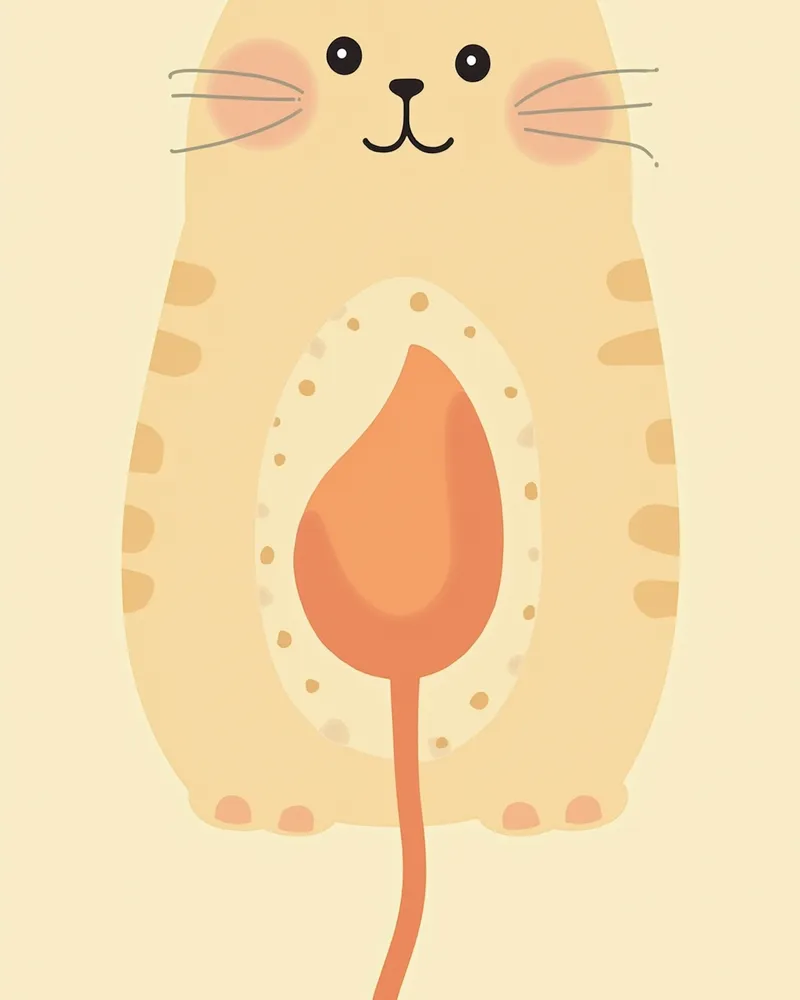
Internal anatomy diagram of a healthy cat's urinary tract

Key Factors to Consider When Choosing a Prevention Diet
When choosing a preventive diet, be sure to verify that the ingredients are adjusted for your pet’s specific stone type. For struvite stones, it is important to keep the urine acidic (approximately pH 6.1–6.6). For uric acid stones, maintaining an alkaline urine pH (7.0 or higher) is more effective than an acidic one. For calcium oxalate stones, it helps to avoid making the urine overly acidic and instead maintain a slightly alkaline pH (6.6–7.5). Opt for high-moisture foods that encourage water intake. Additionally, it is safest to choose products recommended by your veterinarian and meeting AAFCO standards. Managing urine pH and concentration (specific gravity) is key, and consistent care determines the outcome.
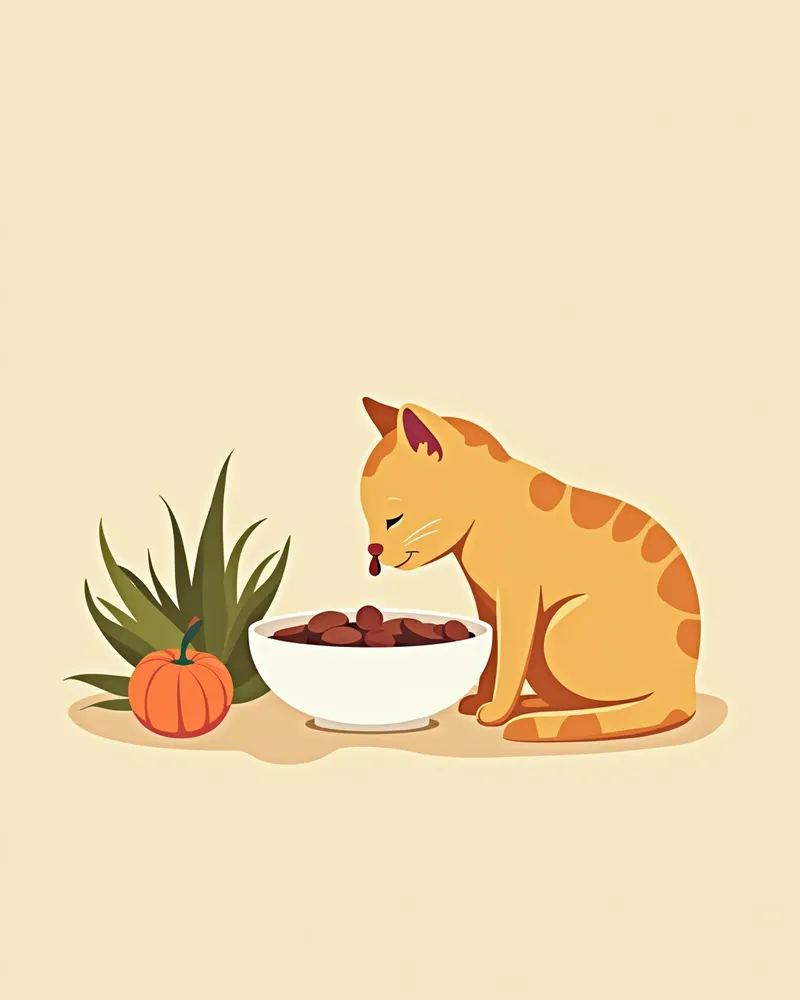
A scene featuring a cat drinking from a water fountain alongside its specialized pet food.

Comparison Table of Feline Urinary Stone Prevention Diets

ItemProduct AProduct BProduct C
Main stone typeStruviteUric acidCalcium oxalate
Urine acidity controlMaintains acidity (about pH 6.1–6.6)Maintains alkalinity (pH 7.0 or higher)Maintains mild alkalinity (pH 6.6–7.5)
Water content85%80%75%
Additional ingredientsMagnesium restrictionLow-protein dietPotassium citrate, vitamin C/D restriction

Choose according to veterinarian-recommended criteria. Because the recommended urine acidity differs for each stone type, choosing a product suited to the stone type is important.

How to Start a Prevention Diet
Always consult your veterinarian before switching to a preventive diet. Abruptly changing your cat’s food can cause digestive upset. It is generally safest to transition gradually over 7 to 10 days by mixing the new food with the old. Carefully monitor your cat’s stool and water intake during the transition. Consistently feeding the specialized diet recommended by your veterinarian is key. Regular management is essential to prevent the recurrence of urinary stones.
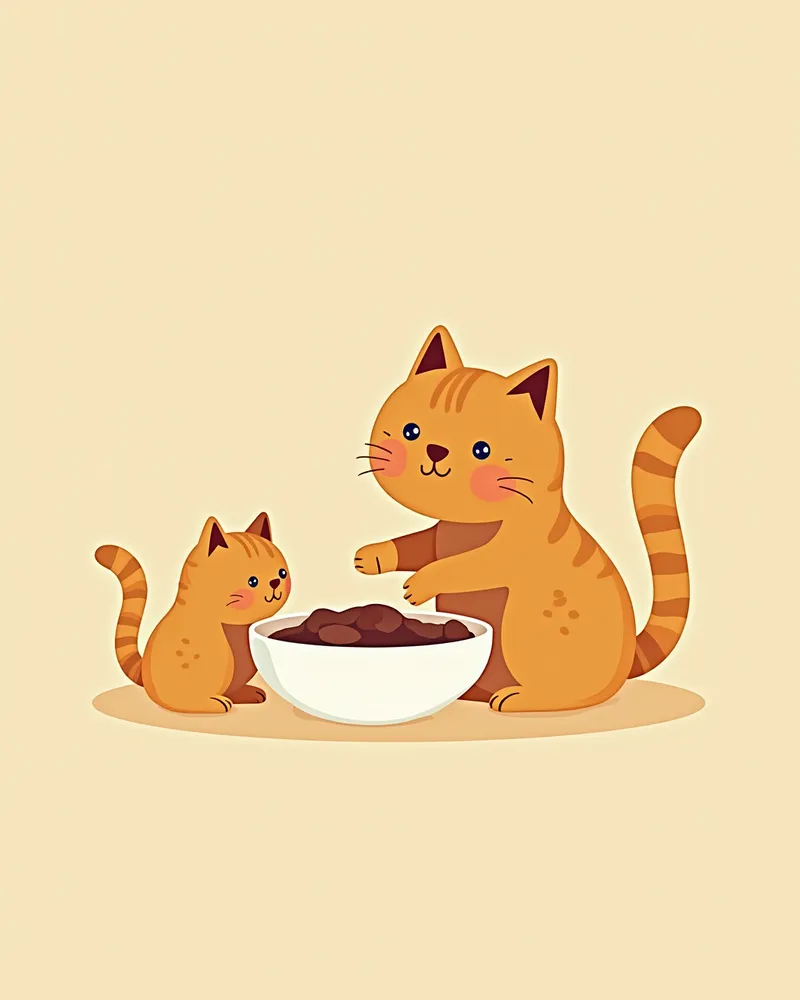
The owner gradually mixing in the specialized food

Abrupt Food Changes Are Risky

Cats have sensitive digestive systems, so sudden changes in their diet can lead to diarrhea or vomiting. It’s important to transition gradually. If your cat loses its appetite or shows any abnormalities in bowel movements during the transition, consult your veterinarian immediately.

Practical Tips to Pair With a Prevention Diet

In addition to a preventive diet, increasing water intake is crucial. Placing water fountains or multiple water bowls around the home can help encourage drinking. Also, regularly monitor your cat’s litter box habits, paying close attention to any changes in urine color, odor, or frequency. Wet food, such as canned varieties, helps dilute the urine (specific gravity below 1.030), which aids in preventing stone formation. As veterinarians recommend regular check-ups, it is wise to establish a health management plan alongside a preventive diet. Keeping a record of water intake and urine status is also an effective strategy. Consistent care protects long-term health. However, since specialized food alone cannot completely prevent stones, ongoing management beyond diet is essential.
A cat using multiple water bowls and fountains placed around the house

Reviewed by a veterinarian

Dr. Tony — Punnawat Phongkittirak

Dr. Tony — Punnawat Phongkittirak

Veterinarian

A veterinarian who majored in veterinary medicine at Khon Kaen University, Thailand, and completed the IVSA program at North Carolina State University in the United States. Drawing on clinical experience at animal hospitals, he works in the pet healthcare field and is dedicated to building a digital care environment that connects pet parents with veterinarians.

Frequently Asked Questions

Will feeding a specialized diet completely prevent stone formation?
Prescription diets can significantly reduce the risk of stone formation, but they don’t guarantee complete prevention. Consistent management and regular veterinary check-ups are essential, as recurrence is common. External factors, such as your pet’s living environment and water intake, can also influence the likelihood of stones returning.
My cat won’t eat when I change its food. What should I do?
Try gradually transitioning to the new food while enhancing its aroma and flavor to make it more appealing. Most products recommended by veterinarians are well-liked by cats. However, if your cat is in pain or under significant stress, it’s best to avoid switching to a new diet.
Can I make my pet’s food at home?
Making homemade pet food at home can be challenging in terms of maintaining proper nutritional balance and may not suit the specific type of urinary stones your pet has. Using a specialized diet recommended by your veterinarian is both safer and more effective, as it requires professional nutritional planning.
Is a urine test still necessary after feeding a preventive diet?
Yes, regular urinalysis is important for early detection of stone risk. It’s best to have tests done as recommended by your veterinarian. Preventive diets alone can’t eliminate all risks.
If I have multiple cats, should I feed them separate, individualized diets?
Yes, it's best to feed them separately so that other cats don't eat their specialized food. Each cat should receive food tailored to their individual health needs. It's also important to consider the health conditions of any other cats living in the same household.

Share

Related Guides

References

[1] Clinical Medicine of the Dog and Cat, 4th Ed, Chapter 13: Nephrology/Urology, p. 491

[2] Notes on Canine Internal Medicine, 4th Ed, p. 1167

[3] Fundamentals of Veterinary Clinical Pathology, 3rd Edition, p. 1458

This information is based on veterinary literature and does not replace diagnosis or treatment. Please consult a veterinarian for specific health concerns.

Metapet Co., Ltd. | CEO: Park Sung-yong | Business Reg. No. 417-88-02562 | Seoul, South Korea | Customer Center

5 FAQs on Preventive Diets for Feline Urinary Stones | Meongsiljang