
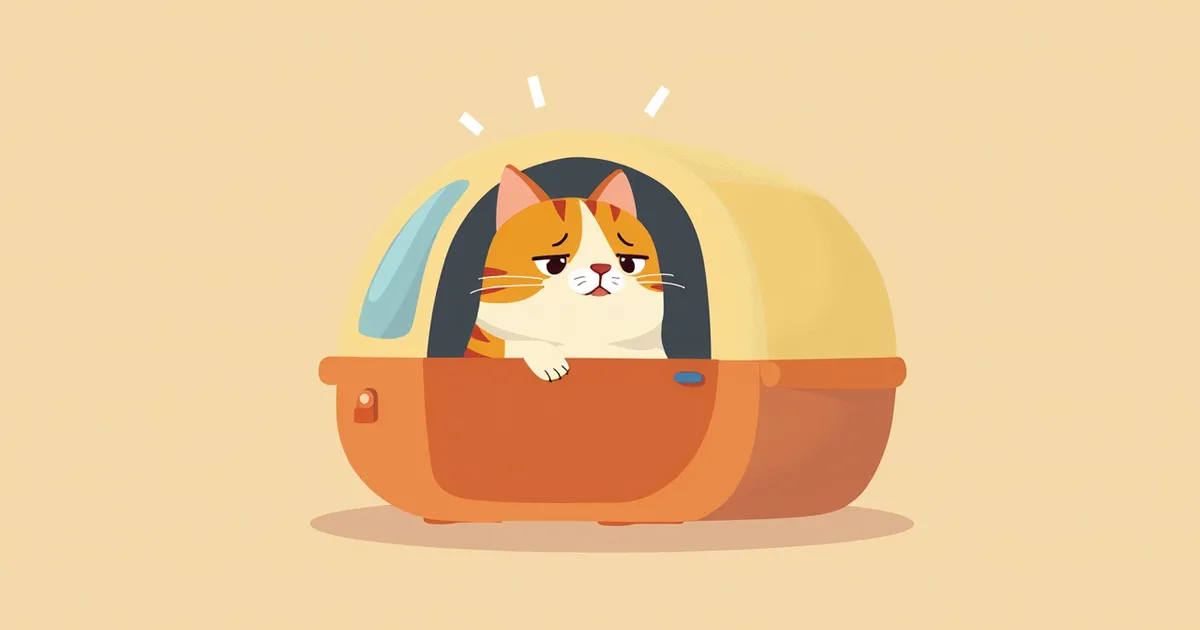
Why Does Your Cat Tremble in the Car? — How to Reduce Car Anxiety and Motion Sickness
We’ve compiled the essentials every pet owner should know—from pre-trip preparations to veterinarian-prescribed medications—into a Q&A format to help you distinguish why your cat is trembling in the car and identify signs of motion sickness.
Cat Car Anxiety vs. Motion Sickness: What’s the Difference?

Why Is Your Cat Afraid of the Car?
Fear/Anxiety vs. Motion Sickness — Symptoms at a Glance
| Item | Fear/anxiety symptoms | Motion sickness symptoms |
|---|---|---|
| Behavior | Trembling, hiding, loud vocalizing | Lethargy, crouching motionless |
| Digestive | Reduced appetite | Drooling, vomiting, retching foam |
| Physical | Dilated pupils, whiskers laid back | Nausea, frequent swallowing of saliva |
| Onset timing | From the moment the carrier is brought out | Within a few minutes after the car starts moving |
| Main cause | Past negative experiences, unfamiliar environment | Overstimulation of the vestibular system, visual stimulation |
The two sets of symptoms often appear at the same time.
Carrier Adaptation Training to Do Before Travel

Go to a Veterinary Clinic Immediately If These Symptoms Appear
If vomiting persists repeatedly, or if extreme lethargy and panting continue for more than two hours after travel has ended, it may not be simple motion sickness or stress. In particular, breathing with an open mouth is an emergency sign. You should go to a veterinary clinic immediately.
Management Tips During Travel

When Are Veterinarian-Prescribed Motion Sickness Medications Needed?

Do Pheromone Products Work?
Spraying a feline calming pheromone (such as Feliway) inside the carrier before travel can help reduce anxiety in some cats. However, you must ventilate the carrier for at least 15 to 20 minutes after spraying before placing your cat inside. This approach does not work equally well for all cats.
Reviewed by a veterinarian

Dr. Tony — Punnawat Phongkittirak
VeterinarianA veterinarian who majored in veterinary medicine at Khon Kaen University, Thailand, and completed the IVSA program at North Carolina State University in the United States. Drawing on clinical experience at animal hospitals, he works in the pet healthcare field and is dedicated to building a digital care environment that connects pet parents with veterinarians.
Reviewed 2026-06-01
Frequently Asked Questions
My cat is extremely resistant to getting into the carrier. What can I do?
My dog vomits every time we go for a car ride. Is it motion sickness or stress?
How long before travel should I stop feeding my pet?
Can I give my cat human motion sickness medication?
Are there any special precautions to keep in mind when traveling long distances?
Share
Related Guides

7 Behavioral Enrichment Strategies for Mental Stimulation Recommended by Veterinarians

Top 5 Calming Supplements for Dogs and Cats in 2026

L-Theanine Effects and Calming Support

Marbofloxacin, a Broad-Spectrum Antibiotic: What Infections Is It Used For?

What is Terbinafine? — The Key to Treating Fungal Infections in Dogs and Cats
Praziquantel Tapeworm Dewormer: Essential Usage Guidelines

Pimobendan (Vetmedin): The Key Medication for MVD – Is It Essential for Your Dog?

Atenolol Beta-Blocker Heart Medication: Is It Safe for Our Dog?

How to Use Famotidine (Hydroferan) for Stomach Acid Control

When is spironolactone used as an adjunctive diuretic for dogs with congestive heart failure?
References
[1] Rodan I, Heath S. Handling the Cat that is in Pain. In: Rodan I, Heath S, editors. Feline Behavioral Health and Welfare: Prevention and Treatment. Elsevier, 2016.
[2] Little SE, editor. The Cat: Clinical Medicine and Management. 2nd ed. Elsevier Saunders, 2012. Chapter: Transporting the Cat to the Veterinary Practice.
[3] Amat M, Camps T, Manteca X. Stress in owned cats: Behavioural changes and welfare implications. Journal of Feline Medicine and Surgery. 2016;18(8):577-586.
[4] Bowen J, Heath S. Behaviour Problems in Small Animals: Practical Advice for the Veterinary Team. Elsevier Saunders, 2005.