Like
Share
멍실장
강아지 치아 예방 간식·껌 자주 묻는 질문 Q&A — 보호자가 꼭 알아야 할 핵심

Dog Dental Preventive Treats & Chews FAQ — Key Points Owners Must Know

Oral HealthQ&AMeongsiljang Veterinary Advisory Board

We’ve put together a guide on how to choose and use treats and chews for your dog’s dental health, how effective they are, and what to watch out for.

Dog Dental Preventive Treats & Chews Are Essential Tools for Dental Health

A puppy chewing on dental preventive gum
Dental treats and chews for dogs are more than just snacks; they are important tools for maintaining oral and gum health. - Plaque removal: The act of chewing physically removes plaque from tooth surfaces, and regular chewing activity can help reduce the buildup of tartar and plaque. - Gum stimulation: Studies have reported that dogs engaging in various chewing activities showed a gradual reduction in tartar, gum inflammation, and periodontal bone loss. However, the effect on reducing gum inflammation may not be significant for all products. - Tartar prevention: Regular use can contribute to slowing tartar formation, with one study observing approximately a 64% reduction in tartar through chewing activity. - Veterinarian-recommended products: It is important to choose products with proven safety and efficacy. Since many commercial chews and additives may lack scientific evidence, careful selection is advised. - Frequency of use: Products that allow for sufficient chewing time, used once or twice daily, can be effective. In this way, treats and chews can greatly assist in daily oral care.

Why Do Treats and Chews Help with Dental Health?

Having your dog chew on treats or dental chews helps remove plaque and food debris from the tooth surfaces. - Mechanical abrasion: The friction created by chewing helps dislodge plaque from the teeth. - Gum stimulation: While products of appropriate hardness can stimulate the gums, evidence that chewing alone definitively reduces gum inflammation remains limited. - Reduction in plaque and tartar: One study observed that regular chewing activity reduced tartar by approximately 64% and plaque by about 15%. However, effectiveness may vary depending on the product type and usage habits. - Importance of product selection: Since efficacy varies based on ingredients, hardness, and frequency of use, careful selection is essential. Therefore, treats and chews should be viewed not merely as snacks, but as strategic tools for maintaining dental health.
A puppy's teeth coming into contact with a treat

Key Factors to Maximize the Effectiveness of Dog Dental Preventive Treats & Chews
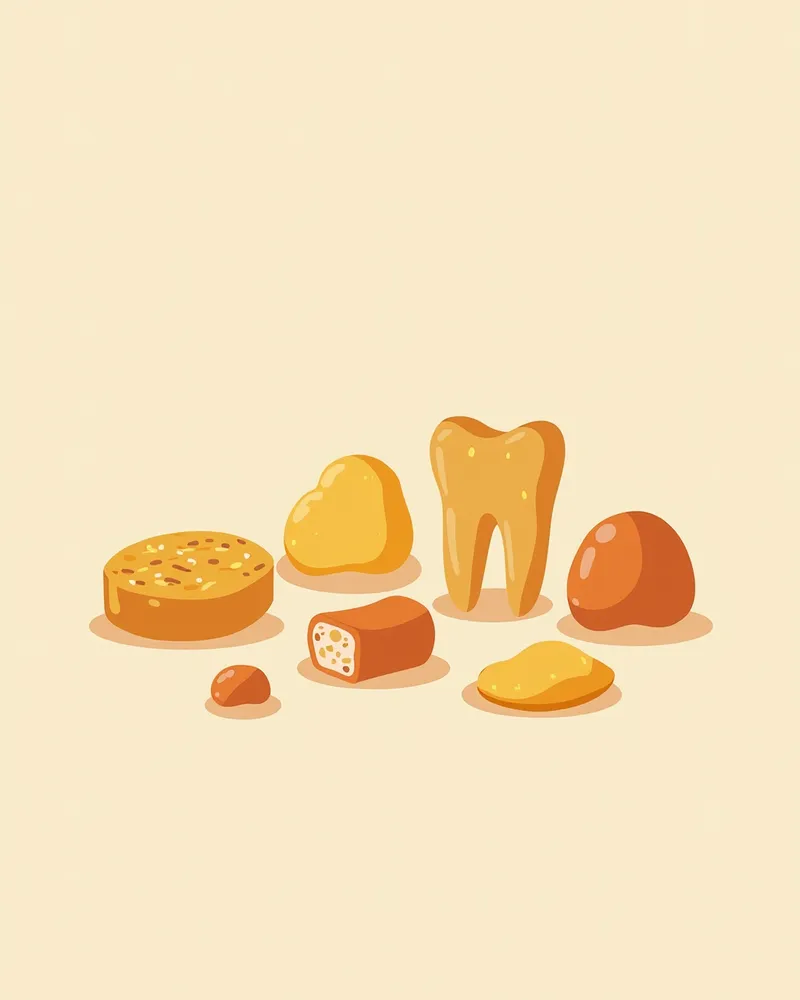
To get the most out of dental chews and treats for your dog, keep the following factors in mind:
Hardness: Products that are too hard or too soft may be less effective. A moderate hardness helps stimulate the gums while cleaning the tooth surface.
Ingredients: While some antibacterial ingredients have been reported to help reduce plaque, many commercially available chews and additives lack sufficient scientific evidence to support their efficacy. Similarly, there is limited evidence for the direct dental health benefits of glucosamine or vitamin C.
Size: Choose a size appropriate for your dog’s mouth to ensure comfortable chewing and reduce the risk of swallowing.
Frequency: It is recommended to let your dog chew for 10–15 minutes, 1–2 times per day, which helps enhance effectiveness.
Considering these factors can help improve the overall benefits.
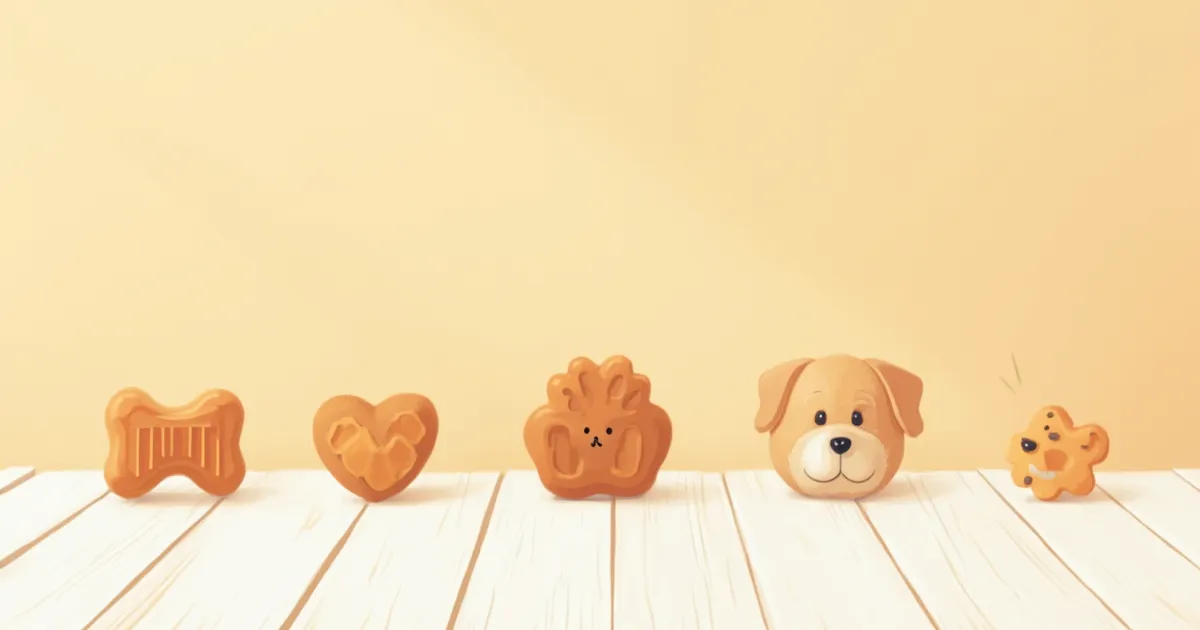
A comparison of the size and hardness of various dental preventive chews

Precautions When Using Dog Dental Preventive Treats & Chews

There are a few important things to keep in mind when using dental treats or chews for your dog.
Overuse: Chewing too much in a day can lead to tooth wear or gum damage. It’s best to limit use to 1–2 times per day.
Small pieces: If the treat is too small or breaks apart easily, it can be swallowed and may cause gastrointestinal issues. Always make sure the size is safe for your dog.
Artificial additives: Products with artificial colors, preservatives, or high sugar content can actually harm your dog’s dental health. Be sure to check the ingredient list carefully.
Individual reactions: Some dogs may be allergic to certain ingredients. When introducing a new product, start with a small amount and monitor your dog’s response.
By keeping these points in mind, you can use dental treats safely and effectively.
A puppy cautiously eyeing a dental preventive chew treat.

Comparison Table of Dog Dental Preventive Treats & Chews (Based on Mildness ↔ Severity)

ItemEffectiveness LevelFrequency of UsePrecautions
Regular treatsLowDailyHigh in sugar, choking risk
Hard chewsMedium1–2 times/dayPossible tooth wear
Veterinarian-recommended productsHigh1–2 times/daySafe ingredients, protects teeth

Veterinarian-recommended products are helpful for dental health and relatively safe. In one study, regular chewing activity was observed to reduce tartar by about 64% and plaque by about 15%, while the reduction in gum inflammation was not clear. However, since the level of scientific evidence varies by product, choose carefully.

Sudden Bad Breath or Refusal to Open Mouth Requires Immediate Veterinary Visit

If your dog suddenly develops bad breath, refuses to open its mouth when eating, or chews less, these could be early signs of dental disease. In such cases, you should seek veterinary care immediately. Dental diseases worsen the longer treatment is delayed and can also affect overall health.

Tips for Using Dog Dental Preventive Treats & Chews
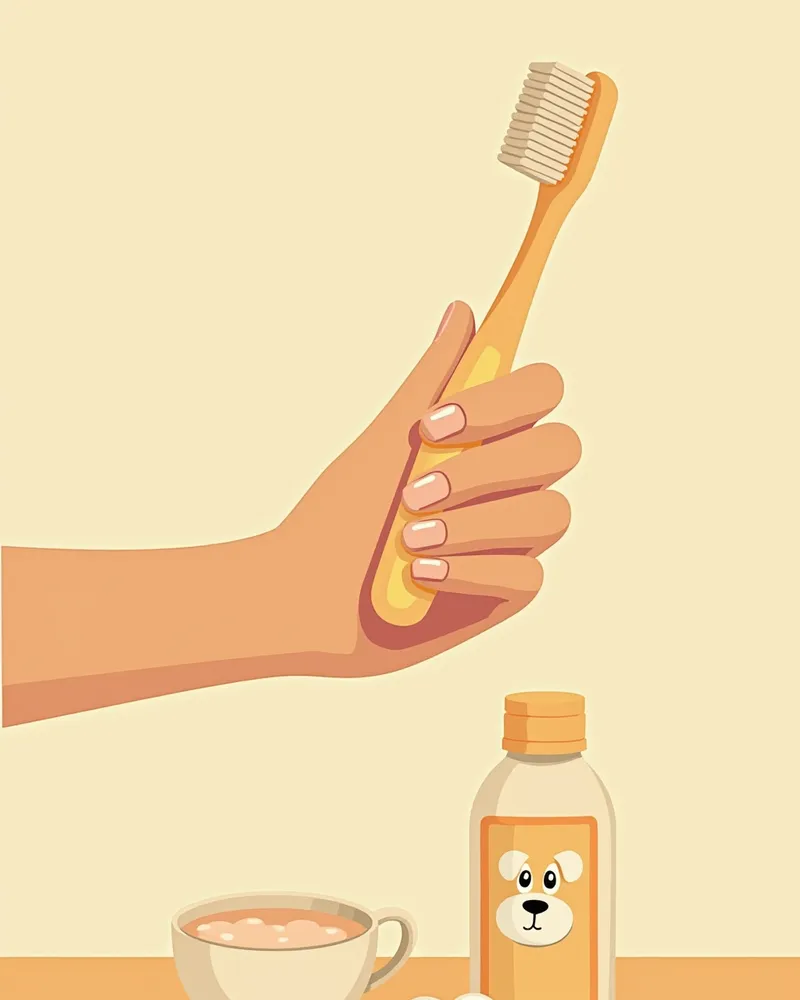
To get the most out of dental treats and chews for your dog, follow these tips:
Check before use: Carefully review the product’s size, hardness, and ingredients to ensure it’s appropriate for your dog’s size.
Observe after use: Watch for any leftover fragments or signs of swallowing after chewing.
Storage: Keep the product in a cool, dry place away from moisture and direct light to prevent spoilage.
Replacement schedule: Replace the treat or chew every 1–2 weeks, and discard any old or worn-out items.
Combine with other tools: For better results, use dental treats alongside brushing or water-soluble toothpaste.
Building these habits will help maintain your dog’s dental health for the long term.
Combining dental preventive treats for dogs with toothbrushing

Never Use Human Toothpaste or Toothbrushes

Human toothpaste contains fluoride and surfactants (foaming agents), which can be toxic if ingested by dogs. Since dogs cannot rinse their mouths or spit, prolonged accumulation of fluoride poses an even greater risk. Additionally, human toothbrushes are too large and may cause injury inside the mouth. Only dog-specific toothpaste and toothbrushes should be used. According to veterinary textbooks, human toothpaste is toxic due to its detergents, foaming agents, and fluoride, and should never be used; pet-specific products are safe.

Reviewed by a veterinarian

Dr. Tony — Punnawat Phongkittirak

Dr. Tony — Punnawat Phongkittirak

Veterinarian

A veterinarian who majored in veterinary medicine at Khon Kaen University, Thailand, and completed the IVSA program at North Carolina State University in the United States. Drawing on clinical experience at animal hospitals, he works in the pet healthcare field and is dedicated to building a digital care environment that connects pet parents with veterinarians.

Frequently Asked Questions

Can I give my dog dental-prevention treats every day?
It's best to limit chewing to about 1-2 times per day. Chewing too much every day can lead to tooth wear or gum damage.
Can dental health be maintained with treats alone?
Treats can help, but they can’t fully maintain dental health. Combining them with brushing and regular veterinary checkups is the most effective approach.
Which ingredients are effective in preventing dental issues?
While some studies suggest that certain antibacterial ingredients can help reduce plaque, many commercial products lack sufficient scientific evidence to support their efficacy. Since it’s difficult to judge effectiveness based on ingredients alone, it’s important to choose carefully.
What should I do if my dog swallows a treat?
If your pet swallows small pieces, it may cause gastrointestinal issues, so please consult your veterinarian immediately. Please double-check the product size.
Are dental prevention chews safe for all dogs?
Not all dogs are safe to consume this. Especially for dogs with weak teeth or a tendency toward allergies, carefully check the ingredients and start with a small amount at first.

Share

Related Guides

References

[1] Applied Veterinary Clinical Nutrition, 2nd Ed. (2023). Chapter 4: Oral Health and Nutrition in Dogs.

[2] Ingham, S. et al. (2002). Effect of Hill's Prescription Diet t/d on plaque and gingivitis in dogs. Journal of Veterinary Dentistry, 19(2), 87–92.

[3] 100 Top Consultations in Small Animal General Practice (2021). Section on Dental Care and Preventive Nutrition.

This information is based on veterinary literature and does not replace diagnosis or treatment. Please consult a veterinarian for specific health concerns.

Metapet Co., Ltd. | CEO: Park Sung-yong | Business Reg. No. 417-88-02562 | Seoul, South Korea | Customer Center

Dog Dental Treats & Chews Q&A | Essential Info for Pet Parents | Meongsiljang