Like
Share
멍실장
강아지 꼬리 쫓기 행동 원인

My Dog Keeps Chasing Its Tail — Is It Just Play or a Compulsive Behavior?

Brain & CognitionQ&AMeongsiljang Veterinary Advisory Board

We’ve outlined the main causes of tail-chasing behavior in dogs, how to distinguish normal from abnormal cases, breed-specific considerations, and proper ways to address the issue.

Why Does My Dog Chase Its Tail?
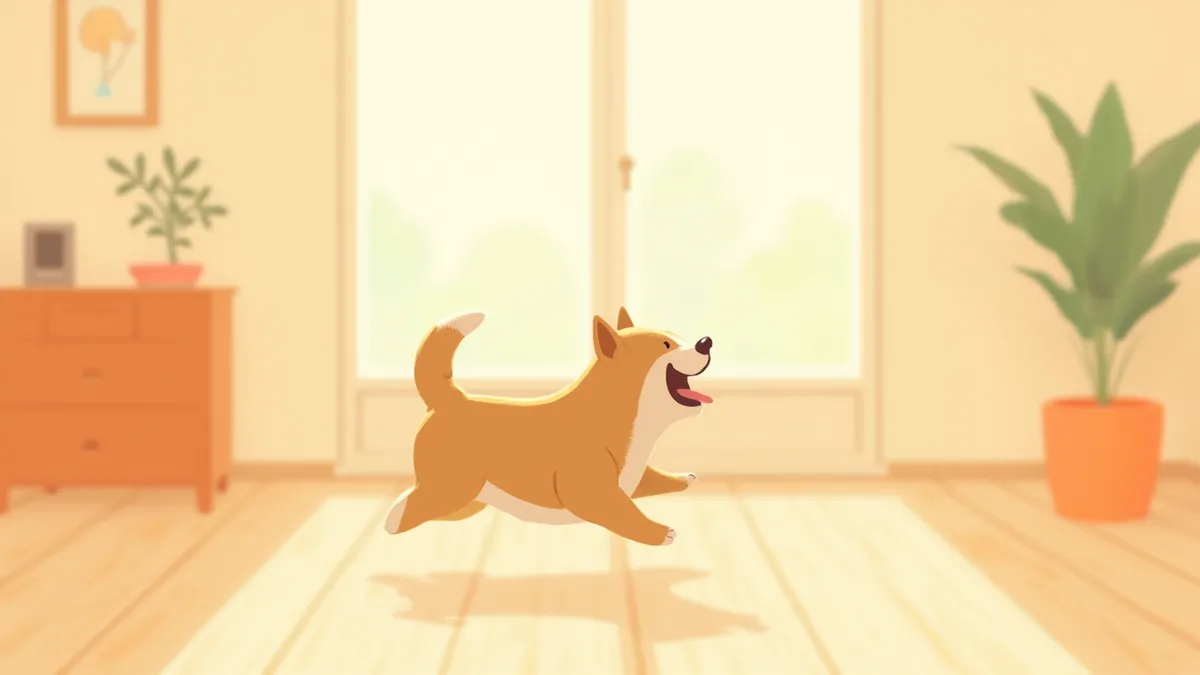
A puppy chasing its tail and spinning in circles
Chasing its tail is a repetitive behavior where a dog spins in circles, targeting its own tail. What truly matters is the frequency and context. If your dog does this briefly as play, just once or twice a day, it’s normal. However, if it persists for tens of minutes or your dog doesn’t respond when called, it could signal compulsive disorder, skin issues, or neurological problems. Breeds with genetic predispositions, such as Bull Terriers and German Shepherds, require especially close observation.

How to Distinguish Normal from Abnormal Behavior

Tail-chasing behavior can be broadly categorized into two types. Normal tail-chasing is brief, occurring when your pet is happy or bored, and stops immediately when called by the owner. In contrast, abnormal tail-chasing persists for extended periods regardless of time or place, and the pet has difficulty stopping on its own. The following table summarizes the key distinguishing factors. The core criteria are duration, responsiveness, and the condition of the tail.

Comparison of Normal and Abnormal Tail-Chasing

ItemNormal play typeCaution stageAbnormal behavior (compulsion)
DurationWithin 1–2 minutesRepeats for 5–10 minutesTens of minutes or more
Response to ownerStops when calledResponds only after being called several timesAlmost no response
Tail conditionNormalHair loss, abrasionsBleeding, self-harm
Frequency1–2 times a daySeveral times a dayRepeats all day long
Trigger situationExciting momentsWhen bored or stressedSudden episodes with no specific trigger

If two or more of the items fall under 'abnormal behavior,' a veterinary consultation is needed

Five Main Causes of Tail-Chasing

Veterinary internal medicine and behavior textbooks generally categorize the causes of tail-chasing into five main groups: - Play or attention-seeking: Common in young puppies expending energy or who have learned that this behavior elicits a response from their owners. - Compulsive disorder (CCD): A condition where repetitive behaviors, originating from normal maintenance activities like grooming or hunting, gradually spread to various situations and worsen over time, ultimately interfering with daily life. - Skin issues: Itching or pain around the tail caused by anal sac inflammation, allergies, or parasites. - Neurological disorders: Conditions such as focal complex seizures or sensory abnormalities. - Stress or lack of exercise: Alternative behaviors arising from isolation, confined spaces, or insufficient environmental stimulation.
A dog grooming itself while paying attention to its tail

See a Vet Immediately If You Notice These Signs

If any of the following apply, it’s likely not just a behavioral issue but a medical condition: - There is bleeding, wounds, or hair loss at the tip of the tail - The behavior continues for more than 30 minutes despite being called to stop - The dog collapses or shows seizure-like symptoms while moving - There are changes in appetite, elimination, or sleep patterns - The behavior suddenly appears for the first time in an adult dog (3 years or older)

How Is It Diagnosed at the Vet?
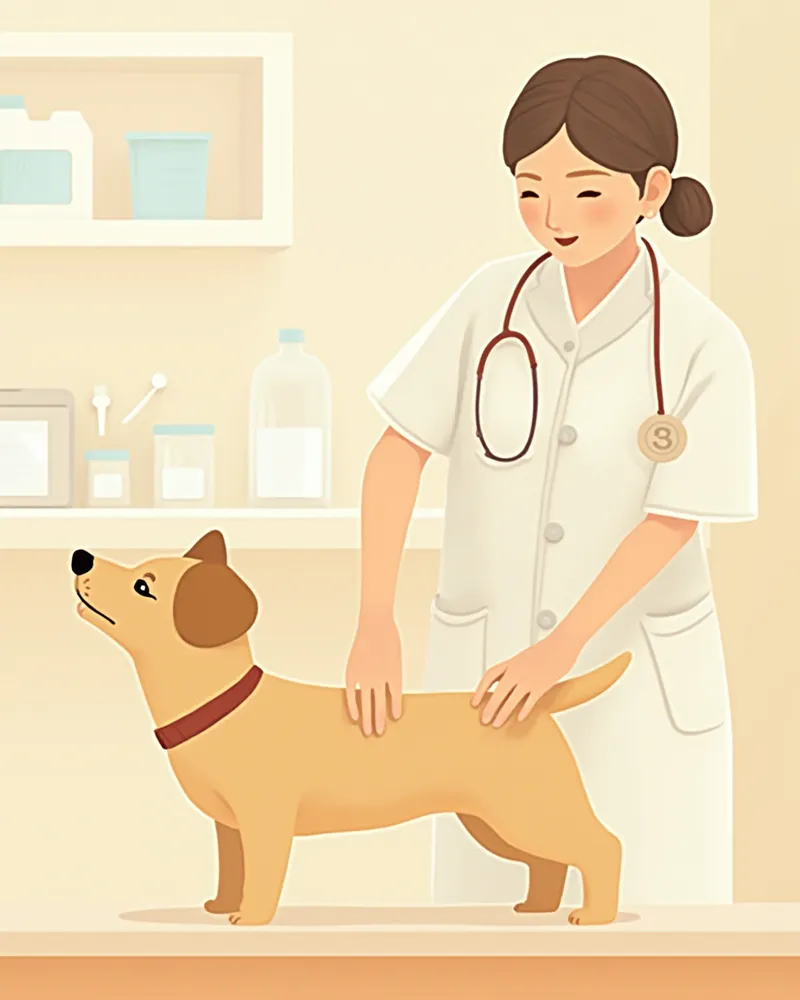
Veterinarians first rule out physical causes. They check for painful conditions through anal gland exams, skin and parasite checks, and tail X-rays. If no abnormalities are found, they assess the possibility of partial seizures with neurological exams and, if necessary, MRI scans. Finally, a behavioral medicine evaluation is conducted to diagnose obsessive-compulsive disorder. Bringing 2–3 videos recorded by the owner (including the context and timing of the episodes) can significantly speed up the diagnostic process.
A veterinarian examining a puppy's tail.

Breed-Specific Tendencies for Tail-Chasing

According to veterinary behavior textbooks, certain breeds are genetically predisposed to compulsive repetitive behaviors. - Bull Terrier: This breed is classically associated with trance-like states (freezing or trancing), which may be accompanied by slow, vacant walking. - German Shepherd Dog: Textbooks explicitly identify this breed as predisposed to spinning and tail-chasing. - Doberman Pinscher: The provided veterinary behavior references do not specify a particular predisposition for tail-chasing in Dobermans. However, breed predispositions can vary by region and population, so individual observation is important. - Herding breeds (e.g., Border Collie): These breeds are known to be predisposed to repetitive behaviors such as chasing light or shadows. Various repetitive behaviors may emerge if they lack sufficient exercise and mental stimulation. If you own one of these breeds, it is advisable to proactively implement environmental enrichment from the preventive stage, such as using puzzle feeders and extending walk times.

What You Can Do at Home — Follow This Order

If the cause is unclear in the early stages, try approaching the issue in the following order: - Avoid reinforcing the behavior: Laughing or scolding when your pet spins can inadvertently teach them that spinning earns attention. - Identify pre-behavior cues: Keep track of triggers such as boredom, specific sounds, or periods of being alone. - Provide alternative activities: Use nose work, chew toys, and regular walks to help expend energy. - Prevent tail self-injury: Use an e-collar or soft tail protector to prevent secondary injuries. If there’s no improvement after two weeks, consult a veterinary behavior specialist.

How Is Medication and Behavior Therapy Conducted?
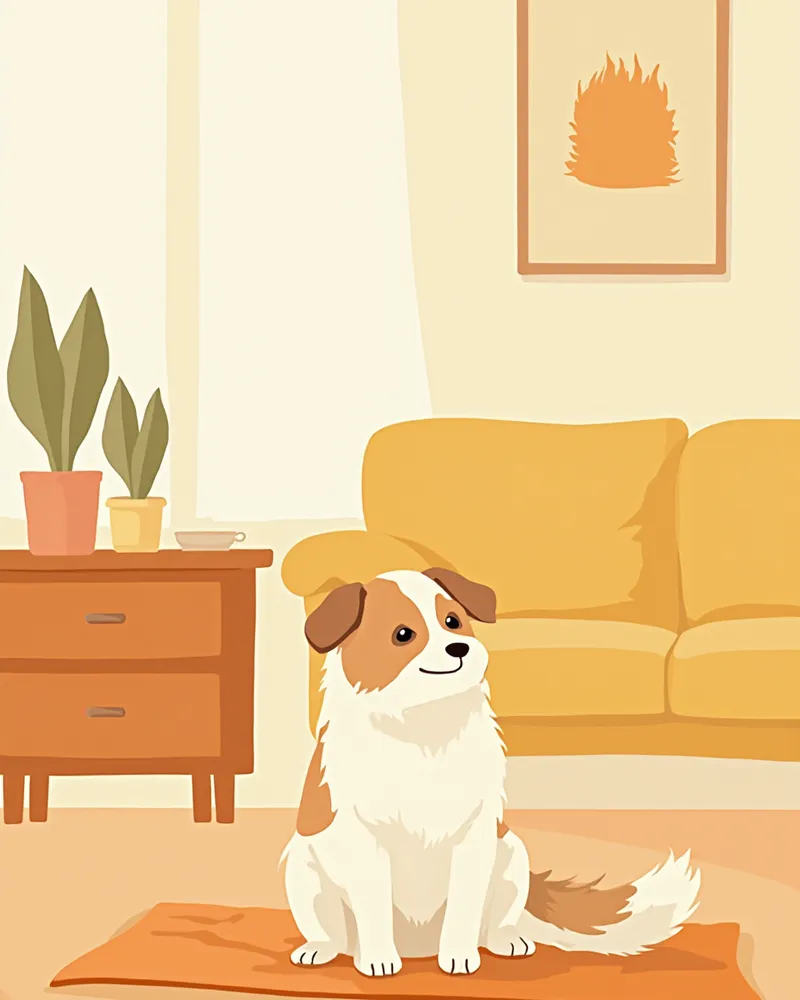
If diagnosed with obsessive-compulsive disorder, treatment involves a combination of behavior modification training and medication. Veterinary pharmacology textbooks note that behavior-modifying drugs are used to manage compulsive repetitive behaviors, with clomipramine being a representative example. Since the effects of medication do not appear immediately, it is essential to administer the drug consistently for an adequate period while monitoring the response, with the evaluation period determined individually by the veterinarian. Dosage and treatment duration are decided by the veterinarian based on the pet’s weight and response, so discontinuing medication on your own is strictly prohibited. The key to training is reinforcing alternative behaviors and removing triggering stimuli.
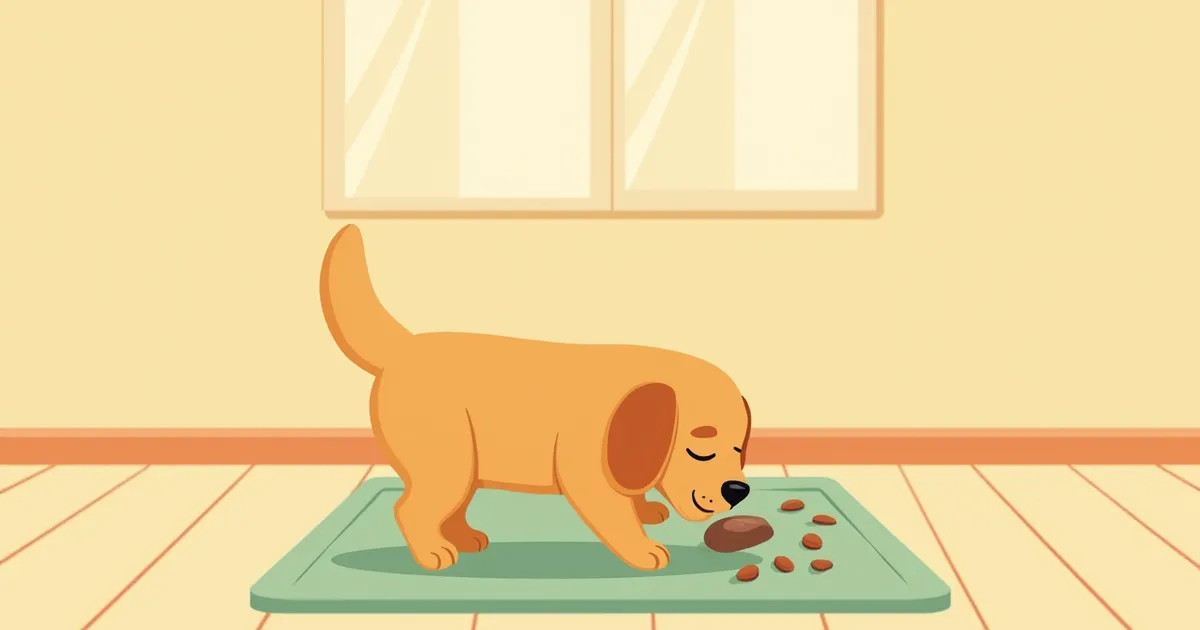
A dog playing comfortably on a nosework mat

Reviewed by a veterinarian

Dr. Tony — Punnawat Phongkittirak

Dr. Tony — Punnawat Phongkittirak

Veterinarian

A veterinarian who majored in veterinary medicine at Khon Kaen University, Thailand, and completed the IVSA program at North Carolina State University in the United States. Drawing on clinical experience at animal hospitals, he works in the pet healthcare field and is dedicated to building a digital care environment that connects pet parents with veterinarians.

Frequently Asked Questions

Shouldn’t I laugh when my dog chases its tail?
Laughing or reacting repeatedly can inadvertently reinforce the behavior by providing attention as a reward. While brief play is fine, if it happens often, ignore the behavior and redirect your pet to a different activity.
My puppy bit its tail and it’s bleeding. What should I do?
To prevent secondary infections, put an Elizabethan collar on your pet and visit the vet within 24 hours. Rather than disinfecting the wound yourself, have the vet diagnose the underlying cause to help prevent recurrence.
Does the tail-chasing behavior that puppies do naturally disappear as they grow up?
Playful tail-chasing often decreases as puppies grow. However, if it has developed into a compulsive behavior, it won’t fade over time and may even worsen. Try recording a video at least once a month to track changes.
Do cats chase their tails too?
Cats can also exhibit similar repetitive behaviors, but the underlying causes and assessment methods differ from those in dogs. If your pet is a cat, avoid making assumptions based on canine patterns and instead seek an evaluation specifically tailored to feline health.
Will just increasing exercise help improve the condition?
Exercise is helpful, but the quality of stimulation matters too. Mixing in mentally engaging activities like nose work and training games, rather than just walking the same route, often helps reduce tail-chasing behavior.

Share

Related Guides

References

[1] Horwitz, D.F. and Mills, D.S., BSAVA Manual of Canine and Feline Behavioural Medicine, 2nd ed.

[2] Landsberg, G., Hunthausen, W., Ackerman, L., Behavior Problems of the Dog and Cat, 3rd ed.

[3] Hewson, C.J., Luescher, U.A., Ball, R.O. (1999). Canine compulsive disorder. Can. J. Vet. Res. 63(3): 201-206.

[4] Introduction to Animal Behavior and Veterinary Behavioral Medicine, Ch.17 Compulsive Disorders

This information is based on veterinary literature and does not replace diagnosis or treatment. Please consult a veterinarian for specific health concerns.

Metapet Co., Ltd. | CEO: Park Sung-yong | Business Reg. No. 417-88-02562 | Seoul, South Korea | Customer Center

Is Your Dog Chasing Its Tail? Playtime or Compulsive Disorder? | Meongsiljang