
How to Teach Your Puppy Sit, Stay, and Down — When Is the Best Time for Rewards?
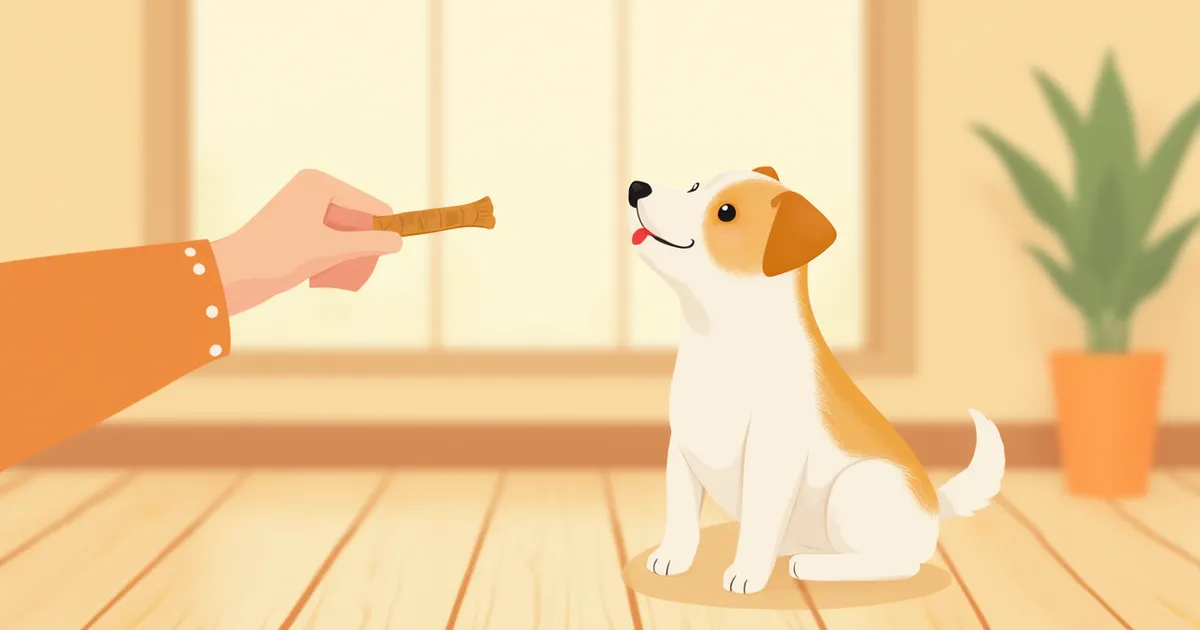
We’ll walk you through the core puppy commands—sit, stay, and down—step by step. Using positive reinforcement, short 5-minute sessions, two to three times a day, are all you need.
What Is Basic Puppy Training?
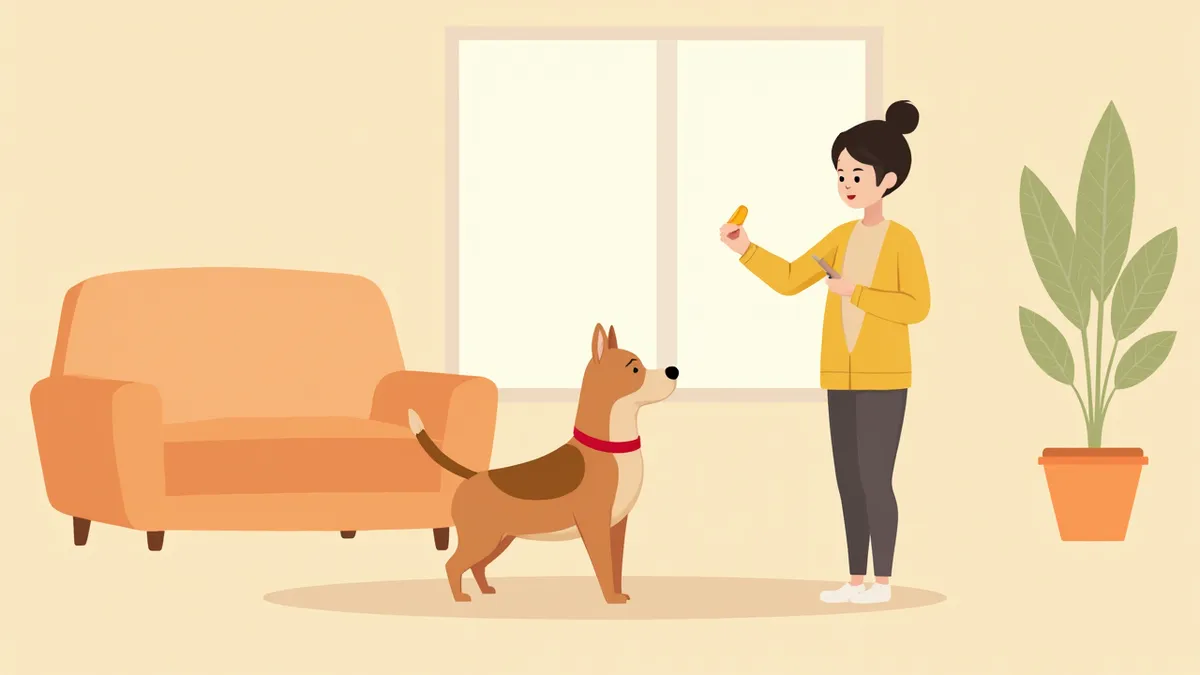
What to Prepare Before Starting Training
Difficulty Comparison: Sit, Stay, and Down
Comparison of the Three Basic Commands
| Item | Sit | Stay | Down |
|---|---|---|---|
| Difficulty | Easy | Medium | Medium to hard |
| Average learning period | 3–7 days | 2–3 weeks | 1–2 weeks |
| Time per session | 3–5 minutes | 5 minutes | 5 minutes |
| Key reward point | The moment the hindquarters touch the floor | While holding the position | The moment the elbows and belly touch the floor |
| Common mistakes | Holding the treat too high | Increasing the duration too quickly | Pushing down forcibly by hand |
There are individual differences, so the learning period may vary
Step 1: How to Teach Sit

What You Must Never Do During Training
The following behaviors not only hinder learning but can also erode the trust between you and your pet. - Yelling or hitting: Punishment triggers negative emotions such as fear, anxiety, and stress. If too harsh, it can lead to behavioral issues like defensive aggression. - Pulling the leash hard: Strong physical pressure acts as an aversive stimulus; if excessive, it can cause injury or trigger protective behaviors such as defensive aggression. - Training for too long: As sessions drag on, concentration wanes. It is more effective to keep sessions short and frequent. - Multiple people using different signals: Inconsistent signals cause confusion, frustration, and anxiety, reducing learning effectiveness. The entire family should use the same words and hand gestures. If training isn’t going well on a given day, don’t hesitate to end the session and try again the next day.
Step 2: How to Teach Stay
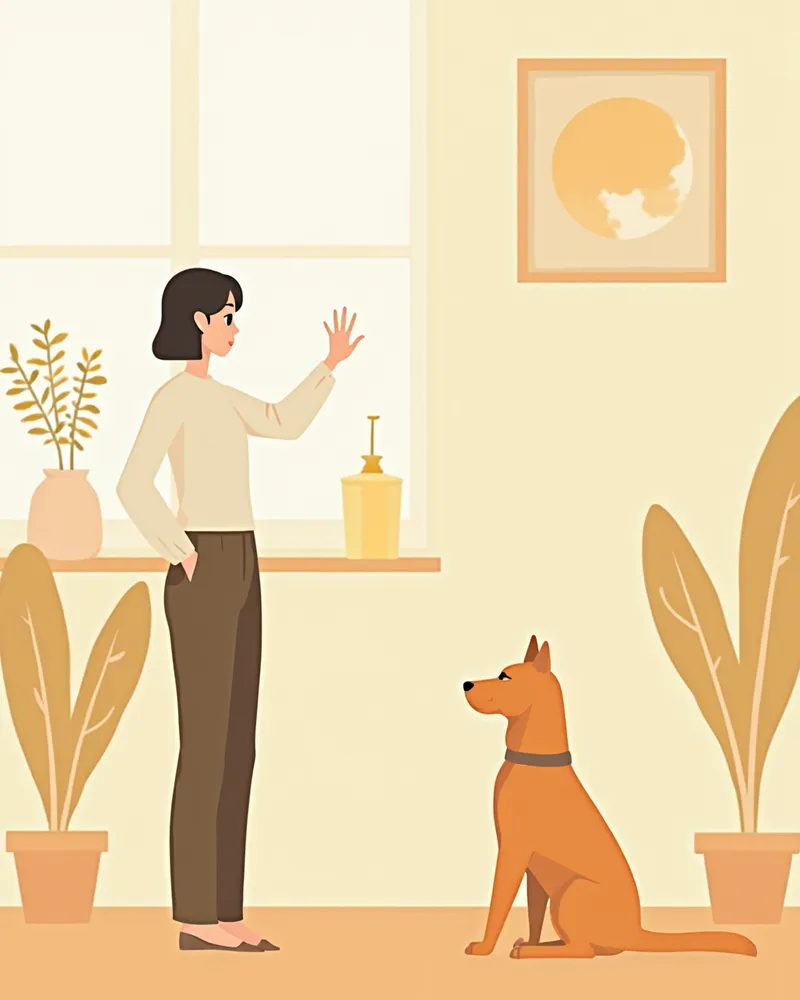
Step 3: How to Teach Down
Signs You Need Professional Help
In the following situations, do not try to handle them on your own; consult a veterinarian or a certified canine behavior specialist (with credentials in veterinary behavior medicine): - When aggression occurs, such as biting the handler during training - When the dog fails to learn any behavior after more than three weeks of consistent training - When the dog trembles or hides in specific positions, especially when lying on its stomach - When the dog shows no interest in any rewards, including treats and praise (this may indicate a health issue) A sudden decline in learning ability may be caused by medical conditions such as pain or vision and hearing impairments.
Reviewed by a veterinarian

Dr. Tony — Punnawat Phongkittirak
VeterinarianA veterinarian who majored in veterinary medicine at Khon Kaen University, Thailand, and completed the IVSA program at North Carolina State University in the United States. Drawing on clinical experience at animal hospitals, he works in the pet healthcare field and is dedicated to building a digital care environment that connects pet parents with veterinarians.
Reviewed 2026-04-19
Frequently Asked Questions
At what age can training begin?
How can I get my pet to follow commands without using treats?
Which language is better for commands, Korean or English?
Is it okay to scold my pet when it doesn’t listen?
What kind of treats should I give?
Share
Related Guides
7 Behavioral Enrichment Strategies for Mental Stimulation Recommended by Veterinarians

Top 5 Calming Supplements for Dogs and Cats in 2026

L-Theanine Effects and Calming Support

Frequently Asked Questions on Preventing Feline Tartar and Plaque — Key Information Every Pet Owner Should Know

Feline Oral Abscess & Root Abscess FAQ — Key Information Every Pet Owner Should Know

Frequently Asked Questions About Cleft Palate in Cats — Key Information for Pet Owners

Cat Teeth Grinding (Bruxism) FAQ — Key Information Every Pet Owner Should Know
Is Feline Anesthetic Dentistry Really Safe? — Key Safety Q&A Answered by a Veterinarian
Frequently Asked Questions About Canine Tumor Immunotherapy — Key Information for Pet Owners
What is canine tumor staging? — Do you need a CT or an MRI?
References
[1] Landsberg G., Hunthausen W., Ackerman L., Behavior Problems of the Dog and Cat, 4th Edition, 2023
[2] China L., Mills D.S., Cooper J.L., Efficacy of Dog Training with and without Electronic Collars vs. a Focus on Positive Reinforcement, Front. Vet. Sci., 2020
[3] Rooney N.J., Cowan S., Training methods and owner-dog interactions, Appl. Anim. Behav. Sci., 2011
[4] Horwitz D., Mills D., BSAVA Manual of Canine and Feline Behavioural Medicine, 2nd Edition