

How to Teach Kitten Litter Box Training
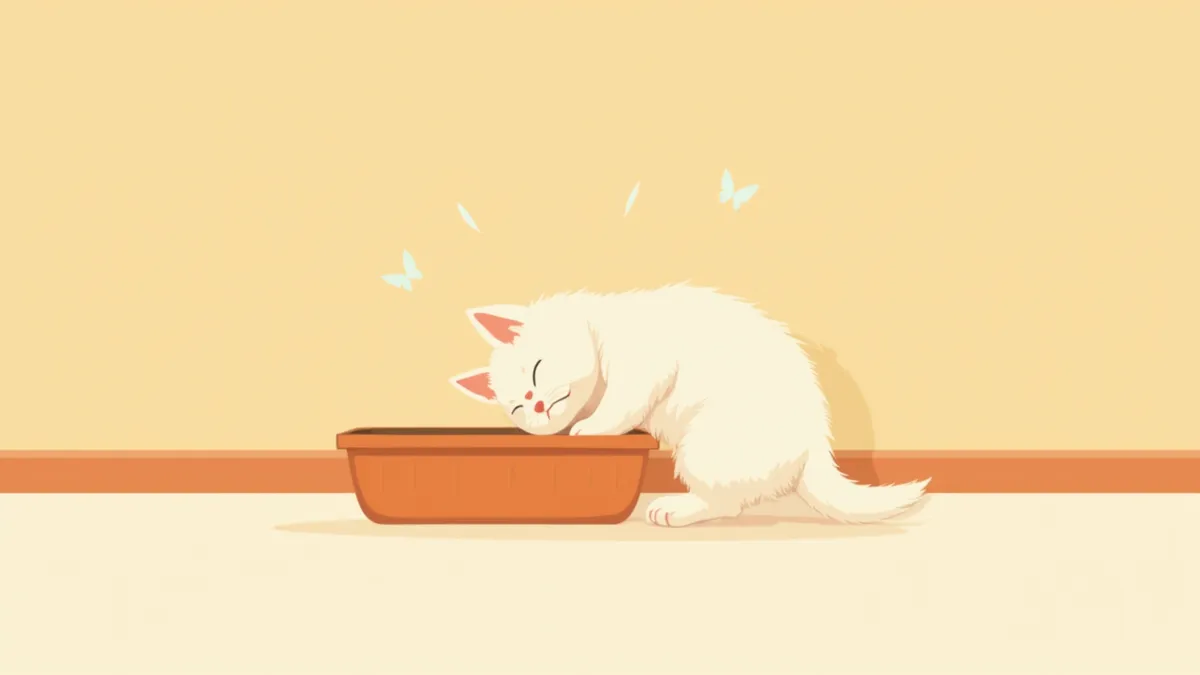
Kitten litter box training typically begins instinctively around 3 to 4 weeks of age. With the right location, litter type, and box size, most kittens will master it within 1 to 2 weeks.
What Is Kitten Litter Box Training?
When Should You Start?
Litter Box Training Stages by Kitten Age
| Item | 3–4 Weeks | 5–7 Weeks | After 8 Weeks |
|---|---|---|---|
| Key Behaviors | Mother stimulates and cleans up elimination; motor skills develop | Begins eliminating independently; instinctive digging behavior | Litter box habits become established; learning continues |
| Litter Box Needed | Small litter box with low sides | Easy-to-enter open type | Generously sized open type |
| Recommended Litter | Unscented fine-grain | Unscented clumping | Unscented clumping |
| Guardian Involvement | Environment setup | Take them there after meals | Maintain cleanliness |
Ages are for reference only, as there is individual variation
How to Choose a Litter Box and Litter
Step-by-Step Training Procedure
What You Should Never Do
Never rub a kitten’s nose in its accident spot as a form of punishment. According to veterinary behavior textbooks, this type of punishment has no learning effect and can actually create a fear of the litter box itself, leading to avoidance behavior. Once litter box avoidance develops, it becomes much harder to correct. When accidents happen, simply clean the area without reacting and use an enzymatic cleaner to completely eliminate any odor—that’s all you need to do.
Checklist When Accidents Repeat
Signs That Require Veterinary Consultation
If a kitten that has already learned to use the litter box suddenly stops going, cries while urinating, has blood in its urine, or keeps visiting the litter box but produces only small amounts of urine, you should seek veterinary care immediately. In particular, urethral obstruction in male kittens is a life-threatening emergency. Additionally, if diarrhea or constipation persists for more than three days, or if your kitten continues to strain even after defecating, testing for parasites and gastrointestinal diseases is necessary.
Reviewed by a veterinarian

Dr. Tony — Punnawat Phongkittirak
VeterinarianA veterinarian who majored in veterinary medicine at Khon Kaen University, Thailand, and completed the IVSA program at North Carolina State University in the United States. Drawing on clinical experience at animal hospitals, he works in the pet healthcare field and is dedicated to building a digital care environment that connects pet parents with veterinarians.
Reviewed 2026-04-27
Frequently Asked Questions
My kitten isn’t using the litter box at all. When should I start worrying?
What type of litter is best for a kitten’s litter box?
Is it okay to have just one litter box?
My pet keeps urinating in the same spot where they had an accident before. Why is this happening?
Is there a connection between potty training and immune function?
Share
Related Guides

Primary vs. Secondary Veterinary Hospitals: A Comparison
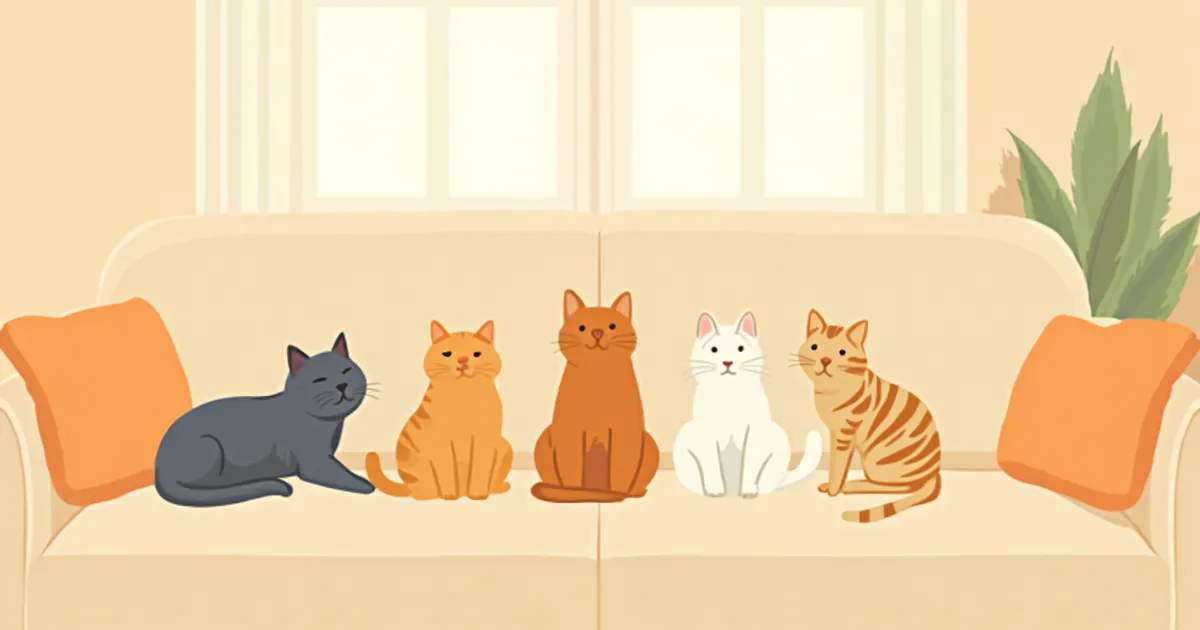
5 Easy-to-Raise Cat Breeds for First-Time Owners — Grooming Difficulty Comparison

Top 7 Short-Legged Dog Breeds

What is Canine Keratoconjunctivitis Sicca (KCS)? — How to Recognize Symptoms of Insufficient Tear Production
Should You Definitely Use Cyclosporine for Canine Dry Eye? — A Summary of Effects and Side Effects
Dog Fluorescein Staining Corneal Exam FAQ — Key Information Every Pet Owner Should Know

If Your Dog Has a Lump on Its Eyelid — Distinguishing Benign from Malignant Eyelid Tumors and How to Respond
Why Is Giving Eye Drops to My Dog So Hard? — Administration Techniques That Work Even for Resistant Puppies

If Your Dog Keeps Rubbing Their Eyes — Causes of Entropion and Surgical Timing

What Are Diabetic Cataracts in Dogs? — What Signs Appear Before Vision Loss
References
[1] Introduction to Animal Behavior and Veterinary Behavioral Medicine, Chapter 13: Feline Elimination Disorders
[2] The Cat: Clinical Medicine and Management, 2nd Edition, Chapter 16: Behavior Problems
[3] Overall KL, Manual of Clinical Behavioral Medicine for Dogs and Cats, 2013