
Why Does My Cat Keep Scratching? — Causes of Scratching and When to Intervene
Scratching is an irresistible instinct in cats. We’ve compiled a Q&A covering why they scratch, where to place scratching posts, and practical tips to reduce furniture damage.
Why Do Cats Scratch?

Four Functions of Scratching
Comparison of Scratcher Materials
| Item | Sisal rope | Corrugated cardboard | Carpet |
|---|---|---|---|
| Durability | High | Low | Moderate |
| Cat preference | Highest | Moderate | Low |
| Recommended form | Vertical | Horizontal/inclined | Vertical |
| Maintenance point | Little dust | Needs periodic replacement | Watch for fur tangling |
Every cat has different material preferences. At first, try offering 2–3 types together.
Scratcher Placement and Quantity — Just as Important as Material
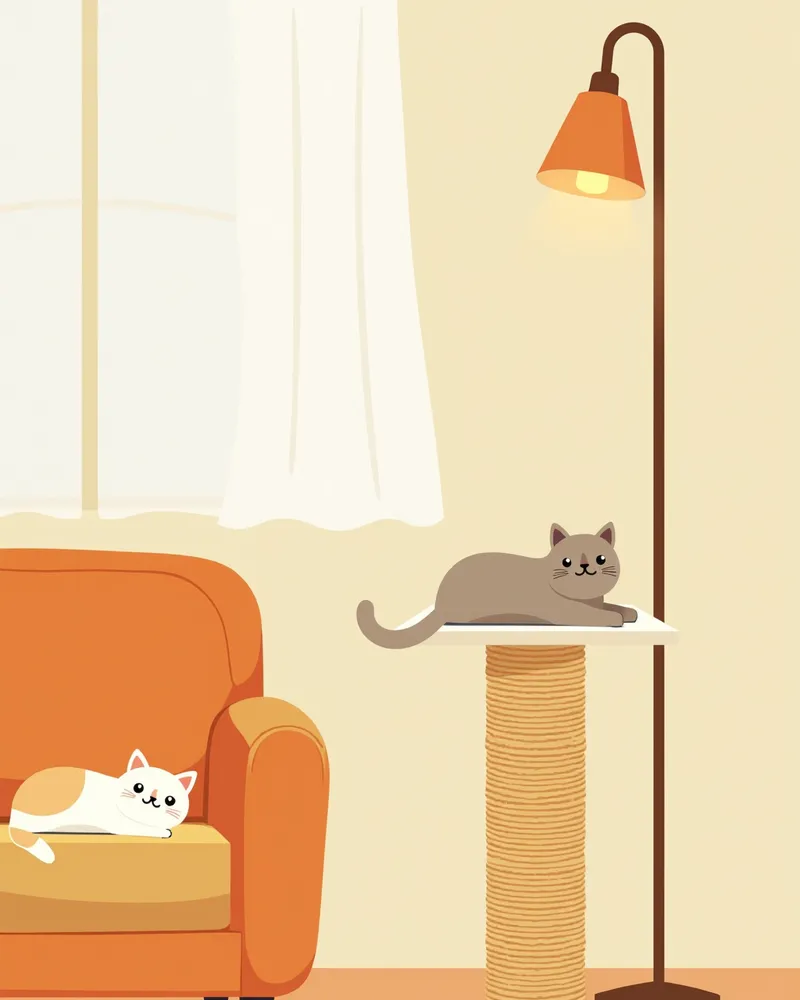
How to Help Your Cat Get Used to a New Scratcher
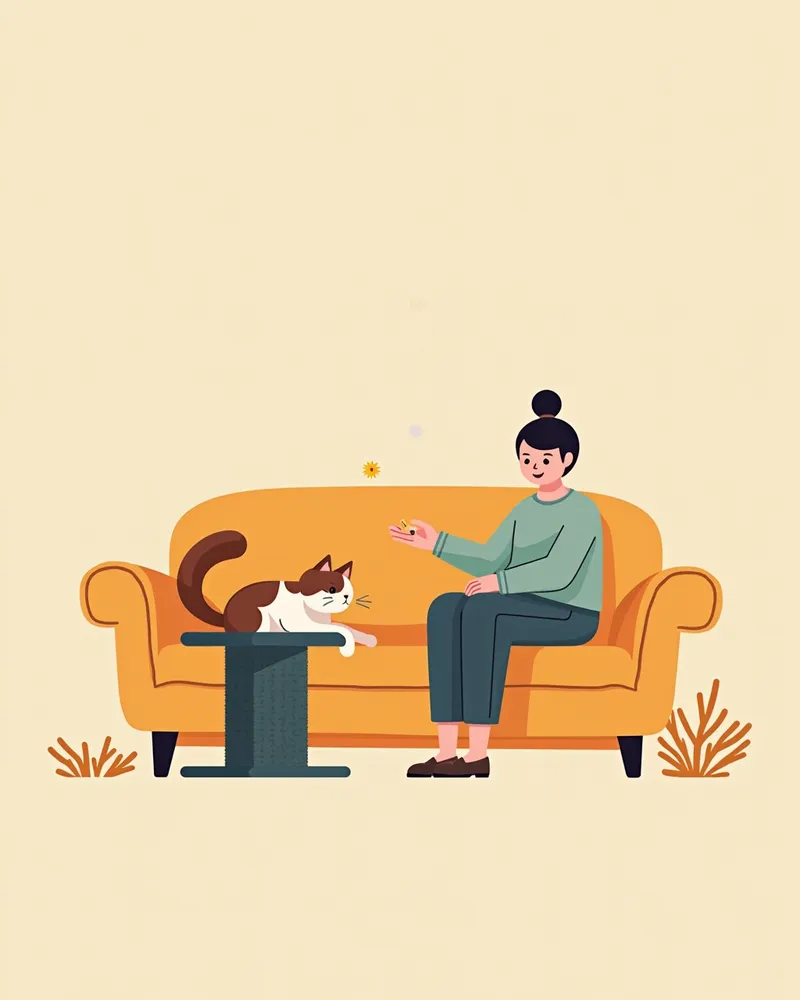
If your cat shows no interest in the new scratcher, try sprinkling catnip on it or mimicking scratching motions with your fingers. Rewarding them immediately with treats when they use it will help them get used to it quickly.
Practical Ways to Reduce Furniture Scratching
If Scratching Suddenly Increases
If your pet is suddenly scratching more than usual, it could be a sign of stress. First, check whether there have been any recent environmental changes, such as moving to a new home, adding a new family member, or introducing another animal. If excessive paw licking or hair pulling is also occurring, please consult your veterinarian.
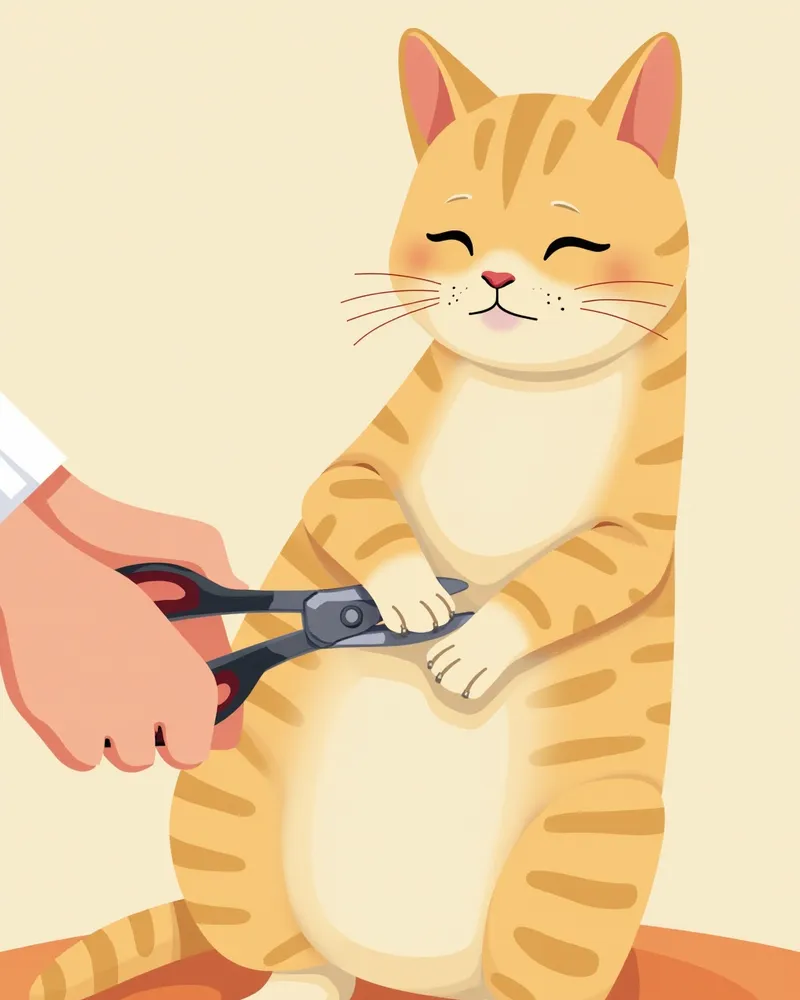
Regular Nail Care and Its Relationship to Scratching
Reviewed by a veterinarian

Dr. Tony — Punnawat Phongkittirak
VeterinarianA veterinarian who majored in veterinary medicine at Khon Kaen University, Thailand, and completed the IVSA program at North Carolina State University in the United States. Drawing on clinical experience at animal hospitals, he works in the pet healthcare field and is dedicated to building a digital care environment that connects pet parents with veterinarians.
Reviewed 2026-06-01
Frequently Asked Questions
Will declawing stop my cat from scratching?
I bought several scratching posts, but my pet doesn’t use them at all. Why might that be?
Is it normal for my pet to scratch right after waking up?
My pet only scratches the walls. What should I do?
I have multiple cats, and their scratching has gotten worse.
Share
Related Guides
7 Behavioral Enrichment Strategies for Mental Stimulation Recommended by Veterinarians

Top 5 Calming Supplements for Dogs and Cats in 2026

L-Theanine Effects and Calming Support
Frequently Asked Questions About Feline Abdominal Paracentesis (Cardiac Ascites) — Key Information for Pet Owners

If You See Something Floating in Your Dog’s Vision — Causes of Floaters and When to Visit the Vet

Dog Strabismus FAQ — Key Information Every Pet Owner Should Know

Dog Schirmer Tear Test FAQ — Key Points Every Pet Owner Should Know

If Your Dog Suddenly Loses Vision — Causes of Retinal Detachment and Emergency Response

Canine Nasolacrimal Duct Obstruction FAQ — Key Points Pet Owners Must Know

What Is Lens Luxation in Dogs? — Timing for Emergency Surgery to Prevent Blindness
References
[1] Ellis, S.L.H. (2024). A Professional's Guide to Feline Behaviour: Understanding, Improving and Resolving Problems. CABI.
[2] DePorter, T.L. & Elzerman, A.L. (2019). Common Feline Problem Behaviors: Destructive Scratching. Veterinary Clinics of North America: Small Animal Practice.
[3] Little, S. (ed.) (2023). The Cat: Clinical Medicine and Management, 2nd Edition. Elsevier.