Like
Share
멍실장
고양이 내분비 고혈압 자주 묻는 질문 Q&A — 보호자가 꼭 알아야 할 핵심

What is Feline Endocrine Hypertension? Early Detection Signs to Prevent Blindness and Kidney Failure

EndocrineQ&AMeongsiljang Veterinary Advisory Board

Feline endocrine hypertension is a common condition, and early detection and management are crucial. We’ve summarized the key information every pet owner should know.

What is Feline Endocrine Hypertension?
The anatomical structure of the adrenal cortex and blood vessels in cats
Feline endocrine hypertension is a condition in which blood pressure remains chronically elevated due to diseases of the endocrine organs that secrete hormones. Unlike in humans, hypertension in cats is most often “secondary,” meaning it occurs alongside other underlying conditions. Among endocrine causes, hyperthyroidism is the most common, while adrenal-related disorders such as primary aldosteronism and hyperadrenocorticism can also play a role. This condition is more frequently seen in older cats and can cause long-term damage to vital organs, including the heart, kidneys, eyes, and brain. - Elevated blood pressure: Persistent hypertension places strain on the heart and can lead to congestive heart failure. - Kidney damage: High blood pressure damages the blood vessels in the kidneys, leading to impaired function. - Retinal issues: Bleeding in the eye’s blood vessels or retinal detachment can result in vision loss or blindness. Early detection and consistent management are key to successful treatment. Regular check-ups are essential, even if no symptoms are present.

Why Does Feline Endocrine Hypertension Occur?

This condition arises from dysfunction in the endocrine organs that secrete hormones, leading to persistently elevated blood pressure. In cats, the most common cause of endocrine hypertension is hyperthyroidism, though other conditions such as primary aldosteronism, hyperadrenocorticism, acromegaly, and diabetes mellitus may also be involved. These hormonal imbalances can raise blood pressure by affecting blood vessels and the regulation of fluid and electrolytes. - Advanced age: The incidence increases in cats aged 9 to 10 years and older. - Obesity: Weight gain is a known risk factor for hypertension. - Concurrent underlying diseases: Hypertension often occurs alongside other conditions, such as chronic kidney disease. - Stress and situational elevation: "Situational hypertension," where blood pressure temporarily spikes during stressful events like veterinary visits, can occur. Therefore, accurate measurement and management of the cat’s daily living environment are essential.
The adrenal cortex of a cat exhibiting excessive hormone secretion

What Are the Main Symptoms of Endocrine Hypertension?
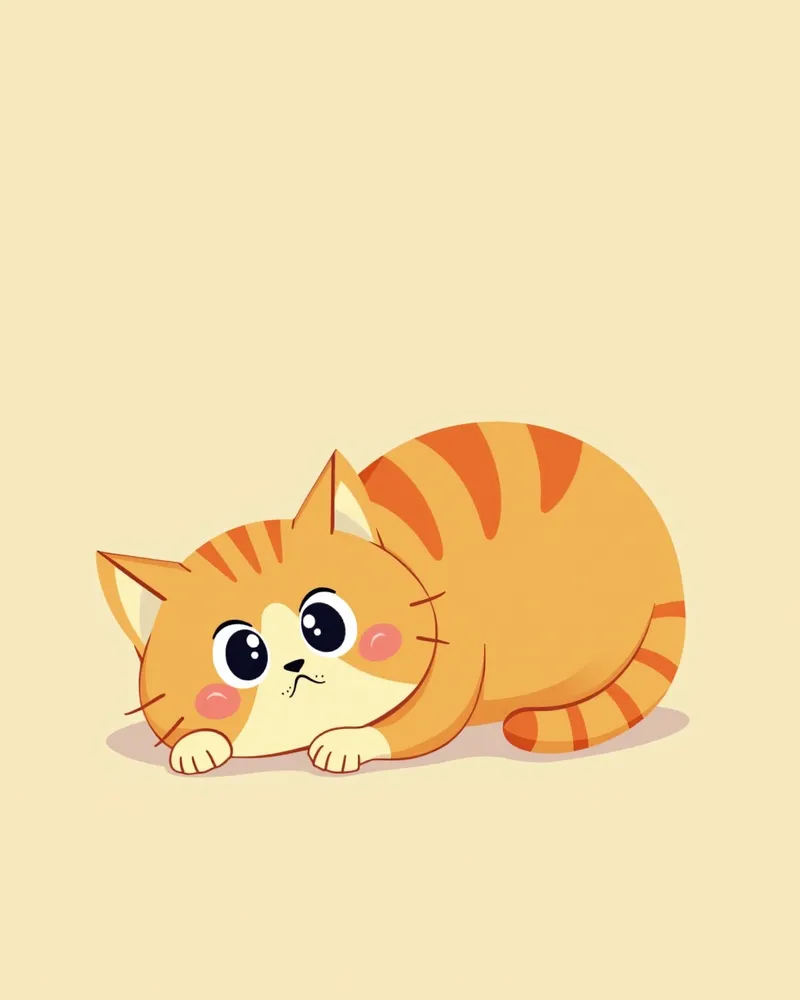
Feline endocrine hypertension often shows few obvious signs in its early stages. There are no symptoms specific to high blood pressure alone; instead, the warning signs depend on the underlying disease and any damage to target organs. If you notice any of these symptoms, consult your veterinarian immediately.
Lethargy: Your cat may show decreased energy and be less active than usual.
Vision impairment: Sudden disorientation or bumping into walls can indicate blindness caused by retinal damage.
Vomiting and loss of appetite: Depending on the underlying condition, your cat may refuse food or vomit.
Changes in drinking and urination: If kidney disease is present, your cat may drink more water and urinate more frequently.
If you observe any of these symptoms, diagnostic tests including blood pressure measurement are necessary.
A cat that has lost its sense of direction due to vision impairment

Signs Requiring Immediate Veterinary Visit

If your cat suddenly faints, becomes paralyzed on one side, or experiences a rapid decline in vision, seek veterinary care immediately. These symptoms could indicate conditions such as a brain hemorrhage or retinal detachment. The longer you wait, the more difficult recovery becomes.

How Is Endocrine Hypertension Diagnosed?
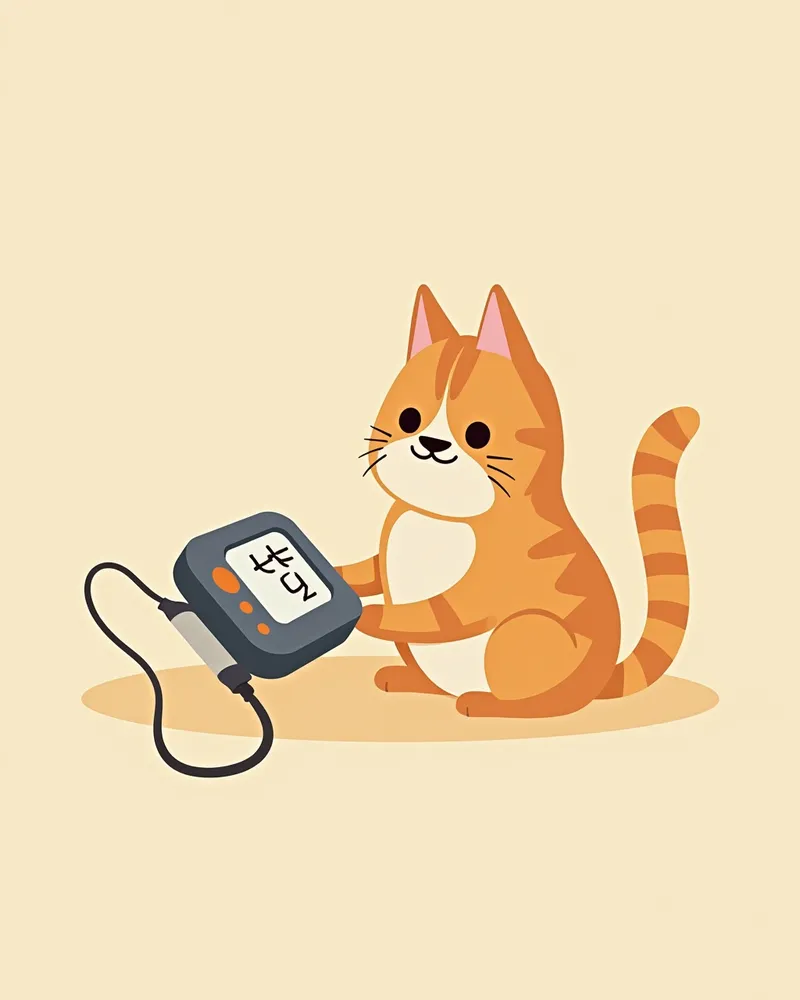
Accurate diagnosis requires a combination of several tests. - Blood pressure measurement: A cuff is wrapped around the cat’s leg or tail to measure systolic blood pressure. Systolic blood pressure exceeding 160 mmHg is considered hypertension, and this is the most fundamental first step. - Blood tests: These evaluate kidney function along with thyroid hormone (T4) levels, which are commonly assessed in cats. - Urinalysis: This checks for proteinuria and helps identify kidney damage. - Hormone tests: Depending on suspected endocrine causes, tests for thyroid, aldosterone, and adrenal cortex hormones are performed. - Imaging studies: Ultrasound is used to examine the size and structure of organs such as the kidneys and adrenal glands to identify underlying diseases. Since a single test is often insufficient for diagnosis, a comprehensive evaluation is necessary.
A veterinarian wrapping a blood pressure cuff around a cat's paw.

What Are the Treatment Methods?

Treatment is tailored to the underlying cause and specific symptoms. - Medication: Antihypertensive drugs are used to lower blood pressure, while underlying conditions such as hyperthyroidism or adrenal disease are treated concurrently. This forms the cornerstone of long-term management. - Treating Underlying Conditions: Blood pressure can only be stabilized by controlling the primary endocrine disorder. If an adrenal tumor is identified, surgical removal may be considered. - Dietary Management: Avoid excessive salt intake and manage body weight to reduce strain on the body. - Regular Check-ups: Blood pressure, along with relevant hormone and kidney function markers, should be monitored periodically. - Lifestyle Management: It is important to minimize stress and maintain a consistent daily routine. Treatment requires ongoing, long-term management rather than short-term intervention.
A veterinarian administering medication to a cat.

Comparison of Characteristics and Management by Hypertension Type

ItemCauseMain SymptomsTreatment Direction
Endocrine HypertensionEndocrine diseases such as hyperthyroidism (including adrenal disease)Lethargy, decreased vision, weight changes depending on the underlying diseaseTreat the underlying disease + antihypertensive agents
Renal HypertensionElevated blood pressure due to chronic kidney diseaseIncreased water drinking, increased urinationKidney management + blood pressure medication
Situational HypertensionTemporary rise due to stress such as hospital visitsRises only during measurement and is normal at other timesMinimize stress + confirm by re-measurement

Accurate classification of the type requires a comprehensive diagnosis by a veterinarian.

Precautions: Be Aware of Drug Interactions

If your cat is taking other medications, combining them with blood pressure medication could lead to serious side effects. Never adjust or stop any medication on your own. Always consult your veterinarian before making any changes.

Reviewed by a veterinarian

Dr. Tony — Punnawat Phongkittirak

Dr. Tony — Punnawat Phongkittirak

Veterinarian

A veterinarian who majored in veterinary medicine at Khon Kaen University, Thailand, and completed the IVSA program at North Carolina State University in the United States. Drawing on clinical experience at animal hospitals, he works in the pet healthcare field and is dedicated to building a digital care environment that connects pet parents with veterinarians.

Frequently Asked Questions

Can feline endocrine hypertension be treated?
Yes, with early diagnosis, treatment of the underlying condition, and consistent blood pressure management, the condition can be stabilized. In most cases, pets can maintain their normal daily activities.
Does endocrine hypertension only occur in cats?
No, it can occur in both dogs and cats. However, in cats, it is often associated with underlying conditions such as chronic kidney disease or hyperthyroidism, and the risk increases in older cats.
How often should blood pressure be measured?
The appropriate testing frequency depends on whether your pet is undergoing treatment or receiving preventive care, and varies according to their individual condition. It’s best to let your veterinarian determine the specific interval.
What kind of dietary management would be best?
A low-sodium diet that avoids excessive salt, along with maintaining a healthy weight, can be helpful. For the safest approach, use a prescription diet recommended by your veterinarian based on your pet’s underlying condition.
Is medication always necessary when high blood pressure develops?
The approach varies depending on blood pressure readings, underlying conditions, and symptoms. It requires managing the underlying cause alongside lifestyle adjustments, and in many cases, antihypertensive medication is necessary.

Share

Related Guides

References

[1] Taylor SS, Sparkes AH, Briscoe K, et al. ISFM consensus guidelines on the diagnosis and management of hypertension in cats. J Feline Med Surg. 2017;19(3):28-42.

[2] Brown SA, Henik RA. Diagnosis and treatment of systemic hypertension. Vet Clin North Am Small Anim Pract. 1998;28(6):1481-1494.

[3] Glaus, T.M., Elliott, J., Herberich, E. et al. Efficacy of long-term oral telmisartan treatment in cats with hypertension: results of a prospective European clinical trial. J Vet Intern Med. 2019;33:413-422.

This information is based on veterinary literature and does not replace diagnosis or treatment. Please consult a veterinarian for specific health concerns.

Metapet Co., Ltd. | CEO: Park Sung-yong | Business Reg. No. 417-88-02562 | Seoul, South Korea | Customer Center

Feline Endocrine Hypertension: Prevent Blindness & Kidney Failure | Meongsiljang