Like
Share
멍실장
강아지가 나만 졸졸 따라다니는 이유

Why Your Dog Follows You Around Everywhere

ImmunityQ&AMeongsiljang Veterinary Advisory Board

It’s completely natural for dogs to follow their owners around, driven by a mix of attachment and pack instincts. However, it’s important to distinguish this behavior from signs that could indicate separation anxiety.

Why Does My Dog Follow Me Around Everywhere?
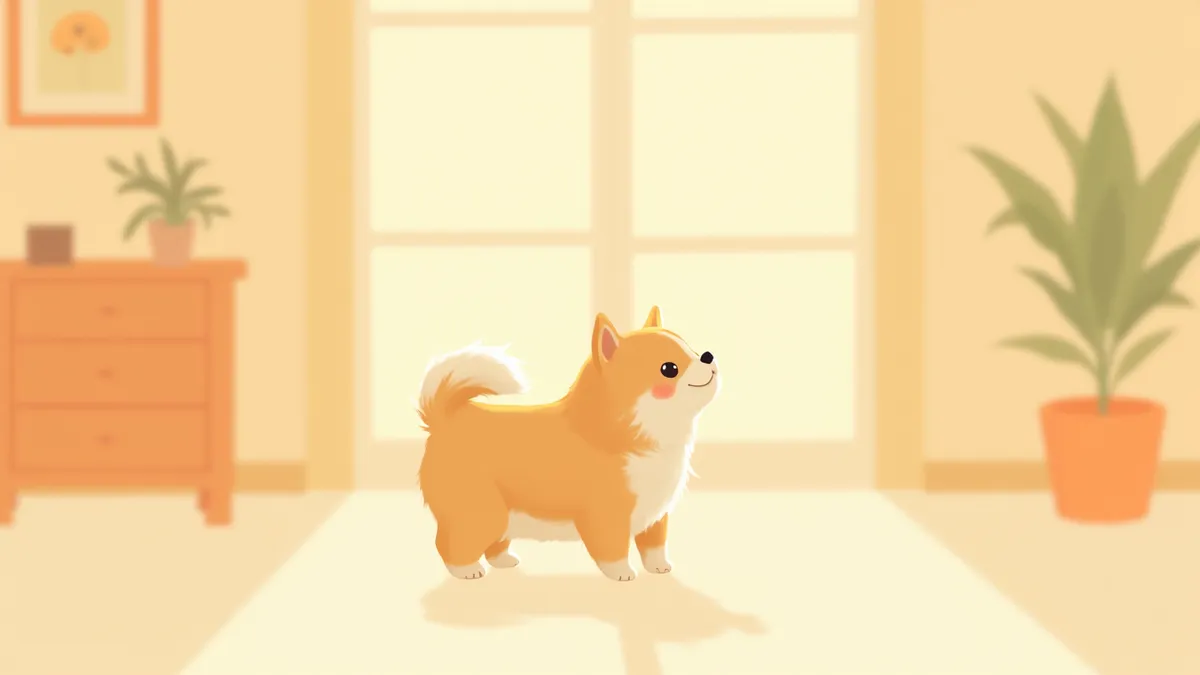
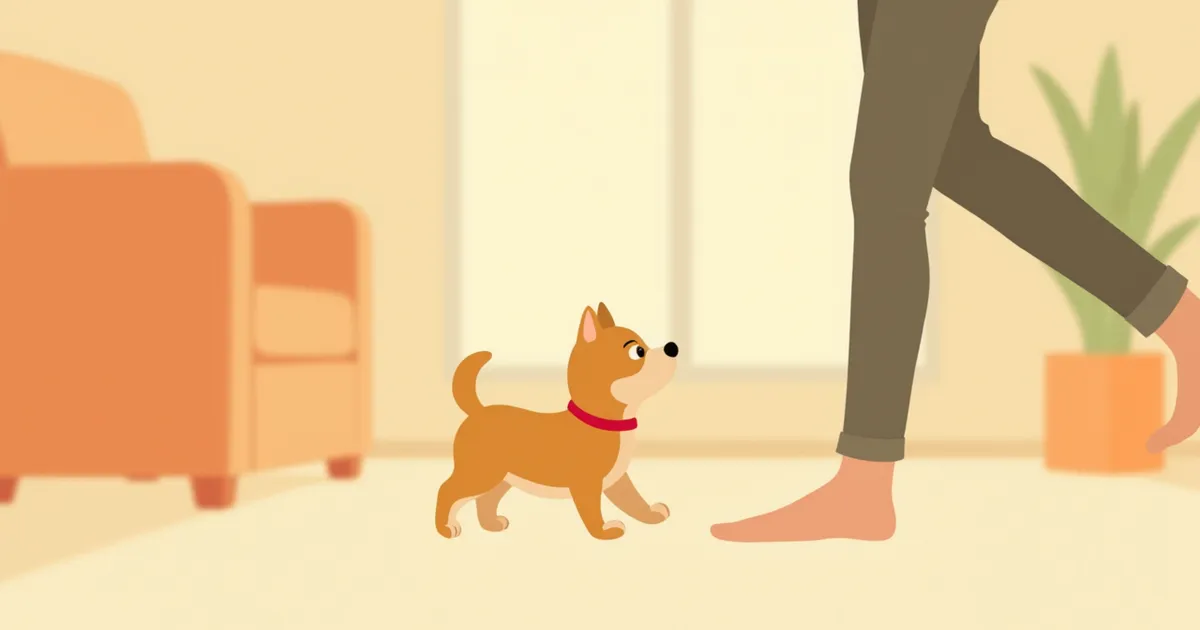
A puppy looking up at its owner with soft, gentle eyes and following along
Dogs following their owners around is a natural social behavior that stems from their attachment to you and the learned association that staying close leads to positive outcomes. Veterinary textbooks note that strong attachment itself isn’t necessarily problematic, so most cases of following are normal and nothing to worry about. The key is distinguishing whether your dog becomes anxious when left alone. If your dog’s tail is relaxed and their eyes are soft while following you, it’s likely just an expression of affection. However, if they start panting, barking, or having accidents the moment you’re out of sight, it could be a sign of separation anxiety.

5 Reasons Why Dogs Follow Their Owners Around

In veterinary behavioral science, we view the tendency to follow owners not as the result of a single cause, but rather as a combination of multiple factors.
Attachment instinct: Pets perceive their owners as a source of safety and support, which makes them want to stay close.
Curiosity: They may simply be observing to see what you will do next.
Learned behavior: If following you has previously resulted in treats, walks, or playtime, they are likely to repeat the behavior.
Anxiety and stress: Owners often serve as a "secure base," making it difficult for pets to leave their side. Separation-related issues typically stem from a complex mix of frustration, general anxiety, and isolation stress.
Individual differences: There is no established consensus that specific breeds are more prone to separation anxiety. Even within the same breed, the degree of human dependence varies based on individual temperament, past experiences, and environment.

Normal Attachment vs. Separation Anxiety

ItemNormal AttachmentWarning SignsSeparation Anxiety
Intensity of followingSometimes takes a breakAlmost always stuck by your sideCannot be even 1m apart
When left aloneRests comfortablySlight whiningBarking, destruction, house-soiling
When you prepare to go outIndifferentSlightly tensePanting, drooling
Reaction on your returnHappy tail waggingExcitement lasts a long timeHyperventilation, urination accidents
Need for improvementFalseTrueTrue

If signs are worse than the warning level, training or a veterinary consultation is recommended

How to Tell If It’s Affection or Anxiety

Even when a dog follows you around, its emotions can vary depending on its body language. If its tail sways gently and its eyes are half-closed in a relaxed expression, it’s likely showing affection. On the other hand, if its ears are pinned back, the whites of its eyes are visible, or it’s trembling, panting, and repeatedly licking its lips, it may be feeling anxious. In particular, whining in front of a closed bathroom door or becoming sensitive during the early stages of your departure—such as when you’re changing clothes or gathering your keys—could be a sign that anticipatory anxiety is beginning. Since textbooks also note that excessive reactions to departures and returns can be clues to separation-related issues, it’s important to pay close attention to these behaviors.
A puppy lying comfortably at its owner's feet

Signs That May Indicate Separation Anxiety

If several of the following signs overlap or persist for an extended period, they may not simply be expressions of affection. - The dog trembles or pants when the owner is near the front door. - Prolonged barking or howling occurs when left alone. - Chewing on doors, walls, or its own paws leads to self-injurious destruction. - A house-trained dog only has accidents when left alone. - Appetite decreases, or the dog only eats in the owner’s presence. These behaviors are commonly seen in separation anxiety, but similar signs can also appear with pain or other medical conditions. If the behavior change is sudden, rule out medical causes first. Instead of scolding, pursue behavior modification training and consult a veterinarian.

Daily Strategies to Foster Healthy Attachment
There’s no need to stop your dog from following you around. The key is to help them build positive experiences that being alone is safe.
Practice short separations: Gradually increase the time apart, starting with 1 minute, then 5 minutes, then 10 minutes.
Simplify your departure routine: Desensitize your dog to cues that signal you’re leaving, such as changing clothes or jingling keys.
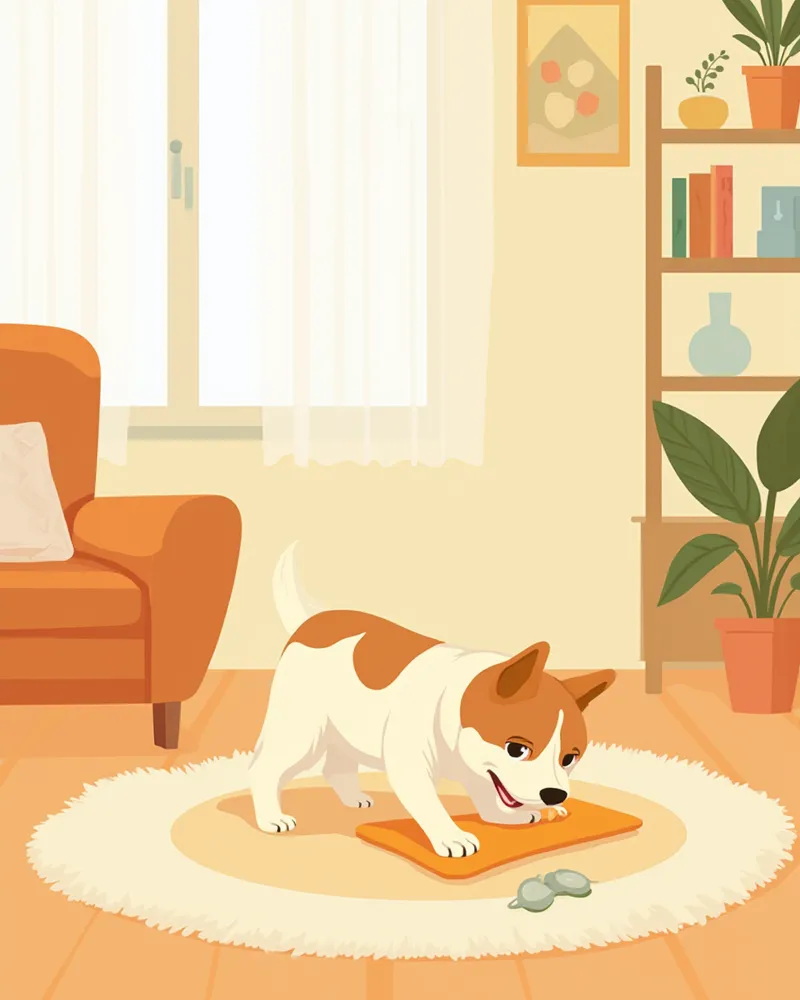
Provide solo play: Use tools like snuffle mats or treat-dispensing toys to create enjoyable, independent sniffing and licking activities.
Keep greetings calm: When leaving or returning, don’t ignore your dog, but keep interactions low-key to avoid ramping up their excitement. Excessive attention can actually increase anxiety.
Designate a safe space: Train your dog to view their favorite bed or crate as a comfortable place to relax, even when alone.
A dog happily playing alone with a nosework mat

Is It Related to Immune Function?

Chronic anxiety can elevate stress hormones like cortisol, weakening your dog’s immune system. According to veterinary internal medicine textbooks, dogs under chronic stress are more susceptible to infections, skin issues, and digestive problems. On the other hand, a secure attachment bond helps lower heart rate and cortisol levels, supporting healthy immune function. Therefore, it’s important from a health perspective to distinguish whether your dog follows you closely out of comfort or out of anxiety.

Key Considerations by Breed and Age

In certain situations, a dog’s tendency to follow you around can suddenly intensify. - Senior dogs: As vision and hearing decline, they may seek their owner’s company more often. This can also be an early sign of cognitive dysfunction (canine dementia). - Early adoption period: When a young puppy is first separated from its mother and littermates, some level of separation stress is normal. Therefore, following you around is natural during the initial phase of forming a bond. - Life changes: Environmental or routine shifts, such as moving house or changes in the owner’s work schedule, can temporarily increase dependency. Some studies also suggest a link between neutering status and the occurrence of separation-related issues. - Breed: There is no definitive consensus on which breeds are particularly vulnerable to separation anxiety. Individual temperament, experiences, and environment tend to play a more significant role than breed. If your dog’s following behavior has suddenly worsened compared to its usual pattern, it could be a sign of an underlying health issue, so it’s important to check.

Reviewed by a veterinarian

Dr. Tony — Punnawat Phongkittirak

Dr. Tony — Punnawat Phongkittirak

Veterinarian

A veterinarian who majored in veterinary medicine at Khon Kaen University, Thailand, and completed the IVSA program at North Carolina State University in the United States. Drawing on clinical experience at animal hospitals, he works in the pet healthcare field and is dedicated to building a digital care environment that connects pet parents with veterinarians.

Frequently Asked Questions

Is it normal for my puppy to follow me to the bathroom?
Yes, this is mostly normal. Dogs that form a strong bond with their owners often dislike being out of sight, so they follow you around. However, if your dog scratches at the door or howls excessively when it’s closed, it could be an early sign of separation anxiety.
Will my pet feel hurt if I ignore them when they follow me around?
Don’t feel bad about it. In fact, if you respond to every behavior, your pet will learn that “following you = reward,” which can increase their dependence on you. Instead, stay calm in everyday interactions and praise them when they’re resting alone—this helps build a healthy attachment.
My pet has suddenly started following me around much more than usual. Should I take them to the vet?
If behavioral changes persist for more than one to two weeks and are accompanied by alterations in appetite, elimination, or activity levels, a veterinary visit is necessary. Medical causes such as pain, vision loss, or cognitive dysfunction must be ruled out first.
Can it be corrected through training?
Yes, most cases improve with gradual desensitization and counterconditioning training. However, severe separation anxiety may require integrated medication and behavior therapy from a veterinary behavior specialist.
Does having multiple pets reduce separation anxiety?
It may help, but there’s no guarantee. If your dog’s attachment is focused on you specifically, they may still feel alone even with another dog around. The key to a lasting solution is helping them develop positive associations with being alone.

Share

Related Guides

References

[1] Horwitz D, Mills D, BSAVA Manual of Canine and Feline Behavioural Medicine, 2nd Edition, 2009

[2] Landsberg G, Hunthausen W, Ackerman L, Behavior Problems of the Dog and Cat, 4th Edition, 2023

[3] Overall KL, Manual of Clinical Behavioral Medicine for Dogs and Cats, 2013

This information is based on veterinary literature and does not replace diagnosis or treatment. Please consult a veterinarian for specific health concerns.

Metapet Co., Ltd. | CEO: Park Sung-yong | Business Reg. No. 417-88-02562 | Seoul, South Korea | Customer Center

Why Your Dog Follows You Everywhere & Separation Anxiety | Meongsiljang