Like
Share
멍실장
보호소 입양 면담 질문 체크리스트

Checklist of Essential Questions for Shelter Adoption Interviews

ImmunityQ&AMeongsiljang Veterinary Advisory Board

Here’s a practical checklist of essential questions to ask during a pre-adoption interview, covering the animal’s health, personality, and background.

What Is a Shelter Adoption Interview?

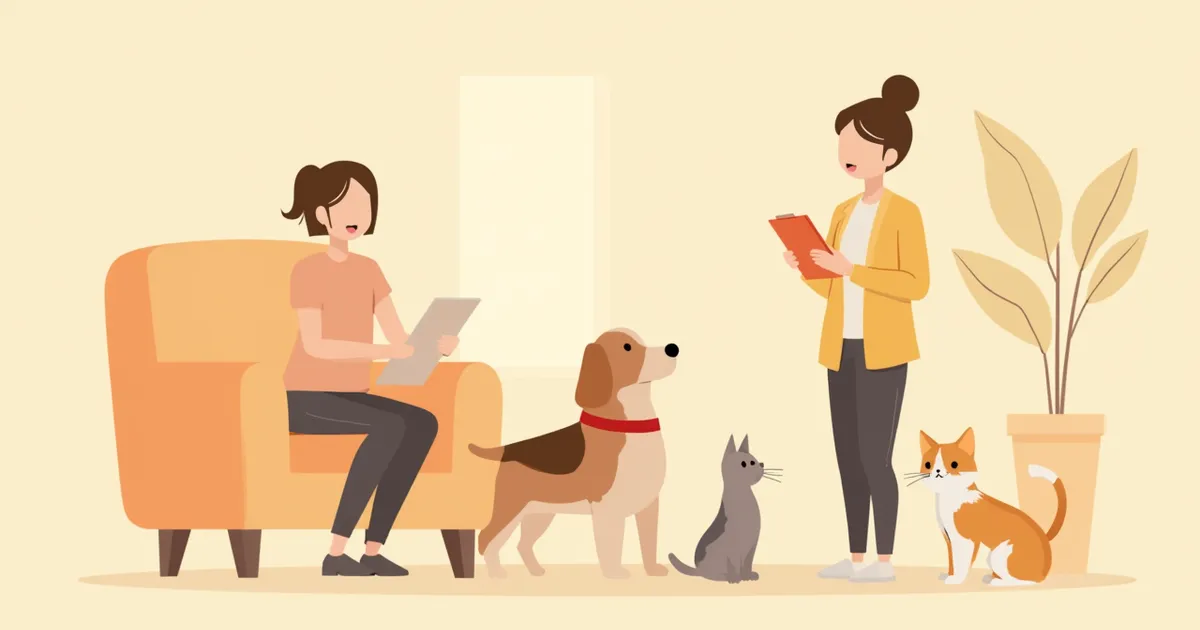
A shelter staff member and a prospective adopter review documents during a consultation.
Shelter adoption interviews are a preliminary consultation process where you review the health, personality, and background of a surrendered or rescued pet with shelter staff before bringing them home. The most crucial aspect is ensuring a good match. The longer a pet has stayed in the shelter, the more likely hidden health or behavioral issues may have developed. Without thorough questioning beforehand, the risk of returning the pet during the adjustment period increases significantly.

What Adopters Should Prepare Before the Interview

Before your consultation, take an honest look at your home environment. Prepare specific details: the number of people in your household, any pets you already have, the average number of hours per day you’re away from home, whether you have a yard or an elevator, and your monthly budget cap for veterinary care. Shelter staff will use this information to recommend a dog whose personality is a good fit for your lifestyle. If the information is vague, the matching process will be imprecise, which can ultimately lead to difficulties for both the dog and the adopter.

Essential Questions Regarding Health History
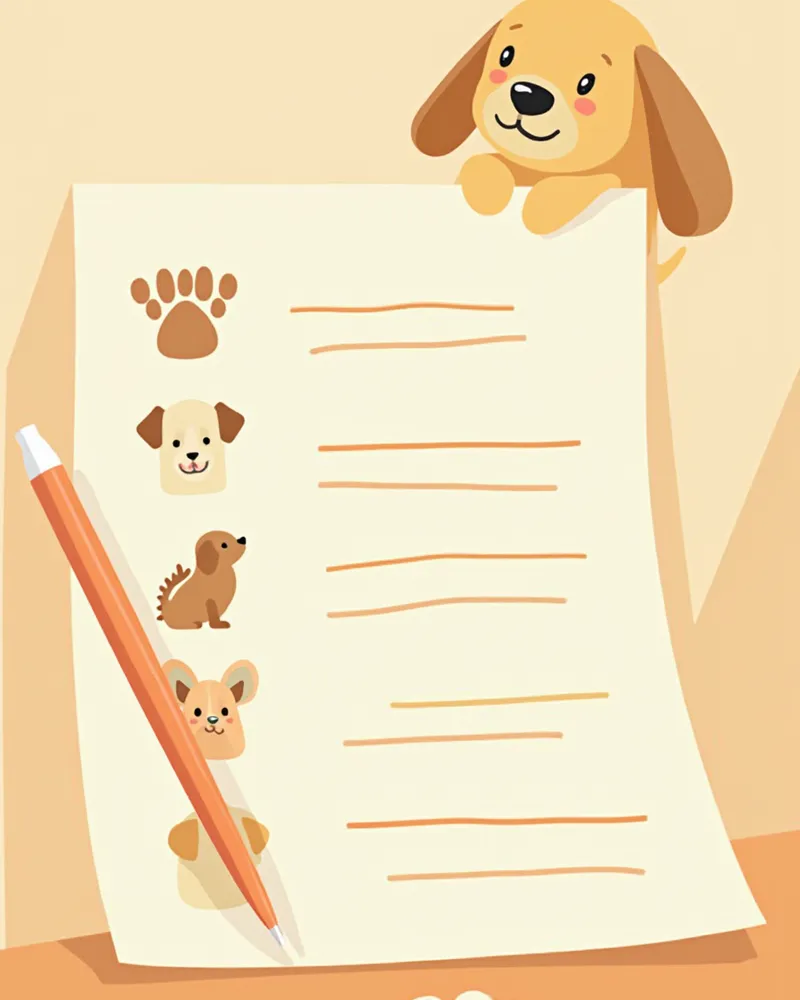
When it comes to health-related questions, I ask for detailed records rather than brief answers. - Admission date and reason: Whether the pet was abandoned, rescued, or surrendered. - Health check-up records: Actual test results for blood, feces, heartworm, and viral screenings. - Vaccination history: Number of doses, dates of administration, and the next scheduled vaccination date. - Spay/neuter status: Surgery date and recovery condition. - Current medications: Drug names, dosages, and duration of use.
A desk with vaccination records and health check-up documents, and a puppy's paw

Adopting Without These Documents Is Risky

At a minimum, you should verify the physical copies of the animal registration certificate, vaccination records, and recent health check-up results, and take photos of them. If you adopt a pet based solely on verbal assurances that it is healthy, you may later discover infectious diseases such as canine parvovirus infection (parvo), canine distemper, or panleukopenia. If you already have pets at home, the costs for isolation and retesting can be surprisingly high, so it is crucial to verify these documents in advance.

Questions Regarding Personality and Behavior
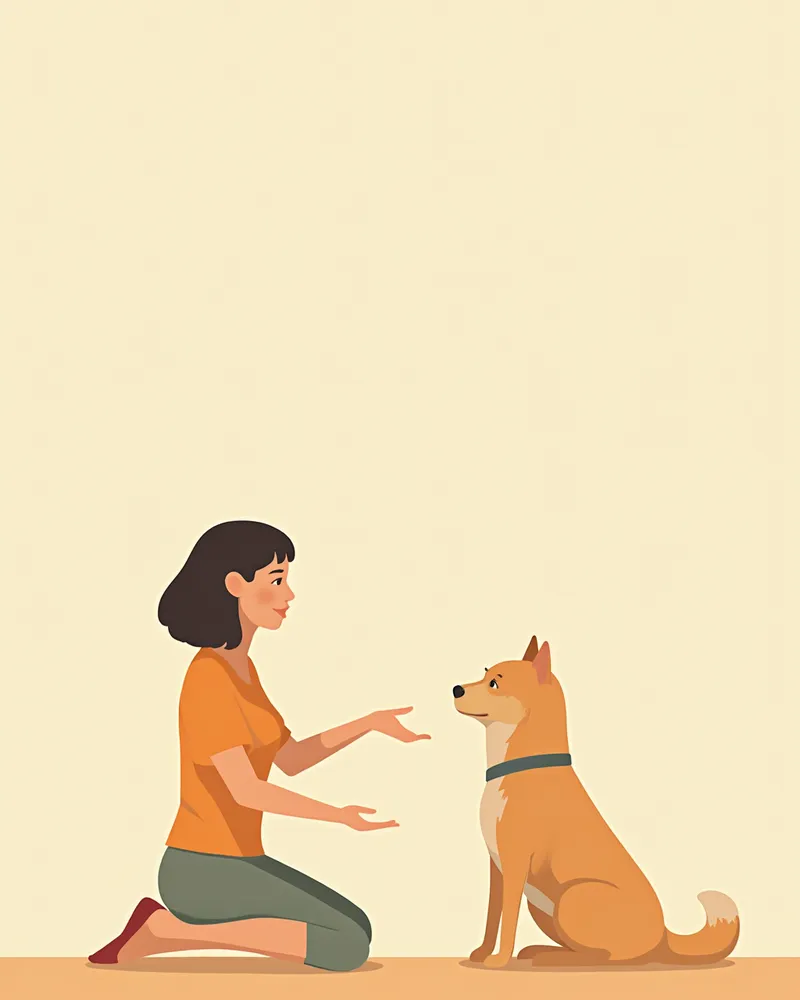
Instead of labeling a dog’s personality with a simple score, ask about its specific reactions in different situations. Inquire how the dog responds when a stranger enters, when encountering another dog on a walk, when touched during mealtime, when left alone at home, and during grooming tasks such as bathing, brushing, or nail trimming. It is essential to verify any history of aggression (biting or growling), signs of separation anxiety (barking or destructive behavior), and noise phobias. However, veterinary behavioral research indicates that temperament assessments collected in shelter environments have a high false-positive rate, making it difficult to accurately predict actual behavior in a home setting. While shelter-provided information serves as a valuable reference, it is advisable to directly observe the dog’s reactions in its new home environment after adoption and consult a veterinary behaviorist if needed.
A stray dog cautiously approaching a volunteer in the shelter’s playroom

Must-Ask Items vs. Optional Questions

ItemEssential QuestionsRecommended QuestionsOptional Questions
HealthOriginal vaccination/checkup documentsPast surgery/hospitalization historyFood allergy records
BehaviorAggression/biting historySeparation anxiety/destructive behaviorReaction to bathing/grooming
BackgroundReason and date of intakePrevious owner's environmentPreferred toys
Return PolicyReturn period and conditionsPost-adoption consultation supportRegular wellness updates

For essential questions, it is safest to confirm with a written answer or documentation.

Questions Regarding Background and Past History

The environment in which a dog lived before arriving at the shelter significantly influences how quickly they adjust to their new home. - Previous household composition: Whether they lived with children, elderly individuals, or other animals. - Living space: Whether they were primarily indoor dogs or spent time outdoors in a yard. - Training history: Whether they were house-trained and had experience walking on a leash. - Reason for relinquishment or abandonment: Whether it was due to moving, allergies, or behavioral issues. The more honest the information provided, the more realistically we can tailor the adjustment plan for the first week.

Rethink If Answers Are Evasive or Frequently “I Don’t Know

If the shelter is trustworthy, they’ll honestly say “I don’t know” when they’re unsure and share as much information as possible about the animal’s condition upon arrival. However, if you repeatedly receive vague answers to key health or behavior questions, or if they refuse to let you review documentation, it’s worth reconsidering whether the facility is reliable. A good match begins with the shelter’s transparency.

Practical Questions for Post-Adoption

Bringing your pet home isn’t the end—it’s just the beginning. - Current food brand and feeding amount: Sudden changes in diet can stress your pet’s digestive system, so it’s safer to know what they’re currently eating and transition gradually. - Familiar litter pads or litter: Starting with the same products can help reduce accidents. - Favorite toys or blankets: Bringing along familiar items can ease the adjustment to their new environment. - Veterinarian’s contact information: This allows us to continue managing their medical records seamlessly. - Return policy and aftercare support: Make sure you know who to contact if any issues arise.
A guardian preparing a cozy space for a rescued dog that has just arrived home.

Reviewed by a veterinarian

Dr. Tony — Punnawat Phongkittirak

Dr. Tony — Punnawat Phongkittirak

Veterinarian

A veterinarian who majored in veterinary medicine at Khon Kaen University, Thailand, and completed the IVSA program at North Carolina State University in the United States. Drawing on clinical experience at animal hospitals, he works in the pet healthcare field and is dedicated to building a digital care environment that connects pet parents with veterinarians.

Frequently Asked Questions

Can I fill out the questionnaire in advance before the consultation?
In fact, they’re welcomed with open arms. Shelters trust prepared adopters, so bringing a concise one-page summary makes the consultation much smoother.
Should you give up if the shelter says they don’t know the answer?
No, that’s not the case. It’s often difficult to know the full medical history of rescued or adopted animals. What truly matters is whether the shelter or rescue organization acknowledges these unknowns and shares detailed observation records after the animal’s intake.
I was told my pet’s health checkup results were good, but I haven’t received the paperwork. Is that okay?
Even if you don’t have the original documents, it’s safer to keep copies or photos. When your pet needs to be re-examined at a veterinary clinic later, having those records will help ensure an accurate assessment.
During consultations, we ask quite detailed questions about your current pets. Could this be considered intrusive?
No need to apologize. This process is designed to increase the success rate of matching, so the more honestly you share your current pet's personality and health status, the better.
Is one consultation enough?
We recommend visiting two to three times and including walk and play tests. It’s difficult to fully assess a puppy’s true temperament in just one meeting.

Share

Related Guides

References

[1] Horwitz D, Ciribassi J, Dale S. Decoding Your Dog: The Ultimate Experts Explain Common Dog Behaviors and Reveal How to Prevent or Change Unwanted Ones, American College of Veterinary Behaviorists, 2014

[2] Beaver BV. Feline Behavior: A Guide for Veterinarians, 2nd Edition, Saunders, 2003

[3] Landsberg G, Hunthausen W, Ackerman L. Behavior Problems of the Dog and Cat, 3rd Edition, Saunders, 2013

[4] American College of Veterinary Behaviorists. Veterinary Guide to Preventing Behavior Problems in Dogs and Cats, Wiley-Blackwell, 2024

This information is based on veterinary literature and does not replace diagnosis or treatment. Please consult a veterinarian for specific health concerns.

Metapet Co., Ltd. | CEO: Park Sung-yong | Business Reg. No. 417-88-02562 | Seoul, South Korea | Customer Center

Shelter Adoption Interview: Essential Questions Checklist | Meongsiljang