

Introduction to Pet-Related Professions
The term "pet-related professions" refers to all specialized careers involved in caring for pets and managing their health, training, grooming, and behavior. We’ve compiled a guide covering 10 key roles—from veterinarians and trainers to pet sitters and funeral directors—along with the qualifications and pathways needed to enter each field.
What Are Pet-Related Professions?

Why Is Interest in Pet-Related Professions Growing?
Comparison of 10 Pet-Related Professions at a Glance
| Item | Veterinarian | Veterinary technician | Dog trainer |
|---|---|---|---|
| Required qualification | National license (6-year program) | Certification (2–4-year program) | Private certification |
| Entry difficulty | Very high | Moderate | Low to moderate |
| Typical work setting | Animal hospitals & universities | Animal hospitals | Training centers & on-site visits |
| Direct animal treatment | True | False | False |
Summary of the three main occupations by domestic standards — see each occupation in the sections below for details
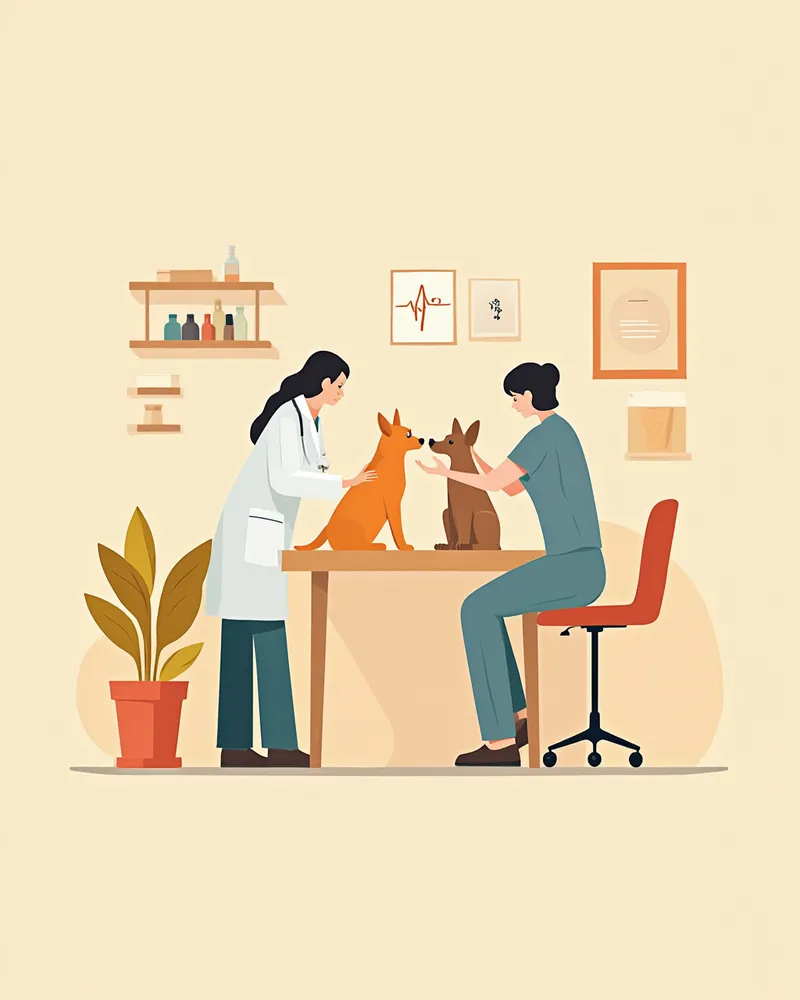
Medical Field: Veterinarians and Veterinary Technicians
Training and Behavior Field: Pet Trainers and Behavior Specialists
What to Check Before Choosing a Pet-Related Profession
Among private certifications, many are issued by unclear organizations or involve excessively short training periods. Before registering, be sure to verify the certification’s registration status and issuance requirements through the Korea Research Institute for Vocational Education and Training’s Private Certification Information Service. Additionally, physically demanding roles such as dog training, grooming, and pet sitting carry risks of back and wrist injuries, as well as high levels of emotional labor. Since it often takes one to three years or more to achieve profitability, it’s advisable to plan for initial capital and career management from the start.
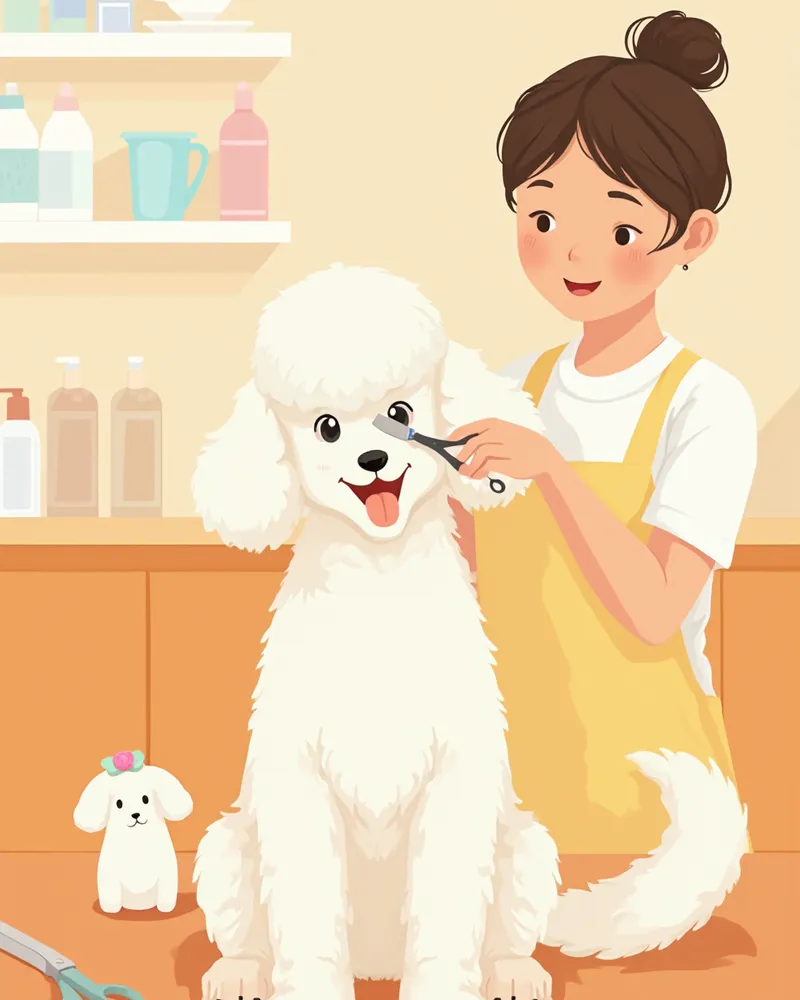
Care and Service Field: Pet Groomers, Pet Sitters, and Hoteliers
Nutrition, Counseling, and Funeral Fields: Emerging New Professions
Self-Care Is Essential for Long-Term Tenure
Veterinary and pet-care professionals are widely recognized as being at high risk for compassion fatigue and burnout. Even textbooks on veterinary emergency and critical care recommend consistent self-care practices, such as mindfulness-based stress reduction, self-compassion, and maintaining connections with colleagues. Establishing personal routines that include exercise, adequate sleep, psychological counseling, and peer support networks is key to sustaining a long career. For those working in emergency and critical care, we especially recommend making regular psychological counseling and ongoing engagement with mental health professionals a standard part of your routine.
Reviewed by a veterinarian

Dr. Tony — Punnawat Phongkittirak
VeterinarianA veterinarian who majored in veterinary medicine at Khon Kaen University, Thailand, and completed the IVSA program at North Carolina State University in the United States. Drawing on clinical experience at animal hospitals, he works in the pet healthcare field and is dedicated to building a digital care environment that connects pet parents with veterinarians.
Reviewed 2026-04-28
Frequently Asked Questions
Can someone with a liberal arts background pursue a career in the pet industry?
What is the highest-paying job in the pet industry?
If you love animals, can you pursue a career in the pet industry?
As a student, what should I start preparing for now?
Can I start a business in a pet-related profession?
Share
Related Guides

Primary vs. Secondary Veterinary Hospitals: A Comparison
5 Easy-to-Raise Cat Breeds for First-Time Owners — Grooming Difficulty Comparison

Top 7 Short-Legged Dog Breeds

Pet Food Expiration Date and Use-By Date: How Long Can You Feed It After Opening?

How to Store Pet Food and Prevent Rancidity: Keep Nutrients Alive

Freeze-Dried vs. Cooked vs. Dry Food: Which Is Right for Your Pet?

Scheduled Meals vs. Free-Feeding: Tailored Feeding Methods Based on Obesity and Digestion

How to Read Pet Food Labels (Guaranteed Analysis & Ingredient Order)

Dog Coat Types (Short, Long, Curly)

The Ultimate Guide to Dog Paw Shapes (Cat Feet and Hare Feet)
References
[1] Small Animal Critical Care Medicine, 3rd Ed — Chapter on Veterinary Wellness and Professional Careers
[2] Assessing Essential Skills of Veterinary Technology Students, 4th Edition (Colville & Bassert)
[3] 농림축산식품부, 반려동물 연관산업 분류 및 직업 현황 자료 (2023)