

Cat Ureteral Bypass Surgery (SUB) FAQ — Key Information Every Pet Owner Should Know
A ureteral bypass surgery (SUB) is a procedure performed to protect the kidneys when a cat’s ureter becomes blocked. Here’s a summary of the key information every pet owner should know.
What is Cat Ureteral Bypass Surgery (SUB)?
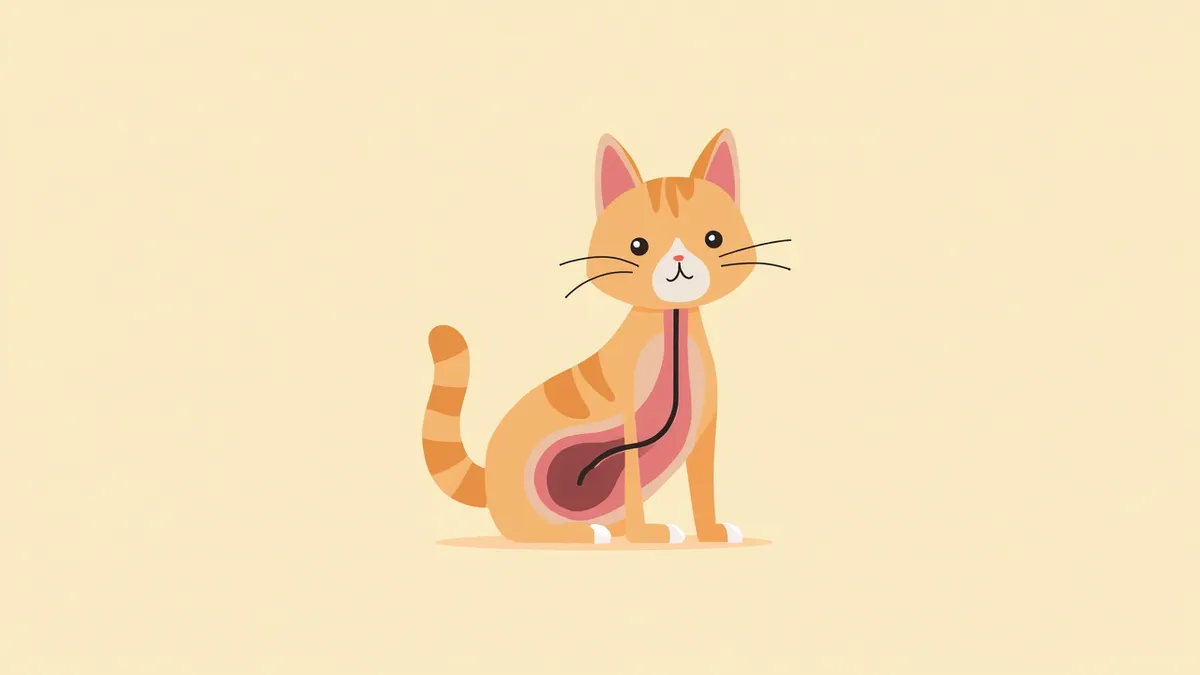
Why is Ureteral Bypass Surgery Necessary?

What are the Main Indications for SUB Surgery?

5 Post-Surgery Care Points

Signs Requiring Immediate Veterinary Visit
Seek immediate veterinary care if you notice a strong odor, discharge, or pus around the surgical site or subcutaneous port; swelling or pain in the area; loss of appetite or repeated vomiting; or a decrease in urine output or changes from your cat’s normal pattern. These symptoms may indicate an infection or a blockage or malfunction of the implanted device.
What are the Possible Post-Surgery Complications?

SUB Surgery vs. Ureteral Stent: Comparison Table
| Item | SUB surgery | Ureteral stent |
|---|---|---|
| Indications | Chronic/recurrent ureteral obstruction, cases with high risk of kidney damage | Cases requiring decompression of ureteral obstruction |
| Procedure duration | A relatively intricate surgery that places a catheter and a subcutaneous port under general anesthesia | A relatively less invasive procedure using fluoroscopy and similar imaging |
| Device retention period | Used long-term with the goal of permanent retention | Long-term retention is difficult, so replacement is often needed |
| Infection risk | Complications such as infection and mineral deposition can occur, so regular management is needed | In cats, there are risks of complications such as stone deposition, uroabdomen, and cystitis |
| Need for reoperation | Device replacement may be needed due to mineral deposition, etc., so regular management is needed | In cats, the replacement rate is relatively high (about 27–44%) |
SUB surgery aims at long-term kidney protection but requires regular management, while stents are relatively commonly replaced in cats. For both methods, outcomes are influenced by the operator's skill, and long-term follow-up data are still limited.
Post-Surgery Daily Care Tips

Reviewed by a veterinarian

Dr. Tony — Punnawat Phongkittirak
VeterinarianA veterinarian who majored in veterinary medicine at Khon Kaen University, Thailand, and completed the IVSA program at North Carolina State University in the United States. Drawing on clinical experience at animal hospitals, he works in the pet healthcare field and is dedicated to building a digital care environment that connects pet parents with veterinarians.
Reviewed 2026-06-29
Frequently Asked Questions
Is the SUB procedure very painful for cats?
What should I do if my cat licks the surgical site after surgery?
Does the SUB device last for a lifetime?
My cat has no appetite after surgery. Is this normal?
Can a cat experience a recurrence of urethral obstruction after a SUB procedure?
Share
Related Guides

Top 5 Prescription Diets for Feline FLUTD — Comparison by Struvite and Calcium Oxalate Stones

Top 7 Prescription Diets for Feline Bladder and Urinary Tract Health Recommended by Veterinarians — Including Selection Criteria

Top 5 Cranberry Urinary Supplements for Dogs — Preventing Cystitis

Is hiking with your pet okay? — Safety rules to check before heading out

Can You Go Camping with Your Pet? A Safety Guide from Preparation to Emergency Response

Our Child Has Lost a Companion — How to Help the Remaining Pet Through Grief

Compulsive Behaviors (Tail-Chasing, Licking) Deep Dive

Can Pets Get PTSD? — Post-Traumatic Stress Symptoms and Behavioral Therapy

Lethargy vs. Fatigue vs. Illness in Dogs and Cats: How to Tell the Difference?

How to Check Your Dog’s Paws at Home — Warning Signs and What to Do
References
[1] Berent, A.C. (2011). Ureteral obstructions in dogs and cats: a review of traditional and new interventional diagnostic and therapeutic options. J. Vet. Emerg. Crit. Care, 21(3), 257–268.
[2] Kruger, J., Osborne, C., Goyal, S. et al. (1991). Clinical evaluation of cats with lower urinary tract disease. J. Am. Vet. Med. Assoc., 199(2), 211–216.
[3] Feline Emergency and Critical Care Medicine, 2nd Ed. (2011). Chapter on ureteral obstruction management. Elsevier Health Sciences.