Like
Share
멍실장
고양이 타우린 결핍 심근병증 자주 묻는 질문 Q&A — 보호자가 꼭 알아야 할 핵심

What is Feline Taurine-Deficient Cardiomyopathy? — Dietary Management and Recovery Potential

HeartQ&AMeongsiljang Veterinary Advisory Board

Feline taurine-deficient cardiomyopathy is a condition characterized by impaired heart function due to taurine deficiency, making early detection and supplementation crucial. We’ve compiled the essential information every pet owner should know.

What is Feline Taurine-Deficient Cardiomyopathy?
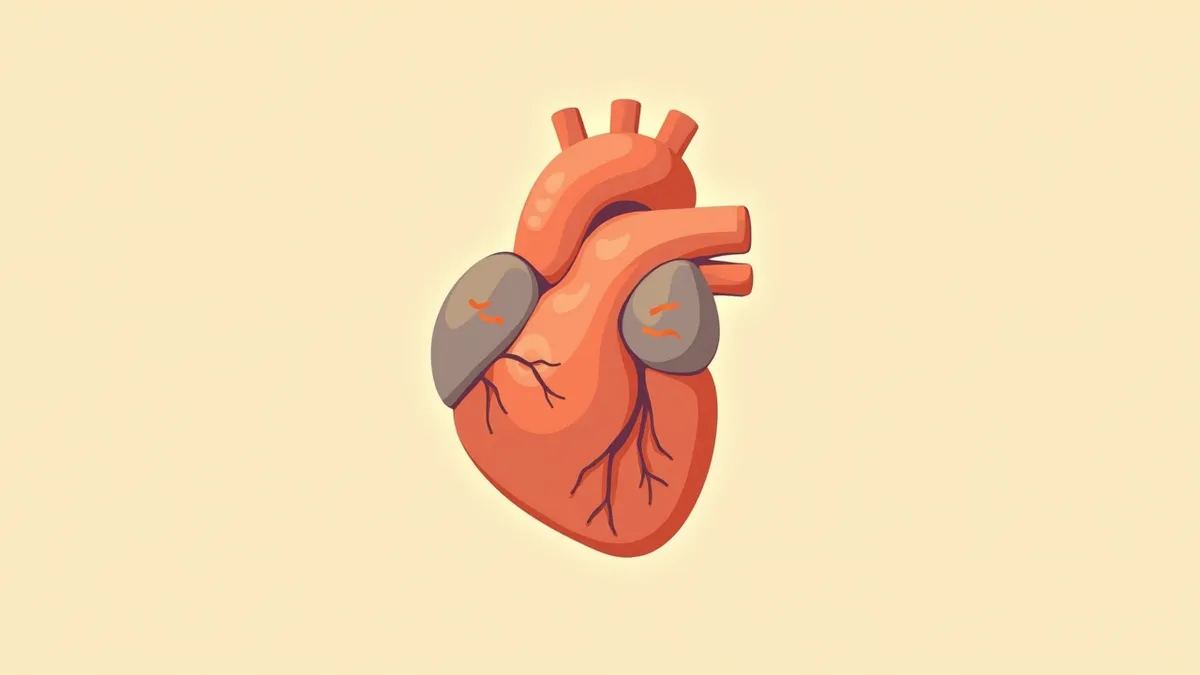
An anatomical diagram of a cat's heart with dilated cardiomyopathy
Feline taurine-deficient cardiomyopathy is a serious condition in which the heart muscle weakens and the heart—particularly the left ventricle—dilates due to insufficient taurine. As the left ventricle’s contractility declines, it can no longer pump blood effectively, potentially leading to heart failure. However, this form has become relatively rare since taurine has been routinely supplemented in commercial cat foods. - Taurine deficiency: Cats have limited ability to synthesize taurine endogenously, so it must be provided through their diet. - Impaired cardiac function: Taurine deficiency causes the left ventricle to dilate and weaken, resulting in a heart with compromised pumping function. The exact mechanism by which taurine deficiency triggers heart failure remains incompletely understood. - Importance of early detection: Taurine levels can be low even before clinical signs appear, making regular veterinary check-ups essential. - Prevention and treatment: Ensuring adequate taurine intake and initiating supplementation early are key to management.

Why is Taurine Essential for Cats?

Cats cannot synthesize sufficient taurine on their own, so they must obtain it through their diet. Their ability to produce taurine from cysteine and methionine is limited, and taurine plays a vital role in feline metabolism, including its use in bile acid conjugation. It is also essential for maintaining heart muscle function and protecting visual (retinal) function. A taurine deficiency can cause the left ventricle to dilate and weaken the heart, ultimately leading to dilated cardiomyopathy and heart failure. However, the exact mechanism by which taurine deficiency triggers heart failure has not yet been fully elucidated. Such heart failure can be fatal in cats.
An image illustrating why taurine is essential for a cat's visual function.

What are the Main Symptoms of Taurine Deficiency?
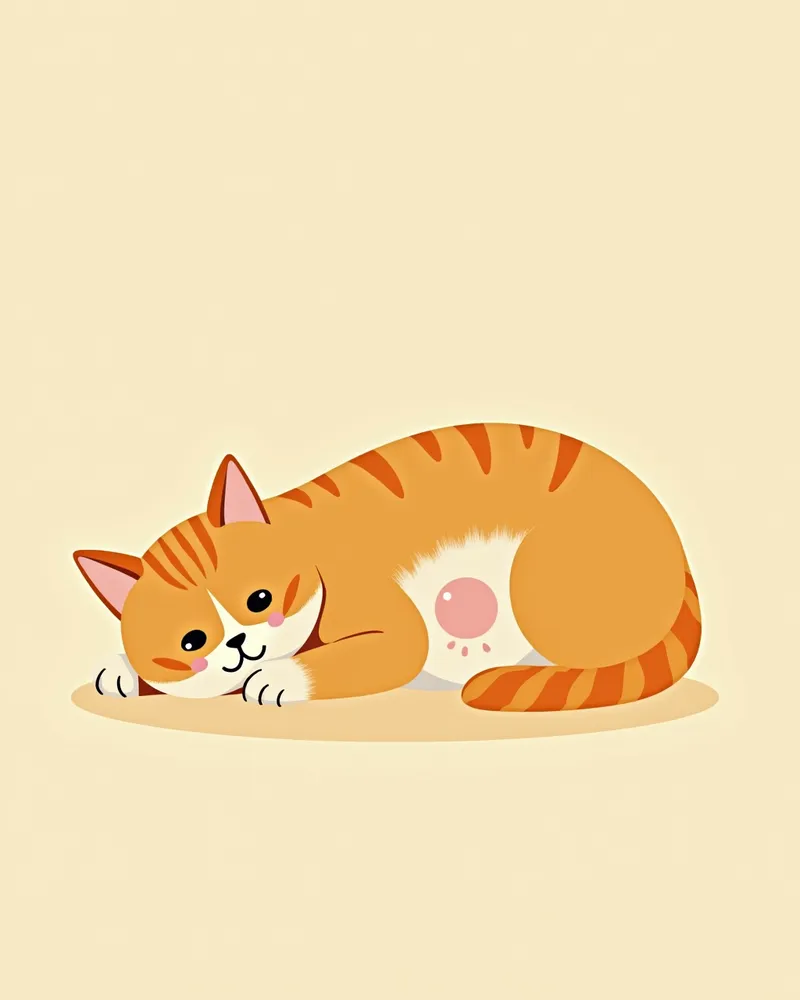
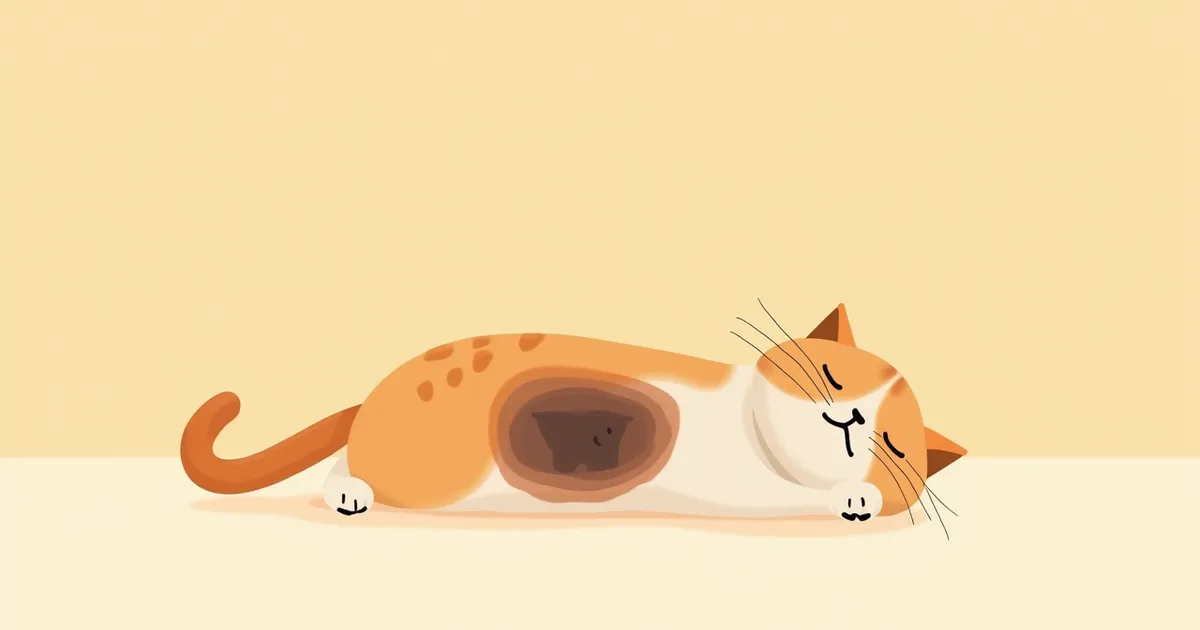
Taurine-deficient cardiomyopathy in cats may not show obvious symptoms in its early stages. As the condition progresses, affected cats become lethargic, tire easily, and experience decreased appetite and weight loss. When the heart weakens and heart failure develops, breathing becomes rapid or labored, and in severe cases, respiratory distress occurs. Note that, unlike in humans or dogs, coughing is not a common sign of heart failure in cats. Poor circulation can lead to fluid accumulation in the chest (thoracic cavity) or abdomen. Additionally, arterial thromboembolism, which blocks blood vessels to the legs, can cause sudden hindlimb paralysis, may be accompanied by arrhythmias, and if left untreated, can result in sudden death. Early detection can save lives.
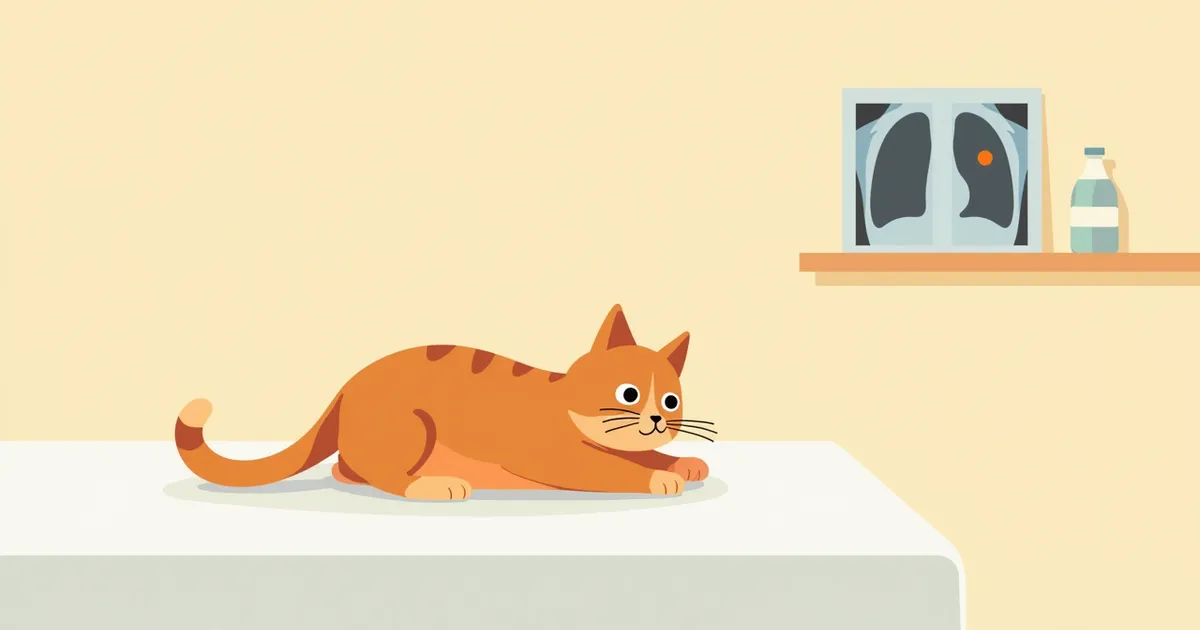
A cat experiencing shortness of breath and swelling due to decreased heart function

Signs Requiring Immediate Veterinary Visit

If your cat suddenly starts breathing rapidly, foams at the mouth, or collapses, seek veterinary care immediately, as these may be signs of acute (congestive) heart failure. Additionally, a very rapid or irregular heartbeat, bluish discoloration of the lips or extremities, and sudden inability to use the hind legs accompanied by severe pain (arterial thromboembolism) also constitute emergencies. In cases caused by taurine deficiency, early treatment offers hope for recovery, whereas delays can be fatal. Do not hesitate; consult a veterinarian right away.

How is Diagnosis Performed?
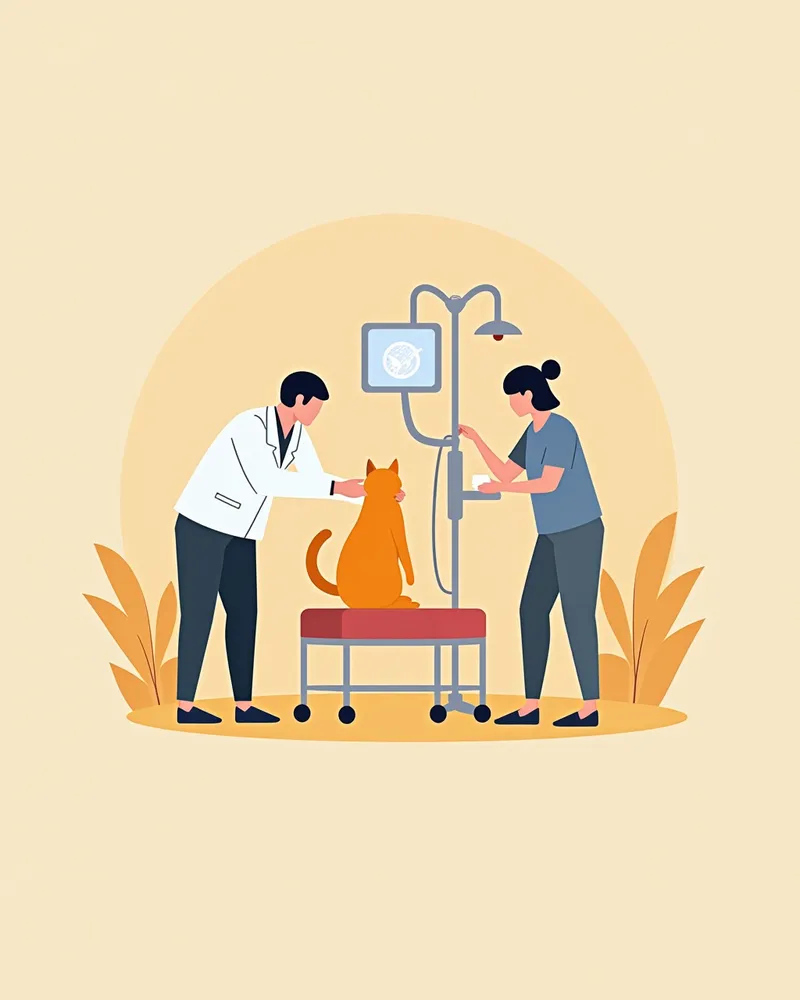
Feline taurine-deficient cardiomyopathy is accurately diagnosed using an echocardiogram (cardiac ultrasound). Dilated cardiomyopathy is confirmed through a diagnosis of exclusion, meaning other potential causes must be ruled out first. - Echocardiogram: This test precisely evaluates the degree of left ventricular dilation, wall thickness, contractility, and blood flow. - Blood tests: These measure taurine levels to determine if a deficiency exists. Since plasma taurine levels can drop even after less than 24 hours of fasting in cats, whole blood testing is generally recommended. - Electrocardiogram (ECG) and thoracic radiographs: These help assess heart rhythm abnormalities, arrhythmias, and the condition of the lungs and thoracic cavity. - Importance of early diagnosis: Taurine levels may be low even in the absence of symptoms, so regular health check-ups are beneficial. - Initiating treatment: Taurine supplementation and necessary cardiac treatments begin immediately after diagnosis.
A veterinarian performing an echocardiogram on a cat.

What are the Treatment Methods?

The cornerstone of treatment is consistent administration of taurine supplements. Due to potential issues with blood sampling and storage, test results may appear higher than the actual levels; therefore, supplementation is recommended even if the values fall within the normal range. Your veterinarian will determine the appropriate dosage and method based on your pet’s weight and condition, typically administering it orally. If congestive heart failure is present, additional medications such as diuretics (furosemide), positive inotropes (pimobendan), and ACE inhibitors may be prescribed. Antiplatelet agents (clopidogrel) may also be added to prevent blood clots. Taurine itself is relatively affordable and safe. Early initiation of treatment offers a good prognosis for recovery, making consistent medication adherence and regular check-ups essential.
A bottle of taurine supplement for cats and an image of a cat's paw print

Management Points for Prevention

- Choose cat-specific food: Dog food lacks sufficient taurine and should never be fed to cats. - Schedule regular check-ups: Have your cat’s heart examined at least once a year. - Monitor taurine levels: If your cat is senior or has a family history of heart disease, check taurine levels through blood tests. - Administer supplements: Consistently provide taurine supplements as directed by your veterinarian. - Maintain dietary balance: Select balanced cat food and verify the taurine content in any treats you give.
Cats that eat taurine-rich cat food

Stage-by-Stage Symptoms and Responses for Taurine-Deficient Cardiomyopathy

ItemKey SymptomsTreatment and Response
MildMild shortness of breath, fatigueStart taurine supplementation, review diet
ModerateShortness of breath, rapid heartbeatCardiac ultrasound exam, start hospital treatment
SevereBreathing difficulty, foaming at the mouth, collapseEmergency treatment, administration of cardiac stimulants

Stage-by-stage response may vary based on the veterinarian's judgment. Early detection raises the treatment success rate.

Reviewed by a veterinarian

Dr. Tony — Punnawat Phongkittirak

Dr. Tony — Punnawat Phongkittirak

Veterinarian

A veterinarian who majored in veterinary medicine at Khon Kaen University, Thailand, and completed the IVSA program at North Carolina State University in the United States. Drawing on clinical experience at animal hospitals, he works in the pet healthcare field and is dedicated to building a digital care environment that connects pet parents with veterinarians.

Frequently Asked Questions

Is it okay to feed my pet dog food?
No, taurine is not an essential amino acid for dogs, so dog food lacks the taurine that cats require. You must choose cat-specific food.
How long should I continue giving my pet taurine supplements?
Please administer this medication consistently as directed by your veterinarian. Long-term supplementation is often recommended alongside a balanced diet, so do not stop giving it without consulting your vet.
Is taurine deficiency genetic?
To date, no direct genetic cause (causal genetic mutation) has been reported for feline hypertrophic cardiomyopathy. However, complex inheritance patterns and certain predisposed breeds have been mentioned.
Does more taurine mean better?
Taurine is generally considered a relatively safe nutrient. However, rather than giving it in large amounts indiscriminately, it’s best to follow the appropriate dosage recommended by your veterinarian and maintain a balanced diet.
Is taurine deficiency only a problem for cats?
While cats are particularly vulnerable due to their limited ability to synthesize taurine, this isn't an issue exclusive to them. Studies have also reported that certain dog breeds, such as American Cocker Spaniels and Golden Retrievers, can develop dilated cardiomyopathy associated with low blood taurine levels.

Share

Related Guides

References

[1] Textbook of Cardiovascular Medicine in Dogs and Cats, 2023

[2] The Veterinary Workbook of Small Animal Clinical Cases, 2022

[3] Plumb's Veterinary Drug Handbook, 9th Edition, 2023

This information is based on veterinary literature and does not replace diagnosis or treatment. Please consult a veterinarian for specific health concerns.

Metapet Co., Ltd. | CEO: Park Sung-yong | Business Reg. No. 417-88-02562 | Seoul, South Korea | Customer Center

What Is Feline Taurine-Deficient Cardiomyopathy? Diet & Care | Meongsiljang