Like
Share
멍실장
고양이 폐동맥 협착 자주 묻는 질문 Q&A — 보호자가 꼭 알아야 할 핵심

What Is Feline Pulmonary Artery Stenosis? — Heart Murmurs, Symptoms, and Treatment Options

HeartQ&AMeongsiljang Veterinary Advisory Board

Feline pulmonary artery stenosis is a condition in which blood flow to the lungs is restricted due to a heart valve abnormality. Early detection and management are crucial.

What Is Feline Pulmonary Artery Stenosis?

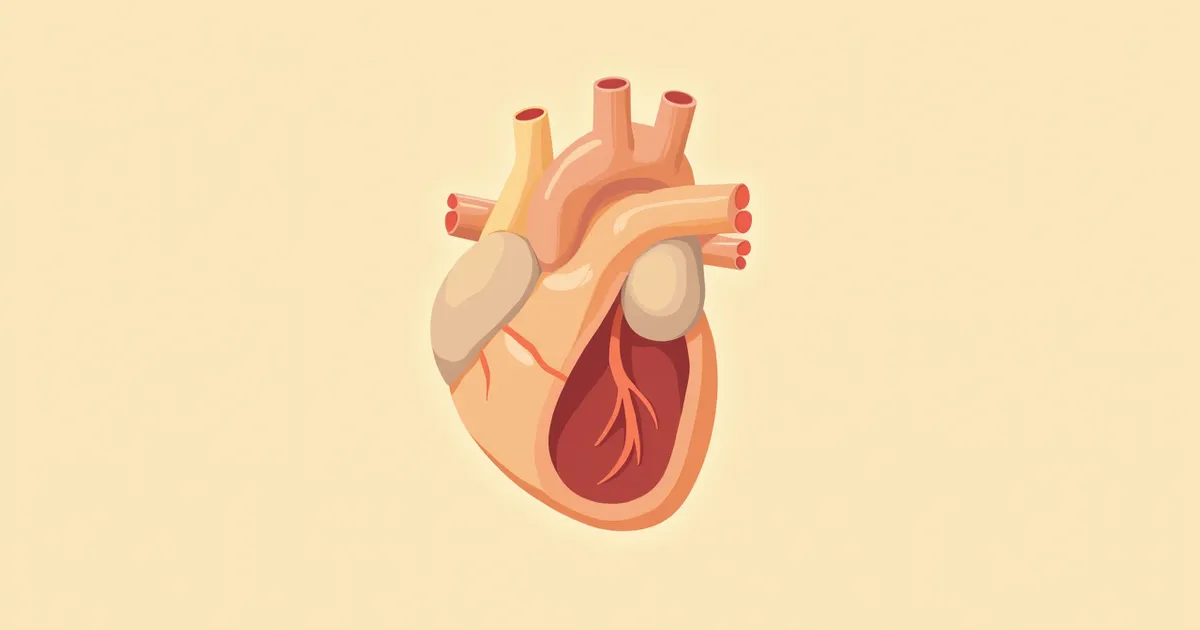
An anatomical illustration showing a narrowed pulmonary artery in a cat's heart.
Feline pulmonary artery stenosis is a congenital heart disease in which the pulmonary valve area narrows, restricting blood flow from the right ventricle to the pulmonary artery. While relatively common in dogs, it is rarely diagnosed in cats. - Pulmonary artery stenosis: The right ventricle must pump blood more forcefully, which can place increased strain on the heart over time. - Breed and sex predisposition: No specific breed or sex predisposition has been identified in reported feline cases. - Associated anomalies: It may occur alongside other congenital defects, such as ventricular or atrial septal defects, tricuspid valve dysplasia, or Tetralogy of Fallot (TOF). - Disease course: Many cats tolerate the condition well for years without symptoms, but in severe cases, the stenosis may progressively worsen. - Risk of heart failure: Progression to congestive heart failure can lead to a poor prognosis, making regular monitoring essential.

What Are the Main Causes of This Condition?

The primary cause of feline pulmonary artery stenosis is a congenital structural abnormality in the right ventricular outflow tract, including the pulmonary valve. - Valvular developmental abnormalities: The valve may be narrow or abnormally developed from birth, obstructing blood flow. - Subvalvular stenosis: Stenosis can occur not only at the valve itself but also in the area beneath it (subvalvular region). - Breed and sex predisposition: No specific breed or sex predilection has been identified in cats. - Associated congenital defects: It may occur alongside ventricular or atrial septal defects, tricuspid valve dysplasia, or Tetralogy of Fallot. - Mechanism of worsening: In severe cases, right ventricular hypertrophy can create a vicious cycle that exacerbates the stenosis, making regular cardiac examinations essential.
A scientific illustration showing the genetic mutation associated with pulmonary artery stenosis in Maine Coon cats.

What Are the Main Symptoms?

In many cases, cats with pulmonary artery stenosis tolerate the condition well for years without obvious symptoms, and the most characteristic finding is a loud heart murmur detected during auscultation. - Heart murmur: It is best heard at the left base of the heart (the area of the pulmonary valve) and may radiate widely. - Asymptomatic course: Many cats live well into adulthood without showing any particular symptoms. - Dyspnea and fatigue: In severe cases, cats may experience shortness of breath or easy fatigue, even after exercise or while at rest. - Serious warning signs: If symptoms such as dizziness or collapse occur, immediate veterinary attention is required. Early detection through regular auscultation and check-ups is crucial, so please monitor your cat’s condition closely.
A realistic-style illustration of a cat showing signs of respiratory distress.

Signs Requiring Immediate Veterinary Visit

If your cat suddenly begins panting heavily or collapses, it may be a sign of rapidly worsening heart function, so you should seek veterinary care immediately. Cats with pulmonary artery stenosis may show no symptoms at first, but as the condition progresses to a severe stage, they can develop congestive heart failure. In particular, if your cat experiences severe difficulty breathing after exercise or a sudden drop in energy levels, a veterinary examination is essential.

How Is It Diagnosed?

Feline pulmonary artery stenosis is accurately diagnosed using an echocardiogram (heart ultrasound). This test allows for real-time assessment of blood flow velocity and valve opening. Electrocardiography and chest X-rays are also performed to help evaluate heart size and structure, particularly to detect increased blood flow velocity and thickening of the heart walls. Early diagnosis forms the basis for treatment planning, and regular monitoring helps track disease progression. This procedure is non-invasive and places minimal stress on the cat.
A veterinarian performing an echocardiogram on a cat.

What Are the Treatment Options?

Treatment varies depending on the severity of symptoms. In mild cases, regular monitoring alone may be sufficient, but severe cases may require medication or surgical intervention. Medications are used to reduce the heart's workload and improve blood flow, and in severe cases, a procedure called pulmonary artery valvuloplasty (balloon valvuloplasty) may be performed. Even after surgery, regular heart check-ups and ongoing medication are essential. The goal of treatment is to alleviate symptoms and improve quality of life, with continuous monitoring of heart function being crucial. Treatment plans should be personalized based on the cat's condition.
A cat recovering after pulmonary artery valve dilation

Daily Management Tips

For cats with pulmonary artery stenosis, regular monitoring and cardiac check-ups are paramount. Even if your cat appears asymptomatic, consistently observe their breathing, activity levels, and any changes in behavior. If you notice sudden shortness of breath or easy fatigue, avoid forcing activity and instead maintain a calm, stable environment. To minimize stress, establish a consistent routine and provide a quiet space, while scheduling regular veterinary visits and cardiac exams to monitor disease progression. If the condition worsens or signs of heart failure emerge, consulting your veterinarian to adjust the management plan is essential for maintaining your cat’s quality of life.
A cat resting comfortably in a quiet indoor environment

Comparison of Management Strategies by Severity of Symptoms

ItemSymptom SeverityKey SymptomsRecommended ResponseVet Visit Frequency
MildAsymptomatic, or only a heart murmur heard on auscultationRegular observationNo particular activity restrictionEvery 6 months
ModerateBreathing difficulty after exercise, tires easilyConsider starting medicationAvoid strenuous activity, minimize stressEvery 3 months
SevereBreathing difficulty even at rest, collapseProcedures such as balloon valvuloplasty or emergency treatment neededComplete rest, hospitalization possibleMonthly or as needed

If symptoms worsen, an immediate vet visit is required.

Reviewed by a veterinarian

Dr. Tony — Punnawat Phongkittirak

Dr. Tony — Punnawat Phongkittirak

Veterinarian

A veterinarian who majored in veterinary medicine at Khon Kaen University, Thailand, and completed the IVSA program at North Carolina State University in the United States. Drawing on clinical experience at animal hospitals, he works in the pet healthcare field and is dedicated to building a digital care environment that connects pet parents with veterinarians.

Frequently Asked Questions

Is feline pulmonary artery stenosis treatable?
Yes, early diagnosis and appropriate management can significantly improve quality of life. In mild cases, regular monitoring alone is often sufficient for a good quality of life, while in severe cases, symptoms can be managed through procedures such as balloon valvuloplasty or medication.
Are Maine Coon cats more susceptible to pulmonary artery stenosis?
In reported cases of feline pulmonary artery stenosis, no distinct breed or sex predilection has been identified. The A31P gene mutation, well-documented in Maine Coons, is associated with hypertrophic cardiomyopathy (HCM), not pulmonary artery stenosis, making it unlikely to be considered a breed predisposition for this condition.
Will this condition affect my cat's lifespan?
Most reported cases of cats survive well into adulthood. However, if the condition progresses to congestive heart failure, the prognosis may worsen, making regular check-ups and management essential.
Is prevention possible?
Since it is a congenital condition, complete prevention is difficult. Although no specific breed predisposition has been clearly identified for feline pulmonary artery stenosis, it is important to have an early echocardiogram if a heart murmur is detected, so the condition can be identified and managed promptly.
What are some ways to reduce stress in everyday life?
It’s important to maintain a quiet environment, keep a consistent daily routine, avoid overstimulation, and provide a space where your cat can feel secure and comfortable.

Share

Related Guides

References

[1] The Cat, Clinical Medicine and Management, 2nd Edition, 2020

[2] Textbook of Cardiovascular Medicine in Dogs and Cats, 2018

[3] Small Animal Critical Care Medicine, 3rd Ed, 2021

This information is based on veterinary literature and does not replace diagnosis or treatment. Please consult a veterinarian for specific health concerns.

Metapet Co., Ltd. | CEO: Park Sung-yong | Business Reg. No. 417-88-02562 | Seoul, South Korea | Customer Center

What Is Feline Pulmonary Artery Stenosis? Murmurs & Care | Meongsiljang