

When to Use Pimobendan in Cats and Its Effects — Dosage and Side Effects
We’ve compiled the essential information pet owners need to know about pimobendan, a medication used to treat feline heart disease, in a Q&A format.
What Is Pimobendan Treatment for Cats?
Which Cats Benefit from Pimobendan?

What to Watch for When Administering Pimobendan
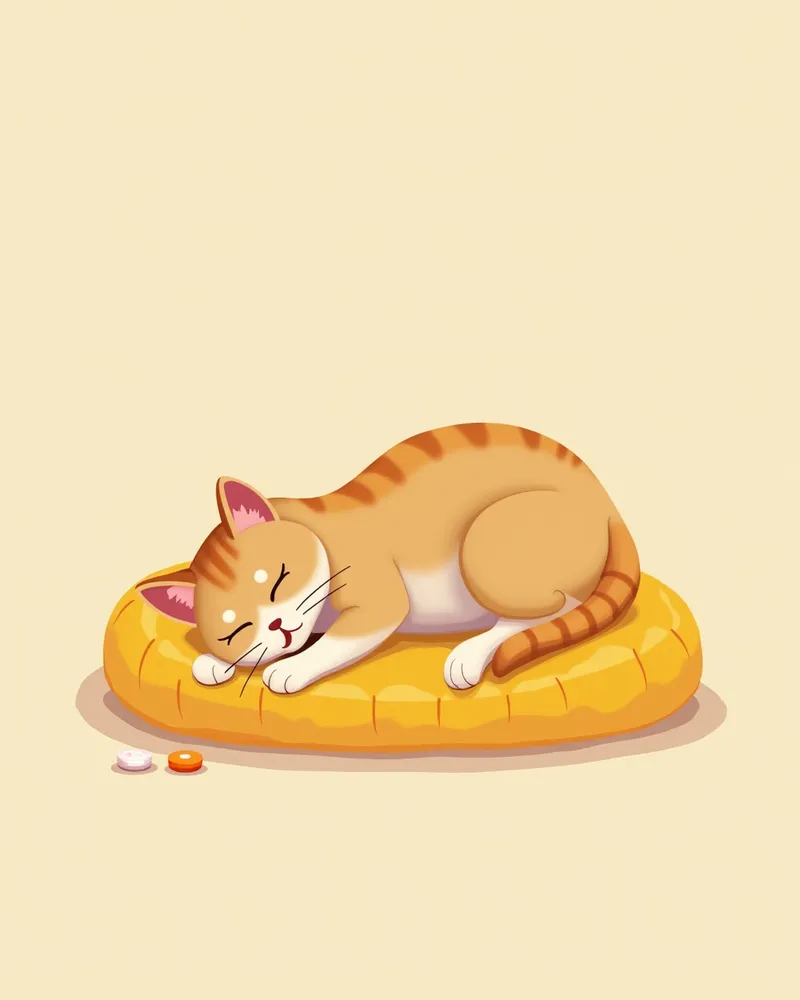
Before and After Pimobendan: Changes in Your Cat’s Condition
| Item | Condition Before Medication | Changes After Medication |
|---|---|---|
| Activity Level | Low activity, easily fatigued | Increased activity, restored energy |
| Respiratory Status | Shortness of breath, difficulty breathing | Stabilized breathing, easier breathing |
| Appetite | Decreased appetite, not eating | Restored appetite, normal intake |
| Cardiac Contractility | Reduced contractility, weak pumping function | Improved contractility, improved pumping function |
Monitor the drug's effects through regular checkups with your veterinarian.
How Long Should Pimobendan Be Administered?

Symptoms Requiring Immediate Veterinary Attention
If your cat experiences severe difficulty breathing, sudden collapse, intense vomiting, or bluish discoloration of the lips or mouth while taking Pimobendan, seek veterinary care immediately. These symptoms may indicate a serious heart condition and require prompt evaluation by a veterinarian.
Drug Interactions Between Pimobendan and Other Medications

Reviewed by a veterinarian

Dr. Tony — Punnawat Phongkittirak
VeterinarianA veterinarian who majored in veterinary medicine at Khon Kaen University, Thailand, and completed the IVSA program at North Carolina State University in the United States. Drawing on clinical experience at animal hospitals, he works in the pet healthcare field and is dedicated to building a digital care environment that connects pet parents with veterinarians.
Reviewed 2026-06-03
Frequently Asked Questions
Is Pimobendan safe for cats?
How many times a day should I give my pet Pimobendan?
What should I do if I miss a dose?
Does pimobendan increase heart rate?
Can pimobendan increase a cat's lifespan?
Share
Related Guides

Coenzyme Q10 Benefits and Administration Guide

Dog Pulmonary Edema Warning — 7 Best Diuretics (Furosemide) for Heart Management
7 Best Prescription Diets for Feline Heart Disease Recommended by Veterinarians — Criteria for Choosing Low-Sodium Food

Lethargy vs. Fatigue vs. Illness in Dogs and Cats: How to Tell the Difference?

How to Check Your Dog’s Paws at Home — Warning Signs and What to Do

Basics of Auscultation at Home
Guide to Veterinary Neurology Consultations: When and How to Seek Care
Our Pet’s Dentist: General Clinic vs. Specialist — A Guide to Choosing Care

Indications for Veterinary Acupuncture (TCVM)

Comparing Implantable Microchips and External ID Tags
References
[1] Stern, J.A. et al. (2023) Small Animal Critical Care Medicine, 3rd Ed. Elsevier.
[2] Plumb, D.C. (2022) Plumb's Veterinary Drug Handbook, 10th Ed. Wiley.
[3] Bartlett, P.C. et al. (2021) Textbook of Cardiovascular Medicine in Dogs and Cats. Wiley-Blackwell.