Like
Share
멍실장
고양이 폐동맥 고혈압 자주 묻는 질문 Q&A — 보호자가 꼭 알아야 할 핵심

What is Feline Pulmonary Arterial Hypertension? — Symptoms of Labored Breathing and When to Seek Veterinary Care

HeartQ&AMeongsiljang Veterinary Advisory Board

Feline pulmonary hypertension is a condition that can be difficult to detect early, so we’ve compiled the essential information pet owners need to know in a Q&A format.

What is Feline Pulmonary Arterial Hypertension?
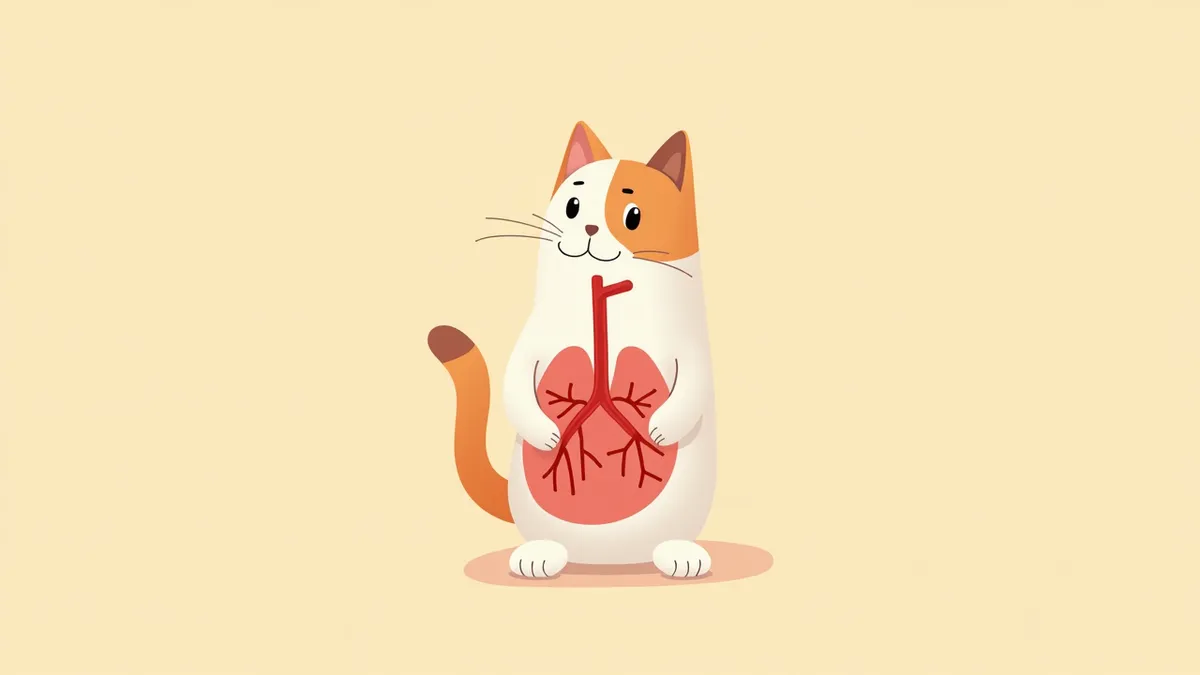
Anatomical diagram of feline pulmonary hypertension
Feline pulmonary arterial hypertension is a condition characterized by persistently elevated blood pressure in the pulmonary arteries, placing excessive strain on the right side of the heart and leading to dilation and hypertrophy of the right ventricle. - Increased pulmonary vascular resistance: When the pulmonary blood vessels narrow or resistance to blood flow (pulmonary vascular resistance) increases, pulmonary arterial pressure rises. - Absence of early symptoms: In the early stages, blood pressure may be normal at rest and only elevate during exercise, allowing the condition to progress without obvious respiratory abnormalities, making it easy for owners to overlook. - Severe complications: If left untreated, it can progress to right-sided heart failure and potentially lead to pulmonary edema or acute respiratory distress. - High-risk group: Although relatively rare in cats, it occurs almost exclusively as a secondary complication of left-sided heart disease (left-sided heart failure). - Importance of early detection: Regular cardiac examinations enable early diagnosis.

What are the main causes of this condition?
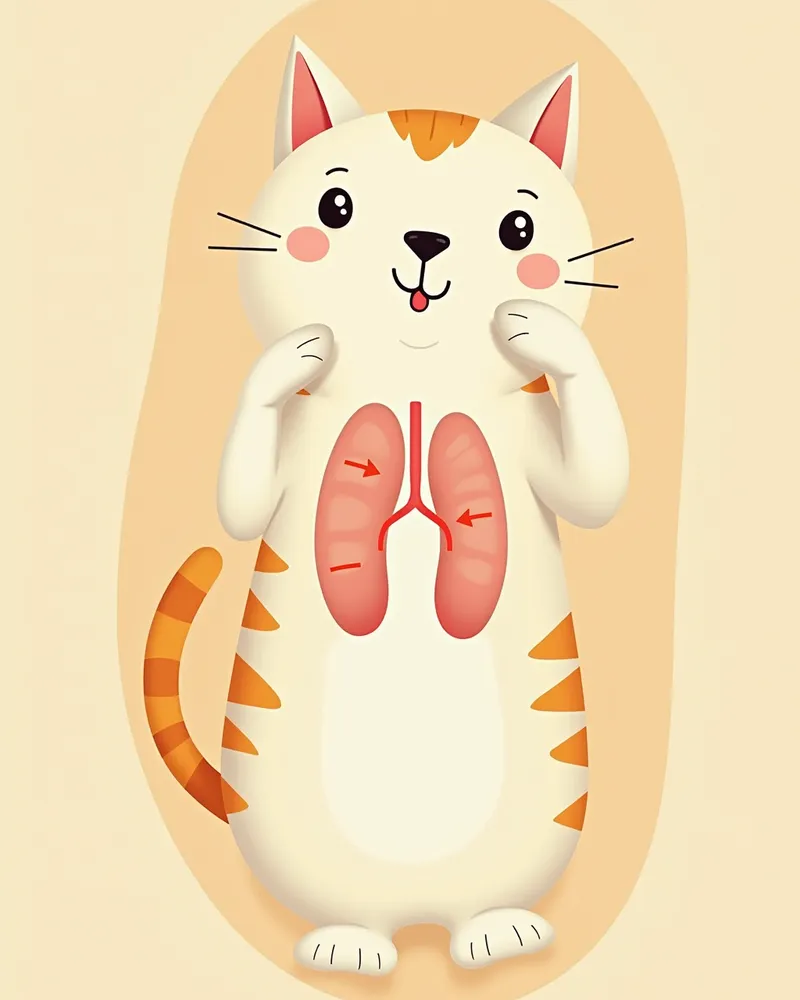
While the causes of feline pulmonary arterial hypertension are varied, it is relatively rare in cats and occurs almost exclusively as a secondary change due to left-sided heart disease (left-sided heart failure). Other risk factors include chronic respiratory diseases, hypoxemia, pulmonary thromboembolism, and parasitic infections such as heartworm disease. This condition can arise in various situations that increase pulmonary vascular resistance or elevate pulmonary venous pressure. In some cases, it is classified as idiopathic or primary pulmonary arterial hypertension when no clear cause can be identified. Accurately determining the underlying cause is the first step toward effective treatment.
Medical indicators related to the causes of feline pulmonary arterial hypertension

What symptoms may appear?

Feline pulmonary hypertension often shows few symptoms in its early stages, so it’s important to stay vigilant. - Difficulty breathing: Your cat may pant after walks or seem short of breath even while resting. - Color changes: The lips or paw pads may take on a bluish tint, and in severe cases, low oxygen levels (hypoxia) can occur. - Reduced activity: Your cat may lie down more often than usual or lose interest in playing. - Coughing and abnormal breathing sounds: Frequent coughing or unusual noises when breathing may be noticeable. - Acute symptoms: Sudden collapse or breathing cessation can occur. - Immediate veterinary care required: If symptoms appear, significant damage may already be present, making prompt diagnosis essential.
Difficulty breathing in cats caused by pulmonary hypertension

Signs requiring immediate veterinary visit

If your cat suddenly develops labored breathing, bluish discoloration of the mouth or paw pads, or collapses, seek veterinary care immediately. These are signs of pulmonary edema or acute heart failure, which can be life-threatening. Cats with chronic diseases are at particularly high risk. Delaying treatment can make management more difficult, so consult your veterinarian as soon as symptoms appear.

How is an accurate diagnosis made?

Feline pulmonary arterial hypertension is primarily assessed through echocardiography. - Echocardiography: This non-invasive, cornerstone test analyzes blood flow velocity in the pulmonary artery and heart structure to estimate pulmonary arterial pressure. - Right heart catheterization: While this is the definitive method for directly measuring pulmonary arterial pressure, it is rarely performed in cats. - Blood pressure measurement: Standard blood pressure cuffs cannot directly measure pulmonary arterial pressure, so they serve only a supportive role. - Supportive tests: Chest X-rays check for pulmonary edema, and blood tests help identify underlying diseases. - Expert evaluation is essential: A veterinarian’s comprehensive assessment is key to diagnosis.
Ultrasound examination for diagnosing feline pulmonary hypertension

What are the treatment methods?

Treatment is tailored to the underlying cause. - Address the root cause first: In cats, left-sided heart disease is the primary cause, so managing the underlying heart condition is essential. - Medication: Pulmonary vasodilators, diuretics, and positive inotropes (cardiotonic agents) are commonly used. - Oxygen therapy: In severe cases with significant respiratory distress, supplemental oxygen is provided. - Ongoing care: Consistent medication adherence and regular veterinary check-ups are crucial. - Treatment goals: The main objectives are to alleviate symptoms and maintain quality of life.
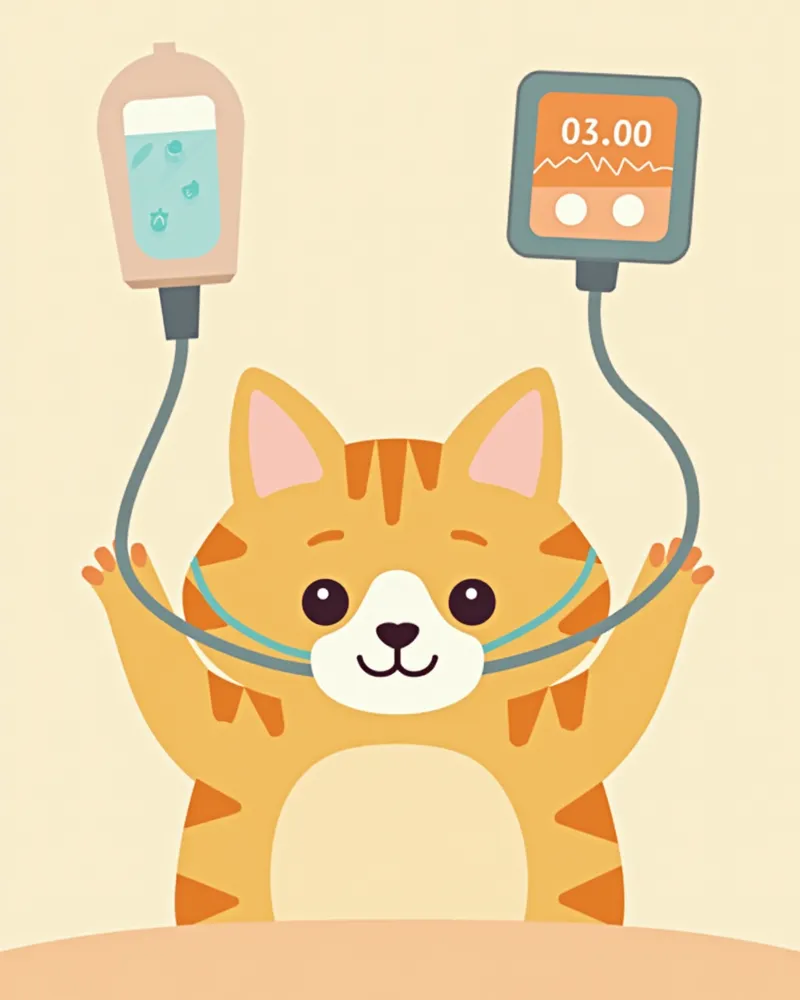
Scene of oxygen therapy during treatment for feline pulmonary hypertension

Comparison of responses by symptom severity

ItemMildModerateSevere
Key SymptomsSlightly decreased activity, mild shortness of breathBreathing difficulty after walks, frequent lying downPersistent breathing difficulty, bluish mouth
Response MethodVeterinary consultation, regular checkupsStart medication, restrict activityImmediate vet visit, oxygen therapy
PrognosisGood, manageableFair, requires ongoing managementMay worsen, life-threatening

If symptoms worsen, an immediate vet visit is required.

What are the daily management tips?

Managing feline pulmonary hypertension begins with daily care. - Minimize stress: Maintaining a quiet environment and a consistent routine is essential. - Regulate exercise: Avoid excessive activity and allow only light movement. - Dietary management: A low-sodium diet is necessary to manage weight and blood pressure. - Medication adherence: Administer medications regularly as directed by your veterinarian. - Environmental stability: Minimize exposure to new animals or changes in the environment. - Regular check-ups: Monitor your cat’s condition through examinations every 3 to 6 months.
Creating a Daily Environment to Manage Feline Pulmonary Hypertension

Precautions

Never give your cat any medication that hasn’t been prescribed by a veterinarian. Non-steroidal anti-inflammatory drugs and antihypertensive medications, in particular, can cause serious side effects. For cats with high blood pressure, avoid high-salt foods and ensure they get plenty of fluids. During management, it’s important to quickly notice any changes and maintain open communication with your vet.

Reviewed by a veterinarian

Dr. Tony — Punnawat Phongkittirak

Dr. Tony — Punnawat Phongkittirak

Veterinarian

A veterinarian who majored in veterinary medicine at Khon Kaen University, Thailand, and completed the IVSA program at North Carolina State University in the United States. Drawing on clinical experience at animal hospitals, he works in the pet healthcare field and is dedicated to building a digital care environment that connects pet parents with veterinarians.

Frequently Asked Questions

Can feline pulmonary arterial hypertension be cured?
It depends on the underlying cause. For chronic conditions, the focus is on management rather than a complete cure. However, with early detection and appropriate treatment, your pet can maintain a good quality of life.
Can feline pulmonary hypertension be genetic?
In cats, pulmonary hypertension is rarely a genetic condition; instead, it most often develops secondary to underlying diseases such as left-sided heart disease. Therefore, early detection of the underlying cardiac or respiratory conditions is more important than focusing on breed-specific genetics.
Does feline pulmonary arterial hypertension only occur in older cats?
While this condition is more commonly diagnosed in older cats, it can also occur in younger cats with left-sided heart disease or respiratory disorders. Cats with underlying heart or lung disease require careful monitoring, regardless of age.
Can regular check-ups help detect pulmonary hypertension early?
Yes, echocardiography can estimate pulmonary artery pressure, enabling early detection. Since standard blood pressure monitors cannot directly measure pulmonary artery pressure, regular check-ups centered around cardiac ultrasound are helpful. We especially recommend routine screenings for older cats or those with heart or respiratory conditions.
How much does it cost to treat feline pulmonary hypertension?
Treatment costs vary depending on the pet’s condition and the chosen treatment plan. An initial examination typically costs around $40, while long-term medication can range from $70 to $200 per month. Please consult with your veterinarian to create a treatment plan that fits your budget.

Share

Related Guides

References

[1] Beate Egner et al. (2023) The Cat, Clinical Medicine and Management, 2nd Edition. Elsevier.

[2] Taylor SS et al. (2017) ISFM consensus guidelines on the diagnosis and management of hypertension in cats. Journal of Feline Medicine and Surgery.

[3] Brown SA, Henik RA. (1998) Diagnosis and treatment of systemic hypertension in cats. Veterinary Clinics of North America: Small Animal Practice.

This information is based on veterinary literature and does not replace diagnosis or treatment. Please consult a veterinarian for specific health concerns.

Metapet Co., Ltd. | CEO: Park Sung-yong | Business Reg. No. 417-88-02562 | Seoul, South Korea | Customer Center

What Is Feline Pulmonary Arterial Hypertension? Signs & Care | Meongsiljang