
Is Your Cat Avoiding the Litter Box? — Key Q&A on Causes and Solutions
There are three main reasons why cats may avoid using their litter box: environmental issues, medical problems, and stress. We’ve put together a checklist by category and step-by-step solutions to help address the issue.
What Is Litter Box Avoidance in Cats?
Three Main Causes of Litter Box Avoidance
Causes and Initial Responses by Type of Litter Box Avoidance
| Item | Main cause | Characteristic pattern | First-line response |
|---|---|---|---|
| Environment aversion | Dirty litter, change of material | Repeatedly choosing a specific spot | Change the litter, maintain cleanliness |
| Location aversion | Noise, inconvenient access | Eliminating in a quiet place | Move the litter box or add another |
| Medical cause | Cystitis, urinary stones, etc. | Frequent urination attempts, blood in urine | Seek immediate veterinary care |
| Stress-related | New cat, moving, noise | Sudden and temporary aversion | Remove the source of stress |
If a medical cause is suspected, treatment comes before behavior modification.
Litter Box Environment Checklist

See a Vet Immediately If You Notice These Symptoms
If your cat suddenly starts urinating outside the litter box, or if they’re straining frequently to pass only small amounts of urine, it could be a urethral obstruction. This condition is the most common cause of acute kidney injury in cats and is a life-threatening emergency if not treated promptly, as it can lead to hyperkalemia and circulatory failure. If you notice blood in the urine, vocalizing during urination or defecation, or your cat licking their abdomen or crouching in discomfort, don’t wait—seek immediate veterinary care.
Step-by-Step Approach to Resolving Litter Box Avoidance
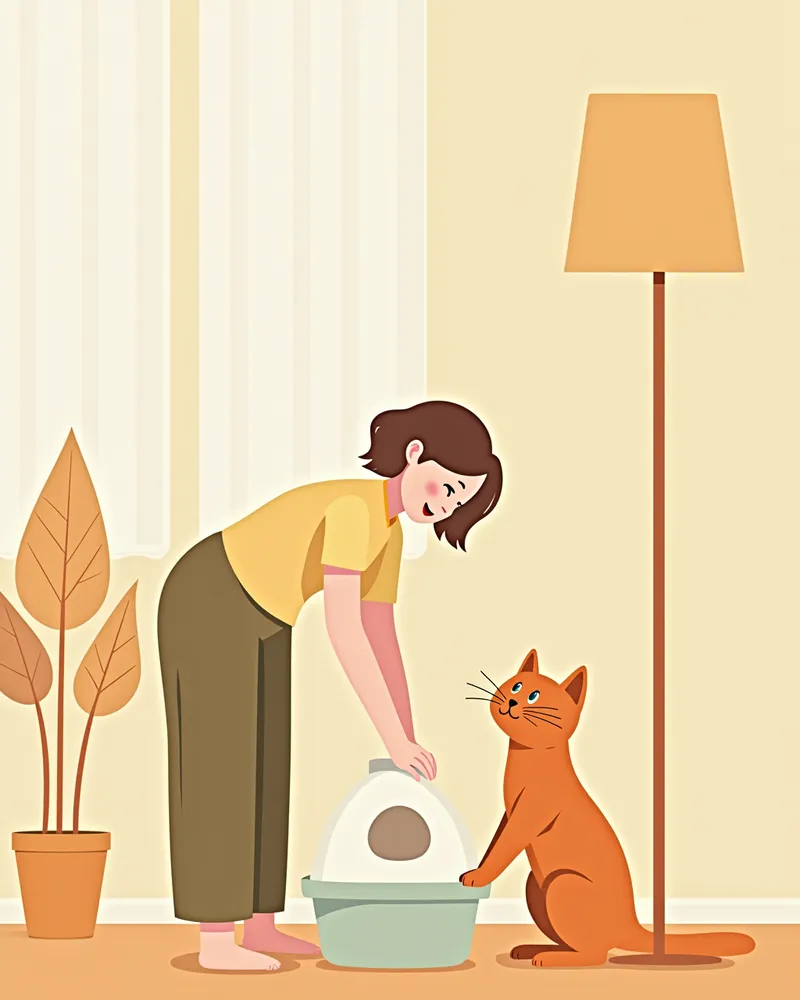
Golden Rules for Choosing a Litter Box Location

Introducing a New Litter Box or New Litter
Abruptly replacing all the litter can cause your cat to reject it. A gradual transition is safer: slowly mix the new litter into the old, increasing the proportion over several days to weeks. When introducing a new litter box, place it next to the current one rather than swapping them out all at once, allowing your cat to choose which one they prefer.
Reviewed by a veterinarian

Dr. Tony — Punnawat Phongkittirak
VeterinarianA veterinarian who majored in veterinary medicine at Khon Kaen University, Thailand, and completed the IVSA program at North Carolina State University in the United States. Drawing on clinical experience at animal hospitals, he works in the pet healthcare field and is dedicated to building a digital care environment that connects pet parents with veterinarians.
Reviewed 2026-06-01
Frequently Asked Questions
My cat urinated outside the litter box. Is it okay to scold them?
What type of litter is best for the litter box?
How many litter boxes do you need?
Is a covered litter box better?
Should I take my pet to the vet if they keep avoiding the litter box for several days?
Share
Related Guides

7 Behavioral Enrichment Strategies for Mental Stimulation Recommended by Veterinarians

Top 5 Calming Supplements for Dogs and Cats in 2026

L-Theanine Effects and Calming Support
How much playtime is recommended for cats?
Trilostane (Vetoryl) for Cushing’s Treatment: What You Must Know
What is Selamectin (Revolution)? — A Complete Guide to the Parasites It Prevents All at Once

Understanding Trazodone: The Medication for Canine Anxiety and Calming
Maropitant (Cerenia) Antiemetic: Is It Safe for Your Pet?
What is Meloxicam (Metacam)? — Key Summary of Effects and Side Effects in Dogs
How to Distinguish Between Play and Aggression in Dogs: Stop When You See These Signs
References
[1] Shaw JK, Martin D (eds.). Introduction to Animal Behavior and Veterinary Behavioral Medicine. Wiley-Blackwell, 2015. Chapter 13: Feline Elimination Behavior.
[2] Little S (ed.). The Cat: Clinical Medicine and Management, 2nd Edition. Elsevier, 2022. Chapter 16: Feline Behavioral Problems — Litter Box Aversion.
[3] Overall KL. Manual of Clinical Behavioral Medicine for Dogs and Cats. Elsevier Mosby, 2013.