

Assessing Heart Size on Feline Chest X-rays — From Normal Readings to Warning Signs
We’ve compiled essential information for pet owners on how to assess heart size using feline chest X-rays and what the findings mean. Early detection of abnormal heart size is crucial.
What Is Feline Chest X-ray Heart Size Assessment?

How Is Heart Size Assessed?

What Is a Normal Heart Size?

What Problems May Arise If the Heart Is Enlarged?

Abnormal Heart Size Requires Immediate Veterinary Visit
If your cat is breathing heavily, has a rapid respiratory rate, or has suddenly become much less active, these could be signs of a heart problem. Unlike dogs, cats rarely cough even when they have heart failure, so it’s important to pay close attention to any changes in their breathing. If a chest X-ray shows an enlarged heart, you should consult your veterinarian immediately. Early treatment is crucial for cardiac hypertrophy, as leaving it untreated can lead to heart failure or blood clots (arterial thromboembolism). Since chest X-rays alone have limitations, an echocardiogram is necessary for an accurate diagnosis.
What Preparation Is Needed for Heart Size Assessment?
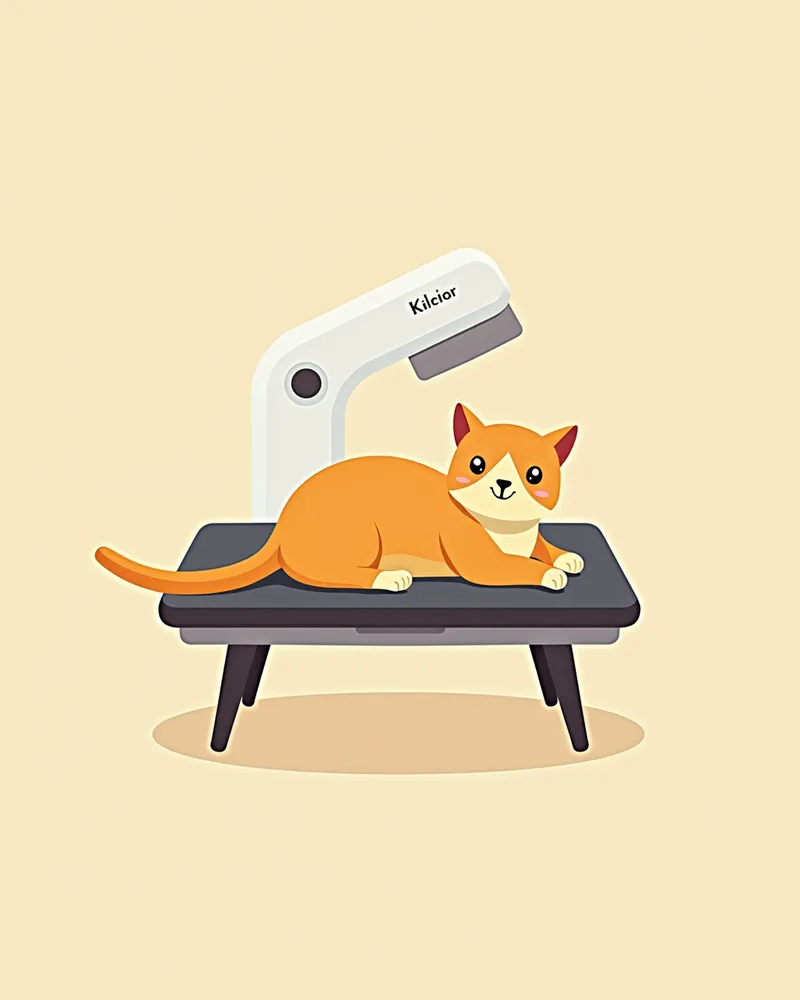
Comparison of Heart Size Assessment Methods
| Item | Normal Range | Advantages | Disadvantages |
|---|---|---|---|
| Vertebral Heart Size (VHS) | Average about 7.5 (suspicious if over 8.0) | Simple assessment of overall heart size | Fast but insensitive to mild enlargement |
| Left Atrial Size Assessment (X-ray) | No findings of left atrial enlargement | Confirms morphological changes such as left atrial enlargement | Precise quantitative assessment is difficult |
| Cardiac Ultrasound | Normal function | Confirms heart motion and function as well | High cost, requires specialized equipment and skill |
VHS and X-ray findings are indirect assessments, so cardiomyopathy cannot be ruled out even if normal; ultrasound is used complementarily as a direct functional assessment.
What Are the Next Steps After Heart Size Assessment?

Early Detection of Feline Heart Disease Saves Lives
Feline heart disease often presents with few early symptoms and vague clinical signs, so it’s frequently diagnosed only at advanced stages. While chest X-rays are useful for detecting pulmonary edema, pleural effusion, or changes in cardiac silhouette, they may not reveal mild to moderate cardiomegaly—meaning a normal X-ray doesn’t rule out heart disease. Consequently, echocardiography is often required for a definitive diagnosis. If your cat shows suspected symptoms or has an enlarged heart, consult your veterinarian promptly; early treatment can significantly improve quality of life and longevity. Prevention starts with proactive care.
Reviewed by a veterinarian

Dr. Tony — Punnawat Phongkittirak
VeterinarianA veterinarian who majored in veterinary medicine at Khon Kaen University, Thailand, and completed the IVSA program at North Carolina State University in the United States. Drawing on clinical experience at animal hospitals, he works in the pet healthcare field and is dedicated to building a digital care environment that connects pet parents with veterinarians.
Reviewed 2026-06-03
Frequently Asked Questions
Does a chest X-ray hurt cats?
Should I have my pet’s heart size evaluated every year?
Does an enlarged heart on an X-ray always mean there’s a disease?
Do sedatives need to be used when assessing heart size?
Can I review my cat’s chest X-ray results at home?
Share
Related Guides

Coenzyme Q10 Benefits and Administration Guide

7 Best Prescription Diets for Feline Heart Disease Recommended by Veterinarians — Criteria for Choosing Low-Sodium Food

Top Prescription Heart Disease Diets for Dogs: Best Picks and Selection Criteria
Perianal Fistulas in Dogs (German Shepherds)

My Pet Suddenly Can’t See — Emergency Response and Surgical Timing for Retinal Detachment
Oxygen Therapy Guide (Cage & Tube)

Why is postoperative hypothermia management important, and how should it be done?

The Ultimate Guide to Pet Pain Assessment Scales

When to Use Heparin Anticoagulant: A Guide to Timing and Side Effect Precautions

Tramadol Analgesic Effects and Precautions
References
[1] Small Animal Critical Care Medicine, 3rd Ed. (2023). Chapter 17: Cardiovascular Imaging in Cats.
[2] Textbook of Cardiovascular Medicine in Dogs and Cats. (2021). Section 11: Radiographic Assessment of Cardiac Size.
[3] American College of Veterinary Internal Medicine (ACVIM). Guidelines for Feline Cardiac Imaging (2022).