
Dog Struvite Urinary Stones FAQ — Key Points Pet Owners Must Know
Struvite stones are a common type of urinary stone in dogs, often associated with urinary tract infections. Here’s a summary of key questions and answers that pet owners should know.
What Are Struvite Urinary Stones in Dogs?
What Is the Main Cause of Struvite Urinary Stones?
What Are the Main Symptoms of Struvite Urinary Stones?

Signs Requiring Immediate Veterinary Visit
If your dog tries to urinate but no urine comes out, or shows severe pain while attempting to urinate, you should go to the vet immediately. This could lead to urinary tract obstruction. Struvite uroliths are more common in female dogs, so extra caution is needed. Quick action can save your pet's life.
How Are Struvite Urinary Stones Diagnosed?
How Are Struvite Urinary Stones Treated?

Home Care and Prevention Methods
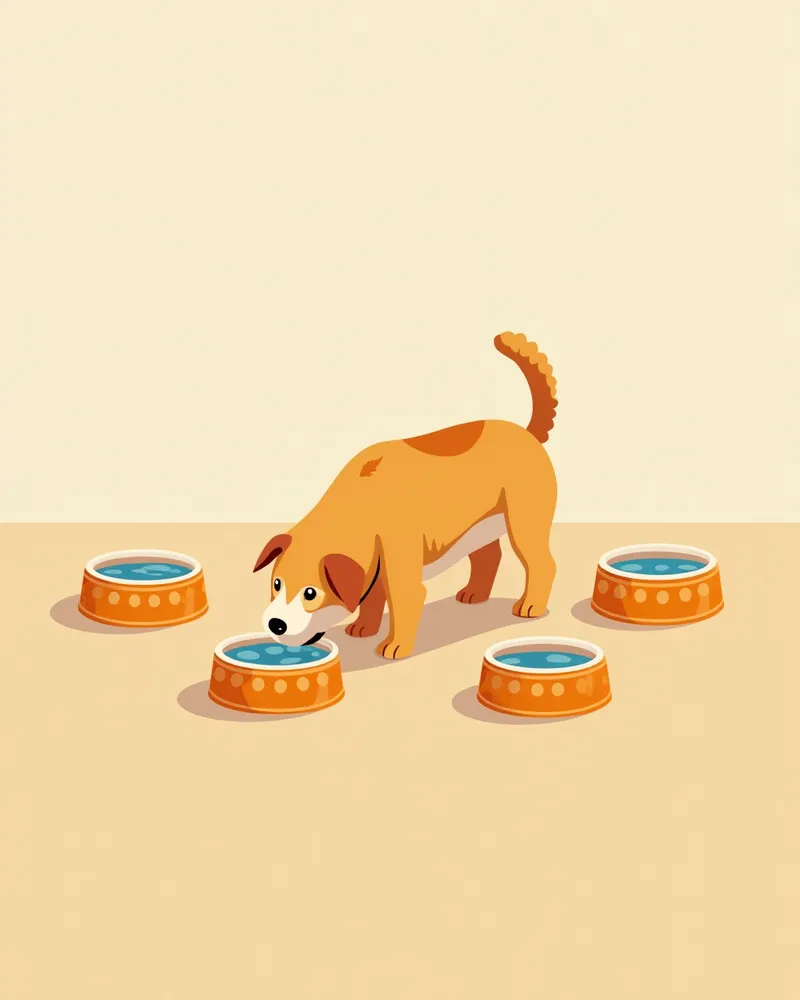
Comparison of Struvite Urinary Stone Treatment Methods
| Item | Speed of effect | Cost | Likelihood of recurrence |
|---|---|---|---|
| Surgical removal | Fast | High | Medium |
| Dietary therapy | Moderate | Low | Low |
| Drug treatment | Slow | Low | High |
Surgery has an immediate effect but carries a risk of recurrence. Dietary therapy has low cost and a low recurrence rate, but the treatment period is long. Note that not all uroliths can be treated with dietary therapy; uroliths of components other than struvite cannot be resolved with dietary therapy.
Caution: Incorrect Diets Can Be Dangerous
Struvite stone prevention diets should only be fed under a veterinarian's guidance. Incorrect diets can cause other types of stones. Female dogs and small breeds are at higher risk, so always consult with a professional.
Reviewed by a veterinarian

Dr. Tony — Punnawat Phongkittirak
VeterinarianA veterinarian who majored in veterinary medicine at Khon Kaen University, Thailand, and completed the IVSA program at North Carolina State University in the United States. Drawing on clinical experience at animal hospitals, he works in the pet healthcare field and is dedicated to building a digital care environment that connects pet parents with veterinarians.
Reviewed 2026-06-29
Frequently Asked Questions
Can struvite bladder stones recur?
Does a urinary tract infection in dogs lead to the formation of struvite stones?
Can diet alone dissolve urinary stones?
How do veterinarians treat struvite bladder stones?
What kind of food should I give my pet for prevention?
Share
Related Guides
Top 5 Prescription Diets for Feline FLUTD — Comparison by Struvite and Calcium Oxalate Stones

Top 7 Prescription Diets for Feline Bladder and Urinary Tract Health Recommended by Veterinarians — Including Selection Criteria

Top 5 Cranberry Urinary Supplements for Dogs — Preventing Cystitis
Dog Flea Allergy Dermatitis FAQ — Key Information Every Pet Owner Should Know
Dog Fecal Parasite Testing Methods FAQ — Key Points Every Pet Owner Should Know
Frequently Asked Questions on Removing Fleas from Your Dog’s Indoor Environment — Key Information Every Pet Owner Should Know
Dog Ear Mites FAQ — Key Information Every Owner Should Know
Canine Demodicosis (Demodex) FAQ — Key Information Every Owner Should Know
Dog Combination Dewormer Selection Guide FAQ — Key Points Every Pet Owner Must Know
Feline Toxoplasmosis FAQ — Key Information Every Pet Owner Should Know
References
[1] Plumb's Veterinary Drug Handbook, 9th Edition, 2022
[2] Feldman, B. F., & Nelson, R. W. (2013). Canine and Feline Nephrology and Urology, 2nd Edition. Elsevier.
[3] IDEXX Laboratories. (2022). Urinalysis in the Dog and Cat. Technical Guide.