Like
Share
멍실장
강아지 만성 재발 요로 감염 자주 묻는 질문 Q&A — 보호자가 꼭 알아야 할 핵심

Frequently Asked Questions About Chronic Recurrent Urinary Tract Infections in Dogs — Key Points Every Pet Owner Should Know

UrinaryQ&AMeongsiljang Veterinary Advisory Board

Chronic recurrent urinary tract infections in dogs are a painful condition characterized by recurring urinary symptoms. Here’s a clear overview of the causes, symptoms, and management strategies that every pet owner should know.

Chronic Recurrent Urinary Tract Infections in Dogs Are Recurring Urinary Problems
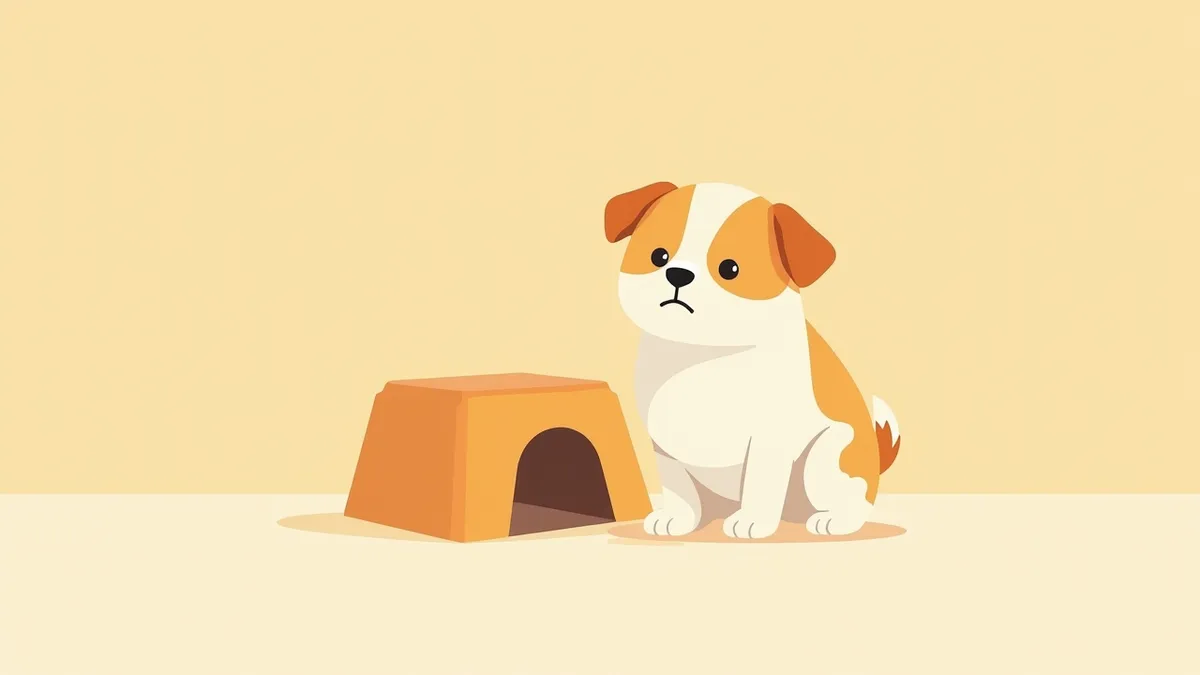
A puppy struggling to urinate
Chronic recurrent urinary tract infections in dogs occur when bacteria repeatedly invade the urinary tract, causing inflammation. Because these infections often return even after treatment, they can be a significant burden for pet owners. Structural abnormalities of the urinary tract (such as ectopic ureters or a recessed vulva), urinary stones, or underlying conditions (such as diabetes mellitus, hyperadrenocorticism, or chronic kidney disease) can all be risk factors. It is essential to rule out other conditions and perform appropriate diagnostic tests for an accurate diagnosis. - Main causes of recurrent infection: Recurrent infections are more likely when the urinary tract’s natural defenses are weakened or when conditions persist that allow bacteria to thrive. - Presence of stones: Urinary stones provide a surface where bacteria can easily colonize. - Underlying diseases: Endocrine disorders such as diabetes mellitus and hyperadrenocorticism, chronic kidney disease, or immunosuppressed states can trigger recurrent infections. - Inadequate treatment: Failing to complete the full course of antibiotics or stopping them prematurely can leave bacteria behind, leading to recurrence. Early, accurate diagnosis and consistent management are essential.

Why Do Urinary Tract Infections Keep Coming Back?
There are several reasons why chronic recurrent urinary tract infections keep coming back in dogs. - Structural abnormalities: Abnormal urinary tract structures, such as ectopic ureters or a recessed vulva, create environments where bacteria can easily accumulate. - Urinary stones: Stones provide a space for bacteria to colonize, making treatment more difficult. - Underlying diseases: Endocrine disorders like diabetes mellitus or hyperadrenocorticism, as well as chronic kidney disease, can increase susceptibility to infection. - Inadequate treatment: If antibiotics are not taken fully and as prescribed, bacteria may remain and cause a relapse. - Environmental factors: Poor litter box hygiene or insufficient water intake can negatively impact urinary tract health. It is important to identify the exact cause and implement tailored management.
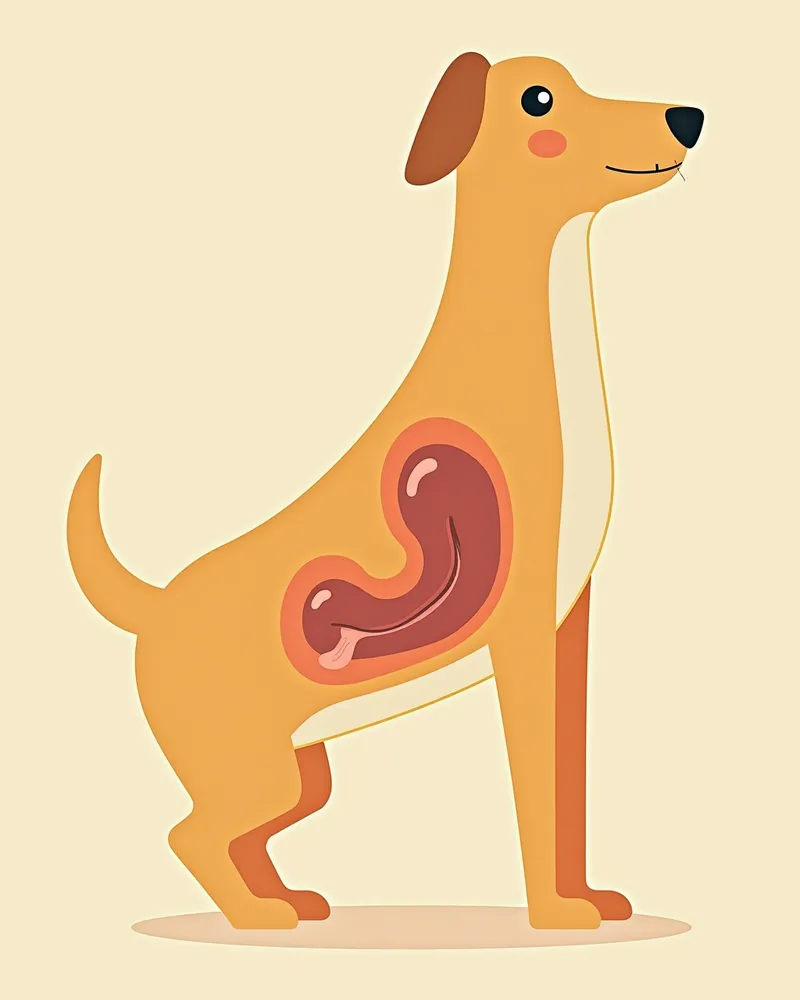
Diagram showing the urinary tract anatomy and infection sites in dogs

5 Main Symptoms

The main symptoms of chronic recurrent urinary tract infections in dogs are as follows:
Frequent urination: The dog tries to urinate frequently at short intervals.
Painful urination: The dog shows signs of discomfort while urinating, such as whining or remaining in a squatting position for an extended period.
Hematuria: Blood may be present in the urine.
Inappropriate elimination: The dog repeatedly urinates outside of designated areas.
Post-void straining: The dog appears tense or unable to fully relax its posture even after urinating.
If you notice any of these signs, consult your veterinarian immediately.
A puppy showing signs of discomfort after urinating.

Signs That Require an Immediate Vet Visit

If your dog is unable to urinate at all, shows severe pain during urination, or experiences fever, vomiting, or loss of appetite, you should take them to the vet immediately. These could be signs of urinary tract obstruction or sepsis. Prompt treatment can save their life.

How Is the Diagnosis Made?
Accurate diagnosis is the first step in treating chronic recurrent urinary tract infections in dogs. - Urinalysis: Checks for abnormalities such as white blood cells, blood, and protein. - Urine culture: Identifies the specific bacteria present and predicts antibiotic susceptibility. - Ultrasound: Visually assesses for urinary stones, structural abnormalities, and kidney issues. - Blood tests: Evaluates overall health status and inflammation levels. - Urinary endoscopy: Allows direct visualization of the urinary tract in severe cases. - Clinical symptom analysis: Comprehensively assesses urination behavior, presence of pain, and other signs. Combining multiple tests helps ensure an accurate diagnosis.
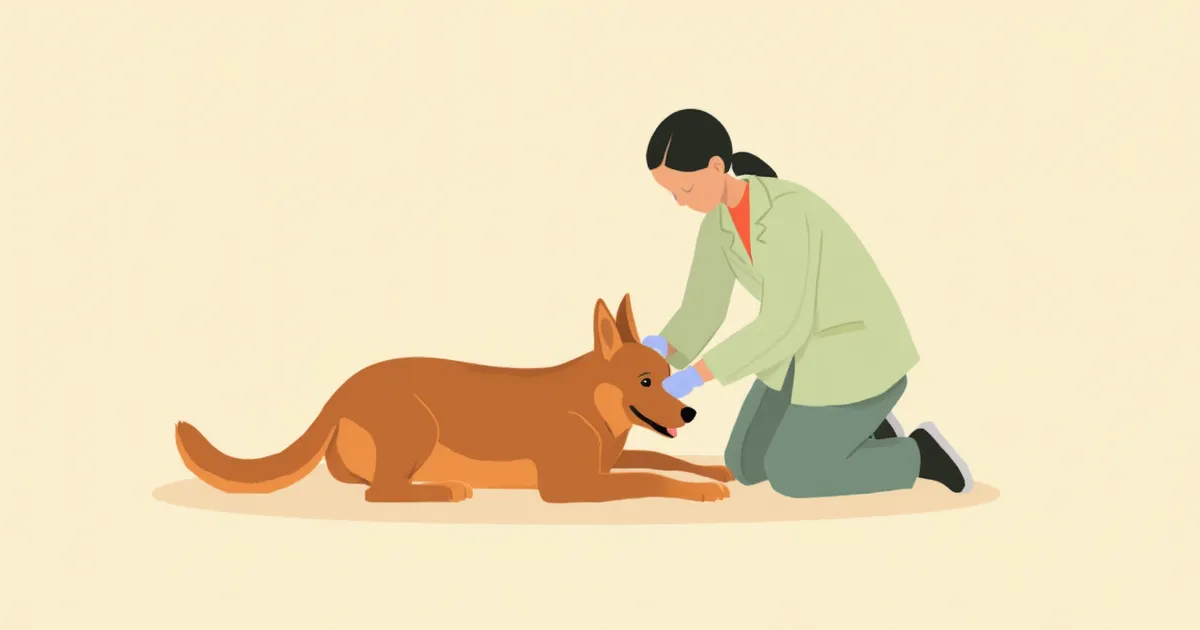
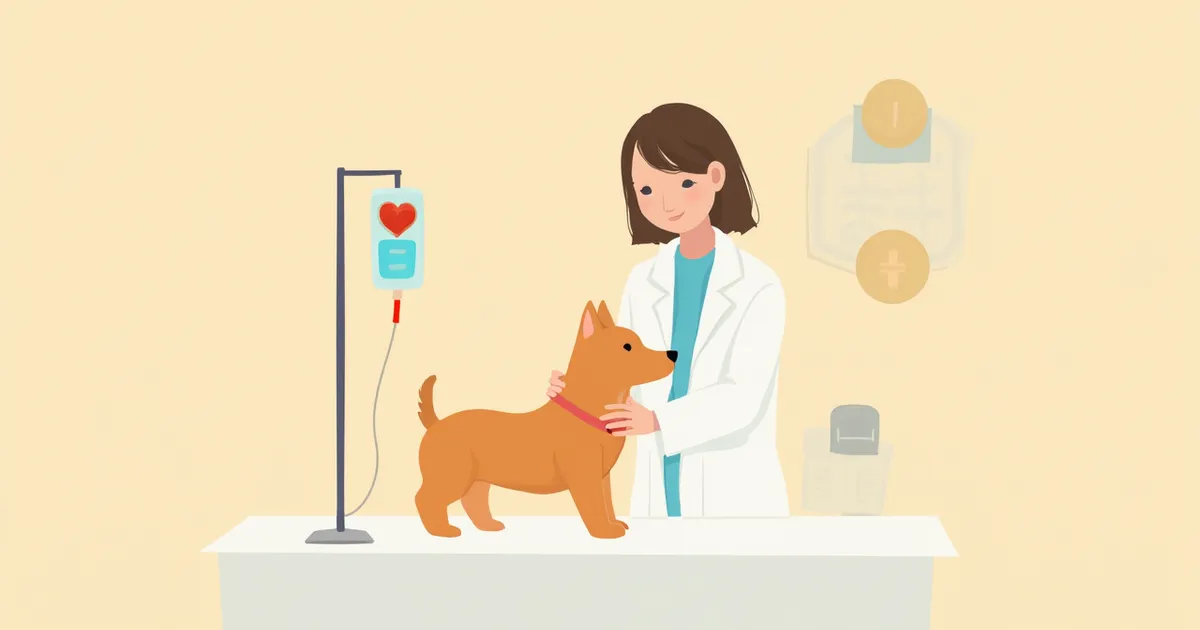
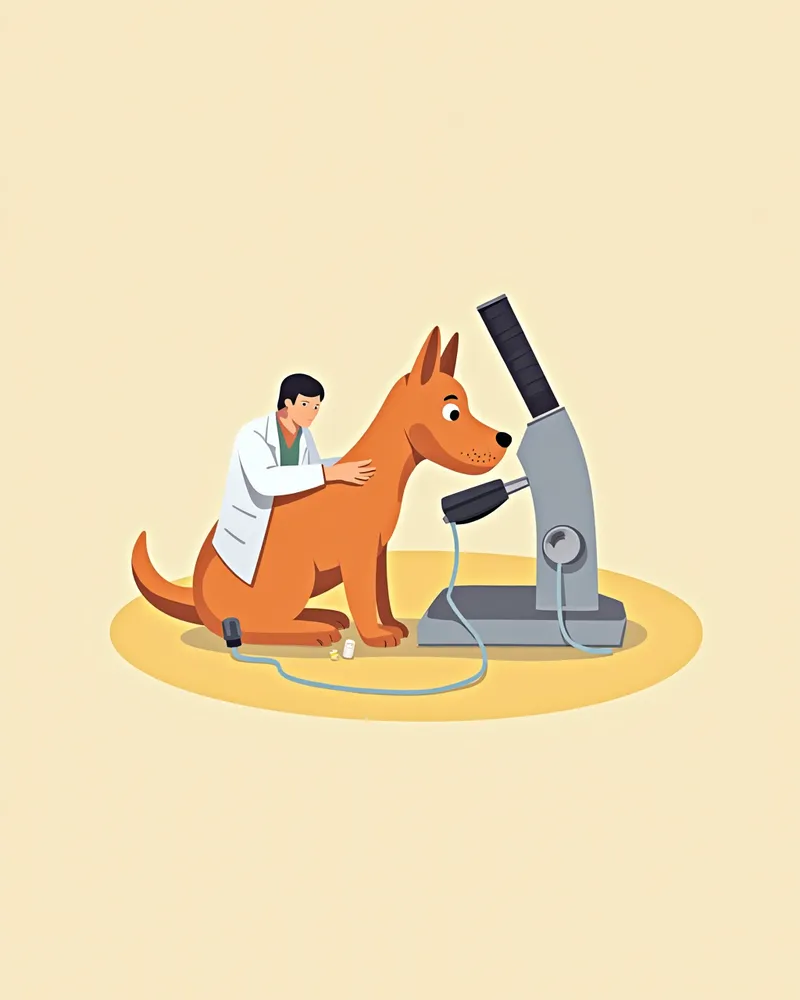
A veterinarian is conducting a urine test on a puppy.

Step-by-Step Treatment Methods

Treatment is carried out in stages.
Antibiotic therapy: Based on urine culture and sensitivity test results, an appropriate antibiotic is selected to target the specific bacteria, and it should be taken exactly as prescribed by your veterinarian. The goal is to keep the treatment course as short as possible, so please do not arbitrarily extend or shorten the duration.
Addressing the underlying cause: If stones are present, they are removed through surgery or dietary management. If there is an underlying disease, appropriate treatment is administered concurrently. In cases of recurrent or persistent infection, identifying and resolving the underlying risk factors is of utmost importance.
Boosting immunity: Maintaining nutritional balance and managing stress are key factors. Immune-modulating agents are considered only when a specific cause has been identified.
Preventive care: Increasing water intake, cleaning the litter box more frequently, and maintaining a consistent environment are essential. These measures must always be implemented under the guidance of your veterinarian.
Regular check-ups are necessary throughout the treatment period.
A puppy drinking water to stay hydrated

Home Care Management

Home care is crucial for managing chronic recurrent urinary tract infections in dogs.
Increase water intake: Change the water frequently and place multiple bowls around the house. Follow the recommended amount provided by your veterinarian.
Increase litter box cleaning frequency: Clean the litter box at least two to three times daily. Proper hygiene is key to preventing infection.
Reduce stress: Maintain a consistent routine and a calm environment, as stress can impact urinary tract health.
Dietary management: Use the special prescription diet recommended by your veterinarian. The appropriate diet depends on your dog’s specific condition.
Record urination frequency: Keep track of when your dog urinates and the volume produced. This information is valuable for further diagnosis.
These habits can help reduce the likelihood of recurrence.
A clean dog bathroom

Comparison of Recurrence Prevention Strategies

ItemEffectPreparation timeCost
Increased water intakeHighLowLow
Increased litter box cleaning frequencyMediumLowLow
Use of special dietHighMediumMedium
Prophylactic antibiotic administrationMediumHighHigh

Administer prophylactic antibiotics only under veterinary instruction. Long-term use carries a risk of resistance developing.

Caution: Avoid Overuse of Antibiotics

Repeated use of antibiotics can lead to bacterial resistance, making future infections harder to treat. Avoid giving antibiotics frequently without your veterinarian’s guidance. Accurate diagnosis and a tailored treatment plan are essential.

Reviewed by a veterinarian

Dr. Tony — Punnawat Phongkittirak

Dr. Tony — Punnawat Phongkittirak

Veterinarian

A veterinarian who majored in veterinary medicine at Khon Kaen University, Thailand, and completed the IVSA program at North Carolina State University in the United States. Drawing on clinical experience at animal hospitals, he works in the pet healthcare field and is dedicated to building a digital care environment that connects pet parents with veterinarians.

Frequently Asked Questions

Does frequent urination in dogs indicate a urinary tract infection?
Frequent urination is a classic sign of a urinary tract infection. However, other conditions such as urinary stones, diabetes, or kidney disease can also cause this symptom, so an accurate diagnosis is essential.
What should I do if a urinary tract infection keeps coming back?
If the condition recurs, it’s important to identify the underlying cause. Tests such as urine culture and ultrasound can help detect issues like bladder stones, structural abnormalities, or other underlying diseases, allowing for tailored treatment.
Do prescription diets really work?
Specialized diets help regulate urinary pH and prevent stone formation. Consistently feeding the food recommended by your veterinarian can reduce the likelihood of recurrence.
Is it okay to give my pet plenty of water at home?
Make sure your pet has plenty of fresh water available. Increasing water intake dilutes the urine and encourages more frequent urination, which supports urinary tract health. However, if your pet suddenly drinks excessive amounts of water or produces an abnormally large volume of urine, it could be a sign of other conditions such as diabetes or kidney disease, so please consult your veterinarian.
Will the infection come back after stopping antibiotics?
Infections can recur even after stopping antibiotics, often because the underlying cause wasn’t fully resolved or environmental triggers remain. Improving daily care routines is essential.

Share

Related Guides

References

[1] Feldman, E.C. (2009). Urinary tract infections. In Nelson RW, Couto CG (eds). Small Animal Internal Medicine, 4th ed. St. Louis: Mosby, pp. 624-630.

[2] Wagenlehner, F.M.E., & Naber, K.G. (2000). Hospital-acquired urinary tract infections. Journal of Hospital Infection, 46(3), 171–181.

[3] Plumb's Veterinary Drug Handbook, 9th ed. (2022). Wiley-Blackwell. Chapter on Urinary Tract Infections in Dogs.

This information is based on veterinary literature and does not replace diagnosis or treatment. Please consult a veterinarian for specific health concerns.

Metapet Co., Ltd. | CEO: Park Sung-yong | Business Reg. No. 417-88-02562 | Seoul, South Korea | Customer Center

5 FAQs About Chronic Recurrent Urinary Tract Infections in Dogs | Meongsiljang