
Dog Proteinuria FAQ — Key Information Every Pet Owner Should Know
Proteinuria in dogs can be an early sign of kidney disease that may progress rapidly. Here’s a Q&A summary of the key information every pet owner should know.
What is proteinuria in dogs?
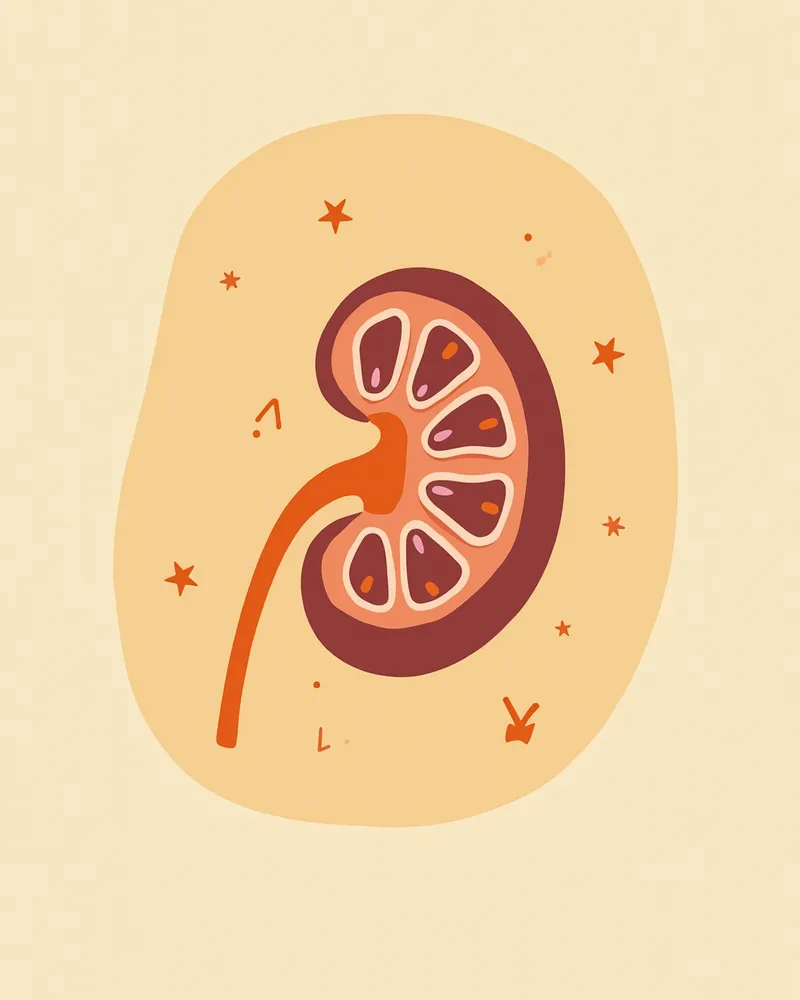
What are the main causes of proteinuria?
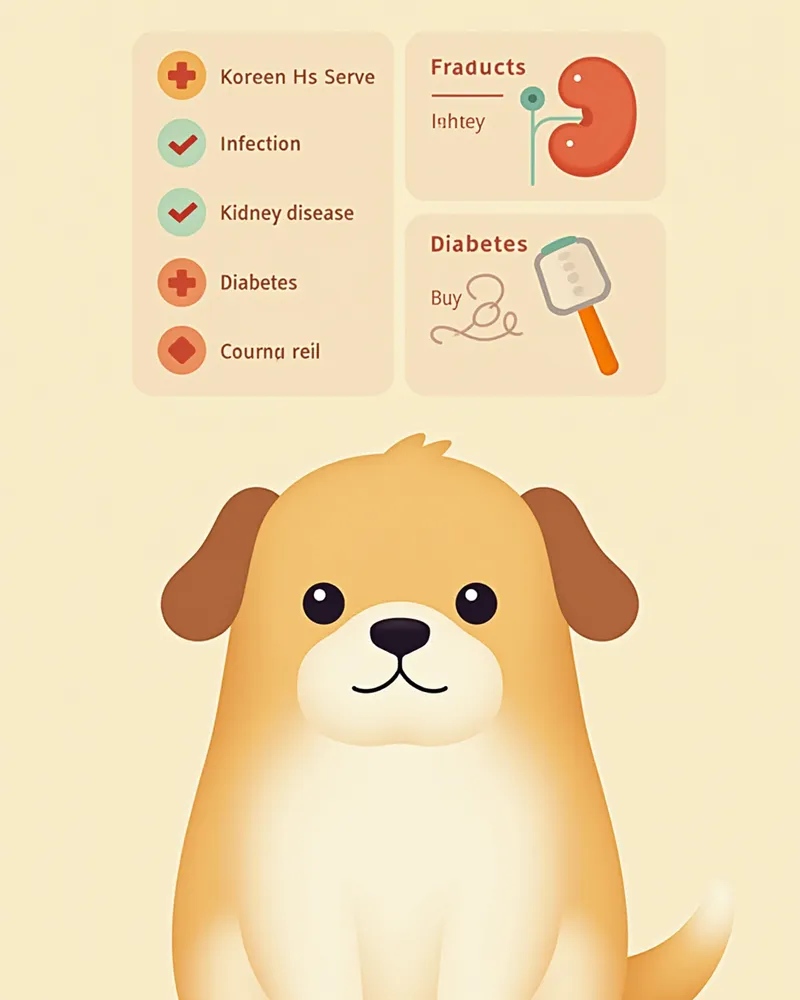
What are the main symptoms of proteinuria?

Signs Requiring Immediate Veterinary Visit
If you notice frequent foam in the urine, increased water consumption, or a sudden rise in the frequency and volume of urination, along with a loss of appetite, lethargy, weakness, or vomiting and nausea, it’s important to visit the vet right away. Proteinuria can gradually worsen kidney function, so early diagnosis and management are crucial.
How is proteinuria diagnosed?
What are the treatment methods for proteinuria?
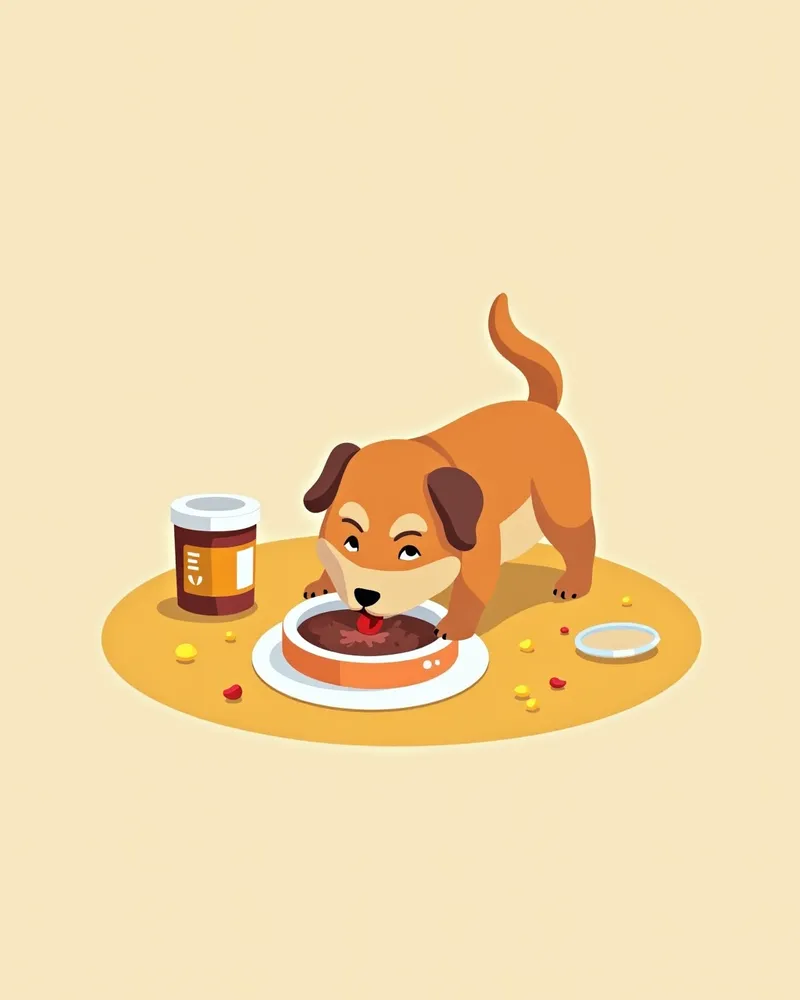
Symptoms and Management by Severity of Proteinuria
| Item | Mild | Moderate | Severe |
|---|---|---|---|
| Urine condition | Slight foaming | Frequent foaming | Heavy, sticky foam |
| Appetite | Normal | Slightly decreased | Completely absent |
| Weight change | Normal | Slightly decreased | Rapidly decreased |
| How to respond | Perform regular urinalysis | Attempt dietary adjustment under veterinary consultation | Visit the clinic immediately and receive specialist care |
The actual severity of proteinuria is hard to judge from visible symptoms alone, and is assessed with tests like the urine protein/creatinine ratio (UPC). Since the risk can grow as it progresses, it's important to respond early based on clinical judgment.
Caution: Risk of Worsening Due to Improper Management
If you suspect proteinuria, do not self-medicate or change your pet’s diet on your own, as improper dietary management can worsen kidney function. Always seek a veterinarian’s diagnosis and prescription.
Reviewed by a veterinarian

Dr. Tony — Punnawat Phongkittirak
VeterinarianA veterinarian who majored in veterinary medicine at Khon Kaen University, Thailand, and completed the IVSA program at North Carolina State University in the United States. Drawing on clinical experience at animal hospitals, he works in the pet healthcare field and is dedicated to building a digital care environment that connects pet parents with veterinarians.
Reviewed 2026-06-29
Frequently Asked Questions
Does foam in your dog’s urine mean they have protein in their urine?
Can proteinuria be treated?
Should I change my pet’s food if protein appears in their urine?
Is proteinuria hereditary?
How often should proteinuria tests be performed?
Share
Related Guides

Top 5 Prescription Diets for Feline FLUTD — Comparison by Struvite and Calcium Oxalate Stones

Top 7 Prescription Diets for Feline Bladder and Urinary Tract Health Recommended by Veterinarians — Including Selection Criteria

Top 5 Cranberry Urinary Supplements for Dogs — Preventing Cystitis
Do pets need blood transfusions too — what happens if blood types don't match?
How do clinics check monitoring parameters during anesthesia?
How is an echocardiogram performed? — When is it needed and how are the results interpreted?
The Complete Guide to When and How to Interpret an ECG

Is My Dog Nutritionally Deficient? — Easy-to-Miss Signs of Nutritional Deficiency and Assessment Methods

Is homemade dog food safe? — Prohibited ingredients to remove and how to balance nutrition

What Is Hemophilia in Dogs? — Warning Signs of Bruising and Bleeding, and Lifelong Management
References
[1] Plumb's Veterinary Drug Handbook, 9th ed. (2021). Wiley-Blackwell.
[2] Hoskins, J.D. et al. (2019). Urinalysis in Dogs and Cats: A Practical Guide. Veterinary Clinics of North America: Small Animal Practice, 49(3), 457–478.
[3] Kirk, C.W. & Bonagura, J.D. (2020). Current Veterinary Therapy XII: Small Animal Practice. Elsevier.