Like
Share
멍실장
강아지 빈뇨·긴박뇨 자주 묻는 질문 Q&A — 보호자가 꼭 알아야 할 핵심

Dog Pollakiuria and Urinary Urgency FAQ — Key Information Every Pet Owner Should Know

UrinaryQ&AMeongsiljang Veterinary Advisory Board

If your dog is urinating frequently or rushing to go, it could be a sign of pollakiuria or urinary urgency. The causes can range from infections to urinary stones, so we’ve put together the key information every pet owner should know.

What Are Pollakiuria and Urinary Urgency in Dogs?
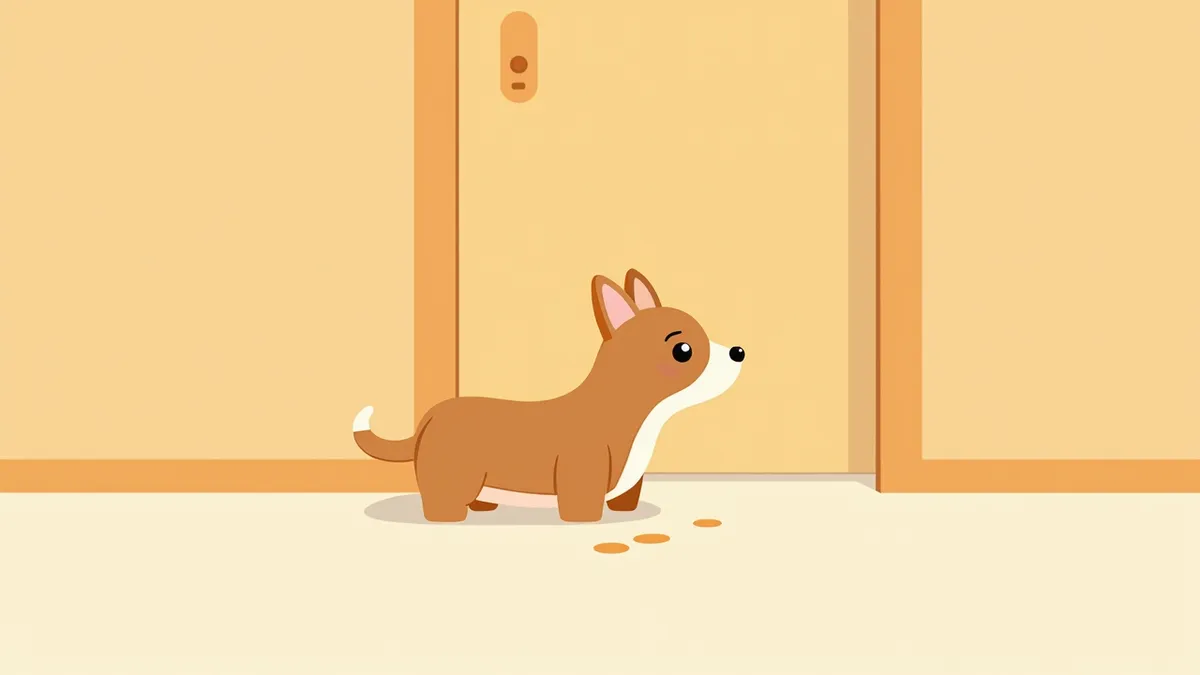
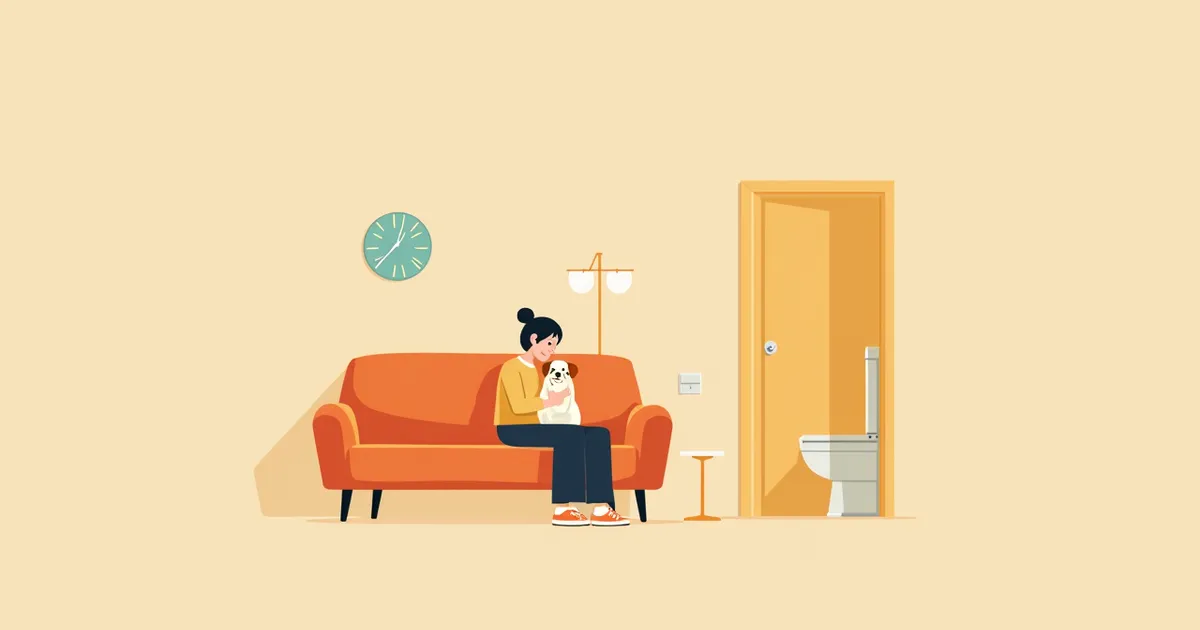
A dog urgently searching for a bathroom
Frequent urination and urinary urgency in dogs refer to behaviors where your dog urinates often or suddenly rushes to the bathroom. This frequent passage of small amounts of urine is typically a sign of inflammation in the lower urinary tract, such as the bladder or urethra. Dogs often strain to urinate, experience pain during the process, and only pass small volumes. Common causes include lower urinary tract issues or problems in surrounding areas, such as cystitis, bladder or urethral stones, bacterial infections, prostate disease, or tumors of the bladder or prostate. In contrast, polyuria and polydipsia—characterized by an overall increase in urine volume and excessive water drinking—may indicate different underlying conditions like diabetes or kidney disease, and should be distinguished from simple frequent urination. Since persistent symptoms can lead to chronic disease, it is important to consult a veterinarian early to identify the exact cause.

Why Is My Dog Showing Pollakiuria and Urinary Urgency?
Frequent urination of small amounts or urgent, frequent trips to the bathroom—known as pollakiuria and urinary urgency—are most often linked to inflammation in the lower urinary tract. Common causes include bacterial cystitis, bladder or urethral stones, prostate disease, and bladder tumors. Unlike cats, dogs frequently develop lower urinary tract inflammation due to bacterial infections. On the other hand, conditions such as diabetes mellitus, kidney disease, and Cushing’s syndrome cause increased urine volume and excessive thirst, presenting as polyuria and polydipsia, which should be distinguished from pollakiuria. While stress or environmental changes can temporarily affect urination behavior, these symptoms are usually short-lived. Pathological pollakiuria and urgency require accurate diagnosis; starting treatment without identifying the underlying cause can delay diagnosis or mask symptoms, so caution is essential.
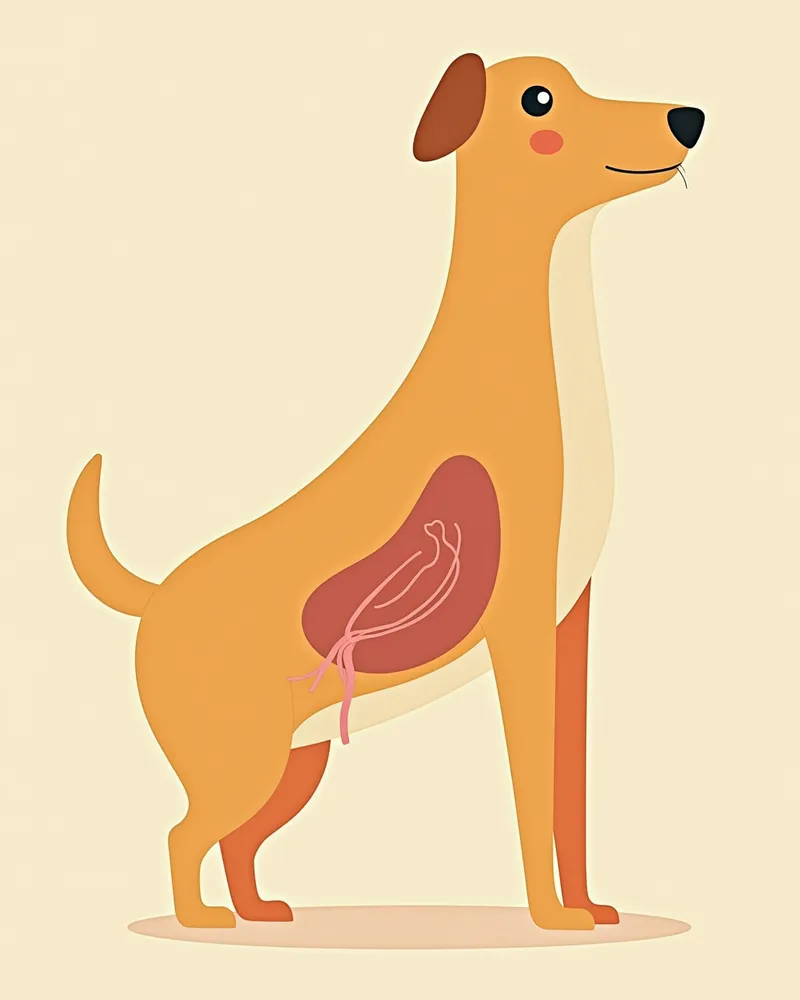
Anatomy of the Dog Urinary System

5 Main Causes of Pollakiuria and Urinary Urgency
Urinary Tract Infection: This occurs when bacteria invade the bladder or urethra, causing inflammation. In dogs, E. coli is the most common causative bacterium. Symptoms may include frequent urination, pain during urination, and blood in the urine.
Urinary Tract Stones: Stones forming in the bladder or urethra can obstruct urine flow, leading to straining or passing only small amounts of urine. If a stone completely blocks the urethra, preventing any urine output, it results in urinary obstruction, which is a medical emergency.
Cystitis: Inflammation of the bladder can cause pain during urination, frequent urination, and blood in the urine.
Prostate Disease: In male dogs, prostate inflammation or tumors can also cause frequent urination, urgency, and pain during urination.
Differentiation from Polyuria Conditions: Diabetes mellitus, Cushing’s syndrome, and kidney disease present with polyuria and polydipsia, meaning an overall increase in urine volume and excessive water drinking. These conditions must be distinguished from frequent urination of small volumes during diagnosis.
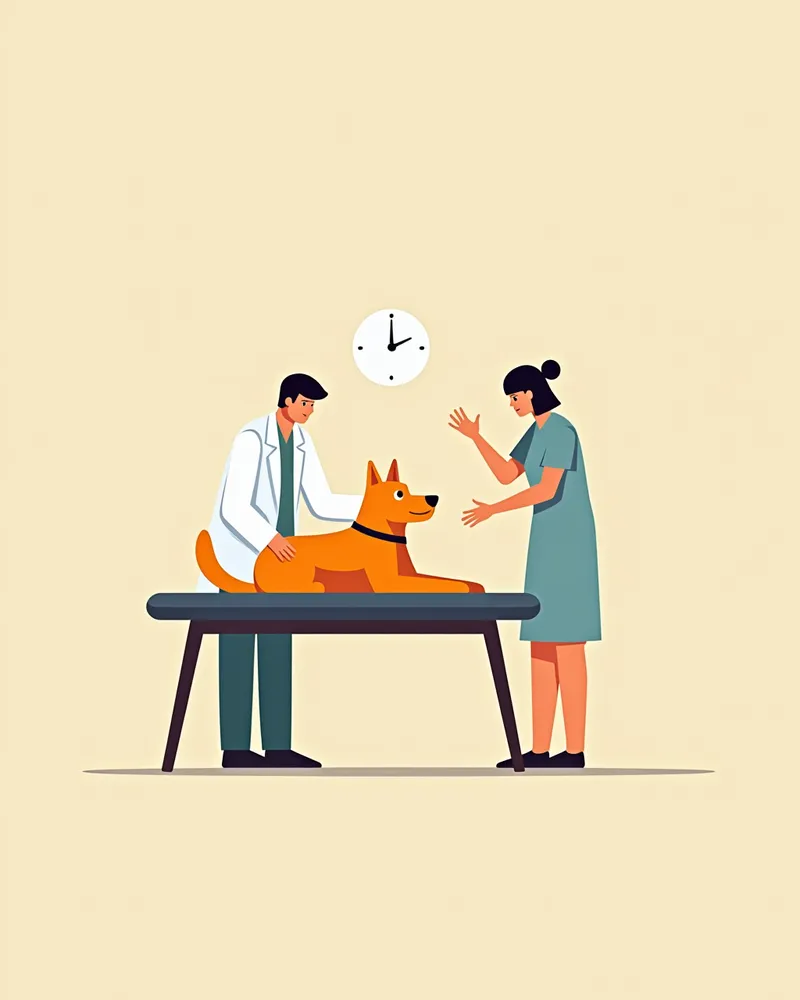
A puppy being examined by a veterinarian

Comparison of Responses Based on Severity of Pollakiuria and Urinary Urgency

ItemMain SymptomsResponse MeasuresClinic Visit Needed
MildOnly frequent urination presentAddress with routine observationSchedule a veterinary consultation
ModeratePain during urination, blood mixed inVisit the clinic immediatelyBegin examination and treatment
SevereNo urine passed, stumbling, vomitingVisit an emergency clinicImmediate surgery or treatment

A case where no urine is passed requires an immediate clinic visit.

Initial Home Care Measures
When your dog shows signs of frequent urination or urgency, the first step is to reduce stress. Keep the environment calm and help establish a routine for regular bathroom breaks. Place water bowls in multiple locations to ensure easy access and encourage adequate hydration. However, never administer medication on your own before identifying the cause, as this can mask symptoms or worsen the condition. Frequent urination and urgency are often caused by issues requiring precise diagnosis, such as lower urinary tract inflammation, so home care should only serve as a supportive measure. If symptoms persist or your dog struggles to urinate, a veterinary diagnosis is essential.
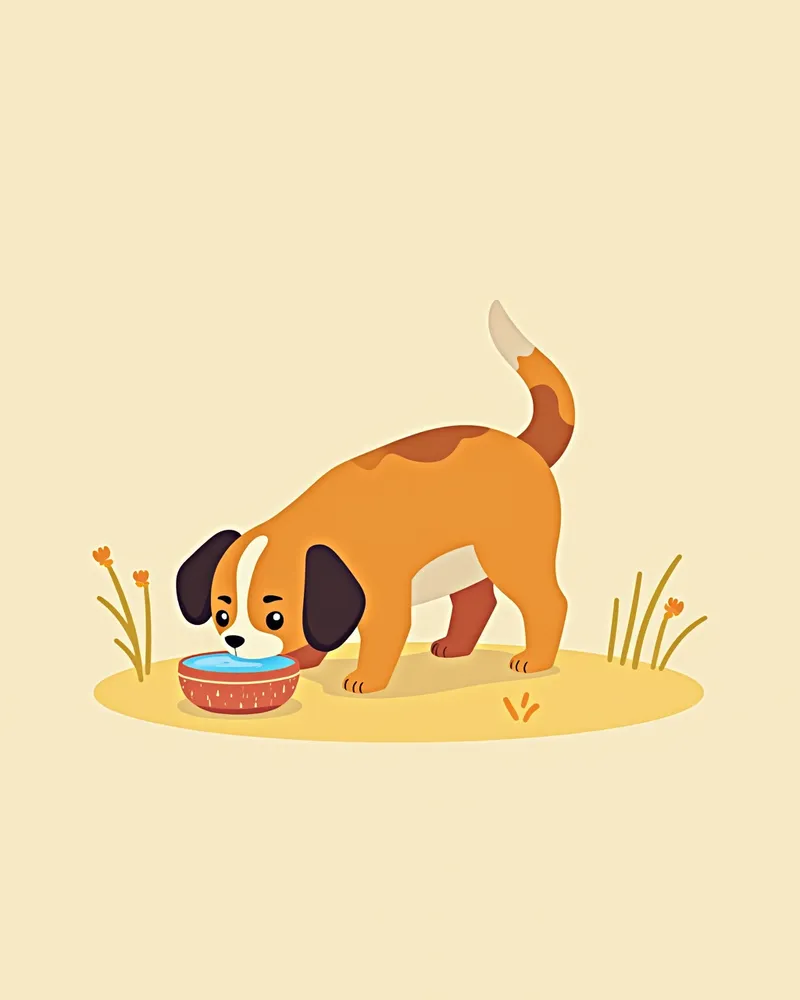
A puppy drinking water

Signs That Require Immediate Veterinary Attention

If your dog tries to urinate but nothing comes out, keeps straining without producing urine, or shows signs of vomiting or shock, seek veterinary care immediately. These symptoms may indicate a urinary tract obstruction, and prompt treatment can be life-saving.

Daily Management Tips for Prevention
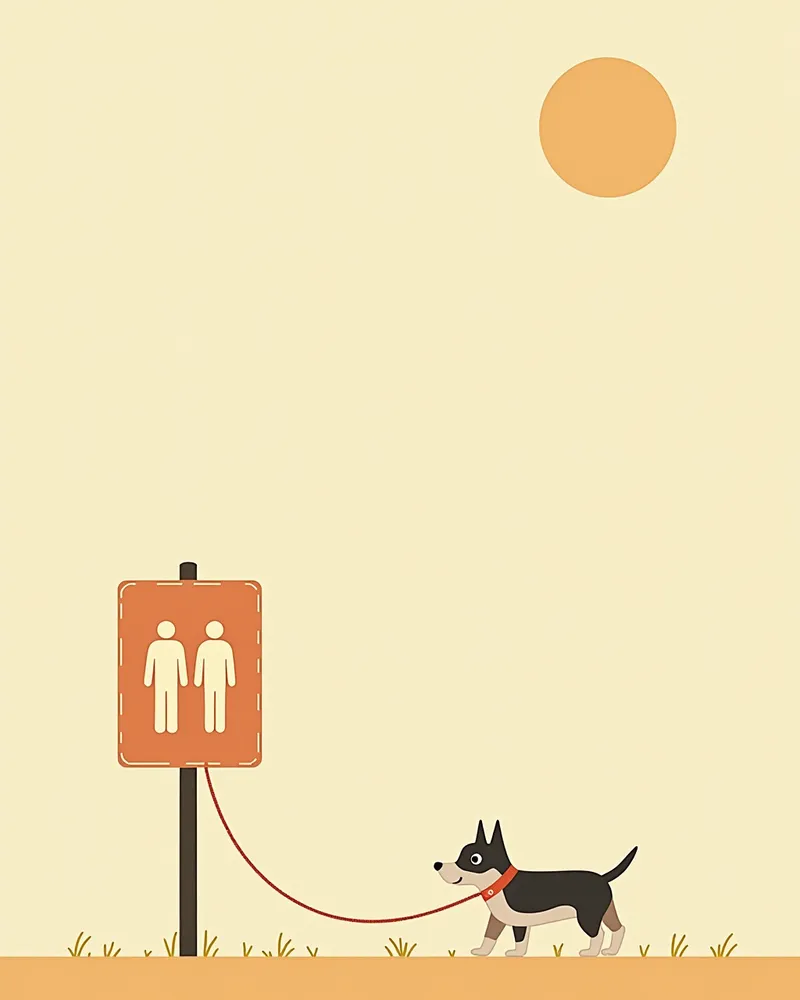
- Ensure adequate water intake: Make sure your dog drinks enough water daily. Place water bowls in multiple locations and refresh the water frequently to keep it clean. This is especially important for senior dogs at risk of kidney disease, as encouraging proper hydration is key. - Establish a bathroom routine: Help your dog develop a consistent schedule for going to the bathroom. The best times are typically after meals or right after waking up. - Dietary management: Choosing food that supports urinary tract health is important. However, always consult your veterinarian before selecting specific ingredients, as overly restrictive or unbalanced diets can actually place additional stress on your dog’s system. - Regular check-ups: Senior dogs benefit from routine health screenings, including urinalysis, to monitor their well-being. Early detection plays a crucial role in effective treatment. - Stress management: Dogs that are sensitive to environmental changes or noise need a calm, low-stress environment. Pay special attention to stress levels if your dog is experiencing frequent urination, as anxiety can worsen symptoms.
Managing Your Dog’s Bathroom Habits

Reviewed by a veterinarian

Dr. Tony — Punnawat Phongkittirak

Dr. Tony — Punnawat Phongkittirak

Veterinarian

A veterinarian who majored in veterinary medicine at Khon Kaen University, Thailand, and completed the IVSA program at North Carolina State University in the United States. Drawing on clinical experience at animal hospitals, he works in the pet healthcare field and is dedicated to building a digital care environment that connects pet parents with veterinarians.

Frequently Asked Questions

Is it normal for my dog to urinate frequently?
No, urinating too frequently may not be normal. There could be an issue such as inflammation in the bladder or lower urinary tract, so it’s best to have your pet evaluated by a veterinarian.
What should I do if there’s blood in my pet’s urine?
Blood in the urine can indicate a urinary tract infection, stones, or tumors. Immediate veterinary diagnosis is essential, and a visit to the clinic is necessary.
Can senior dogs also experience frequent urination and urgency?
Yes, senior dogs can experience frequent urination and urgency due to lower urinary tract inflammation or issues with nerve regulation. However, it’s important to distinguish these symptoms from conditions like diabetes or kidney disease, which cause increased urine volume and excessive thirst. Regular check-ups are essential for early detection and proper management.
Can I give my pet medication at home?
No, you should never give medication without knowing the cause, as it could mask symptoms or make the condition worse. It's essential to have a veterinarian diagnose the issue and prescribe the appropriate treatment.
What kind of food should I choose for prevention?
While choosing a diet that supports urinary tract health is beneficial, it’s important to be cautious about ingredient adjustments. For the safest approach, consult your veterinarian to get a food recommendation tailored to your pet’s individual health status.

Share

Related Guides

References

[1] Ettinger, S.J., Feldman, E.C., & Côté, E. (2017). Textbook of Veterinary Internal Medicine: Diseases of the Dog and the Cat. 8th ed. Elsevier.

[2] Côté, E. (2015). Clinical Veterinary Advisor: Dogs and Cats. 3rd ed. Elsevier Mosby.

[3] Hubbert, W.T. (1972). Bacteria and spermatozoa in the canine urinary bladder. Cornell Vet. 62: 13–20.

This information is based on veterinary literature and does not replace diagnosis or treatment. Please consult a veterinarian for specific health concerns.

Metapet Co., Ltd. | CEO: Park Sung-yong | Business Reg. No. 417-88-02562 | Seoul, South Korea | Customer Center

Dog Pollakiuria & Urinary Urgency: FAQ and Vet Warning Signs | Meongsiljang