Like
Share
멍실장
고양이 말단비대증 고양이 자주 묻는 질문 Q&A — 보호자가 꼭 알아야 할 핵심

What is Feline Acromegaly? — The Real Reason Insulin Isn’t Working and Diagnosis

EndocrineQ&AMeongsiljang Veterinary Advisory Board

Feline acromegaly is a rare endocrine disorder caused by excessive growth hormone production. It often occurs alongside diabetes, making early detection crucial.

What is Feline Acromegaly?
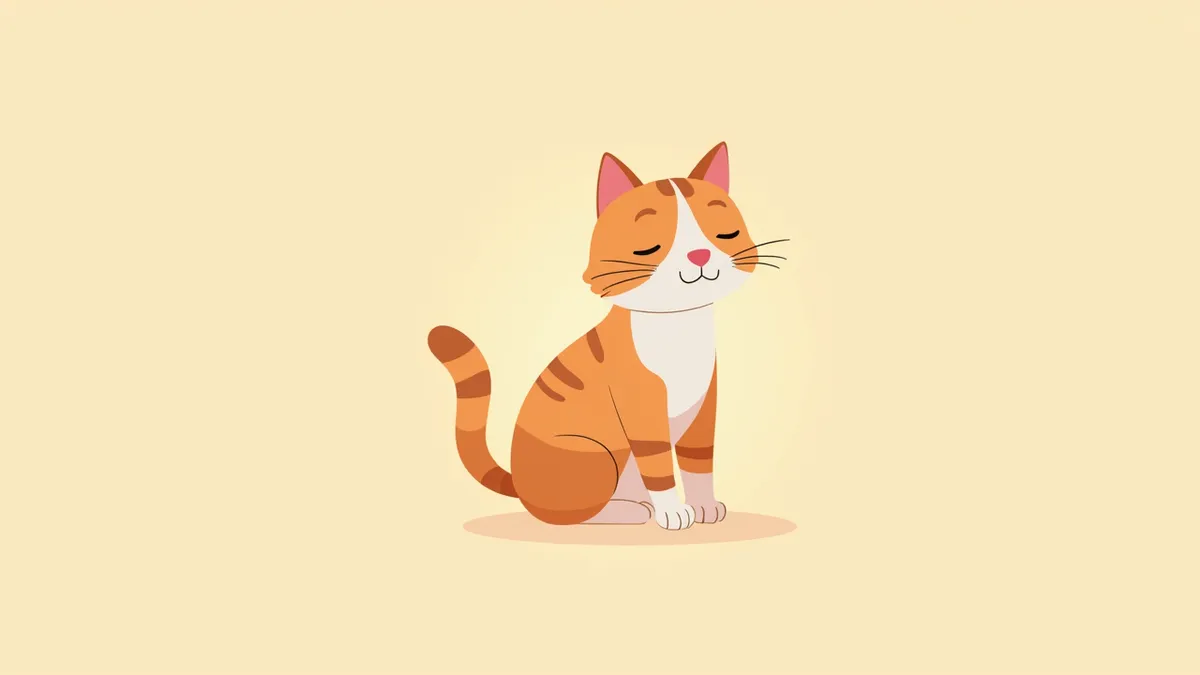
An illustration showing a pituitary tumor in a cat and excessive secretion of growth hormone.
Feline acromegaly is a relatively uncommon endocrine disorder caused by a pituitary tumor that leads to excessive secretion of growth hormone. It primarily affects middle-aged to older cats, especially neutered males, and is often diagnosed alongside diabetes mellitus. - Excess growth hormone: Growth hormone interferes with insulin action, so overproduction can cause insulin resistance, making diabetes difficult to manage. - Physical changes: You may notice outward changes such as thickened paws (toes), a broadened face, and an enlarged head. - Insulin resistance: Be alert if diabetes is poorly controlled or if insulin doses keep increasing. Early detection and accurate diagnosis are key to successful treatment.

What are the main causes of this condition?
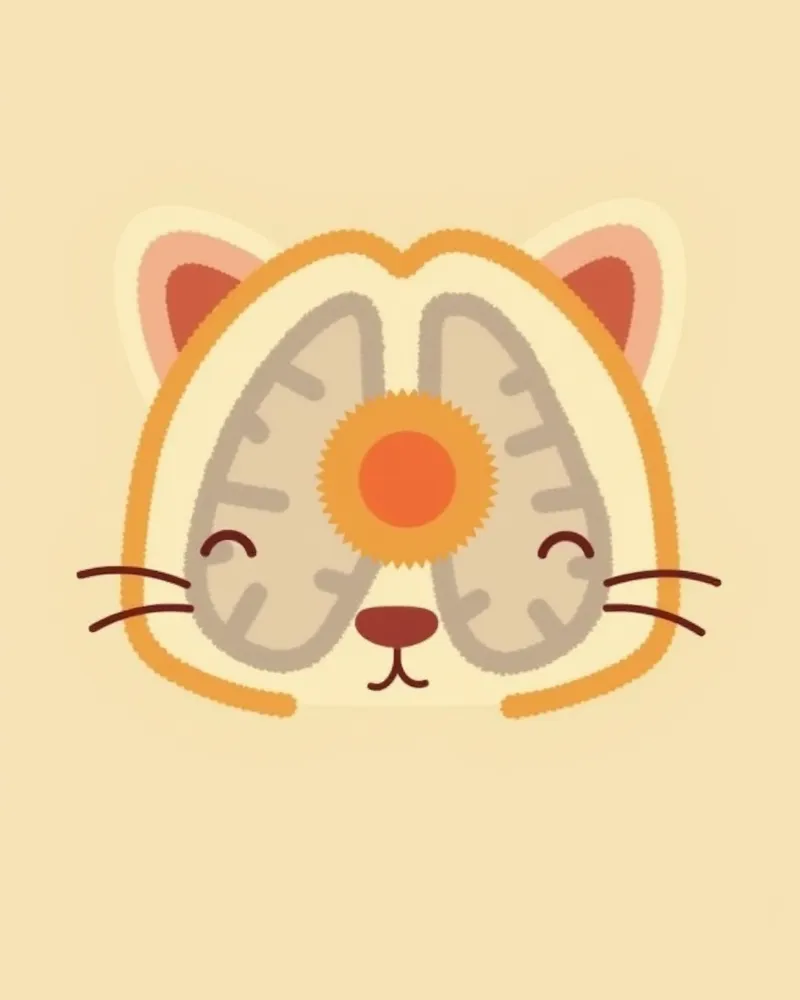
The primary cause of feline acromegaly is a functional tumor (adenoma) or hyperplasia (proliferation) in the pituitary gland. This tumor continuously secretes growth hormone, elevating its concentration in the blood. - Pituitary tumors: Most cases arise from adenomas (benign tumors) or hyperplasia of pituitary cells, which induce growth hormone secretion and trigger clinical signs. - At-risk population: The condition is more commonly diagnosed in middle-aged and older cats, particularly neutered males. - Effects of hormone excess: Growth hormone causes enlargement of multiple organs, including the heart, through IGF-1, and worsens diabetes mellitus by inducing insulin resistance. Regular check-ups are essential for early diagnosis.
MRI image showing a pituitary tumor in a cat

What symptoms appear?

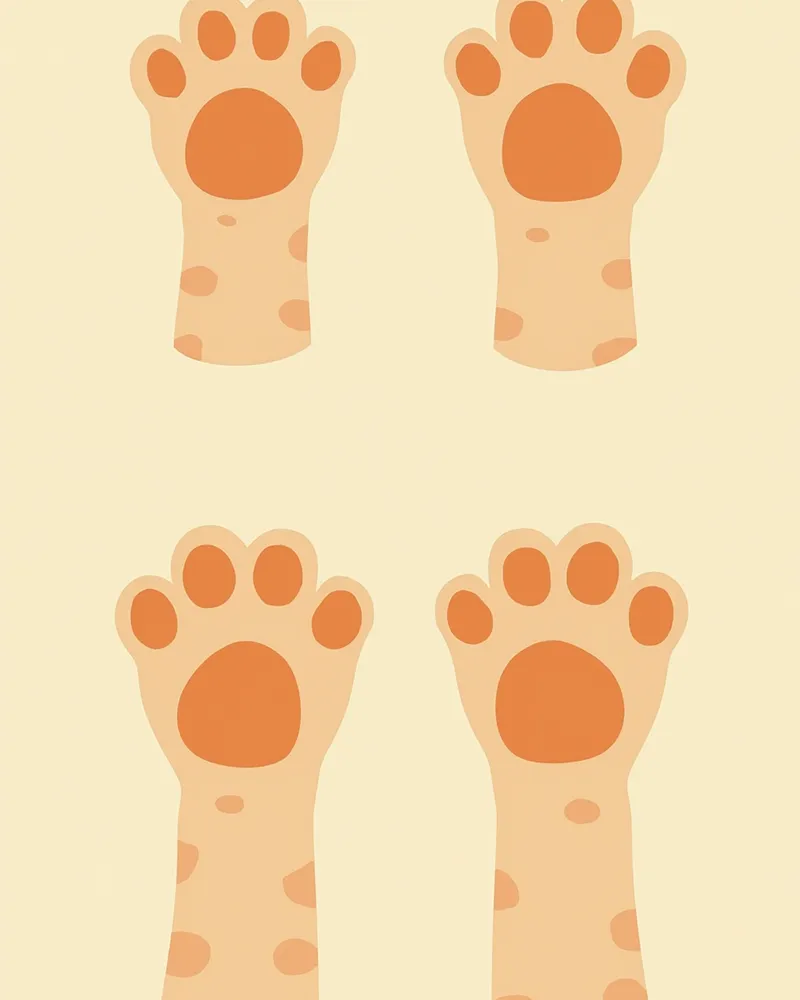
The hallmark signs of feline acromegaly are changes in body shape and poorly controlled diabetes. - Changes in body shape: The paws (toes) may become thickened, the face broader, and the head larger. - Worsening diabetes: Severe insulin resistance often leads to poorly controlled diabetes or a continuously increasing insulin dosage. - Polydipsia, polyuria, and polyphagia: Due to diabetes, your cat may drink excessive amounts of water, produce more urine, and show an increased appetite. - Organ enlargement: Excess growth hormone can cause organs such as the heart to enlarge, potentially accompanied by systemic hypertension. - Neurological symptoms: If the pituitary tumor grows, neurological signs such as behavioral changes may occur. If you suspect these symptoms, immediate veterinary attention is necessary.
A photo showing toe changes in a cat caused by acromegaly

How is it diagnosed?

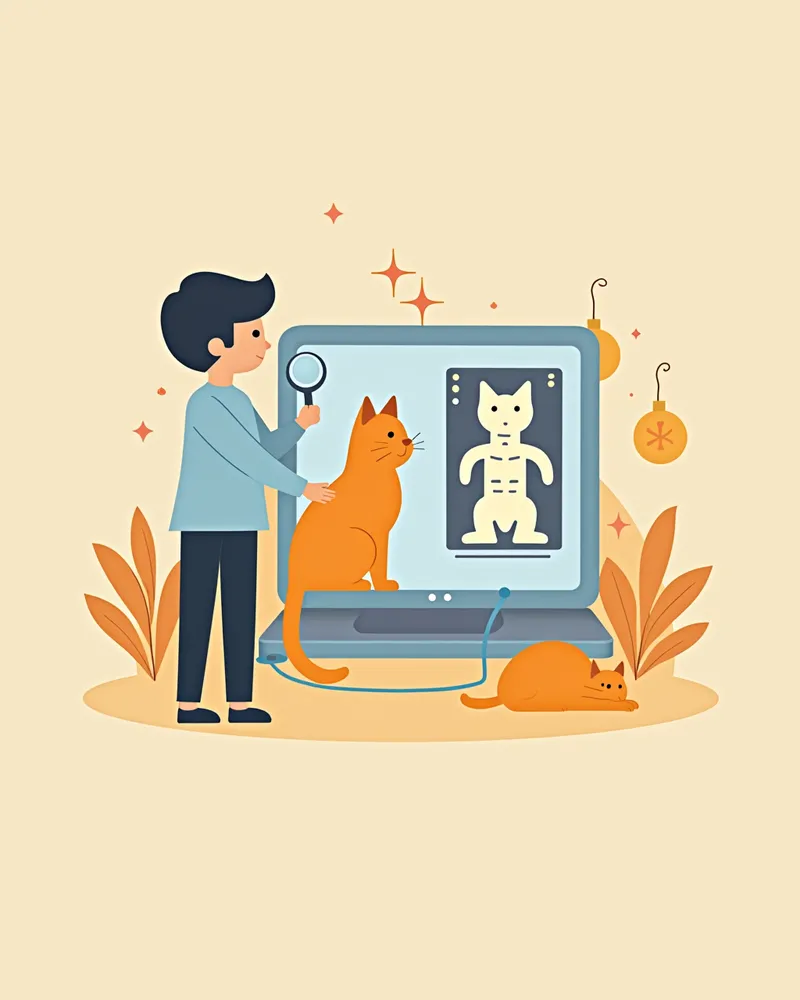
Feline acromegaly is diagnosed through blood tests and imaging studies. - Serum IGF-1 levels: Elevated levels of IGF-1, which is closely linked to growth hormone, raise suspicion of the condition. - Brain MRI: This accurately identifies the presence and size of a pituitary tumor. - Failure to control diabetes: If blood sugar levels do not drop despite high doses of insulin, treatment may fail if acromegaly is not ruled out. - Combined testing: Using both blood tests and imaging together ensures an accurate diagnosis. Since early detection determines the success of treatment, prompt examination is essential if you notice any suspicious symptoms.
A veterinarian reviewing MRI and blood test results to diagnose feline acromegaly

Acromegaly vs. General Diabetes: Key Differences

ItemAcromegalyCommon Diabetes Mellitus
Insulin resistanceSevereModerate
Body shape changesThickened toes, widened faceNone
IGF-1 levelHighNormal
Treatment responseLow, requires increased insulin dosageModerate, manageable

Acromegaly involves severe insulin resistance and requires a different treatment approach than common diabetes mellitus.

What are the treatment options?
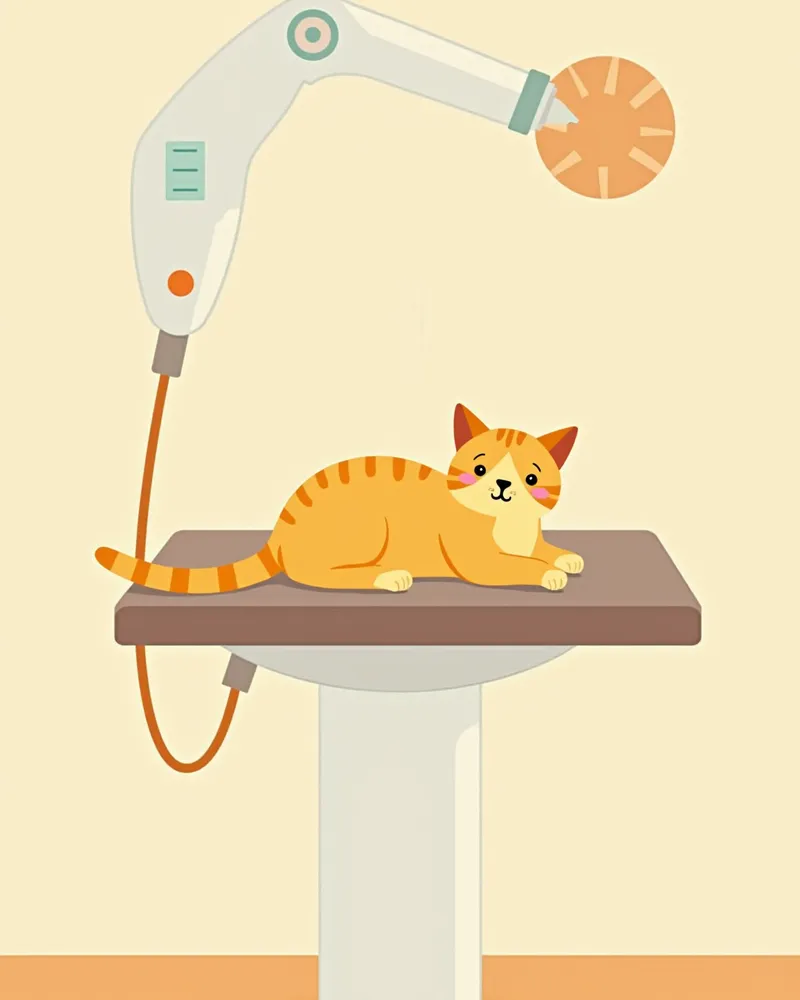
Treatment for feline acromegaly varies depending on the size of the tumor and the severity of symptoms. - Medication: Medications that suppress growth hormone secretion can help alleviate symptoms. - Radiation therapy: This is effective in reducing tumor size and is primarily considered when surgery is not feasible. - Surgical treatment: If the tumor is small and the cat is in good health, it may be surgically removed. - Treatment goals: The priority is symptom management and improving quality of life rather than achieving a complete cure. - Regular monitoring: Blood tests and imaging studies must be repeated during treatment to monitor the cat’s condition, as long-term management is essential.
A scene of radiation therapy for the treatment of feline acromegaly

Visit the vet immediately if diabetes is poorly controlled

If your cat has diabetes and their blood sugar doesn’t drop despite high insulin doses, or if their symptoms worsen, suspect acromegaly. This is an urgent sign that must be checked before the window for effective treatment closes.

What are the daily management tips?
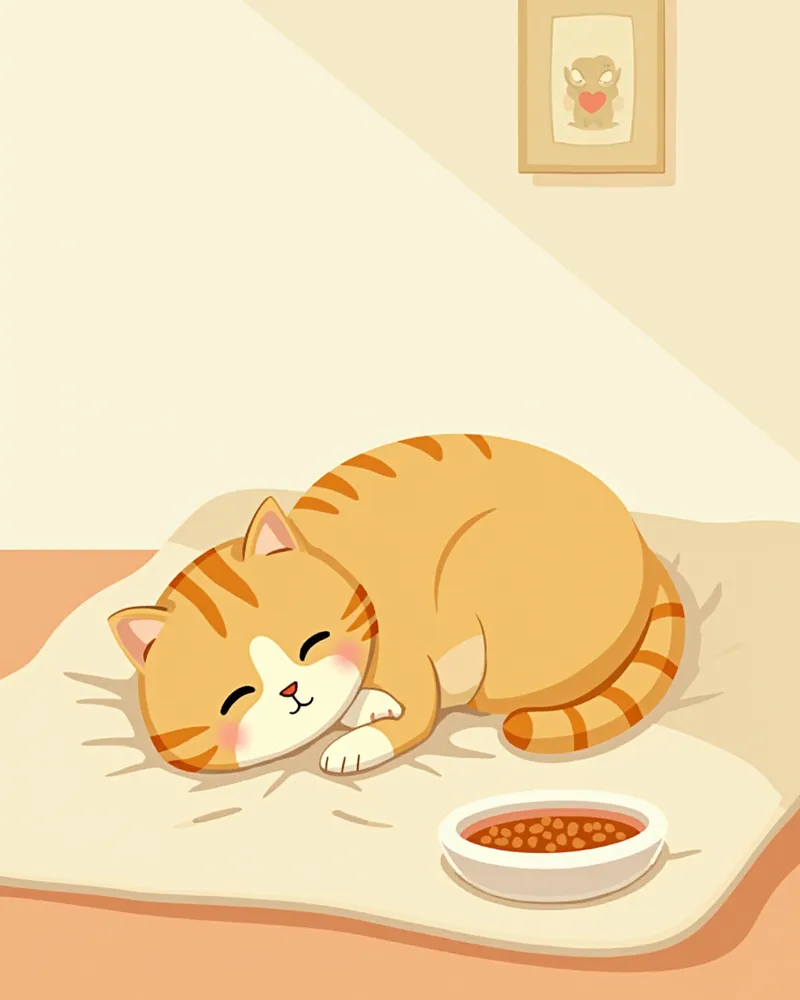
Feline acromegaly is a challenging condition to cure, making daily management crucial. - Regular check-ups: Schedule routine blood tests and imaging studies to monitor your cat’s condition. - Medication management: It is essential to administer medication at the correct dosage and time, strictly following your veterinarian’s instructions. - Dietary management: Consider a low-carbohydrate, high-protein diet to help manage both diabetes and acromegaly. - Minimize environmental stress: Provide a quiet, stable environment to reduce your cat’s stress levels. - Encourage activity: Encourage movement within your cat’s capabilities to prevent muscle atrophy and improve quality of life. - Owner observation: Carefully record changes in appetite, behavior, and weight, and share these updates with your veterinarian.
A Comfortable Living Space for Managing Feline Acromegaly

Reviewed by a veterinarian

Dr. Tony — Punnawat Phongkittirak

Dr. Tony — Punnawat Phongkittirak

Veterinarian

A veterinarian who majored in veterinary medicine at Khon Kaen University, Thailand, and completed the IVSA program at North Carolina State University in the United States. Drawing on clinical experience at animal hospitals, he works in the pet healthcare field and is dedicated to building a digital care environment that connects pet parents with veterinarians.

Frequently Asked Questions

Is acromegaly a common condition in cats?
No, it's a relatively uncommon endocrine disorder, much rarer than typical diabetes. However, if diabetes is poorly controlled, it's essential to rule out this condition.
Does acromegaly reduce a cat’s lifespan?
The prognosis varies depending on the stage of the disease and the response to treatment. While early diagnosis and proper management can help maintain a good quality of life, delayed treatment may lead to complications that shorten lifespan.
Is acromegaly contagious to other cats?
No, it’s not a contagious disease. It’s caused by a pituitary tumor, so it won’t spread to other cats. You can rest assured.
Is acromegaly curable?
While a complete cure can be challenging, if the tumor is small and the patient is in good condition, we can reduce growth hormone secretion through pituitary tumor removal surgery or radiation therapy. Medications can also be used to manage symptoms. The primary goal is to alleviate symptoms and improve quality of life.
What tests should be performed if acromegaly is suspected?
We check IGF-1 levels through blood tests and use brain MRI to diagnose the presence of pituitary tumors. Since a single test is often insufficient for a definitive diagnosis, the key is to combine clinical observations with multiple diagnostic tests.

Share

Related Guides

References

[1] The Cat, Clinical Medicine and Management, 2nd Edition, 2023

[2] Textbook of Cardiovascular Medicine in Dogs and Cats, 2022

[3] Clinical Medicine of the Dog and Cat, 4th Ed, 2021

This information is based on veterinary literature and does not replace diagnosis or treatment. Please consult a veterinarian for specific health concerns.

Metapet Co., Ltd. | CEO: Park Sung-yong | Business Reg. No. 417-88-02562 | Seoul, South Korea | Customer Center

What Is Feline Acromegaly? Why Insulin Fails & Diagnosis | Meongsiljang