Like
Share
멍실장
노령 반려동물 마취, 안전하게 받으려면? 노령마취 protocol 총정리

Anesthesia for Senior Pets: How to Ensure Safety — Pre-Anesthetic Tests You Must Check

ImmunityQ&AMeongsiljang Veterinary Advisory Board

Anesthesia for senior pets hinges on pre-anesthetic testing, tailored drug selection, and close monitoring of body temperature and blood pressure. Here’s a summary of the essential anesthesia protocol for older pets that every owner should know.

What Is a Geriatric Anesthesia Protocol?

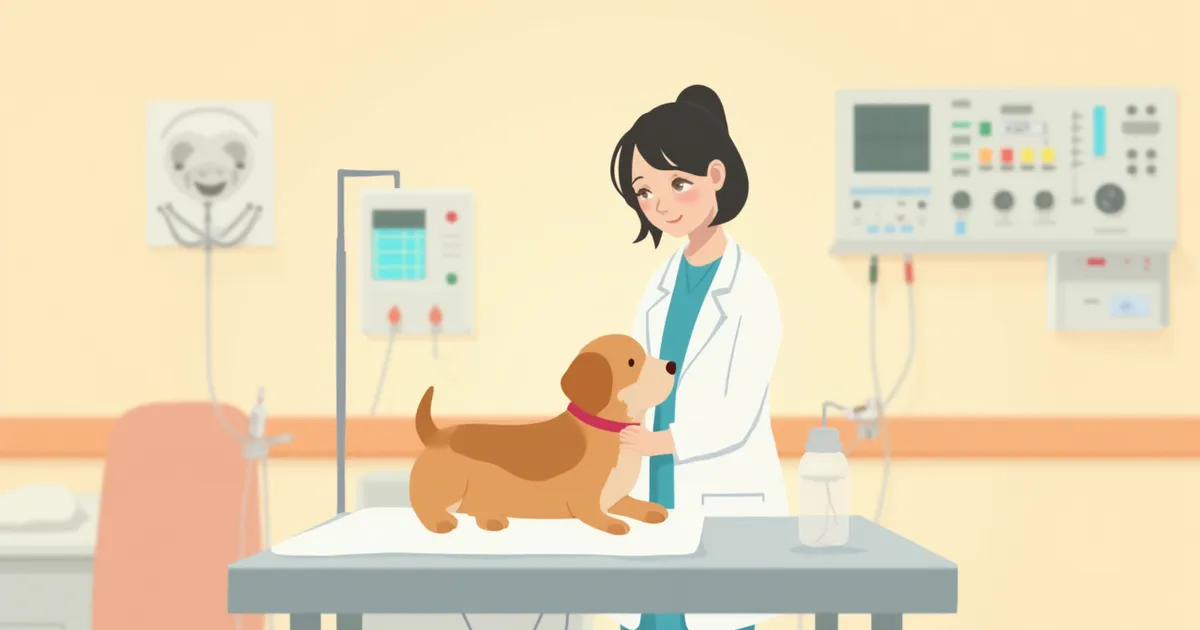
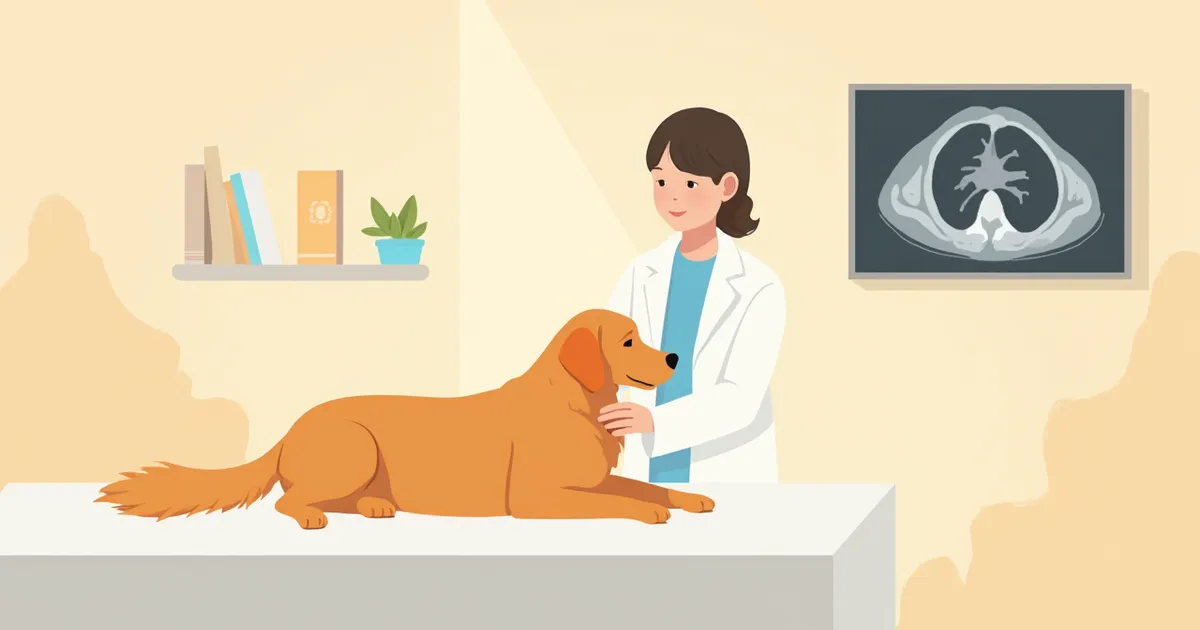
A veterinarian reviewing pre-anesthetic blood test results for senior dogs and cats.
A geriatric anesthesia protocol is a customized anesthesia procedure designed to reduce the increased risk of anesthesia-related complications in older pets. In veterinary medicine, "geriatric" typically refers to the period when a pet has reached 75–80% of its expected lifespan. Because the age at which a pet enters this stage varies by size, large and giant breeds are considered geriatric around 6 years of age, while small and toy breeds usually reach this stage after 10–12 years. The most important point is not to fear anesthesia simply because of age, but to manage risks through pre-anesthetic testing, tailored medications, and careful monitoring. According to veterinary textbooks, advancing age itself is an independent risk factor for post-anesthetic complications and mortality, so proper application of the protocol significantly influences the prognosis.

Why Are Senior Pets at Higher Risk for Anesthesia?

As pets age, their liver and kidney function declines, slowing the metabolism and excretion of anesthetic drugs, which means we need to use medications more conservatively with lower doses. Cardiovascular reserve also decreases, making hypotension more likely during anesthesia, while impaired thermoregulation increases the risk of hypothermia and prolongs recovery time. According to veterinary textbooks, the estimated anesthesia-related mortality rate in dogs is approximately 0.11–0.43%, but this risk increases further in older animals or those with underlying health conditions. Therefore, risk is assessed based on overall systemic health (ASA grade) rather than age alone. In particular, studies have shown that cats with an ASA grade of 3 or higher face a significantly increased risk of death within 72 hours after anesthesia.

Essential Pre-Anesthetic Testing

Anesthesia protocols for senior pets begin with pre-anesthetic testing. The following items are typically checked within 24 to 48 hours prior to anesthesia: - Blood tests (CBC and biochemistry): To check for anemia, dehydration, and liver and kidney function. - Electrolytes and blood glucose: To prevent arrhythmias and hypoglycemia during anesthesia. - Blood pressure measurement: To assess for underlying hypertension or hypotension. - Cardiac evaluation (auscultation, ECG, echocardiography): To detect heart murmurs and arrhythmias. - Thoracic radiographs (chest X-rays): To screen for cardiomegaly, lung disease, and tumors. - Urinalysis: To assist in assessing kidney function.

Anesthesia Risk Levels for Senior Pets by ASA Grade

ItemASA 1–2 (healthy / mild disease)ASA 3 (systemic disease present)ASA 4–5 (severe / life-threatening)
General condition (ASA definition)Normal healthy or mild, well-controlled systemic diseaseSevere or poorly controlled systemic diseaseLife-threatening, severe/end-stage systemic disease
Anesthesia-related riskRelatively low baseline risk groupMarkedly increased risk of complications and death — in cats, ASA 3 or higher carries about 4.8 times the risk of death within 72 hours after anesthesia and about 4 times the risk of major complications compared to below ASA 3 (per study)Highest — anesthesia itself can be life-threatening
Recommended measuresStandard protocolIntensive monitoring and drug adjustmentConsider alternatives to anesthesia

Based on the ASA physical status classification (The Cat, Clinical Medicine and Management) and a meta-analysis of feline ASA grade and mortality risk (Portier & Ida 2018)

Senior-Tailored Anesthetic Drugs and Selection Criteria
For senior pets, we choose medications with minimal cardiovascular and respiratory depression and reduce the dosage. According to veterinary pharmacology textbooks, the following combinations are commonly used: - Premedication: Opioids (butorphanol, methadone) + low-dose sedatives - Induction: Propofol or alfaxalone — administered slowly and only as needed - Maintenance: Inhaled isoflurane or sevoflurane, combined with concurrent intravenous fluid therapy The exact dosage is determined by your veterinarian based on your pet’s weight, liver and kidney function, and cardiac status.
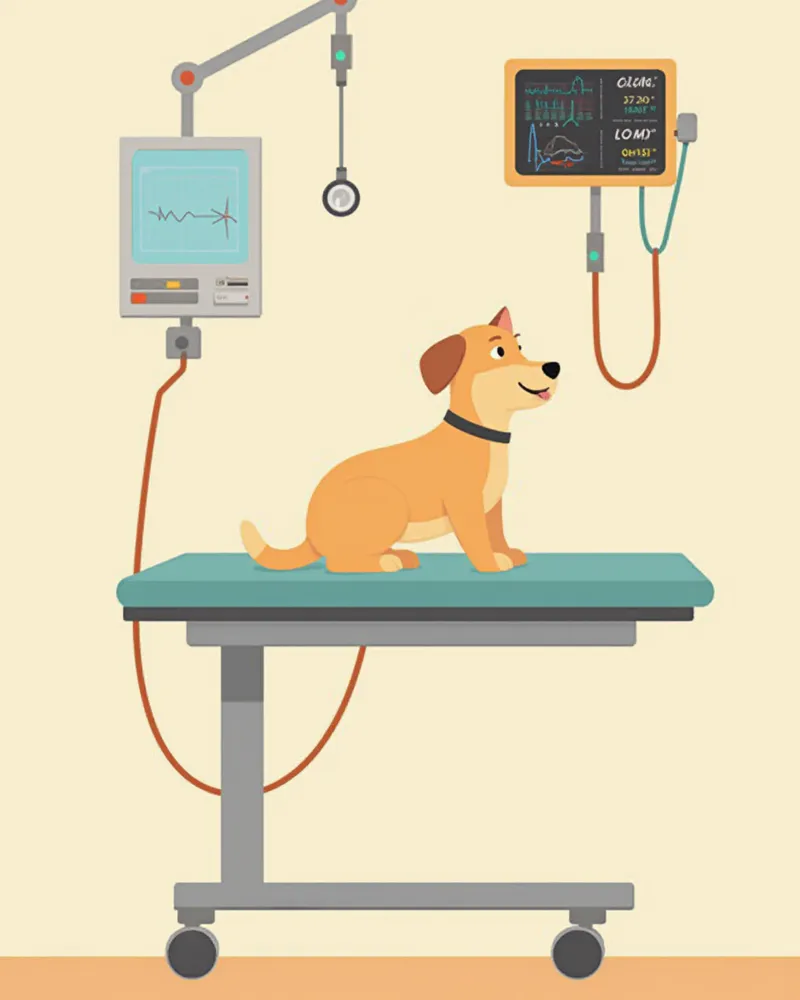
A monitor that simultaneously displays ECG, blood pressure, oxygen saturation, and body temperature during anesthesia maintenance in senior dogs

Monitoring That Must Be Performed During Geriatric Anesthesia

Senior pets are particularly vulnerable to hypothermia, hypotension, and hypoventilation. Continuous monitoring of body temperature, blood pressure, electrocardiogram, oxygen saturation, and end-tidal carbon dioxide (EtCO2) is essential throughout the entire procedure. Body temperature must be maintained between 36.5 and 38.5°C using warming pads and warmed intravenous fluids. An intravenous fluid line is mandatory.

The Recovery Period: The Most Dangerous Phase
The recovery period immediately after anesthesia and surgery is the most critical and dangerous phase of the entire anesthetic process. Veterinary textbooks emphasize that this stage requires meticulous monitoring and immediate intervention. Key management strategies during this time include: - Airway protection: Maintain the endotracheal tube until the patient is fully awake. - Temperature regulation: Older animals have impaired thermoregulation and are prone to hypothermia, which can significantly delay awakening. - Oxygen support: Continue supplemental oxygen for a specified period after extubation. - Pain management: Use a combination of non-opioid analgesics and opioids. - Prevention of aspiration pneumonia: Monitor for vomiting or regurgitation and adjust head position accordingly.
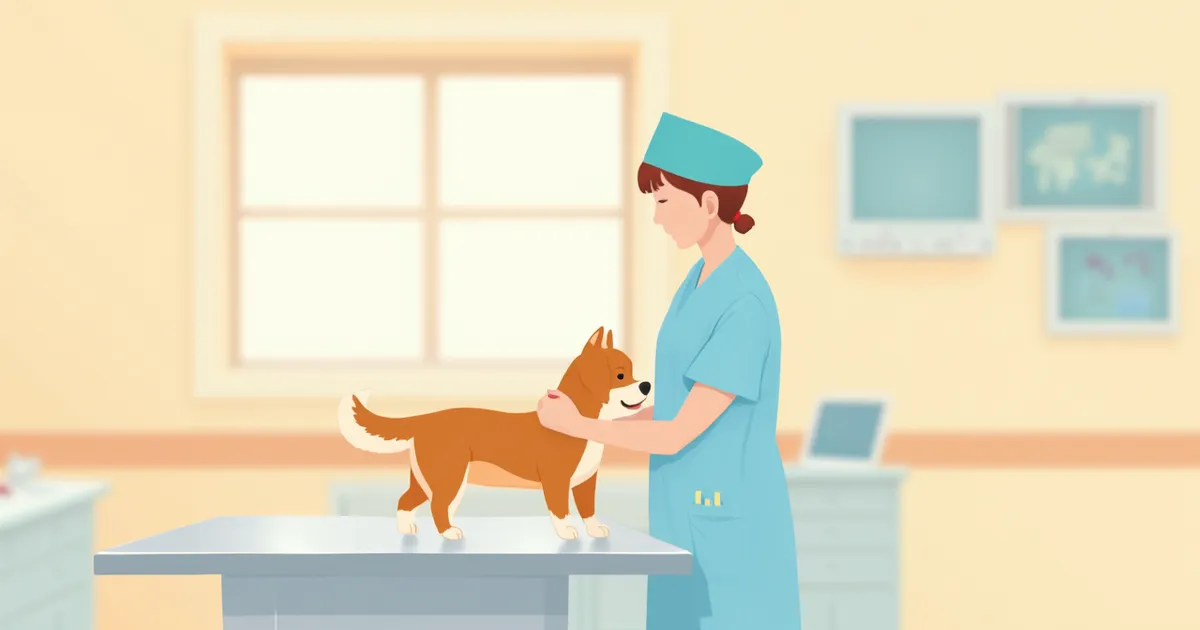
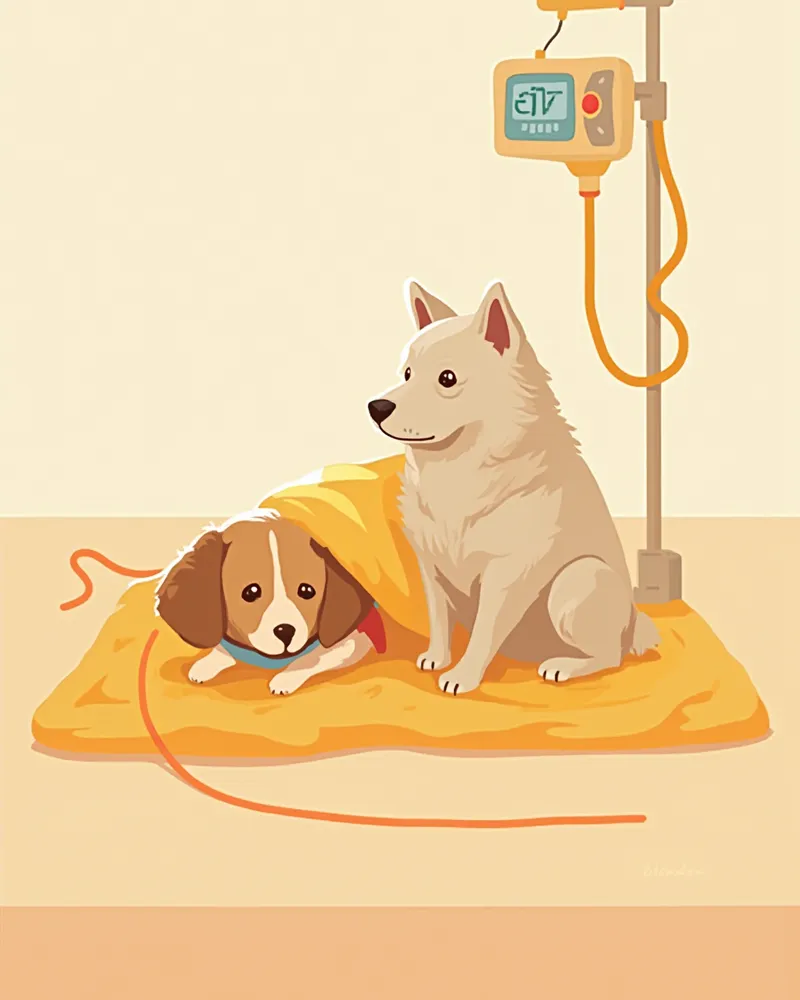
A veterinary nurse monitors an elderly dog receiving oxygen and being kept warm with a blanket in the recovery room.

Please Inform Us in Advance If Your Pet Has These Underlying Conditions

Underlying conditions such as heart disease, chronic kidney disease, diabetes, Cushing’s syndrome, hypothyroidism, epilepsy, and tracheal collapse are key factors that can fundamentally alter the anesthesia protocol. It is also essential to provide a complete list of any medications your pet is currently taking, including heart medications, diuretics, steroids, and pain relievers, so we can safely adjust for potential drug interactions and fasting instructions.

What Owners Should Prepare at Home

Here’s what you should prepare in advance for your senior pet’s anesthesia. - Follow fasting instructions: Typically 6–8 hours for adult dogs and cats; shorter for cats and small breeds (follow your clinic’s guidance) - Water is usually allowed up to 2 hours before surgery (may vary per instructions) - Bring a list of current medications and recent test results - Minimize stress on the day: Bring a familiar blanket or toy - Prepare a quiet recovery space: Non-slip flooring, a warm blanket, and easy access to food and water You may also find our Pet Health Checkup Guide helpful.

Reviewed by a veterinarian

Dr. Tony — Punnawat Phongkittirak

Dr. Tony — Punnawat Phongkittirak

Veterinarian

A veterinarian who majored in veterinary medicine at Khon Kaen University, Thailand, and completed the IVSA program at North Carolina State University in the United States. Drawing on clinical experience at animal hospitals, he works in the pet healthcare field and is dedicated to building a digital care environment that connects pet parents with veterinarians.

Frequently Asked Questions

At what age does a pet become eligible for the 'geriatric anesthesia protocol'?
In veterinary medicine, "geriatric" typically refers to the period after a pet has reached 75–80% of its expected lifespan, so the specific age threshold varies by size. Large and giant breeds often enter their senior years around age 6, while small and toy breeds tend to do so later, usually after age 10–12. However, when assessing anesthesia risk, the ASA physical status classification is more important than chronological age alone, so we recommend comprehensive pre-anesthetic testing for senior pets.
I'm worried about anesthesia because my pet is older. Should we avoid surgery altogether?
Advanced age alone is not a reason to avoid anesthesia. With thorough pre-anesthetic testing and a tailored anesthetic protocol, the risk for senior dogs classified as ASA 1 or 2 is not significantly different from that of younger animals. In fact, delaying necessary treatment often poses a greater risk.
How many days after anesthesia should I be cautious?
It’s normal for pets to feel more tired and eat less than usual for 24 to 48 hours after anesthesia. However, if symptoms such as loss of appetite, vomiting, difficulty breathing, or unsteadiness persist beyond 72 hours, contact your veterinarian immediately.
Why are senior cats at higher risk during anesthesia?
According to veterinary textbooks, advancing age itself is an independent risk factor for post-anesthetic complications and mortality in cats. Senior cats often have underlying conditions such as chronic kidney disease, hypertrophic cardiomyopathy, and hyperthyroidism that may not be clinically apparent. For cats classified as ASA grade 3 or higher, the risk of death within 72 hours after anesthesia increases significantly. Therefore, pre-anesthetic blood work, cardiac evaluation, and thyroid (T4) assessment are especially important.
Is it safer to treat with sedation instead of surgery?
Not necessarily. Sedatives can suppress the cardiovascular and respiratory systems, so older pets require monitoring just as closely as with general anesthesia. Your veterinarian will choose the safest approach based on the procedure and the patient’s condition.

Share

Related Guides

References

[1] Brodbelt D. Perioperative mortality in small animal anaesthesia. Vet J. 2009;182:152-161.

[2] Pypendop BH, Ilkiw JE. Drugs and Techniques in Feline Anesthesia. The Cat: Clinical Medicine and Management, 2nd Edition.

[3] Brodbelt DC, Blissitt KJ, Hammond RA, et al. The risk of death: the confidential enquiry into perioperative small animal fatalities. Vet Anaesth Analg. 2008;35(5):365-373.

[4] Ovbey DH, Wilson DV, Bednarski RM, et al. Prevalence and risk factors for canine post-anesthetic aspiration pneumonia (1999-2009): a multicenter study. Vet Anaesth Analg. 2014;41(2):127-136.

This information is based on veterinary literature and does not replace diagnosis or treatment. Please consult a veterinarian for specific health concerns.

Metapet Co., Ltd. | CEO: Park Sung-yong | Business Reg. No. 417-88-02562 | Seoul, South Korea | Customer Center

Anesthesia for Senior Pets: Pre-Anesthetic Tests to Check | Meongsiljang