
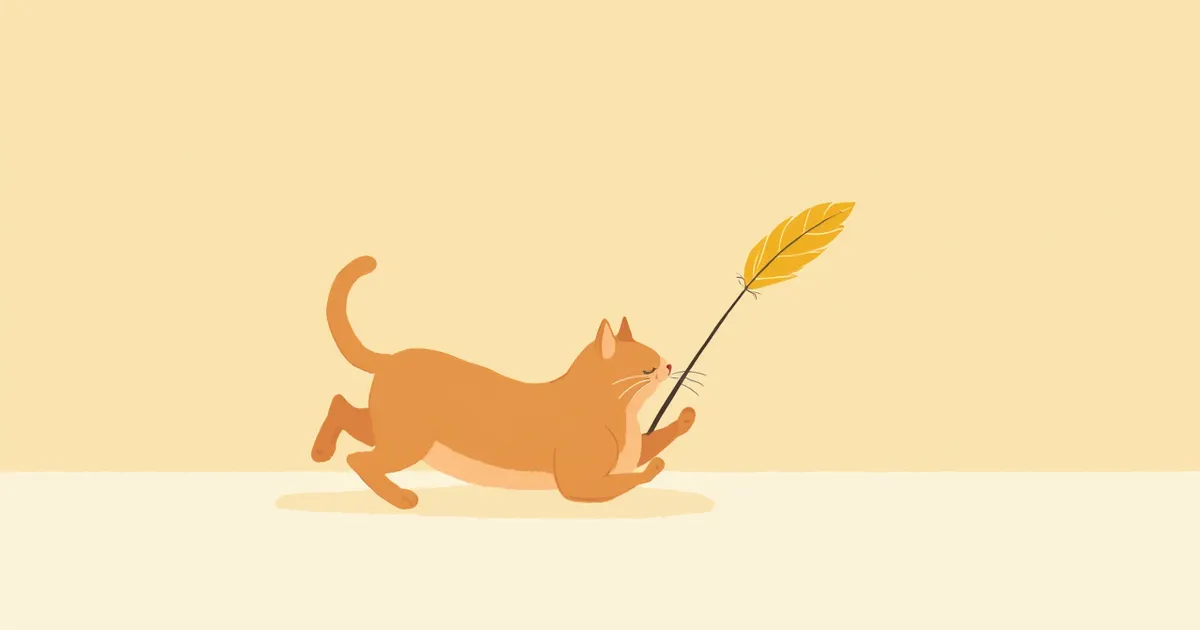
What Is Your Cat’s Play Style? — How to Match Stimulation to Personality
The key to cat play is prey-chase stimulation that mimics their hunting instinct. We’ve compiled veterinary-backed guidance on play styles suited to age and personality, appropriate stimulation intensity, and play methods to avoid.
Why Should Cat Play Follow Hunting Instincts?
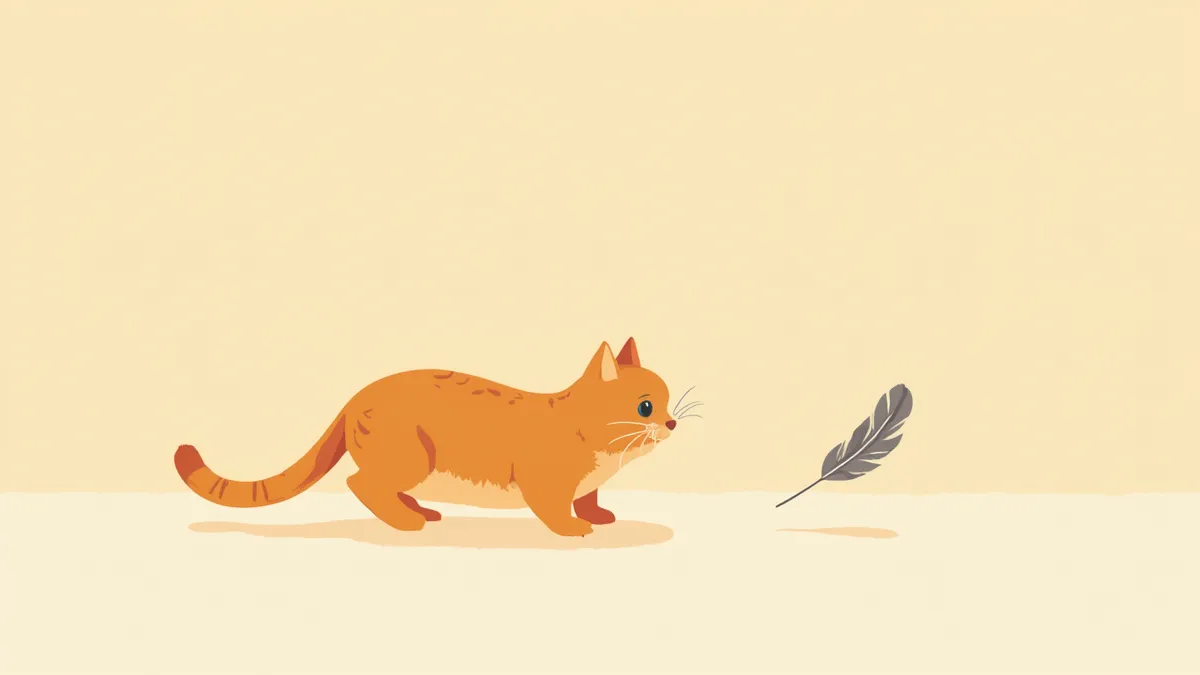
Why Do Cat Play Styles Differ?
Comparison of Play Styles by Hunting Type
| Item | Aerial type (birds) | Ground type (mice) | Ambush type (insects) |
|---|---|---|---|
| Preferred toys | Feather wands, ribbons | Strings, balls, fur balls | Laser pointers, hide-and-seek toys |
| Play height | Overhead to jumping range | Floor to low furniture | Corners & hiding spaces |
| Ideal session | 5–10 min, short | 10–15 min, medium | 5–7 min, short |
| Cautions | Secure landing space for jumps | Beware of swallowing strings | A successful-catch experience is essential |
Most cats prefer a combination of two or three types
How to Adjust Stimulation Intensity

Play Methods to Avoid
Avoid using your hands or feet as toys. While it may seem adorable when your kitten is young, it can lead to behavioral issues as they mature, as they may learn to view human hands as prey. Similarly, using a laser pointer alone can cause frustration and compulsive behaviors due to the repeated experience of "failed captures." Always conclude laser play by allowing your cat to catch a tangible toy or receive a treat.
How Play Stimulation Varies by Age
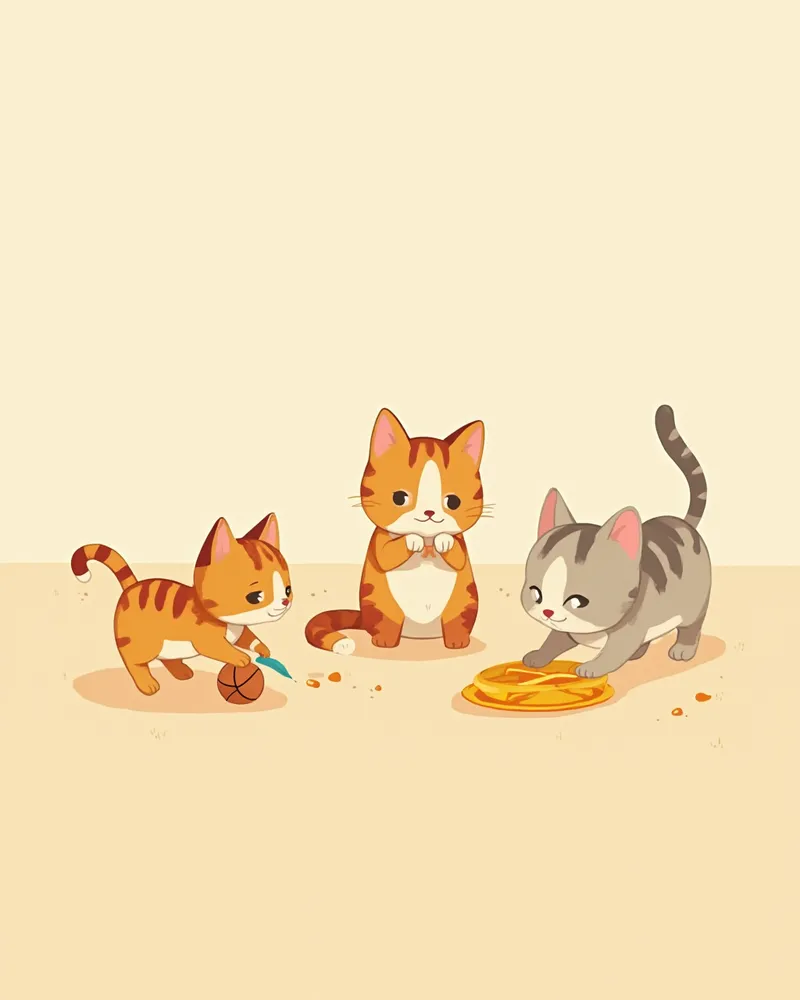
Environmental Stimulation (Environmental Enrichment) Is Also Play
Lack of Play Leads to Behavioral Issues
Cats that lack sufficient stimulation can develop issues such as overgrooming, aggression, overeating, and feline idiopathic cystitis (FIC). For indoor cats, in particular, a lack of play is directly linked to obesity. Please ensure at least 20 to 30 minutes of interactive playtime each day. Cats who receive adequate play stimulation are also less likely to exhibit nighttime behaviors like crying or scratching at doors.
Reviewed by a veterinarian

Dr. Tony — Punnawat Phongkittirak
VeterinarianA veterinarian who majored in veterinary medicine at Khon Kaen University, Thailand, and completed the IVSA program at North Carolina State University in the United States. Drawing on clinical experience at animal hospitals, he works in the pet healthcare field and is dedicated to building a digital care environment that connects pet parents with veterinarians.
Reviewed 2026-04-23
Frequently Asked Questions
My cat isn’t interested in toys. What should I do?
My pet only likes laser pointers. Is it okay to keep using them?
When raising two or more pets, should playtime be separate?
My senior cat seems uninterested in playing. Should I just let them rest?
What should I do if my pet suddenly becomes aggressive during play?
Share
Related Guides
7 Behavioral Enrichment Strategies for Mental Stimulation Recommended by Veterinarians
Top 5 Calming Supplements for Dogs and Cats in 2026
L-Theanine Effects and Calming Support
Anal Sac Excision Procedure
Complete Guide to Urethrotomy Surgery in Dogs
What is ORIF for Dog Fractures? — From Surgery to Recovery
How is cruciate ligament suture surgery performed?
What is femoral head ostectomy (FHO)?
How is kidney stone surgery (pyelolithotomy) performed?
Splenectomy Procedure and Care
References
[1] The Cat, Clinical Medicine and Management, 2nd Edition - Feline Behavior Chapter
[2] A Professional's Guide to Feline Behaviour: Understanding, Improving and Resolving Problems
[3] Introduction to Animal Behavior and Veterinary Behavioral Medicine - Feline Play Development
[4] Veterinary Guide to Preventing Behavior Problems in Dogs and Cats
[5] Bateson, P. (2014). Play, Playfulness, Creativity and Innovation