
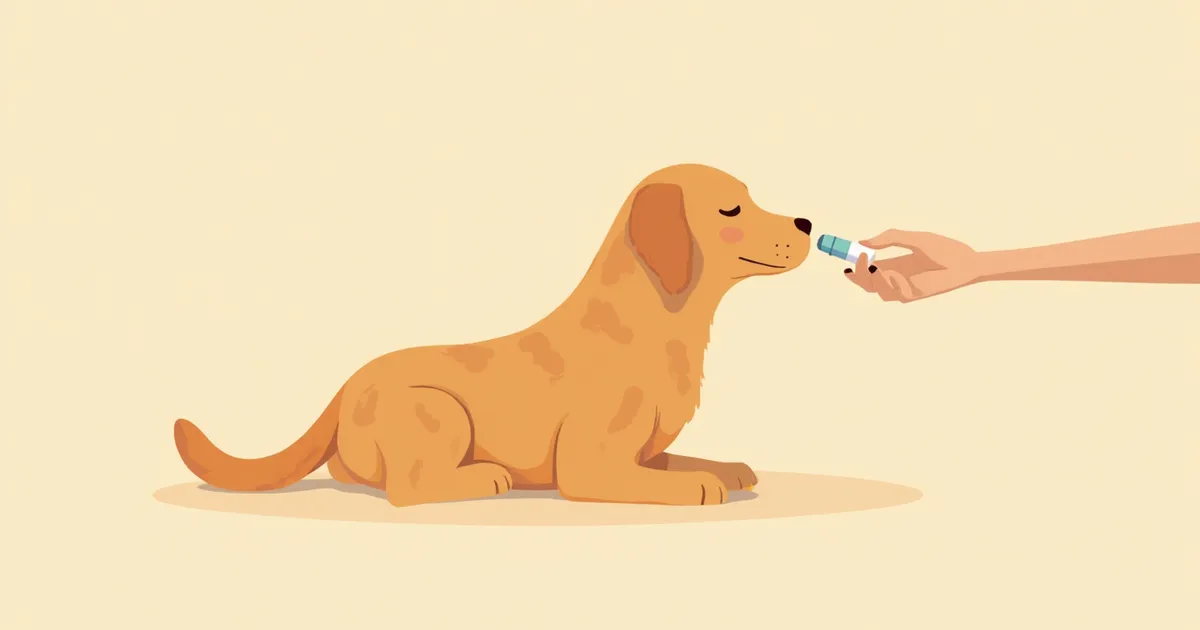
The Complete Guide to Toceranib (Palladia) for Dogs
Toceranib (Palladia) is an oral targeted cancer drug approved for treating mast cell tumors in dogs. We’ve summarized its effectiveness, side effects, and dosing instructions in a way that’s easy for pet owners to understand.
What is Toceranib (Palladia)?

What Cancers is it Used For?
Comparison of Toceranib with Traditional Chemotherapy
| Item | Conventional intravenous chemotherapy | Toceranib (Palladia) |
|---|---|---|
| Method of administration | Hospital admission / intravenous injection | Oral administration at home |
| Frequency | Hospital visits every 2–3 weeks | Every other day |
| Main action | Attacks rapidly dividing cells | Blocks cancer growth signals and blood vessel formation |
| Burden on owner | Hospitalization and transportation burden | Can be administered at home |
| Monitoring | Blood test each cycle | Blood and proteinuria tests every 2–4 weeks |
The actual choice depends on the tumor type, presence of metastasis, and the dog's overall condition.
How Are Dosing and Administration Determined?
Handling Precautions for Pet Owners
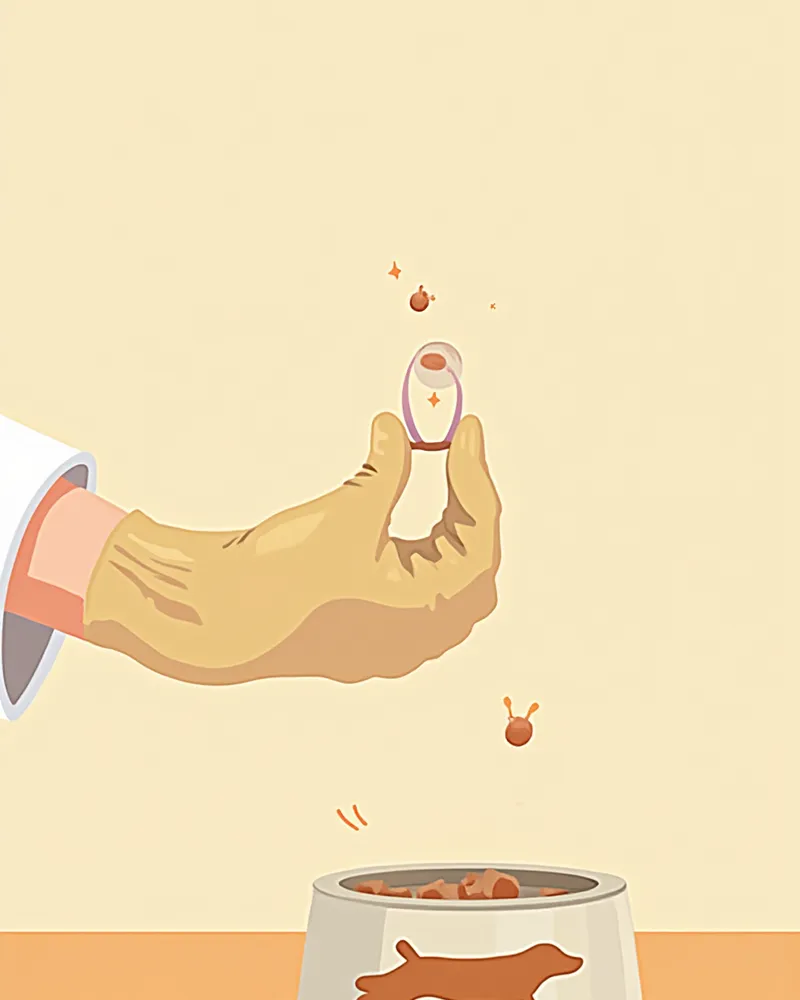
Toceranib is a cytotoxic medication, so please follow these guidelines to protect your family members. Avoid handling the tablets with bare hands; wear gloves or wash your hands immediately after administration. Pregnant or breastfeeding individuals, as well as children, should not handle the medication. For 24 hours after administration, your dog’s urine, feces, and vomit may contain residual drug components, so wear gloves and dispose of them in plastic bags. Store the medication in its original container, out of reach of children.
Checklist of Major Side Effects

Contact Your Veterinarian Immediately for These Symptoms
Contact your veterinarian immediately if you notice any of the following: bloody stool, black tarry stool, repeated vomiting, loss of appetite lasting more than 24 hours, severe lethargy, difficulty breathing, pale or yellow gums, or sudden lameness. These signs may indicate serious side effects such as gastrointestinal bleeding, liver toxicity, or worsening proteinuria. Do not skip the next dose on your own; always follow your veterinarian's instructions.
How Are Regular Check-ups Conducted During Treatment?
Home Care Points

Drugs That Should Not Be Used Together
Nonsteroidal anti-inflammatory drugs (NSAIDs) can increase the risk of gastrointestinal toxicity when used concurrently with high-dose steroids, so careful clinical judgment is required. Caution is also warranted when combining this medication with other chemotherapeutic agents or immunosuppressants. Please inform your attending veterinarian of all medications and supplements your dog is currently taking, including those prescribed by other clinics, joint supplements, and heart medications. Do not add or discontinue any medications on your own without veterinary guidance.
Reviewed by a veterinarian

Dr. Tony — Punnawat Phongkittirak
VeterinarianA veterinarian who majored in veterinary medicine at Khon Kaen University, Thailand, and completed the IVSA program at North Carolina State University in the United States. Drawing on clinical experience at animal hospitals, he works in the pet healthcare field and is dedicated to building a digital care environment that connects pet parents with veterinarians.
Reviewed 2026-04-26
Frequently Asked Questions
Is toceranib intended as a curative treatment?
What should I do if I miss a dose?
When will I start seeing the treatment take effect?
Can this be used for cats too?
How long is the treatment period?
Share
Related Guides

Top 7 Short-Legged Dog Breeds

Primary vs. Secondary Veterinary Hospitals: A Comparison

5 Easy-to-Raise Cat Breeds for First-Time Owners — Grooming Difficulty Comparison

Frequently Asked Questions About DHPP (Combination Vaccine) for Puppies — Key Information Every Pet Owner Should Know

Frequently Asked Questions About Kennel Cough Vaccination for Dogs — Key Information Every Pet Owner Should Know

Adult Dog Booster Vaccination Schedule FAQ — Key Information Every Pet Owner Should Know

Frequently Asked Questions on Monitoring Side Effects After Feline Vaccination — Key Information for Pet Owners

Cat Microchip Implantation FAQ — Key Information Every Owner Must Know

Frequently Asked Questions on Choosing and Comparing Feline Heartworm Preventives — Key Information Every Pet Owner Should Know

Frequently Asked Questions on Removing Fleas from Your Dog’s Indoor Environment — Key Information Every Pet Owner Should Know
References
[1] Plumb's Veterinary Drug Handbook, 10th Ed — Toceranib (Palladia)
[2] London CA et al., Multicenter, placebo-controlled, double blind, randomized study of oral toceranib phosphate (SU11654) for canine mast cell tumor, Clinical Cancer Research 15, 3656-3865, 2009
[3] Therapeutic Strategies in Veterinary Oncology — Signal Transduction Inhibitors chapter
[4] Mitchell L, Thamm DH, Biller BJ — Clinical and immunomodulatory effects of toceranib combined with low-dose cyclophosphamide in dogs with cancer, J Vet Intern Med 26(2), 355-362, 2012