Like
Share
멍실장
클로미프라민 행동 약 가이드

Clomipramine Behavior Medication Guide

Brain & CognitionQ&AMeongsiljang Veterinary Advisory Board

We’ve summarized the effects, side effects, and precautions for using clomipramine in treating separation anxiety and compulsive behaviors in dogs. We explain the key points every pet owner should know in an easy-to-understand way.

What is Clomipramine?
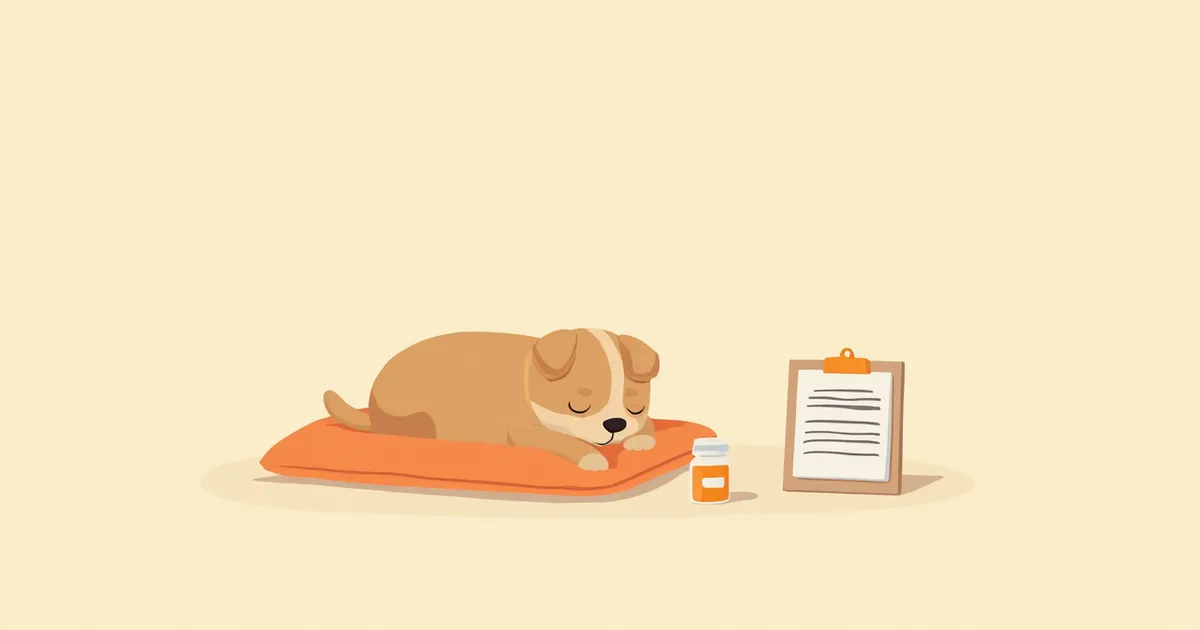
A dog resting comfortably and behavior-modifying medication
Clomipramine is a tricyclic antidepressant used to help reduce behavioral issues in dogs, such as separation anxiety, compulsive behaviors, and aggression. The most important thing to remember is that it must be used alongside behavioral modification training to be truly effective. Medication alone won’t eliminate problem behaviors; instead, it helps lower your dog’s overall tension, creating a calmer mental state that makes training more effective. Never give your dog human medications without veterinary guidance, and always use clomipramine under the direction of a licensed veterinarian.

Why is this medication needed?

Canine anxiety and compulsive behaviors are often not mere "habits" but rather stem from an imbalance of neurotransmitters in the brain, particularly serotonin. Clomipramine works by preventing the reuptake of serotonin and norepinephrine into nerve cells, allowing these neurotransmitters to remain in the brain for a longer period, which helps reduce excessive anxiety responses. If your dog exhibits repetitive behaviors such as severe barking when left alone, persistent paw licking, or chasing their tail, consider consulting your veterinarian about behavioral pharmacotherapy.

What behavioral issues is it primarily used for?

ItemSeparation anxietyCompulsive behaviorFear and aggression
Typical symptomsExcessive barking and destruction when the owner leavesRepetitive paw licking and tail chasingExcessive aggression toward specific stimuli
Effect of medication aloneLimitedLimitedLimited
Effect when combined with trainingHighModerate to highModerate
Time to assess improvementUsually 6–8 weeksUsually 6–8 weeksVeterinarian's judgment

It depends on the severity of the behavioral problem. When combined with behavior modification, improvement usually begins to appear within 6–8 weeks; if there is still no change by then, reassess the treatment with your veterinarian. The veterinarian decides the dose and duration based on weight and symptoms.

Expected Effects
Clomipramine doesn’t work overnight. It typically takes several weeks of consistent use for serotonin levels in the brain to stabilize and for noticeable changes to begin.
Anxiety relief: Reduced frequency of barking and destructive behaviors when left alone
Decreased compulsive behaviors: Less repetitive licking or chasing
Improved training responsiveness: A calmer brain makes retraining and desensitization exercises more effective
Overall tension reduction: Decreased over-arousal and stress responses help stabilize daily behavior
Clomipramine is officially approved by the U.S. FDA as a treatment for separation anxiety when used alongside behavioral modification therapy. When combined with behavior training, it can provide better results than medication alone.
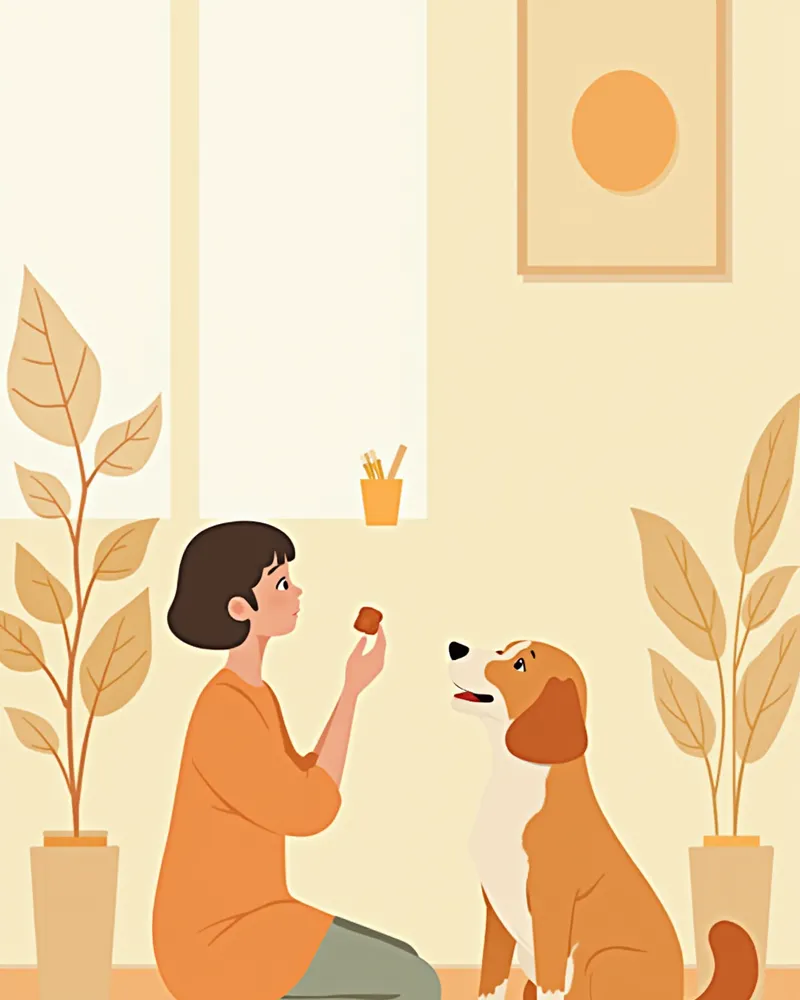
A dog bonding with its trainer

Possible Side Effects

In the first 1–2 weeks, your dog may experience drowsiness, dry mouth, urinary retention (difficulty urinating properly), decreased appetite, constipation, and vomiting. These symptoms usually lessen as the body adjusts to the medication, but if they are severe or persist, contact your veterinarian immediately. Use with caution in dogs with heart disease, glaucoma, epilepsy, or urinary retention. Seek immediate veterinary care if seizures, abnormal heart rate, or extreme lethargy occur.

Essential Guidelines for Administration

Your veterinarian will determine the dosing schedule and amount based on your pet’s weight. Here are the basic guidelines you should follow:
Administer at the same time each day: Give the medication at a consistent time daily.
Give after meals or with a treat: This helps minimize gastrointestinal irritation.
Never stop abruptly: Suddenly discontinuing the medication can cause a rebound effect, worsening anxiety.
Use caution with other medications: There is a risk of interaction with monoamine oxidase inhibitors (MAOIs) and certain pain relievers.
If you miss a dose, administer it as soon as you remember. However, if it is close to the next scheduled dose, skip the missed dose and do not give a double dose.
Pet owners giving medicine to their dogs

Time to See Results

A common misconception is, “I’ve been giving it for just one day, so why isn’t there any change?” Clomipramine works by gradually adjusting serotonin and norepinephrine levels in the brain, so it doesn’t produce immediate results. When used consistently alongside behavior modification training, improvements typically begin to appear within 6 to 8 weeks. Since changes may not be obvious during this period, it’s important to remain patient. If there’s no improvement after 6 to 8 weeks, rather than stopping the medication, consult your veterinarian to reassess the treatment plan. Stopping the drug or adjusting the dose on your own because you don’t see immediate changes can cause any progress made so far to reverse, so it’s essential to follow your veterinarian’s instructions.

Discontinuation Must Be Gradual

If you stop the medication abruptly because you think your pet’s symptoms have improved, it can trigger “rebound anxiety,” potentially causing barking and destructive behaviors to worsen beyond their previous level. It is essential to follow your veterinarian’s instructions and taper the dose gradually. Typically, the dosage is reduced by about 25% every one to two weeks, with the entire tapering process taking several weeks to months. If problem behaviors reappear during this period, your veterinarian may maintain a lower dose or return to the original dosage.

Reviewed by a veterinarian

Dr. Tony — Punnawat Phongkittirak

Dr. Tony — Punnawat Phongkittirak

Veterinarian

A veterinarian who majored in veterinary medicine at Khon Kaen University, Thailand, and completed the IVSA program at North Carolina State University in the United States. Drawing on clinical experience at animal hospitals, he works in the pet healthcare field and is dedicated to building a digital care environment that connects pet parents with veterinarians.

Frequently Asked Questions

Can I give my dog the antidepressants I take?
Absolutely not. Human dosages and metabolic pathways differ significantly from those of dogs, which can lead to serious toxicity. Always consult your veterinarian for a proper prescription.
Will giving medication alone improve their behavior?
Not at all. Clomipramine is a medication that helps stabilize your pet’s brain to make behavioral training more effective. Positive reinforcement training, desensitization, and environmental modifications must always be used alongside it.
Should I feed it to my pet for life?
There’s no fixed timeline. Once behavioral modifications and environmental improvements take hold, we gradually taper the medication under veterinary guidance. In chronic or severe cases, long-term maintenance may be necessary, and even when reducing the dose, we avoid abrupt discontinuation, instead tapering slowly over several weeks.
Can I give this to senior dogs or dogs with heart disease?
Use with caution in cases of heart disease, glaucoma, epilepsy, or urinary retention. Before administering the medication, an electrocardiogram and blood tests should be performed to assess the pet's condition, and a veterinarian will determine whether treatment is appropriate.
Is it okay to give this along with other medications or treats?
There is a risk of interaction with certain pain relievers and monoamine oxidase inhibitors. Be sure to inform your veterinarian about all medications and supplements your pet is currently taking.

Share

Related Guides

References

[1] Plumb's Veterinary Drug Handbook, 10th Edition - Clomipramine

[2] King JN et al., Treatment of separation anxiety in dogs with clomipramine, Journal of Veterinary Behavior, 2000

[3] 수의약리학 교과서 - Behavioral Pharmacology 챕터

This information is based on veterinary literature and does not replace diagnosis or treatment. Please consult a veterinarian for specific health concerns.

Metapet Co., Ltd. | CEO: Park Sung-yong | Business Reg. No. 417-88-02562 | Seoul, South Korea | Customer Center

Clomipramine for Dogs: When & How to Use This Behavior Med | Meongsiljang