

Cat Dental Scaling: Costs, Procedures, and Precautions Overview
Cat dental scaling is a procedure that removes tartar using ultrasonic instruments under general anesthesia. Based on veterinary textbooks, we’ve outlined the procedure, cost factors, pre-anesthetic testing, and post-procedure care.
How is Cat Dental Scaling Performed and What Does It Cost?

Why Cats Need Dental Scaling
Overview of the Dental Scaling Procedure
| Step | Procedure | Description |
|---|---|---|
| 1 | Pre-anesthesia examination | Blood tests and cardiac evaluation to ensure anesthesia safety |
| 2 | General anesthesia | Safe sedation using gas anesthesia |
| 3 | Oral examination | Detailed assessment of teeth and gums |
| 4 | Ultrasonic scaling | Tartar removal using ultrasonic vibrations |
| 5 | Subgingival scaling | Removal of hidden tartar below the gumline |
| 6 | Polishing | Smoothing the tooth surfaces for a clean finish |
| 7 | Extraction if necessary | Decision on whether to extract damaged teeth |
Why General Anesthesia Is Essential
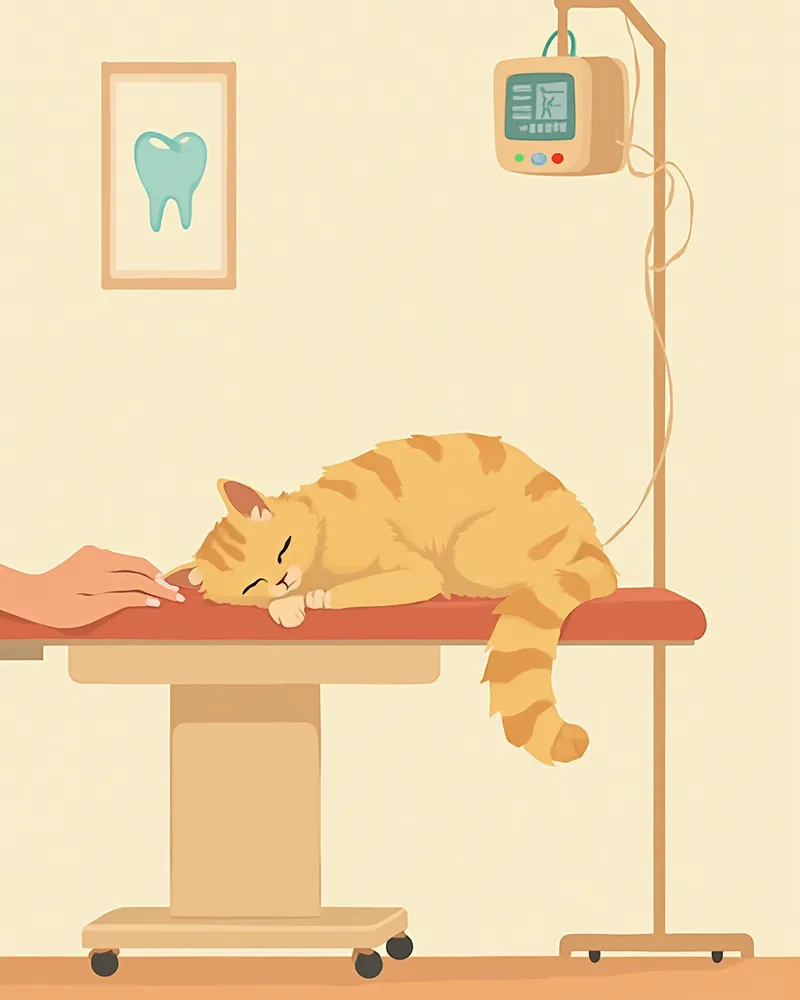
Pre-Anesthetic Health Checks Are Mandatory
A thorough health check is essential before general anesthesia. Blood tests assess liver and kidney function, as well as overall health, while a physical exam—including heart and lung auscultation—evaluates anesthesia risk. For senior cats or those with underlying conditions, chest X-rays or echocardiograms may be added as needed. These tests are crucial for preventing unexpected complications during anesthesia.
Factors Affecting Dental Scaling Costs
Consider Dental Scaling If You Notice These Symptoms

Post-Scaling Care Instructions
Cats Requiring Special Attention
Cats aged 10 and older may face higher anesthesia risks, so more thorough pre-anesthetic testing is necessary. However, age alone is not a reason to avoid anesthesia. If test results are favorable, senior cats can safely undergo procedures. Cats with heart disease (such as hypertrophic cardiomyopathy) or kidney disease require careful adjustment of anesthetic medications and fluid administration rates. If your cat has any underlying health conditions, be sure to inform your veterinarian.
Reviewed by a veterinarian

Dr. Tony — Punnawat Phongkittirak
VeterinarianA veterinarian who majored in veterinary medicine at Khon Kaen University, Thailand, and completed the IVSA program at North Carolina State University in the United States. Drawing on clinical experience at animal hospitals, he works in the pet healthcare field and is dedicated to building a digital care environment that connects pet parents with veterinarians.
Reviewed 2026-04-13
Frequently Asked Questions
At what age can a cat start getting dental cleanings?
Is it safe to have dental scaling done without anesthesia?
How often should my pet get a dental scaling?
When can I start feeding my pet after a dental scaling?
Does scaling weaken teeth?
Share
Related Guides

7 Best Cat Dental Chews for Tartar Prevention Recommended by Veterinarians and Selection Criteria

Top 5 Recommended Dental Treats for Dogs in 2026 — VOHC Certification Criteria

7 Criteria for Choosing Dog Tartar Prevention Dental Chews Recommended by Veterinarians

Types of Dog Allergy Tests and the Procedure

Frequently Asked Questions on Early Detection of Health Issues in Cats — Key Points for Pet Owners
Is My Dog’s Skin Lump Okay? — Key to Distinguishing Lipomas from Malignant Liposarcomas

What is Feline Chronic Kidney Disease (CKD)? — From Early Signs to Stage-by-Stage Management
Complete Guide to Postoperative Recovery and Intensive Care for Cats — Key Points for Pet Owners
Essential Guide to the Safe Use of Dog NSAIDs — Key Information for Pet Owners
Complete Guide to Managing Anticonvulsants for Dogs — Key Points for Owners
References
[1] Clinical Medicine of the Dog and Cat, 4th Ed — Chapter 9: Oral and Dental Disease
[2] The Cat, Clinical Medicine and Management, 2nd Edition — Chapter: Dentistry (Bellows J. Feline Dentistry)
[3] The Dog Care Handbook, Things I Wish My Vet Had Told Me — Dental Scaling and Polishing
[4] BSAVA Manual of Canine and Feline Dentistry, 4th Ed — Chapter: Periodontal Disease