

Feline Internal Parasite Symptoms and Differentiation FAQ — Key Points Pet Owners Must Know
Feline internal parasite infections can present with a variety of symptoms, making them easy to overlook. We’ve outlined the key signs and differentiation methods that pet owners should be aware of.
Feline Internal Parasite Symptoms and Differentiation: Key Points Pet Owners Must Know

Why Are Feline Internal Parasite Symptoms Easy to Confuse?

Symptom Differences by Major Parasite Type
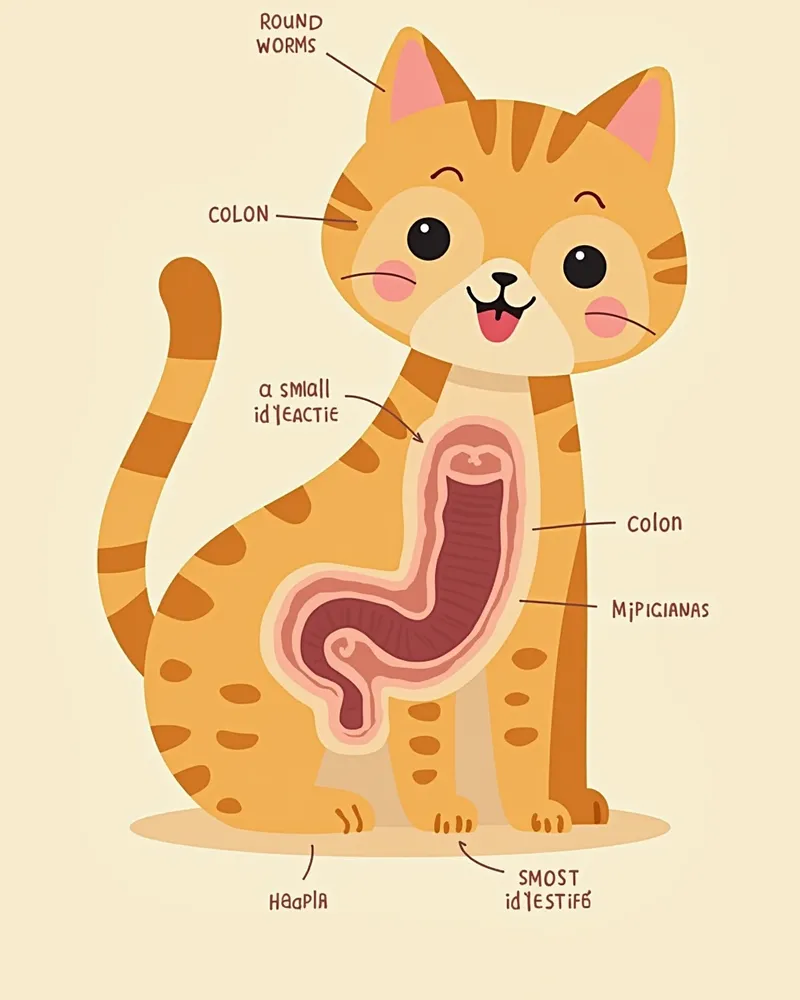
Comparison of Symptoms and Differentiation Features by Parasite Type
| Item | Main Symptoms | Diagnostic Method | Treatment Duration |
|---|---|---|---|
| Roundworm | Diarrhea, abdominal distension, weight loss | Fecal examination (flotation method) | Determined according to the veterinarian's diagnosis and prescription |
| Nematodes (hookworm, etc.) | Bloody stool, anemia, decreased appetite | Fecal examination (flotation method) | Determined according to the veterinarian's diagnosis and prescription |
| Tritrichomonas | Chronic diarrhea, increased frequency of defecation | Direct smear microscopic examination | Determined according to the veterinarian's diagnosis and prescription |
| Other parasites | Various nonspecific digestive symptoms, etc. | Fecal examination and additional tests | Determined according to the veterinarian's diagnosis and prescription |
Symptoms can be similar, and even if parasites are detected, they cannot immediately be assumed to be the cause of the symptoms, so a fecal examination and additional tests are needed for an accurate diagnosis.
Symptoms Requiring Immediate Veterinary Visit
If your cat passes bloody stool or shows signs of dehydration from severe diarrhea—such as dry lips, lethargy, and sunken eyes—seek veterinary care immediately. Additionally, if your cat has lost its appetite for more than two days or has a severely distended abdomen, it could indicate an emergency condition such as intestinal obstruction or internal bleeding, not just parasites. Pet owners should not overlook these warning signs and must act quickly.
Diagnostic Procedures for Accurate Differentiation
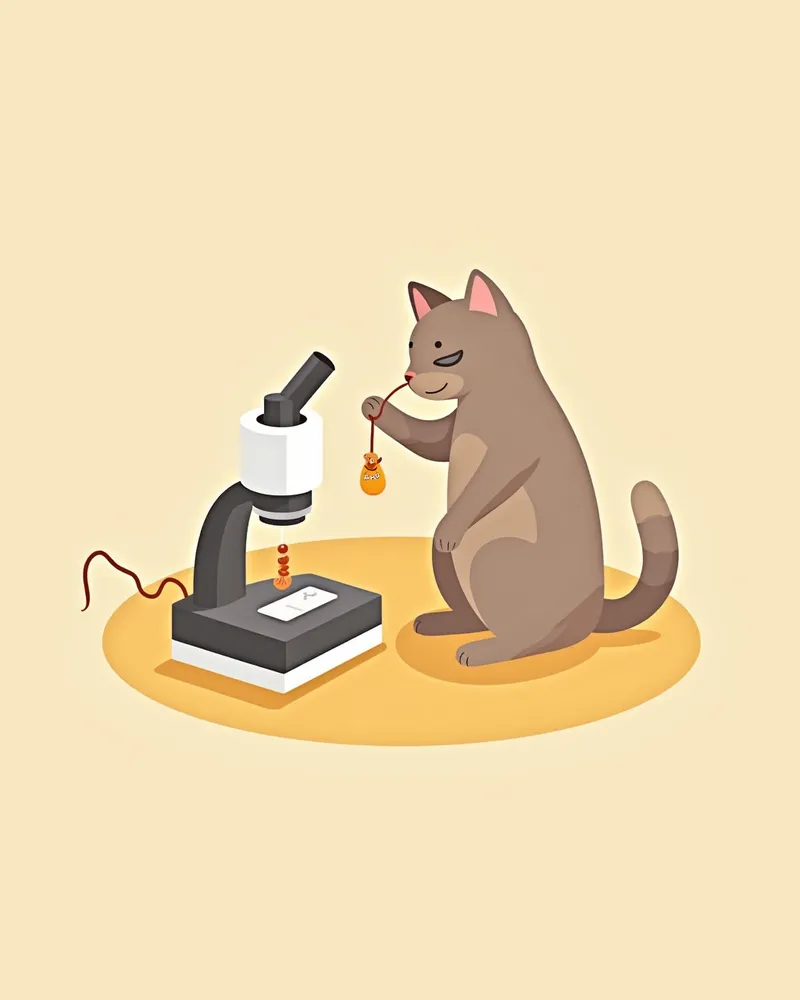
Practical Tips for Preventing Parasite Infection
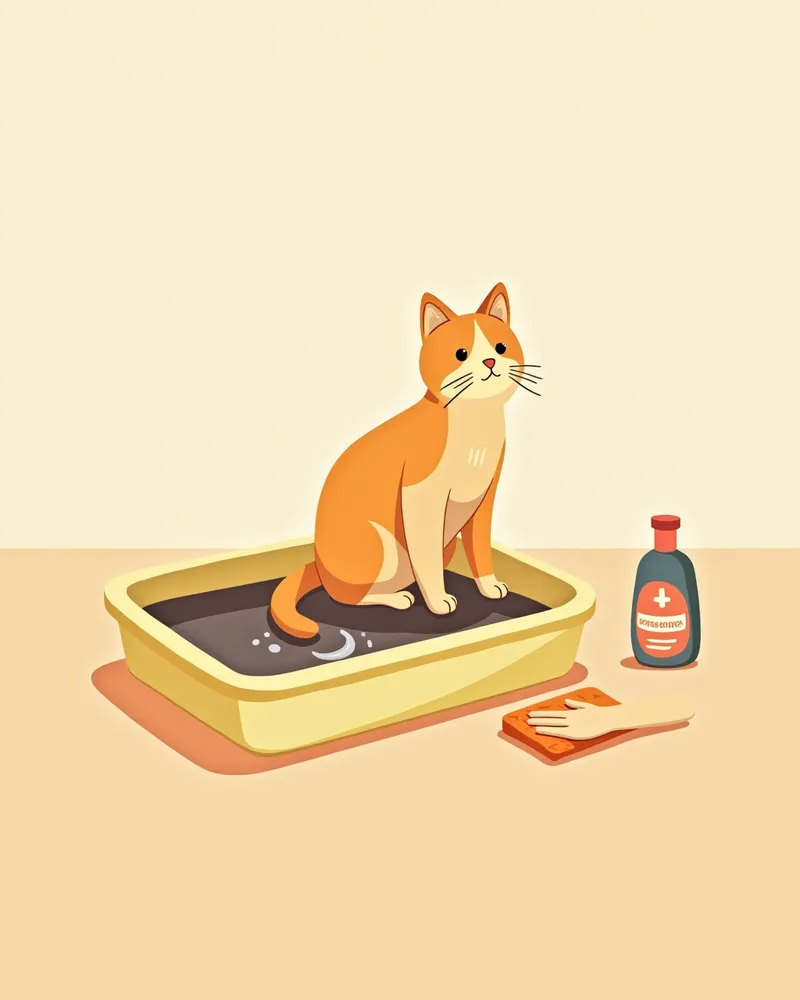
Caution: Risks of Deworming Medication Overdose
Deworming medications should be administered at the correct dosage under a veterinarian’s guidance. Overdosing can cause nausea, diarrhea, seizures, and even liver damage. Kittens, senior cats, and cats with underlying health conditions may be especially sensitive. Pet owners must carefully verify the dosage and administration schedule, and should never give deworming medication without consulting a veterinarian.
Reviewed by a veterinarian

Dr. Tony — Punnawat Phongkittirak
VeterinarianA veterinarian who majored in veterinary medicine at Khon Kaen University, Thailand, and completed the IVSA program at North Carolina State University in the United States. Drawing on clinical experience at animal hospitals, he works in the pet healthcare field and is dedicated to building a digital care environment that connects pet parents with veterinarians.
Reviewed 2026-06-29
Frequently Asked Questions
Can a cat have parasites if it’s only experiencing diarrhea?
I noticed something moving after my cat used the litter box. Could it be parasites?
My cat is an indoor cat, but can it still get parasites?
How often should I give my pet deworming medication?
How long does it take to recover after a parasitic infection?
Share
Related Guides

5 Flea and Tick Preventives for Cats Recommended by Veterinarians — Ingredient Safety Comparison

The Ultimate Guide to Differentiating Symptoms, Managing Internal Parasites in Dogs, and Choosing the Best Products

Best Practices and Selection Criteria for Dog Heartworm Antigen Testing

How to Care for Your Dog After a Splenectomy — A Complete Guide to Recovery Precautions

Late-Stage Dog Cancer — When to Start Hospice Care and Key Steps to Maintain Quality of Life

What Is Canine Hemangiosarcoma? — A Complete Q&A Guide for Pet Owners from Diagnosis to Prognosis

My Dog Keeps Having Seizures — Brain Tumor Signs and When to Visit the Vet

What is hepatic encephalopathy in dogs? — Confusion, stumbling, emergency signs and response

My Dog Has a Liver Cyst — Is It Dangerous? Prognosis & Treatment Q&A
My Cat Keeps Vomiting — Is It a Warning Sign of Cholecystitis? Q&A on Abdominal Pain and Vomiting Management
References
[1] Polizopoulou ZS, Koutinas AF, Souftas VD, et al. Diagnostic correlation of CT-MRI and histopathology in 10 dogs with brain neoplasms. J Vet Med Ser A Physiol Pathol Clin Med. 2004;51(5):226–231.
[2] Ramos DG, Santos AR, Freitas LD, et al. Feline platynosomiasis: analysis of the association of infection levels with pathological and biochemical findings. Rev Bras Parasitol Vet. 2017;26(1):54–59.
[3] Gookin JL, Levy MG, Law JM, et al. Experimental infection of cats with Tritrichomonas foetus. Am J Vet Res. 2001;62:1690–1697.