Like
Share
멍실장
강아지 음수량 모니터링 자주 묻는 질문 Q&A — 보호자가 꼭 알아야 할 핵심

Dog Water Intake Monitoring FAQ — Key Points Every Pet Owner Should Know

Lifestyle & Age CareQ&AMeongsiljang Veterinary Advisory Board

A dog’s water intake is an important indicator of its overall health. We’ve compiled the key questions and answers that every pet owner should know.

Monitoring Your Dog’s Water Intake Is Key to Health Checks

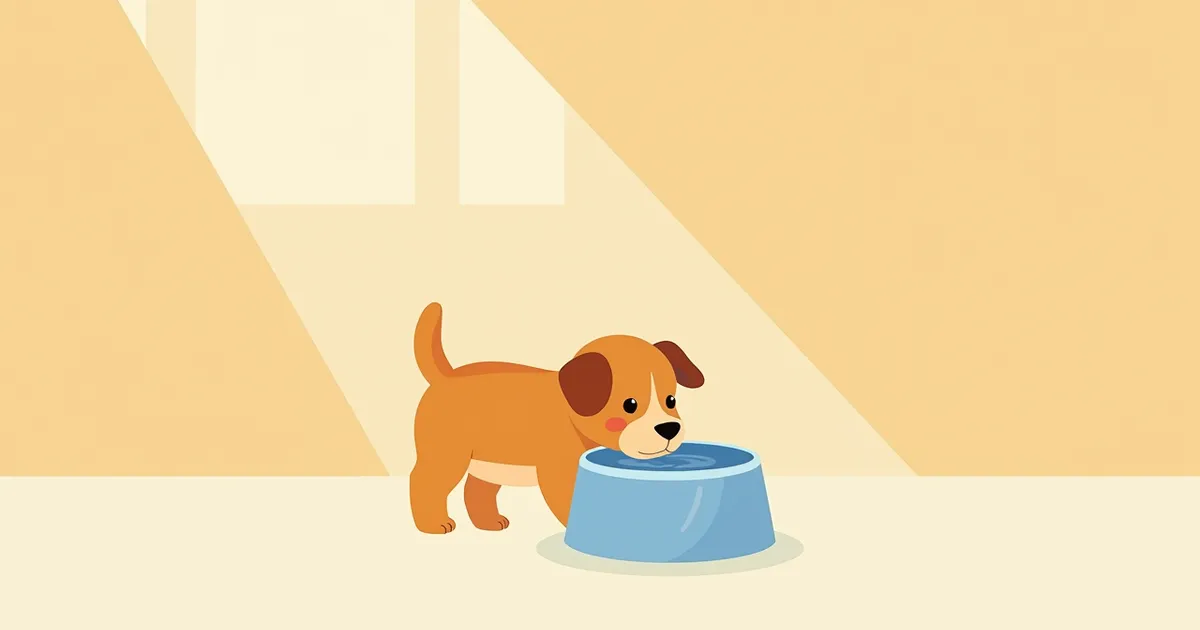
A dog measuring the decrease in water level in its bowl
Your dog’s water intake is a key indicator for assessing hydration status, kidney function, and overall dietary health. Insufficient water consumption can lead to dehydration, causing concentrated urine and elevated blood sodium levels, which places additional strain on the body. Furthermore, changes in water intake can be an early sign of conditions such as kidney disease or diabetes. Senior dogs and those with chronic illnesses are particularly sensitive to these changes, making daily observation essential. - Changes in water intake: Recording the amount of water consumed daily can help detect abnormalities early. However, accurate measurement may be challenging if you have multiple dogs or if your dog spends significant time outdoors. - Water bowl maintenance: Water left standing for more than 12 hours can become a breeding ground for bacteria, so it is important to refresh it frequently. - Consider environmental factors: Water consumption naturally increases with rising temperatures or after exercise, so these factors should not be overlooked. Regular monitoring is the first step in safeguarding your dog’s health.

Identifying the Main Causes of Changes in Water Intake
A sudden change in your dog’s water intake can stem from various causes, so it’s important to consider both increases and decreases. - Environmental changes: Higher temperatures, indoor heating, or exercise can increase fluid loss, leading to greater water consumption. - Signs of disease: Conditions such as kidney disease, diabetes mellitus, pyometra, hyperadrenocorticism (Cushing’s disease), and liver disease often present with excessive drinking (polydipsia) and urination (polyuria). Drinking more than 90 ml/kg per day may be a warning sign. - Emotional stress: Environmental changes like moving, new family members, or noise can affect appetite and water intake. - Dietary changes: New food or treats, or changes in protein content, can alter taste preferences and water consumption. - Increased activity: More physical activity leads to greater fluid loss, so your dog will need to drink more water. Carefully evaluating these factors can help detect health issues early.
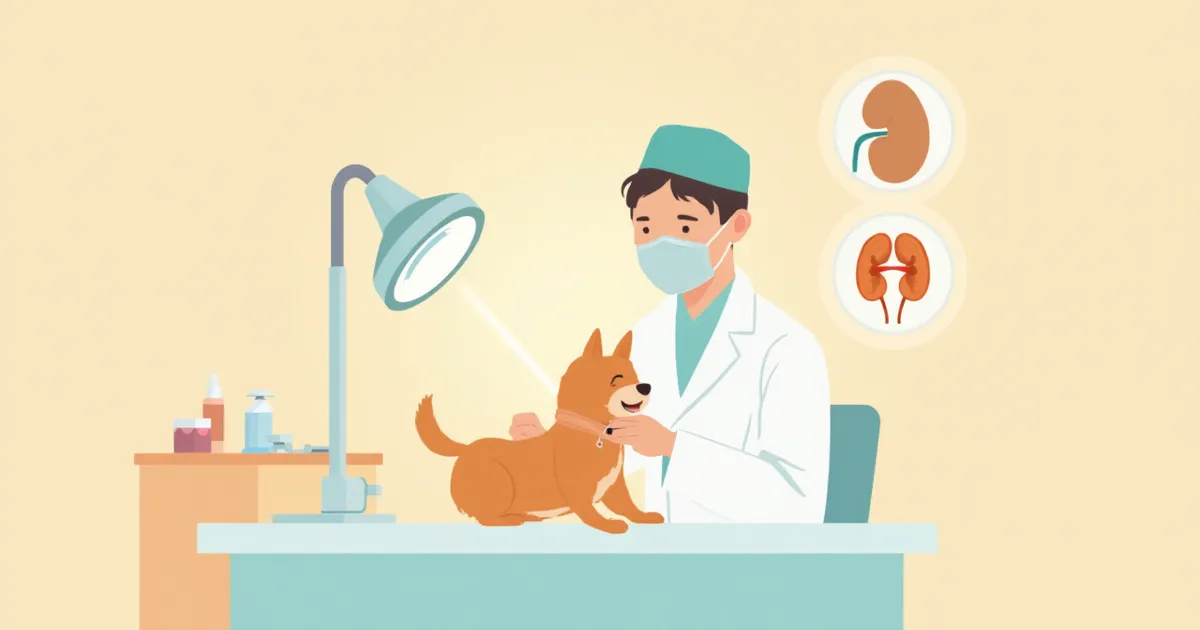
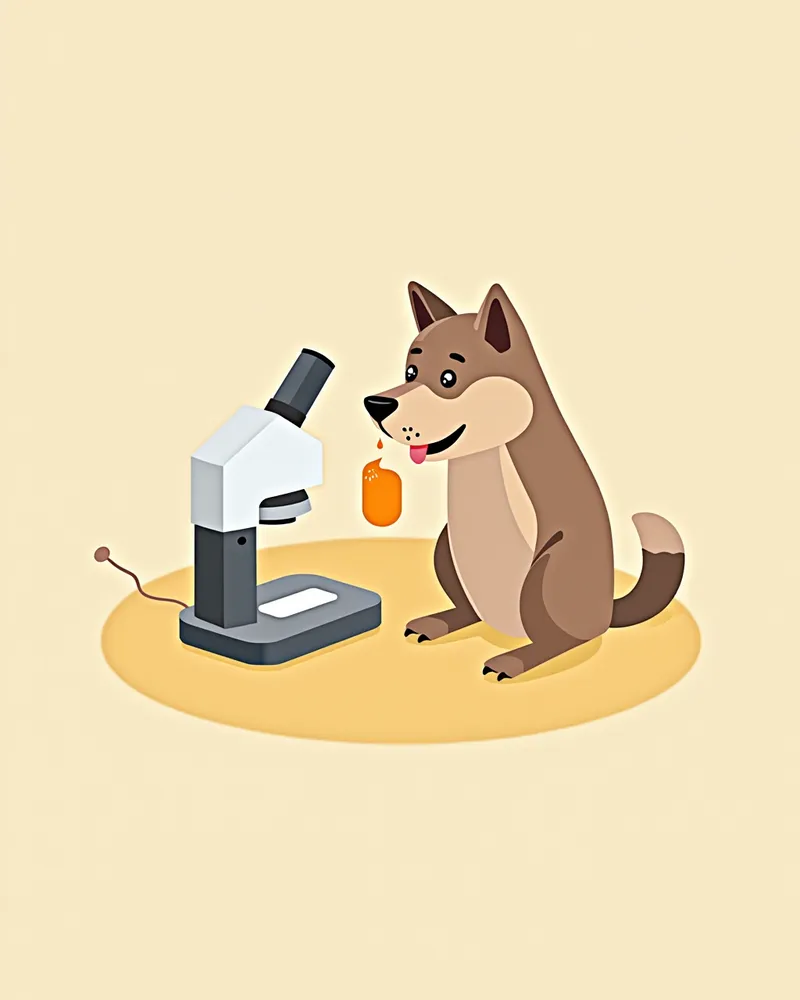
A veterinarian examining a puppy’s urine sample under a microscope.

5 Warning Signs to Watch for When Monitoring Water Intake

If you suspect your pet is drinking less water or may be dehydrated, watch for these warning signs:
Decreased urine output: A noticeable drop in the frequency or volume of urination compared to normal.
Dry mouth: Dry nose and lips, with gums or tongue that feel sticky.
Increased lethargy: More sleepiness than usual or reduced activity levels.
Changes in eye appearance: Eyes that look dull or sunken.
Reduced skin elasticity: When you gently pinch and release the skin on the back of the neck or along the spine, it takes longer than usual to return to its original position.
These signs can indicate dehydration or underlying internal health issues. If they persist or worsen, please consult your veterinarian.
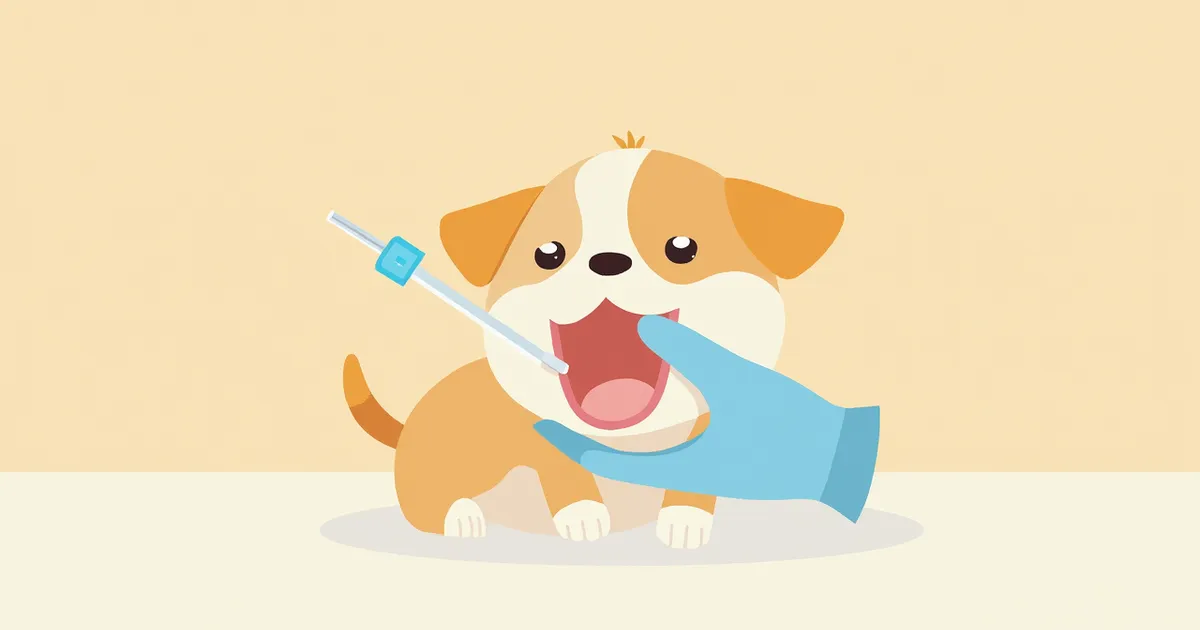
Dry nose and cracked lips in puppies

Situations Requiring an Immediate Vet Visit

If your dog hasn’t drunk water for more than 12 hours, or if they’re experiencing vomiting, diarrhea, or decreased consciousness, you should take them to the vet immediately. Dehydration can worsen quickly and is difficult to reverse without fluid therapy. Senior dogs and those with heart conditions are at even greater risk.

Comparison of Responses Based on the Degree of Change in Water Intake

ItemMildModerateSevere
Decreased water intakeSlightly reducedNoticeably reducedBarely drinks
Urine concentrationSlightly concentratedNoticeably concentratedVery concentrated urine
ResponseRefill the water bowl frequentlyTry changing the water's tasteVisit the clinic immediately

Early detection of changes in water intake is important. Taking action while mild prevents progression to a severe condition.

Easy Ways to Manage Water Intake at Home
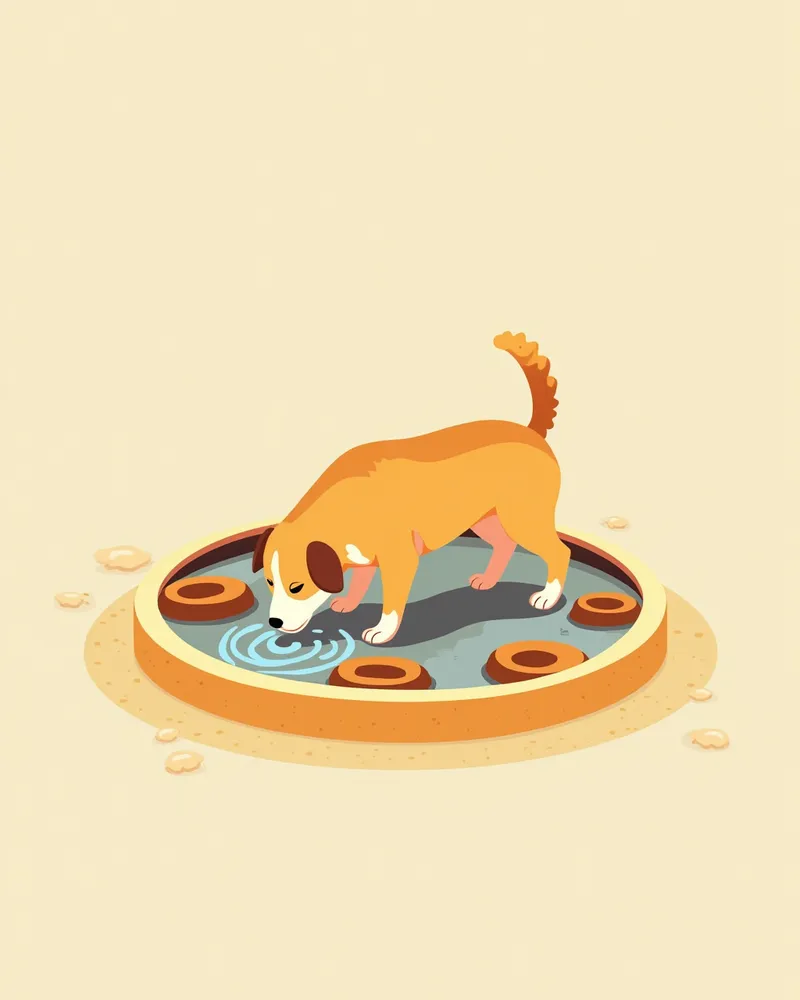
To effectively manage your dog’s water intake, measure and record the amount in the water bowl accurately every morning and evening. - Use various bowls: Ceramic or stainless steel bowls reduce bacterial growth compared to plastic ones. - Control water temperature: Room-temperature water is most natural, and dogs often dislike water that is too cold. - Add water enhancers: Adding ice cubes or water pouches can enhance flavor, and offering snacks like moisture-rich vegetables or meats can also help. - Change bowl locations: Placing bowls in multiple spots encourages your dog to approach and drink water more frequently. - Establish a water-changing routine: Changing the water at least once or twice a day helps maintain hygiene. Consistent observation and small habits play a big role in keeping your dog healthy.
A puppy drinking water from a fountain and several bowls.

5 Practical Tips for Monitoring Water Intake
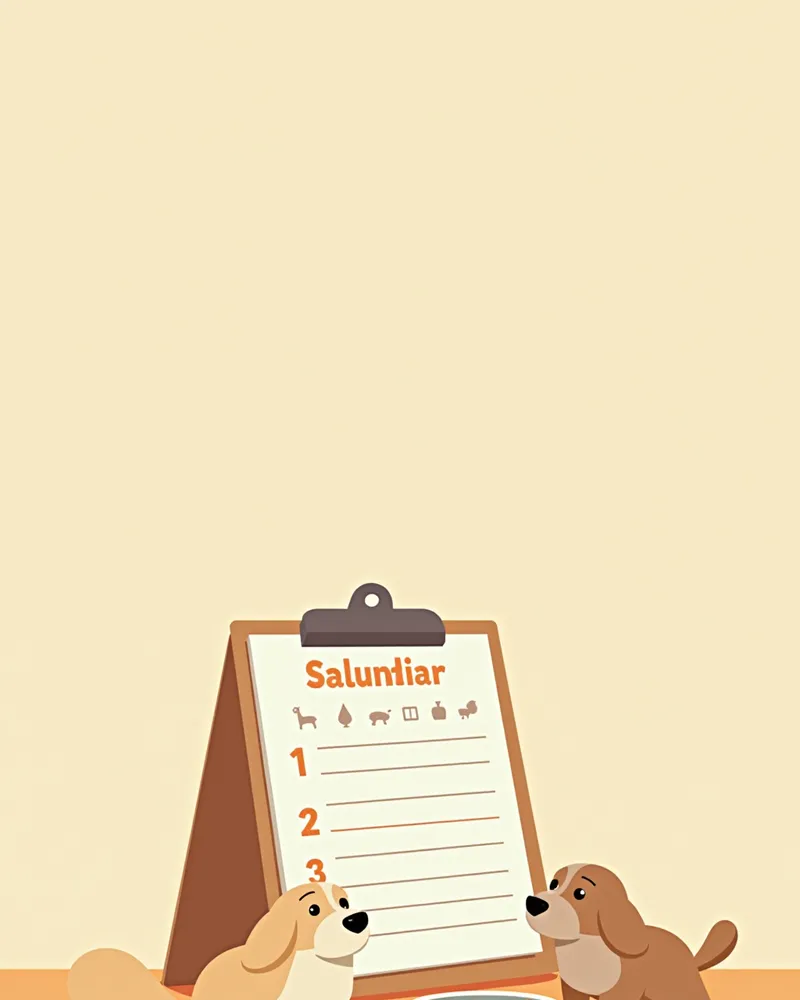
To effectively monitor your pet’s water intake, try these helpful tips.
Change the water bowl frequently: Leaving water out for more than 12 hours can lead to bacterial growth.
Use different types of bowls: Ceramic or stainless steel bowls are more hygienic than plastic ones.
Enhance the water’s flavor: Try adding a small amount of fish broth or vegetable broth to the water.
Introduce a water fountain: Many dogs prefer drinking from flowing water.
Keep a record: Create a daily log to visually track changes in water consumption.
A dog owner filling out a daily water intake log for their puppy.

Caution: Excessive Water Consumption Is Also a Problem

If your dog suddenly starts drinking excessive amounts of water, it could indicate diabetes, kidney disease, or a neurological condition. Consuming more than 90 ml per kilogram of body weight per day may be a warning sign. You should consult your veterinarian if your dog frequently urinates at night or urinates immediately after drinking water.

Reviewed by a veterinarian

Dr. Tony — Punnawat Phongkittirak

Dr. Tony — Punnawat Phongkittirak

Veterinarian

A veterinarian who majored in veterinary medicine at Khon Kaen University, Thailand, and completed the IVSA program at North Carolina State University in the United States. Drawing on clinical experience at animal hospitals, he works in the pet healthcare field and is dedicated to building a digital care environment that connects pet parents with veterinarians.

Frequently Asked Questions

How much water should a puppy drink per day?
Puppies should have free access to water every day. Most dogs naturally regulate their water intake based on their needs. Therefore, rather than setting a specific amount, simply providing plenty of clean water is usually sufficient. However, if your dog drinks more than 90 ml per kilogram of body weight per day, it may be drinking excessively, and it would be wise to have them checked.
Should I change the water in my pet’s bowl frequently?
To prevent bacterial growth, it's best to change the water in your pet's bowl at least once or twice a day. During the summer or when indoor temperatures are high, changing the water more frequently will help maintain better hygiene.
What should I do if my dog isn’t drinking water?
Try slightly warming the water or mixing in a small amount of fish or vegetable broth. You may also help by switching to a ceramic or stainless steel bowl, or by placing multiple bowls around the home for easier access. If your pet continues to drink little water, please consult your veterinarian.
Do water fountains work?
Water fountains can be especially effective for dogs who enjoy running water. The constant flow keeps the water fresh and encourages them to drink more frequently.
How should I keep track of my pet’s water intake?
Create a daily log to record the amount of water in your pet’s bowl in the morning and evening. Visually tracking changes can be helpful, and you can share this information with your veterinarian when needed. However, if you have multiple pets or your pet spends time outdoors, it may be difficult to measure accurately.

Share

Related Guides

References

[1] Advanced Monitoring for Small Animal Emergency and Critical Care, 2nd Ed

[2] Small Animal Critical Care Medicine, 3rd Ed

[3] Plumb's Veterinary Drug Handbook, 9th Ed

This information is based on veterinary literature and does not replace diagnosis or treatment. Please consult a veterinarian for specific health concerns.

Metapet Co., Ltd. | CEO: Park Sung-yong | Business Reg. No. 417-88-02562 | Seoul, South Korea | Customer Center

Monitor Your Dog's Water Intake: 5 FAQs | Meongsiljang