Like
Share
멍실장
고양이 녹내장 자주 묻는 질문 Q&A — 보호자가 꼭 알아야 할 핵심

What Is Feline Glaucoma? — From Symptoms to Preventing Blindness: A Must-Read for Pet Owners

Eye HealthQ&AMeongsiljang Veterinary Advisory Board

Feline glaucoma is a serious eye condition that can lead to vision loss. Early detection and proper management are essential.

What Is Feline Glaucoma?
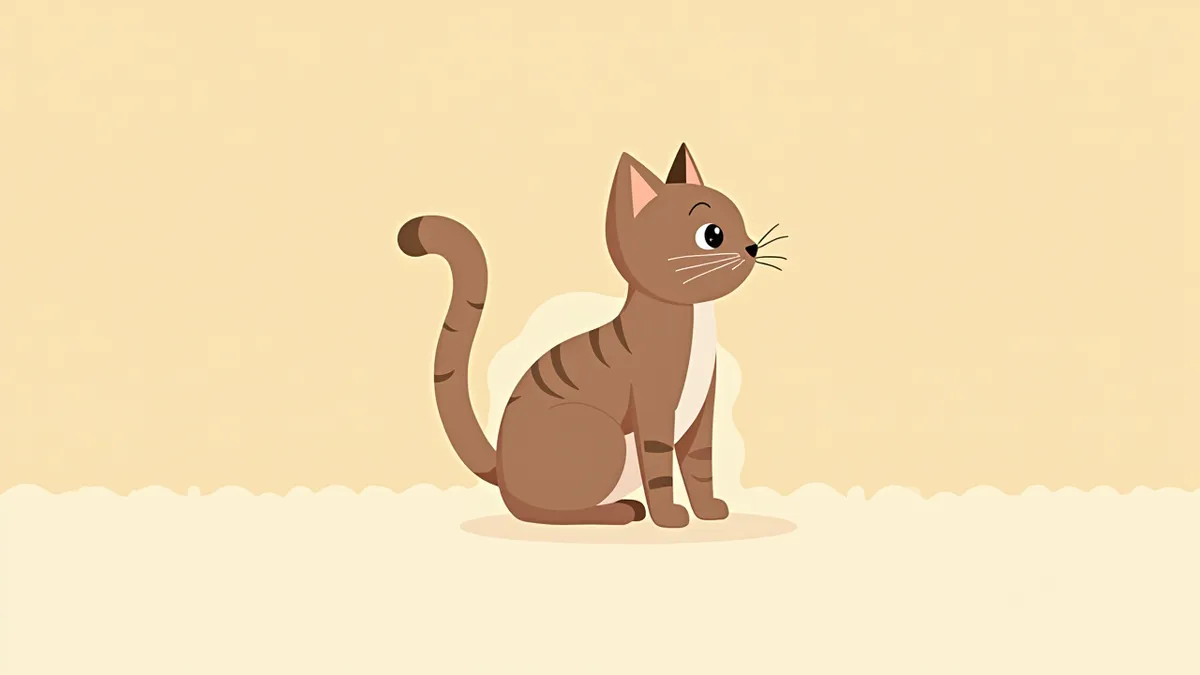
Diagram of intraocular pressure elevation and optic nerve damage in cats
Feline glaucoma is an eye condition in which persistently elevated intraocular pressure damages the optic nerve. - Elevated intraocular pressure: When the aqueous humor inside the eye does not drain properly, pressure builds up and strains the optic nerve. - Risk of vision loss: Early signs may be subtle, such as mild tearing or redness, but the disease can progress to blindness if left untreated. - Early detection is key: Cats often hide pain, so careful observation by pet owners is essential. - Diverse causes: Most cases in cats are secondary glaucoma resulting from trauma, inflammation, lens luxation, or other eye diseases, while primary glaucoma due to genetic predisposition is rare. Early diagnosis and consistent management are critical for preserving vision.

Why Is Feline Glaucoma Dangerous?

Feline glaucoma is a serious condition that goes beyond a simple eye problem and can lead to vision loss. When intraocular pressure rises, it compresses the optic nerve, impairing its function and potentially resulting in blindness. Because cats are adept at hiding pain, the disease is often detected only after it has progressed. Furthermore, if one eye is affected, the other eye may also be at risk. Early detection and treatment are key to preserving vision, so it’s important to carefully monitor your cat’s eyes for any abnormalities.
A cat's face suffering from glaucoma

5 Main Symptoms

The main symptoms of feline glaucoma include the following:
Excessive tearing: Persistent tearing or moisture around the eyes (epiphora).
Cloudy or bluish cornea: Corneal edema causes the eye surface to appear hazy, cloudy, or bluish (blue eye).
Enlarged eye and pupil changes: In chronic cases, the eyeball may enlarge (buphthalmos), and the pupil may dilate or show a diminished response to light.
Eye rubbing or scratching: Repeated rubbing or scratching around the eyes, along with squinting (blepharospasm).
Vision loss or blindness: The menace response may disappear, and the cat may misjudge directions or bump into walls.
If you notice any of these symptoms, please consult a veterinarian immediately.
A comparison between glaucoma and a healthy cat eye

Signs That Require Immediate Veterinary Visit

If your cat repeatedly rubs or squints its eyes, or if the cornea appears cloudy and bluish, seek veterinary care immediately. In particular, if the eyeball enlarges and shows signs of pain, vision loss can progress rapidly. Early diagnosis and treatment are key to preserving vision. A veterinarian should measure intraocular pressure using a tonometer and initiate appropriate treatment.

Comparison of Symptoms and Responses by Glaucoma Stage

ItemMain SymptomsTreatment DirectionVision Prognosis
MildSlightly excessive tearing, slightly dilated pupilControl intraocular pressure with medicationUsually maintainable
ModerateCornea cloudy and bluish, painful behaviorMedication + consider surgeryPartial recovery possible
SevereEnlarged eyeball (buphthalmos) and blurriness, risk of blindnessImmediate surgery neededVision recovery difficult

Stage-by-stage management may vary depending on the veterinarian's diagnosis.

What Are the Treatment Options?
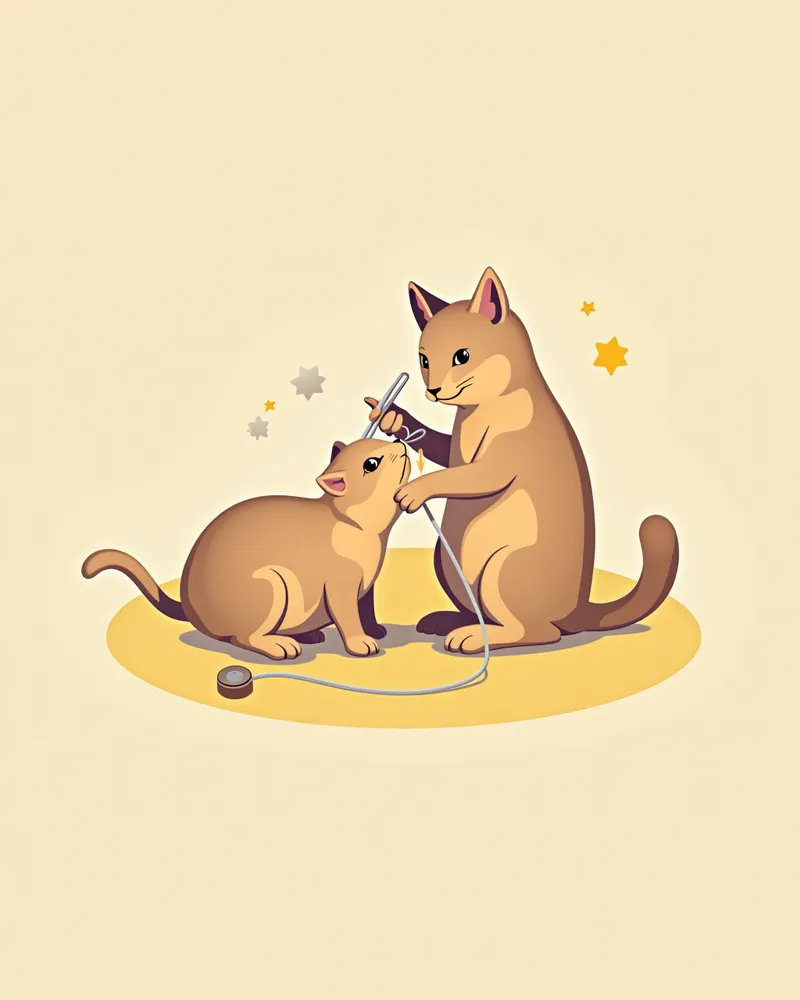
Treating feline glaucoma is a step-by-step process. In the early stages, the primary approach is to lower intraocular pressure with medication, which can be administered either as eye drops or systemically. If medication alone doesn't control the condition, surgery may be considered. The goal of surgery is to reduce eye pressure, helping to preserve vision or alleviate pain. Since ongoing care is essential even after surgery, regular check-ups are a must.
Cat glaucoma surgery scene

Management Methods for Pet Owners

Consistent daily care is the cornerstone of managing feline glaucoma. - Adhere to medication schedules: Administer your veterinarian’s prescribed medications at the exact times indicated. Missing doses or stopping treatment can cause a dangerous spike in intraocular pressure. - Maintain eye hygiene: Gently clean around the eyes to prevent the buildup of debris and contaminants. - Prevent eye scratching: If your cat repeatedly scratches its eyes, the risk of infection and tissue damage increases significantly. - Stabilize the environment: Provide a quiet space and minimize sudden noises or changes that could cause stress. - Monitor behavior closely: Consult your veterinarian immediately if you notice warning signs such as decreased appetite, reduced activity levels, or persistent squinting.
Creating a Calm Environment for Your Cat During Medication Administration

Precautions

Feline glaucoma cannot be cured with medication alone and requires ongoing management. If medication is discontinued, intraocular pressure may rise again. Additionally, repeated eye scratching by the cat increases the risk of infection. It is essential to follow your veterinarian’s instructions for medication and to attend regular check-ups. Self-diagnosis and self-medication are strictly prohibited.

Reviewed by a veterinarian

Dr. Tony — Punnawat Phongkittirak

Dr. Tony — Punnawat Phongkittirak

Veterinarian

A veterinarian who majored in veterinary medicine at Khon Kaen University, Thailand, and completed the IVSA program at North Carolina State University in the United States. Drawing on clinical experience at animal hospitals, he works in the pet healthcare field and is dedicated to building a digital care environment that connects pet parents with veterinarians.

Frequently Asked Questions

Can feline glaucoma be cured?
Glaucoma is a condition that is difficult to cure completely, so the main goals are managing symptoms and preserving vision. With early diagnosis and appropriate treatment, long-term stability can be achieved.
Can glaucoma be genetic?
Yes, a genetic predisposition to primary glaucoma has been reported in certain cat breeds. However, most cats develop secondary glaucoma due to trauma or inflammation, while primary glaucoma is relatively rare. Siamese, Burmese, Persian, and Domestic Shorthair (DSH) cats are known to be more susceptible to it.
Can it only be treated with medication?
In the early stages, intraocular pressure can be managed with medication, but if it cannot be controlled with drugs, surgery will be necessary. The treatment approach depends on the stage of the disease.
Will glaucoma cause pain in cats?
Yes, glaucoma is a painful condition. While cats are adept at masking pain, it may manifest as behavioral changes or excessive eye rubbing.
Can it be prevented?
While complete prevention is difficult, regular eye exams and breed-specific care can help catch issues early. Extra vigilance is especially important for high-risk breeds.

Share

Related Guides

References

[1] Plumb's Veterinary Drug Handbook, 9th Edition. 2022. Wiley-Blackwell.

[2] Veterinary Ophthalmology, 5th Edition. 2021. Wiley-Blackwell.

[3] American College of Veterinary Ophthalmologists (ACVO) Guidelines on Glaucoma Management in Cats. 2020.

This information is based on veterinary literature and does not replace diagnosis or treatment. Please consult a veterinarian for specific health concerns.

Metapet Co., Ltd. | CEO: Park Sung-yong | Business Reg. No. 417-88-02562 | Seoul, South Korea | Customer Center

What Is Feline Glaucoma? Symptoms to Preventing Blindness | Meongsiljang