Like
Share
멍실장
고양이 형광 염색 각막 검사 자주 묻는 질문 Q&A — 보호자가 꼭 알아야 할 핵심

What Is Fluorescein Staining for Cats? — A Complete Guide to the Procedure and Result Interpretation

Eye HealthQ&AMeongsiljang Veterinary Advisory Board

When a cat’s eyes show signs of trouble, veterinarians often rely on fluorescein staining—a key diagnostic test that accurately detects corneal damage. Here’s the essential information every pet owner should know.

What Is Fluorescein Staining for Cats?
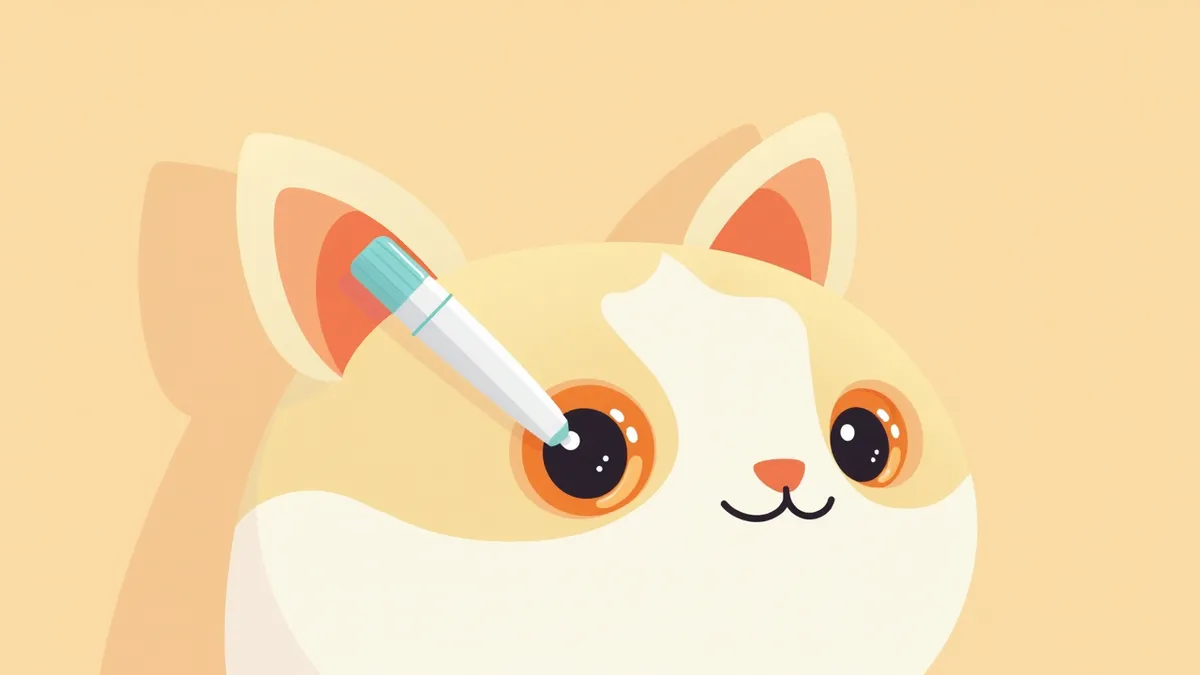
A veterinarian applying a fluorescent dye to a cat's eye
Fluorescein staining of the cornea is a key diagnostic test for accurately assessing corneal damage in cats. - Fluorescein dye: This water-soluble dye does not adhere to intact corneal epithelium but binds only to areas where the epithelium has been lost or damaged. - Purpose of the test: It allows for early detection of even small corneal ulcers or abrasions, enabling prompt initiation of treatment. - Procedure: The veterinarian applies the dye to the eye surface and then illuminates it with a cobalt blue light source. Damaged areas fluoresce a bright green, making them easy to identify. - Duration: This is a quick and simple procedure that causes minimal discomfort to the cat. - Post-examination care: Excess dye is rinsed away with sterile saline solution, and any remaining small amount is naturally cleared by the cat’s tears.

Why Is This Test Necessary?

If your cat is rubbing its eyes, keeping them closed, or producing excessive tears, it may indicate corneal damage. - Importance of early diagnosis: Even minor scratches can lead to serious infections or vision loss over time. - Effectiveness of examination: Fluorescein staining allows us to detect microscopic damage that isn't visible to the naked eye. - Improved treatment success rate: Early detection increases the likelihood of recovery through medication. - Preventive value: It's advisable to have your cat examined after going outdoors or getting into a fight with another cat, even if no symptoms are present. - Veterinarian's diagnostic criteria: The results serve as important reference data for the veterinarian when determining the treatment plan.
A cat that appears to be uncomfortable with its eyes

How Is the Test Performed?

The veterinarian applies a small amount of fluorescent dye to the cat’s eye. - How the dye works: The dye mixes with tears and spreads across the corneal surface, binding specifically only to damaged areas where the epithelium has been lost. - Examination equipment: When illuminated with a cobalt blue light source, the damaged areas glow a distinct green. - Examination time: This is a quick and simple test, and cats rarely experience discomfort. - Examination environment: The procedure is conducted in a quiet, stable space to minimize stress for the cat. - Post-examination care: Any remaining dye is thoroughly rinsed away with sterile saline solution, and residual pigment is naturally removed with tears. - Accuracy of the examination: This test helps determine the location and extent of the damage (ulcer size).
A veterinarian examining a cat's eyes with a blue light.

What Should You Watch Out for After the Test?
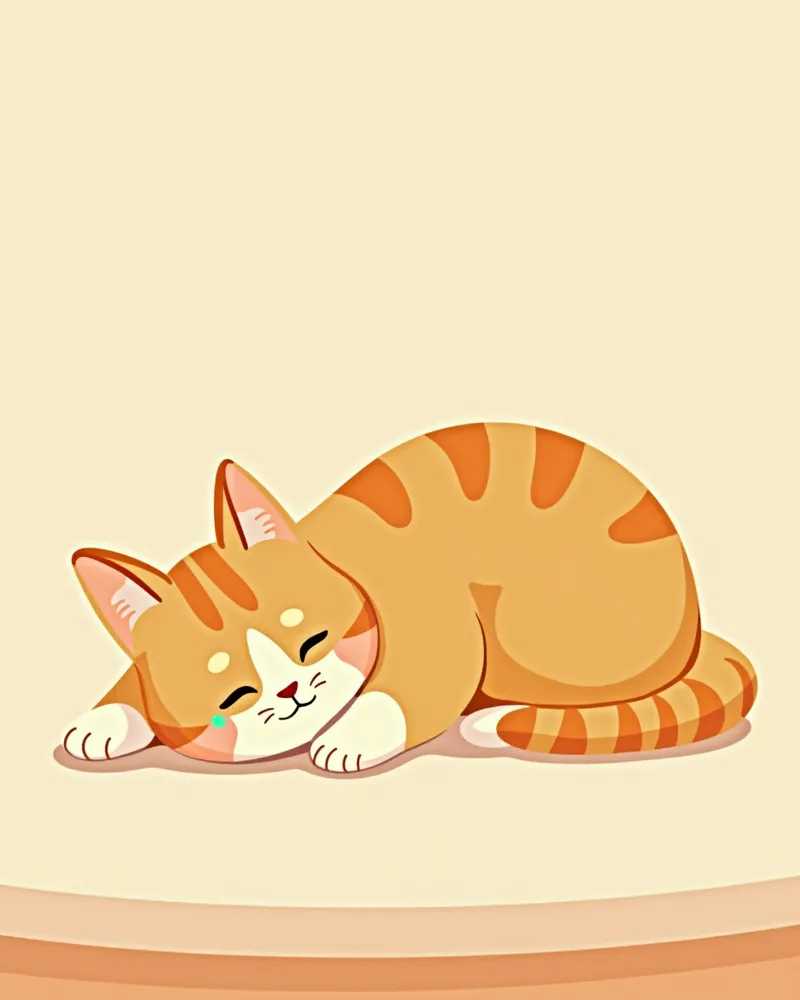
After the exam, residual dye may mix with tears and temporarily give them a greenish tint. This is a normal occurrence. - Changes in tear color: During the examination, any remaining dye is rinsed away with sterile saline, and leftover pigment naturally exits with the tears. - Managing your cat’s behavior: It is important to prevent your cat from scratching or rubbing its eyes. - Medication use: Administer any medications prescribed by your veterinarian exactly as directed. - Environmental adjustments: Allow your cat to rest in a comfortable, quiet space. - Need for re-examination: If symptoms persist, a follow-up exam is recommended. If an ulcer is present, additional checks are necessary to confirm healing. - Warning signs: If you notice swelling around the eye or signs of vision loss, seek veterinary care immediately.
The cat resting comfortably after the examination

Signs That Require an Immediate Vet Visit

If your cat keeps its eyes tightly closed after the examination, has persistent tearing, shows swelling around the eyes, or appears to have reduced vision, you should take it to the vet immediately. These could be signs of a serious infection or injury.

Fluorescein Staining vs. General Eye Examination

ItemFluorescein Staining TestGeneral Eye Exam
Ability to identify damageCan clearly identify corneal epithelial damage (ulcer)Difficult to identify subtle corneal damage with the naked eye
Exam timeFast and simpleCan be longer depending on the tests included
PainVery littleMay cause slight discomfort
Corneal ulcer diagnosisHigh diagnostic valueSupplementary

The fluorescein staining test can detect corneal epithelial damage that is invisible to the naked eye, making it a key test for diagnosing corneal ulcers.

Characteristics of Cats That Need This Test

It’s a good idea to have your cat examined if you notice frequent eye rubbing, reluctance to open the eyes, or excessive tearing. - Post-injury examination: After outdoor excursions or fights with other cats, the risk of corneal damage is high, so an exam is recommended. - Changes in behavior: Be alert if your cat keeps its eyes closed for prolonged periods or becomes sensitive to light. - Preventive examination: Regular check-ups are beneficial even in the absence of symptoms. - Age and health status: Senior cats and those with compromised immune systems require closer monitoring. - Preventive benefits of examination: Early detection can help prevent serious complications.
A cat with excessive tearing

How to Interpret the Test Results

Areas that take up the fluorescent dye indicate where the corneal epithelium has been damaged (ulcerated). - Interpreting the results: The extent and depth of the damage are assessed based on the size, location, and pattern of the staining. - Classifying the type of injury: The treatment approach varies depending on whether the damage appears as pinpoint spots, linear streaks (such as dendritic, branch-like patterns), or larger affected areas. - Veterinary assessment: Your veterinarian will provide an accurate evaluation using professional clinical criteria. - Developing a treatment plan: Based on the findings, we will determine the appropriate course of action, which may include antibiotic eye drops, wearing an Elizabethan collar (neck cone), and, if necessary, surgery. - Need for follow-up monitoring: After treatment begins, repeat fluorescein staining is essential to confirm healing progress. - Communicating the results: Your veterinarian will explain the findings immediately after the test, ensuring you fully understand the diagnosis and next steps.
An anatomical diagram of the eye showing fluorescein dye adhering to the damaged cornea

Reviewed by a veterinarian

Dr. Tony — Punnawat Phongkittirak

Dr. Tony — Punnawat Phongkittirak

Veterinarian

A veterinarian who majored in veterinary medicine at Khon Kaen University, Thailand, and completed the IVSA program at North Carolina State University in the United States. Drawing on clinical experience at animal hospitals, he works in the pet healthcare field and is dedicated to building a digital care environment that connects pet parents with veterinarians.

Frequently Asked Questions

Is it safe if the fluorescent stain gets into the eyes?
Yes, it's a water-soluble dye commonly used in ophthalmic exams. It doesn't adhere to an intact cornea, and after the exam, it's rinsed away with sterile saline. Any residual dye is naturally flushed out with tears. Side effects are extremely rare.
What should I do if my cat rubs its eyes after the examination?
Prevent your pet from scratching or rubbing their eyes. Use an Elizabethan collar (e-collar) or administer prescribed medications as advised by your veterinarian.
Is it safe to repeat this test?
Yes, it can be safely repeated. You can have it done whenever needed, and it’s useful for monitoring the healing progress of the ulcer.
Does fluorescent staining cause pain?
The test itself is virtually painless. The fluorescent dye is a water-soluble pigment that appears orange in concentrated strips and green when diluted with saline. Your cat may feel only mild irritation from the drops, and most cats tolerate the procedure without any significant issues.
What should I do if my pet’s tears turn green after the examination?
This is a normal occurrence. After the examination, any remaining dye is rinsed away with sterile saline, and residual pigment may temporarily mix with tears, giving them a greenish tint. The leftover dye will naturally be flushed out along with the tears.

Share

Related Guides

References

[1] Featherstone, H.J. and Heinrich, C.L. (2013). Ophthalmic examination and diagnostics. Part 1: the eye examination and diagnostic procedures. In: Veterinary Ophthalmology, 5e (ed. K.N. Gelatt, B.C. Gilger and T.J. Kern), 533–613. Wiley Blackwell.

[2] Mandell, D.C. and Holt, E. (2005). Ophthalmic emergencies. Vet. Clin. North Am. Small Anim. Pract. 35: 455–480.

[3] Glaze, M.B. (2005). Congenital and hereditary ocular abnormalities in cats. Clin Tech Small Anim Pract. 20(2): 74–82.

This information is based on veterinary literature and does not replace diagnosis or treatment. Please consult a veterinarian for specific health concerns.

Metapet Co., Ltd. | CEO: Park Sung-yong | Business Reg. No. 417-88-02562 | Seoul, South Korea | Customer Center

What Is Fluorescein Staining for Cats? Procedure & Results | Meongsiljang