Like
Share
멍실장
강아지 단두종 수술 교정 자주 묻는 질문 Q&A — 보호자가 꼭 알아야 할 핵심

Frequently Asked Questions (Q&A) on Surgical Correction for Brachycephalic Dogs — Key Information for Pet Owners

RespiratoryQ&AMeongsiljang Veterinary Advisory Board

Surgical correction for brachycephalic dogs is an important treatment to alleviate breathing difficulties. Here’s a Q&A summary of the key information that pet owners should know.

What is surgical correction for brachycephalic dogs?
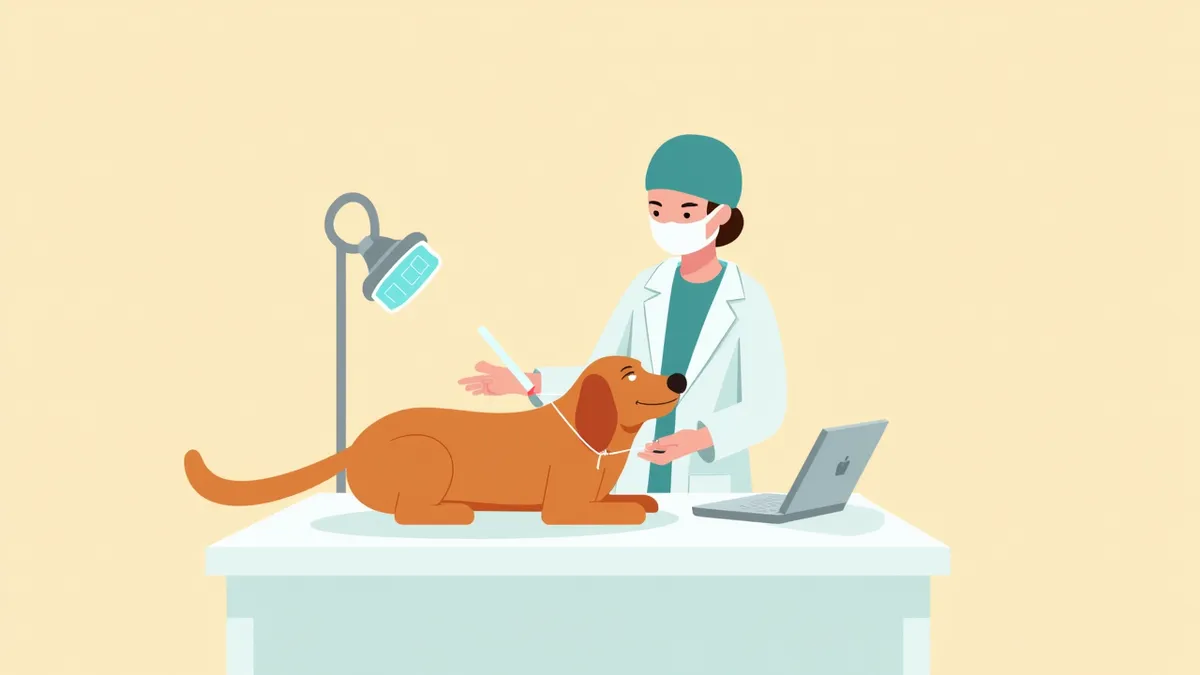
A veterinarian performing respiratory surgery on a brachycephalic puppy under anesthesia
Surgical correction for brachycephalic dogs is a procedure designed to alleviate breathing difficulties caused by Brachycephalic Obstructive Airway Syndrome, which is common in these breeds. It is typically performed on dogs that struggle to breathe due to breed-specific traits such as a flattened face, shortened jaw, narrowed nasal passages, and excess soft tissue. The surgery improves airflow and enhances oxygen supply, helping to reduce or eliminate sleep apnea and snoring. After the procedure, most dogs require less effort to breathe, recover more quickly after exercise, and tend to be more active. This is a vital treatment that can be life-saving.

Primary goals and expected outcomes of the surgery
The primary goal of surgical correction for brachycephalic breeds is to improve the structural issues of the upper airway, thereby reducing breathing difficulties. In brachycephalic dogs, the skull is shortened, but the surrounding soft tissues do not proportionally decrease in size. As a result, excess tissue can protrude into the airway, increasing resistance to airflow. Reducing this resistance yields three main benefits. First, it decreases the effort required for breathing, allowing for quicker recovery after excitement or exercise. Second, it reduces snoring and loud panting. Third, it makes the dog less sensitive to factors that exacerbate symptoms, such as obesity, overexcitement, and exercise, leading to more comfortable breathing in daily life. All these effects contribute to improving the dog's quality of life.
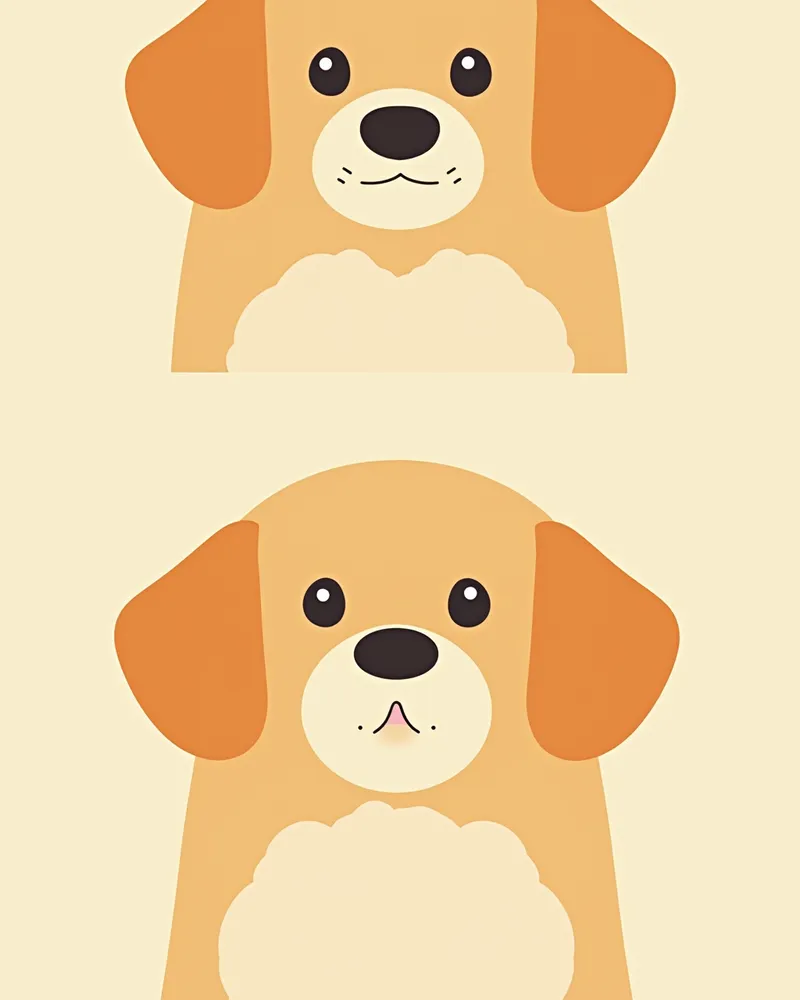
Before-and-after surgery photos of a brachycephalic puppy, showing improved airflow.

Pre-surgical preparations and procedures
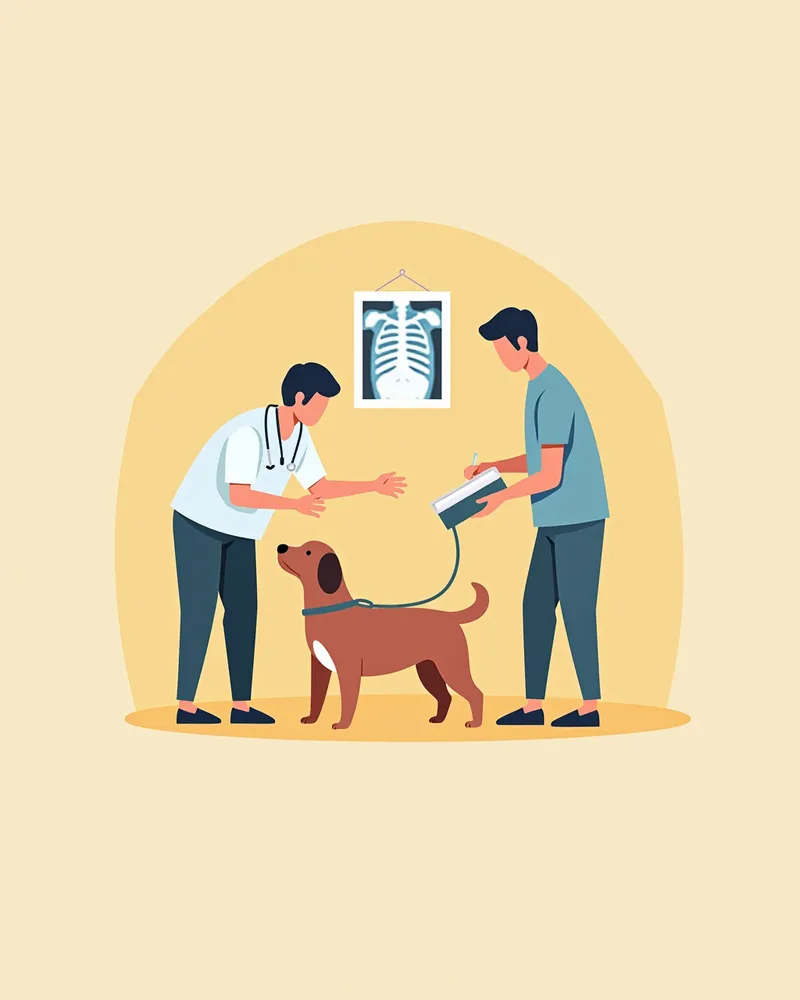
Before surgery, it is essential to thoroughly evaluate your pet’s overall health. This includes cardiac auscultation, thoracic imaging, and blood tests. If abnormalities such as heart murmurs are detected during auscultation, it is advisable to confirm the heart’s structure and function through imaging prior to anesthesia. These tests help identify potential risks for complications during surgery and anesthesia, particularly those related to cardiac dysfunction or respiratory issues. On the day of surgery, adequate fasting is required. Pain relievers and anti-inflammatory medications are administered before anesthesia to minimize pain and promote postoperative recovery. The surgery is performed under general anesthesia and typically involves procedures such as widening narrowed nostrils (stenotic nares), resecting an elongated soft palate, and removing everted laryngeal saccules.
A puppy undergoing pre-surgical blood tests and chest X-rays.

Comparison of main types of surgical correction for brachycephalic breeds

ItemMain purposeRecovery periodSuitable breeds
Stenotic nares correctionWidens narrowed nostrils to improve nasal airflow1–2 weeksPug, Bulldog, Shar-Pei
Soft palate resectionReduces the elongated soft palate to secure the airway1 weekBulldog, Boston Terrier
Laryngeal saccule removalRemoves everted laryngeal saccules to secure the laryngeal airway2–3 weeksAll brachycephalic breeds

The type of surgery is determined by the veterinarian based on the dog's structural problem. Combined surgery may be needed in some cases.

Post-surgical care and recovery process
After surgery, your pet needs to be closely monitored for at least 24 hours. Because anesthesia can cause airway swelling or irregular breathing, it’s important to follow your veterinarian’s guidance during this time. Limit walks and avoid strenuous activity throughout the recovery period. You can slowly offer food and water starting four hours after the procedure. Pain management will be handled with medications prescribed by your veterinarian—please ensure your pet takes them exactly as directed and do not stop the medication early. A follow-up visit is necessary within 7 to 10 days after surgery.
A puppy recovering from surgery rests quietly in a calm room.

Precautions before and after surgery

It is crucial to strictly fast your dog before surgery. If fasting is not observed, stomach contents may enter the airway during anesthesia, potentially causing pneumonia. After surgery, your dog should wear a protective collar to prevent licking or scratching at the mouth or nose during recovery. Additionally, if you notice any signs of airway swelling, contact your veterinarian immediately, as this could indicate a serious complication.

Risks and complications of the surgery
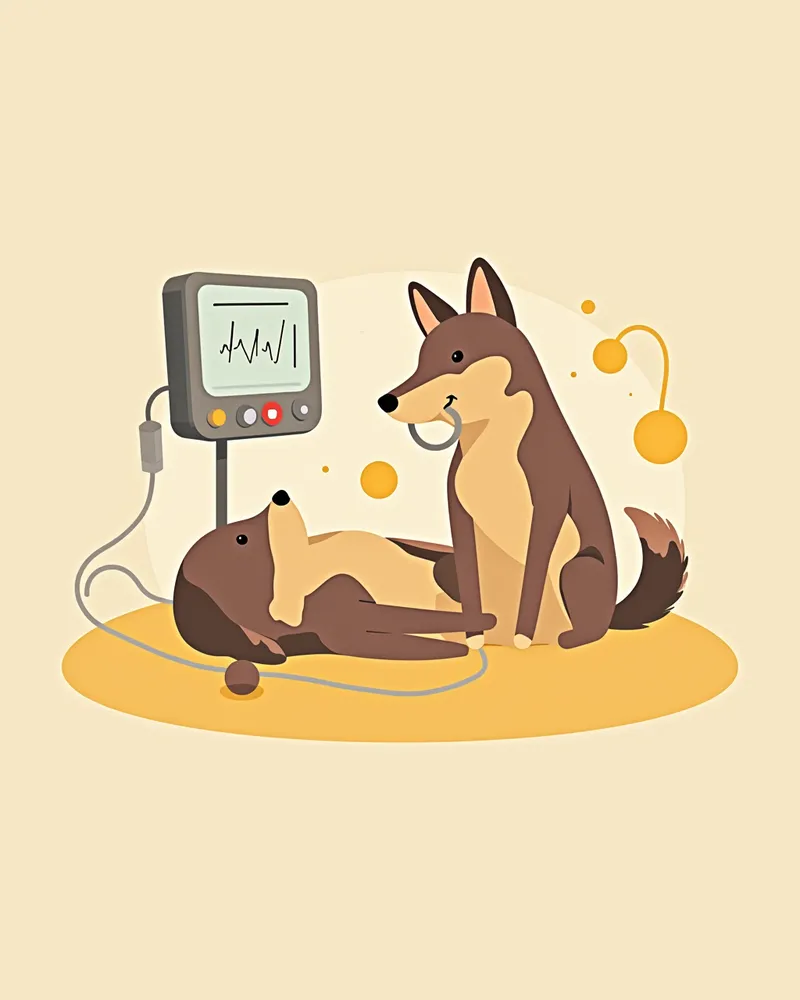
While all surgeries carry some risk, corrective procedures for brachycephalic breeds require particular caution in high-risk patients. Complications such as severe anesthetic reactions, airway bleeding, or airway obstruction can occur during surgery. Older dogs or those with heart disease are at especially high risk. Furthermore, brachycephalic dogs can develop life-threatening laryngeal collapse due to overlapping primary and secondary changes, making early detection crucial. Pre-surgical examinations help identify these risks in advance. Even if complications arise, they can usually be managed with immediate veterinary intervention. It is important to discuss the procedure thoroughly with your veterinarian beforehand.
A veterinarian monitoring the vital signs of an anesthetized dog.

Checklist for confirming post-surgical effectiveness

To confirm the effectiveness of the surgery, carefully monitor the following signs: - Reduced respiratory rate: The breathing rate decreases compared to pre-surgery levels. - Decreased noise levels: Snoring and panting are significantly reduced. - Increased activity level: Your pet does not tire easily, even after walks. - Improved sleep quality: Apnea episodes during sleep have disappeared. - Improved appetite and stable weight: Appetite improves after surgery, and weight is maintained steadily or increases. Observing these signs indicates that the surgery is yielding positive results.
A brachycephalic puppy playing energetically after surgery

Reviewed by a veterinarian

Dr. Tony — Punnawat Phongkittirak

Dr. Tony — Punnawat Phongkittirak

Veterinarian

A veterinarian who majored in veterinary medicine at Khon Kaen University, Thailand, and completed the IVSA program at North Carolina State University in the United States. Drawing on clinical experience at animal hospitals, he works in the pet healthcare field and is dedicated to building a digital care environment that connects pet parents with veterinarians.

Frequently Asked Questions

When is the best time to perform surgery for brachycephalic breeds?
The timing of surgery is determined by your veterinarian based on the severity of your pet’s symptoms, their physiological maturity, and the seriousness of any major structural defects. Generally, surgery is considered starting from the time symptoms begin to appear (after 6 months of age), but if your pet is experiencing severe breathing difficulties, it is advisable to perform the procedure earlier. It is important to consult with your veterinarian to determine the most appropriate timing.
Can breathing difficulties recur after surgery?
Surgery can improve structural issues in the respiratory tract, but as your pet ages or becomes overweight, increased pressure on the airways may cause breathing difficulties to return. That’s why maintaining a healthy weight and ensuring regular exercise are so important.
How much does the surgery cost?
Surgical costs vary depending on the breed, the veterinary clinic, and the scope of the procedure. Typically, you can expect the cost to range from $1,000 to $2,000. It is advisable to confirm the estimated costs with your veterinarian beforehand.
What are the care methods I can do at home after surgery?
After surgery, it’s important to manage your pet’s weight, avoid excessive exercise, use a protective collar, and schedule regular follow-up visits. Additionally, maintaining good indoor air quality and minimizing stress can also be beneficial.
Is it possible that the surgery won’t be effective at all?
While complete effectiveness isn't guaranteed for every dog, most cases see significant improvement in breathing difficulties. It's important to have a clear discussion with your veterinarian about expected outcomes before surgery.

Share

Related Guides

References

[1] Fossum TW. Preoperative and intraoperative care of the surgical patient. In: Fossum TW, Duprey LP, O’Connor D, editors. Small animal surgery. 3rd ed. Boston, MA: Elsevier; 2007.

[2] Hosgood G, Scholl DT. Evaluation of age as a risk factor for perianesthetic morbidity and mortality in the dog. J Vet Emerg Crit Care. 1998;8(3):222-36.

[3] The Dog Care Handbook, Things I Wish My Vet Had Told Me. 2020.

This information is based on veterinary literature and does not replace diagnosis or treatment. Please consult a veterinarian for specific health concerns.

Metapet Co., Ltd. | CEO: Park Sung-yong | Business Reg. No. 417-88-02562 | Seoul, South Korea | Customer Center

Brachycephalic Syndrome Surgery in Dogs: 5 Frequently Asked Questions | Meongsiljang