Like
Share
멍실장
강아지 기도 이물 흡입 자주 묻는 질문 Q&A — 보호자가 꼭 알아야 할 핵심

Dog Airway Foreign Body Aspiration FAQ — Key Information Pet Owners Must Know

RespiratoryQ&AMeongsiljang Veterinary Advisory Board

Inhaling a foreign object into a dog’s airway is an emergency that can cause acute respiratory distress. Here’s a summary of the key information and steps pet owners should know.

Dog Airway Foreign Body Aspiration Is an Emergency Causing Acute Respiratory Distress

Internal structure of a dog’s airway obstructed by a foreign body
When a dog inhales a foreign object into its airway, it becomes a medical emergency that severely compromises breathing. Hard objects such as toy fragments, small bone shards, or pebbles, as well as plant-based materials like grass awns, can be drawn into the trachea during inhalation. Plant-based foreign bodies are particularly problematic because their barbed structure allows them to embed deeply into the tracheal mucosa, and their tendency to fragment makes them difficult to dislodge and remove. Once an object enters the airway, symptoms such as coughing and respiratory distress may appear. In these cases, the owner’s quick assessment and immediate transport to a veterinary clinic are critical for saving the pet’s life. - Causes of Foreign Body Aspiration: Aspiration occurs when a foreign object is inhaled. Fragments from chewed or torn toys, small bone pieces, pebbles, or plant-based materials like grass awns can enter the trachea. Plant-based objects are especially difficult to remove because they tend to embed themselves in the airway. - Symptoms of Aspiration: Signs may include sudden coughing, difficulty breathing, panting, cyanosis (bluish discoloration) of the lips or tongue, and restlessness. In some cases, hemoptysis (coughing up blood) may occur, indicating that the airway is partially or completely obstructed, compromising oxygen supply. - Need for Emergency Intervention: Airway obstruction cuts off oxygen supply and poses a severe, life-threatening risk. Immediate veterinary care is absolutely essential. Attempting improper home remedies can worsen injuries and should be avoided.

What Are the Main Causes of Foreign Body Aspiration?

The primary cause of foreign body aspiration in dogs is the inhalation of foreign objects. Hard items such as toy fragments, small bone shards, or pebbles, as well as plant-based materials like grass seeds, can be drawn into the trachea during breathing. Plant-based foreign bodies, particularly grass seeds, are especially problematic because their barbed structure allows them to embed deeply into the tracheal wall and they often fragment, making removal difficult. Additionally, hard or sharp fragments can damage the tracheal mucosa. Curious puppies are particularly prone to inhaling objects while playing with them. - Risk of small toys: Fragments that break off while a dog is tearing or chewing a toy can be aspirated. - Caution with plant-based foreign bodies: Because plant materials like grass seeds can embed in the trachea and are difficult to remove, extra caution is needed when walking in grassy areas. - Owner vigilance required: Small objects must always be managed under close supervision, and it is important to provide only safe toys. - Prevention-focused approach: Keeping small, high-risk objects out of the dog’s reach is helpful in preventing aspiration.
A puppy chewing on a small toy fragment

What Are the Main Symptoms of Airway Foreign Body Aspiration?

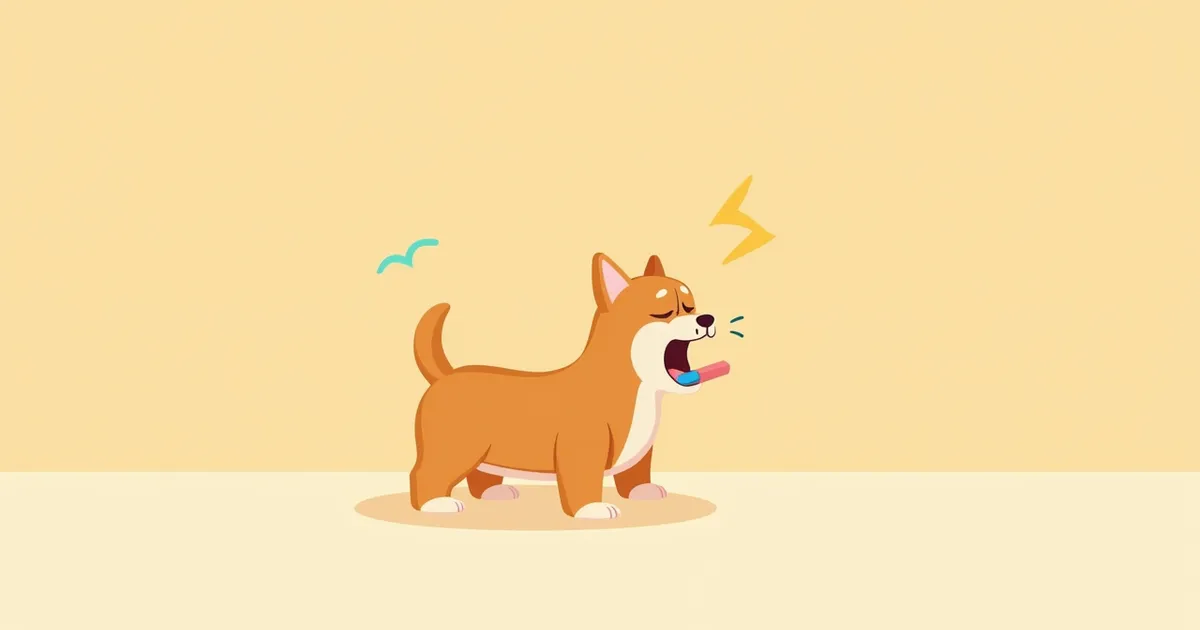
The main symptoms of airway foreign body aspiration include sudden coughing, difficulty breathing, bluish discoloration of the lips or tongue, and behaviors such as pawing at the mouth or rapid breathing. These signs indicate that the airway is partially or completely obstructed, making it difficult for oxygen to reach the body. - Coughing reflex: When a foreign object enters the airway, the body naturally tries to expel it through coughing. - Difficulty breathing: Obstruction of airflow makes it hard to breathe. - Bluish discoloration: Lack of oxygen can cause the lips or tongue to turn blue. - Behavioral changes: Pets may show signs of distress, such as restlessness, pawing at the ground, or rapid breathing. - Immediate veterinary care: All these symptoms can be life-threatening, so it's crucial to seek immediate veterinary attention.
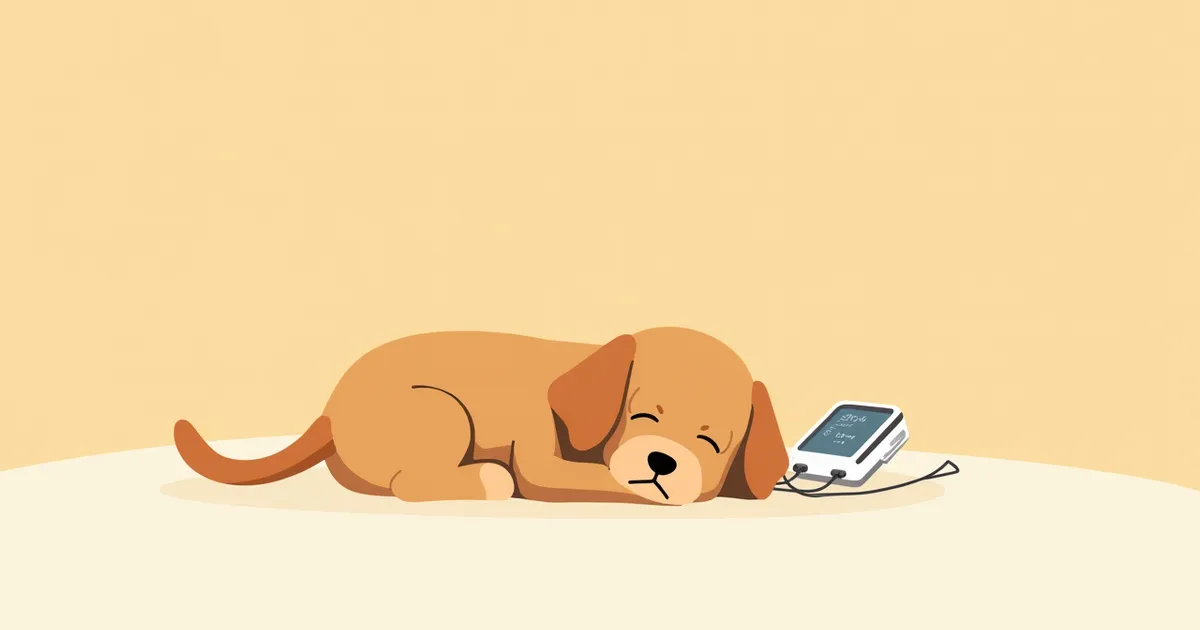
A puppy showing signs of respiratory distress, with bluish discoloration of its lips and tongue.

Emergency Signs Requiring Immediate Veterinary Visit

If your dog suddenly starts coughing and panting, or if their lips or tongue turn blue, seek veterinary care immediately. These signs indicate severe oxygen deprivation, which can be life-threatening. If a foreign object is lodged in the airway, delays can lead to airway damage or pneumonia.

Emergency Response: What Can Pet Owners Do?
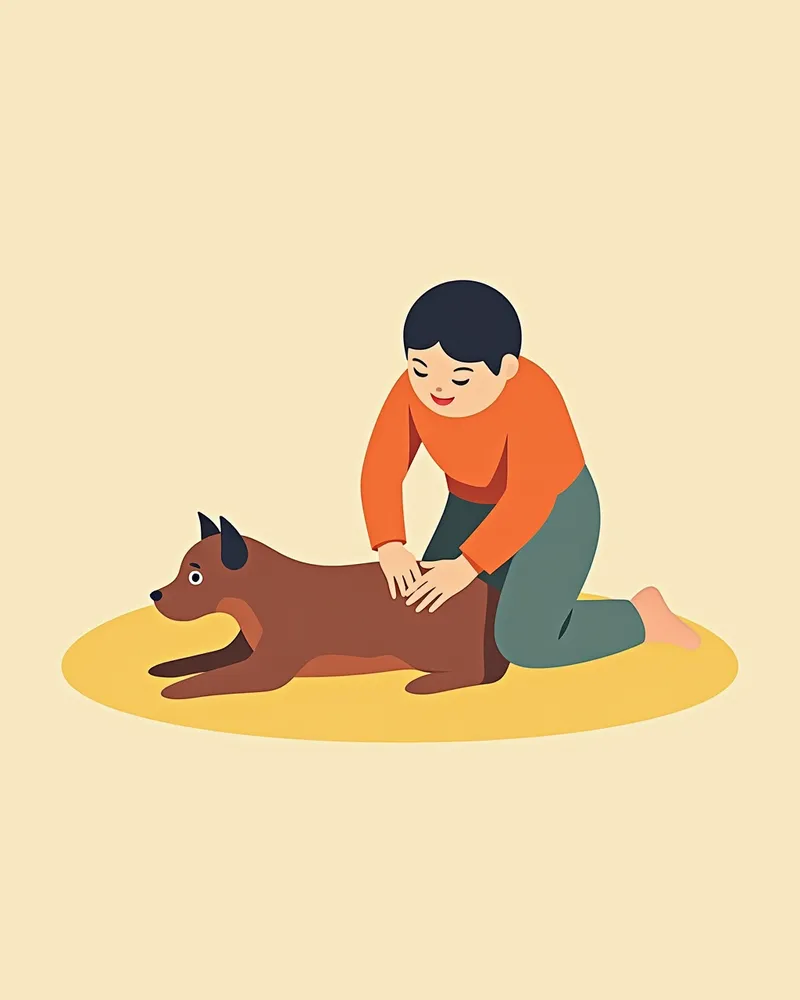
When a dog is struggling to breathe due to inhaled airway foreign bodies, the most reliable treatment is removal of the object at a veterinary clinic. Standard veterinary textbooks recommend bronchoscopy to visualize and remove the foreign body. Therefore, the safest action for pet owners at home is to avoid unnecessary stimulation of the dog and transport it to a veterinary clinic as quickly as possible. - Limitations of home care: Unverified home emergency treatments may be ineffective and, if performed incorrectly, can pose greater risks. - Caution with sharp or plant-based foreign bodies: Sharp objects like bone fragments or plant materials such as grass awns can cause further airway damage if forcefully extracted. - Immediate transport to the clinic: Contact the clinic in advance and continuously monitor the dog’s breathing during transport. - Ensure owner safety: It is important to remain calm and composed rather than panicked in an emergency. - Seek professional assistance: Until arrival at the clinic, manage the situation only with safe methods that keep the dog calm.
The owner performing the shaking technique on the puppy.

Diagnosis and Treatment Process at the Veterinary Hospital

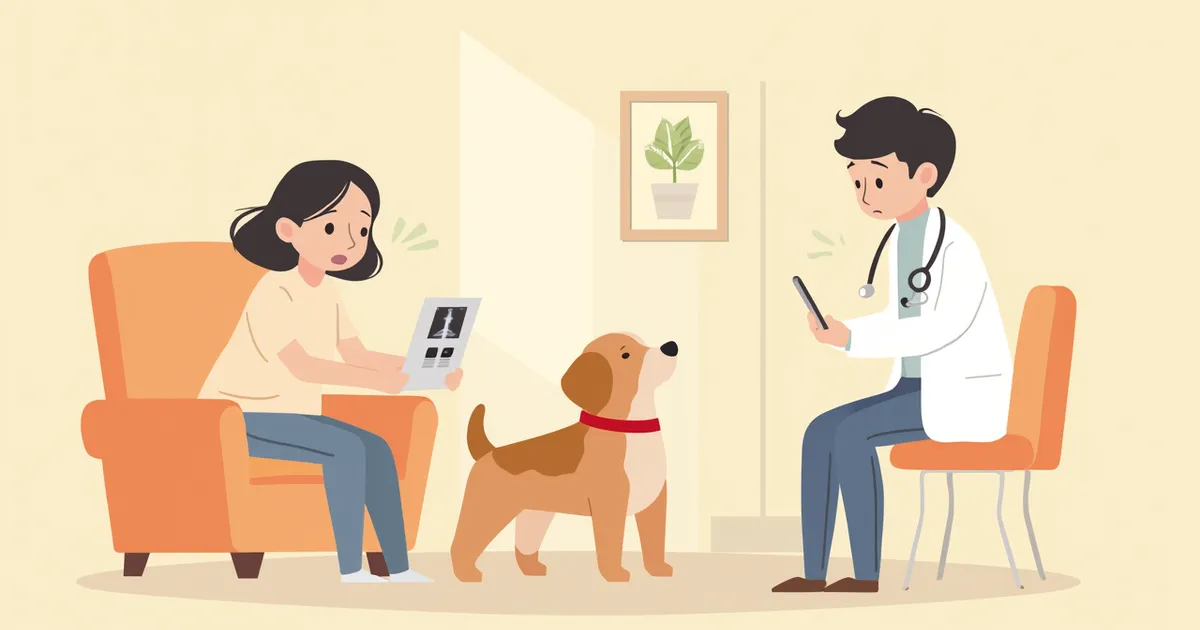
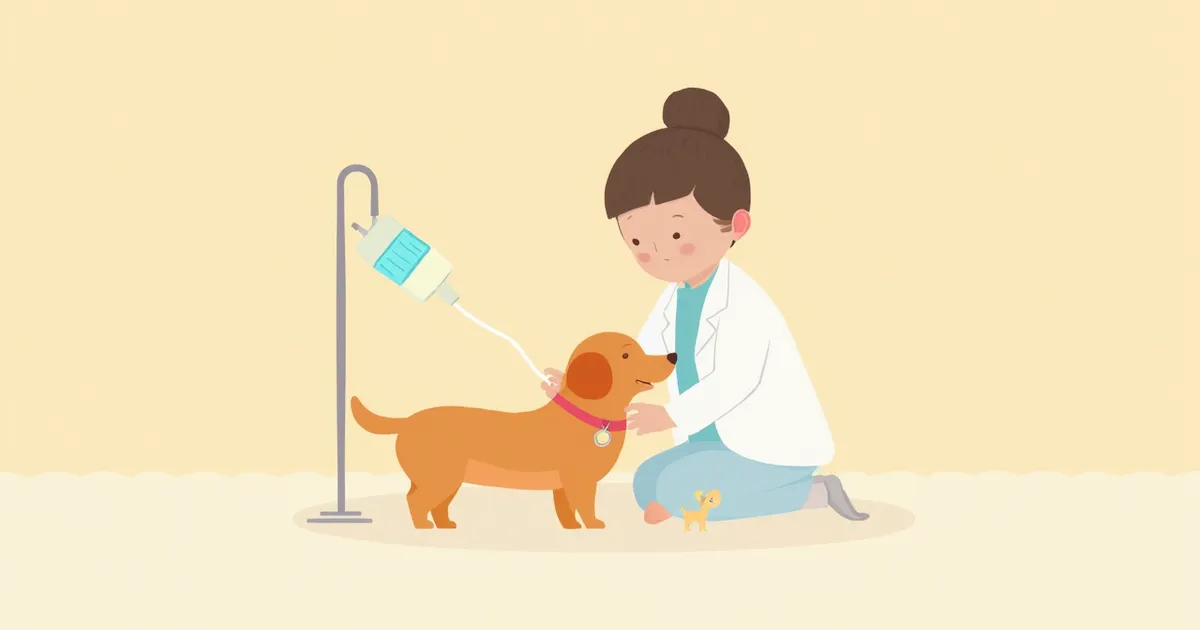
If aspiration of a foreign body is suspected, the veterinary hospital will first perform tests to determine the location of the object and assess the condition of the lungs. Chest radiographs may show opacities or ill-defined pulmonary infiltrates caused by the foreign body in the airways or lungs; however, plant-based materials such as grass awns may not be clearly visible on X-rays. An elevated white blood cell count on blood tests may suggest an infection such as bronchopneumonia. - Bronchoscopic diagnosis: Bronchoscopy is the most definitive method for both diagnosis and treatment. It allows direct visualization of the foreign body within the airways and enables simultaneous removal. - Foreign body removal: The object is extracted using the endoscope. Plant-based materials like grass awns are fragile and tend to embed in the airway, so complete removal in one attempt may not be possible, and multiple procedures may be required. - Treatment of complications: If a foreign body remains in the airway, localized bronchopneumonia can develop, particularly in the right lung lobes, making post-removal antibiotic therapy necessary. In some cases, partial removal of the foreign body combined with antibiotic treatment has led to recovery. - Additional testing: If no foreign body is identified or if symptoms persist after removal, further diagnostic tests are needed to investigate other potential causes. - Importance of early veterinary care: Pneumonia and inflammation can progress over time, so diagnostic testing is necessary even if the pet appears asymptomatic.
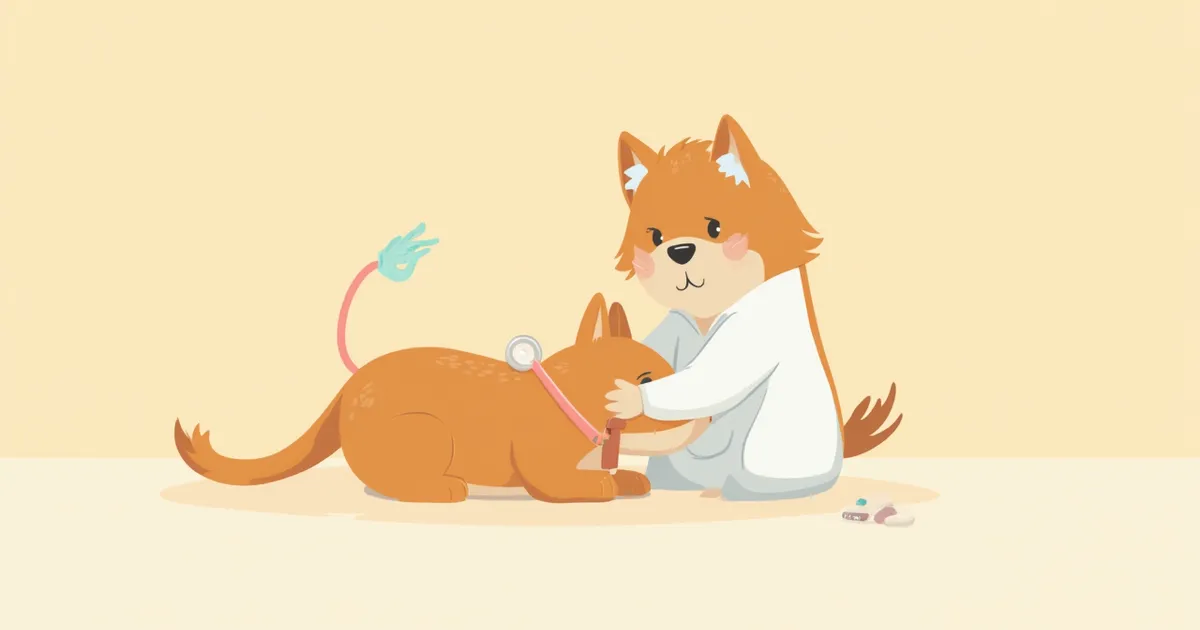
A veterinarian uses an endoscope to examine a dog's airway.

Comparison of Response Methods by Stage of Airway Foreign Body Aspiration

ItemResponse MethodPrecautions
Immediate symptom onset (coughing, breathing difficulty)Visit the hospital immediatelyDo not carelessly attempt unverified self-treatment. Sharp foreign bodies or plant-based foreign bodies are especially dangerous.
Slight symptoms present (mild coughing)Consider a hospital visitIf it persists or the coughing recurs, an immediate hospital visit is needed. Coughing alone can lead to progressing airway damage or inflammation.
When time has passed since foreign body inhalationAlways visit the hospitalIf the foreign body remains in the airway, pneumonia or inflammation can progress. Even if no symptoms appear after time has passed, examination is needed.

In all cases, visiting the hospital is the safest choice. In particular, plant-based foreign bodies or sharp objects are difficult to remove and carry a high risk of complications.

Daily Management Tips for Prevention

To prevent aspiration of foreign objects into the airway, it is important to manage your dog’s environment so they do not inhale small items. Dogs often aspirate objects out of curiosity when putting things in their mouths, so constant vigilance is necessary. - Caution with small objects: Avoid giving items that break or splinter easily, such as small bone fragments, and provide only safe toys. - Toy management: Carefully check the size and material of any toys your dog can tear or chew. - Clean up after meals: Develop the habit of immediately clearing away scattered food scraps after eating. - Be mindful during walks: Plant-based foreign bodies like grass awns can embed deeply in the airway and are difficult to remove, so monitor your dog closely after walks through grassy areas. - Stay attentive: Always keep in mind that small objects can be aspirated into the airway, and observe your dog carefully. - Prevention-first mindset: The most effective way to avoid emergencies is to prepare proactively in daily life.
A dog using a slow-feed toy to eat its meal at a leisurely pace.

Reviewed by a veterinarian

Dr. Tony — Punnawat Phongkittirak

Dr. Tony — Punnawat Phongkittirak

Veterinarian

A veterinarian who majored in veterinary medicine at Khon Kaen University, Thailand, and completed the IVSA program at North Carolina State University in the United States. Drawing on clinical experience at animal hospitals, he works in the pet healthcare field and is dedicated to building a digital care environment that connects pet parents with veterinarians.

Frequently Asked Questions

Is it okay if my dog only coughs after inhaling a foreign object into its airway?
No, coughing is a sign that a foreign object may be lodged in the airway. Immediate veterinary care is necessary. While coughing is a protective reflex to expel the object, persistent coughing can cause airway damage or inflammation. Plant-based foreign bodies, such as grass awns, are particularly difficult to remove and can lead to bronchopneumonia.
Is it okay to use the shaking technique when a foreign object is stuck in the airway?
Home first aid measures lack proven effectiveness. If performed incorrectly, they can cause further damage to the airways, so the most reliable approach is to transport your pet to a veterinary clinic as soon as possible for safe removal via bronchoscopy. This is especially important for sharp or plant-based foreign objects, as attempting to remove them forcefully can significantly worsen airway injury.
Can pneumonia develop after inhaling a foreign object into the airway?
Yes, if a foreign body remains in the airway, it can cause localized bronchopneumonia, which most commonly affects the right lung lobes. Plant-based foreign bodies, such as grass awns, tend to remain stationary and provoke persistent inflammation and infection, making accurate diagnosis and removal essential.
My dog frequently inhales foreign objects into his airway. How can I prevent this?
Use safe toys and always keep small objects out of reach. Check the size and material of toys that could break apart, and avoid giving your dog items that easily splinter or small bone fragments. Pay extra attention to curious puppies who tend to put things in their mouths.
How long does it take for a pet to recover after inhaling a foreign object into the airway?
The recovery period varies depending on whether pneumonia develops after the foreign body is removed, the extent of airway damage, and whether antibiotics are needed. It’s difficult to set a fixed timeline, so follow your veterinarian’s guidance for care, and if symptoms persist, additional tests may be necessary.

Share

Related Guides

References

[1] Notes on Canine Internal Medicine, 4th Ed. (2023). Chapter 8: Airway Foreign Bodies. Elsevier.

[2] Advanced Monitoring for Small Animal Emergency and Critical Care, 2nd Ed. (2020). Section 40.4: Gastrointestinal Decontamination. Wiley.

[3] American Veterinary Medical Association. (2022). Canine Airway Foreign Body Management Guidelines. AVMA Press.

This information is based on veterinary literature and does not replace diagnosis or treatment. Please consult a veterinarian for specific health concerns.

Metapet Co., Ltd. | CEO: Park Sung-yong | Business Reg. No. 417-88-02562 | Seoul, South Korea | Customer Center

Dog Airway Foreign Body Aspiration: 5 FAQs and What to Do | Meongsiljang