Like
Share
멍실장
강아지 치아 예방 관리 자주 묻는 질문 Q&A — 보호자가 꼭 알아야 할 핵심

Dog Dental Preventive Care FAQ — Key Points Every Pet Owner Should Know

Lifestyle & Age CareQ&AMeongsiljang Veterinary Advisory Board

Your dog’s dental health can be prevented through daily care. Here’s a summary of key questions and answers that pet owners should know.

Dog Dental Preventive Care Is a Daily Habit
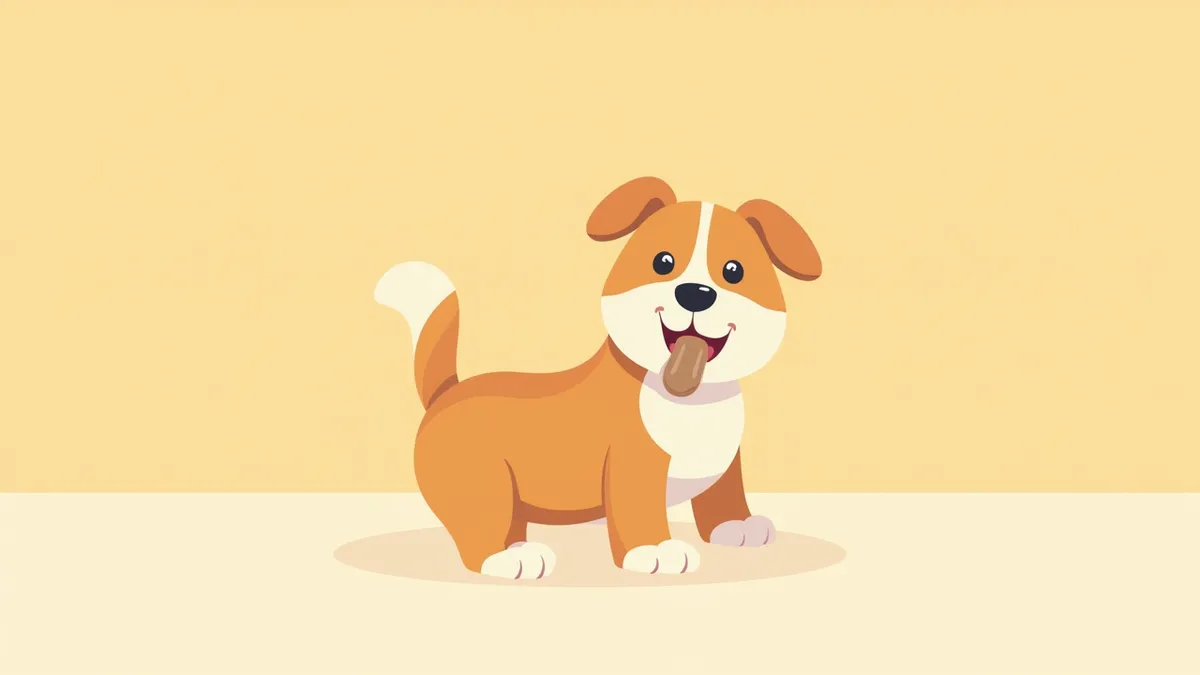
A puppy chewing on a dental health treat
Preventive dental care for dogs involves daily routines to help ward off dental disease. Since oral health is directly linked to overall well-being, early intervention is crucial. The key lies in combining regular veterinary check-ups with consistent at-home care from you, the pet owner.
Dental Health Checks: Inspect your dog’s mouth weekly for signs of bleeding, swelling, or bad breath.
When to Start Brushing: Begin gradually introducing toothbrushing around six months of age.
Use Proper Tools: Always use toothbrushes and toothpaste specifically designed for dogs.
Treat Selection: Choose treats that support dental health.
With regular care, you can effectively prevent dental diseases.

When Do Dental Problems Start?

Dental issues in dogs become increasingly common with age. Acquired dental diseases occur more frequently as dogs get older, and studies show that about 80% of dogs exhibit some degree of periodontal disease by around three years of age, making consistent care from an early age essential. Breeds with small jaws and crowded teeth are especially prone to plaque buildup, putting them at higher risk.
Growth stage: Start monitoring your dog’s oral health as soon as their permanent teeth come in.
Adult stage: As dogs age, tartar and gum disease can accumulate, so regular check-ups are important.
Professional care: Routine dental exams and professional cleanings can help slow disease progression.
Small and brachycephalic breeds: Dogs under 5 kg and brachycephalic breeds have a higher incidence of dental disease, so they may require more attentive care.
Early care can help slow the progression of dental disease.
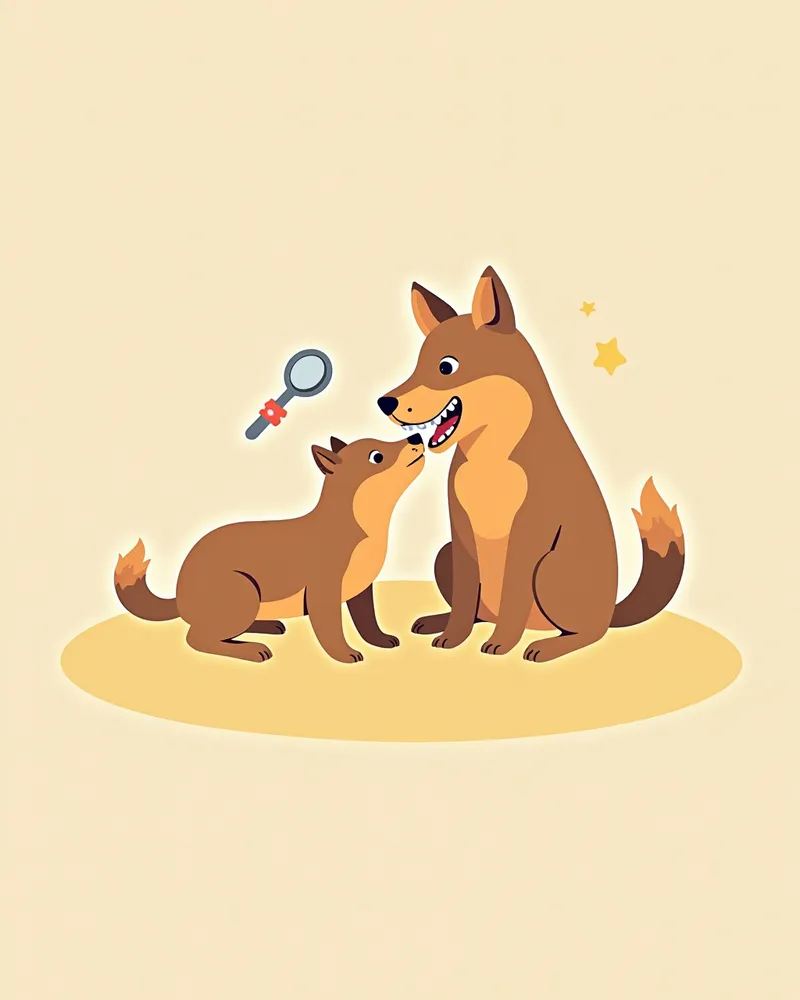
A veterinarian examining a puppy’s teeth.

What Is the Most Effective Way to Care for Teeth at Home?
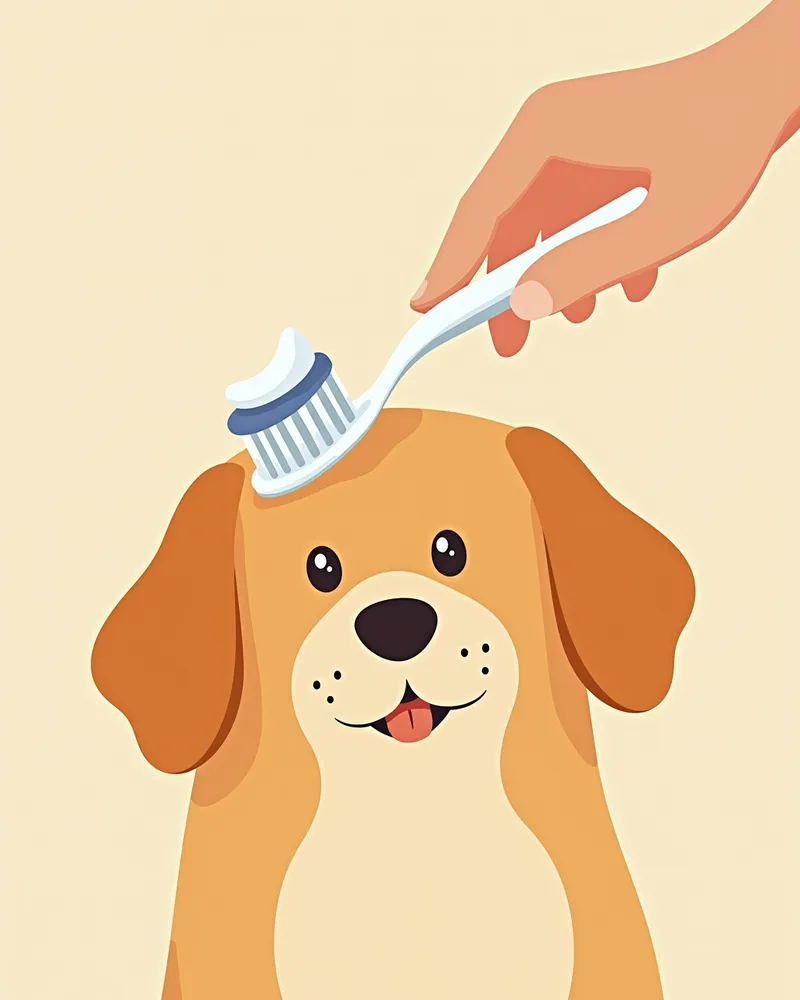
The most effective way to care for your pet’s teeth at home is daily brushing. Brushing is the best method for removing plaque and bacteria, and it’s essential for preventing gum disease. At first, take your time to build the habit gradually.
How to brush: Use a toothbrush and toothpaste specifically designed for dogs.
When to start: Begin gradually around 6 months of age.
Duration: Just 1–2 minutes is enough.
Reward: Offer a treat or praise after brushing as a reward.
Tool selection: Also consider solid treats or products that support dental health.
Consistency is the key to maintaining good dental health.
A guardian brushing their puppy’s teeth

Comparison Chart of Dog Dental Care Tools

ItemTool TypeAdvantagesDisadvantagesRecommended Age
Dog-specific toothbrushDesigned to fit teeth and gumsExcellent at removing plaqueGood for forming early habits6 months and older
Dental cleaning treatsConvenient and dogs love themSome products have limited effectivenessExcessive intake may cause gastrointestinal problems12 months and older
Dental chew toysFun and encourages natural behaviorNo lasting effectSmall pieces may break off6 months and older

Use only dog-specific products. Human toothpaste is toxic.

What Treats Help With Dental Care?

Treats designed for dental care help reduce plaque and tartar by encouraging chewing. However, since treats are only a supplementary aid for dental hygiene, they should be considered a lower priority than brushing.
Chewing action: The act of chewing on firm treats helps reduce tartar buildup.
Texture and hardness: Products that are too small or soft have a limited chewing effect.
Consistent use: No single product works equally well for every dog, so it’s best to combine multiple methods.
Check ingredients: Choose products free from artificial flavors, colors, and preservatives.
Avoid overfeeding: High-calorie treats can contribute to obesity.
For the best results, use these treats alongside regular tooth brushing.
Dog treats that help promote dental health

Warning: Never Use Human Toothpaste

Using human toothpaste on dogs can cause serious health issues. The fluoride in toothpaste can damage cells through oxidative stress if swallowed, leading to gastrointestinal irritation, vomiting, and in severe cases, poisoning symptoms such as arrhythmia. This is especially dangerous for dogs, who cannot spit out toothpaste.

Why Are Regular Veterinary Check-ups Important?
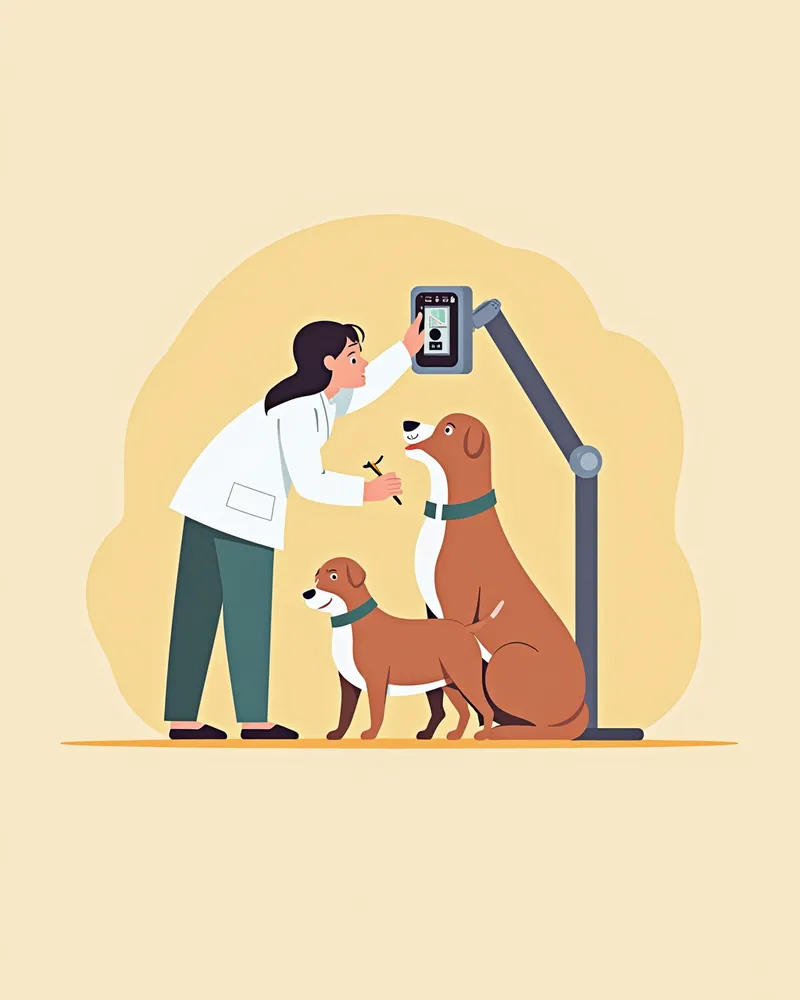
Regular veterinary check-ups are essential for the early detection and prevention of dental disease. Dental problems often go unnoticed in their early stages, but over time they can lead to serious gum disease or tooth loss. Your veterinarian will carefully evaluate your pet’s oral health and recommend specialized treatment if needed.
Check-up Frequency: Recommended at least once a year, though this may be adjusted based on life stage and overall health.
Dental Radiographs: X-rays may be necessary to examine the condition of the tooth roots and jawbone.
Professional Cleaning: Includes tartar removal and polishing of the tooth surfaces.
Preventive Care Plan: A personalized management plan is developed for your pet.
Early Disease Detection: Beyond dental issues, signs of systemic diseases can also be identified.
Early care is key to maintaining your pet’s dental health.
A veterinarian taking dental X-rays of a puppy.

What Are Common Mistakes in Dog Dental Care?
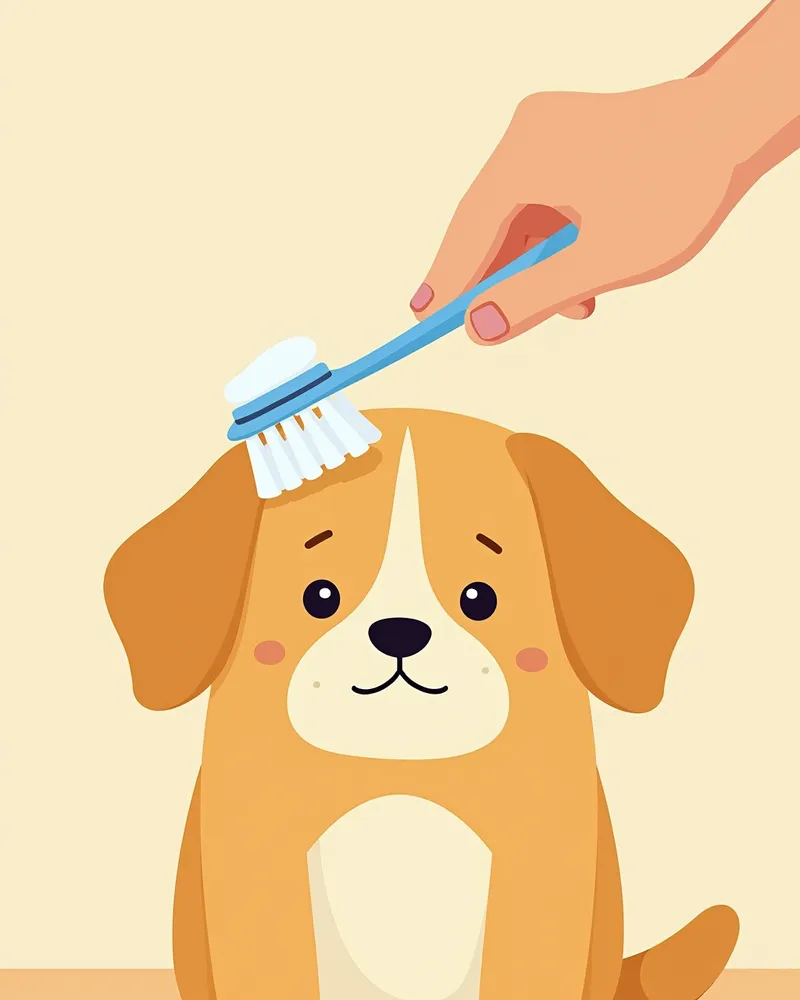
Here are some common mistakes people make when caring for their dog’s teeth. Avoiding these will help you manage your dog’s dental health more effectively.
Mistake 1: Using human toothpaste → It can be toxic.
Mistake 2: Brushing too hard → Can damage the gums.
Mistake 3: Inconsistent brushing → Not effective.
Mistake 4: Relying solely on treats for dental care → They are only a supplementary aid.
Mistake 5: Neglecting veterinary check-ups → May miss early signs of disease.
To maintain your dog’s dental health for the long term, avoid these mistakes and establish consistent habits.
Your dog showing signs of disliking tooth brushing

Reviewed by a veterinarian

Dr. Tony — Punnawat Phongkittirak

Dr. Tony — Punnawat Phongkittirak

Veterinarian

A veterinarian who majored in veterinary medicine at Khon Kaen University, Thailand, and completed the IVSA program at North Carolina State University in the United States. Drawing on clinical experience at animal hospitals, he works in the pet healthcare field and is dedicated to building a digital care environment that connects pet parents with veterinarians.

Frequently Asked Questions

When should you start caring for your puppy’s teeth?
It's best to start gradually once the permanent teeth have come in. Early habit formation is key.
Can dental health be maintained with treats alone?
Treats can be helpful, but they need to be combined with brushing for optimal results. Treats alone aren't enough.
My dog hates brushing its teeth. What should I do?
Build the habit gradually. Start with short sessions at first, and reward your pet with treats or praise.
How often should dental check-ups be performed?
Regular check-ups are recommended, and small-breed dogs may need them even more frequently. Since most conditions show no outward signs, routine exams are key to early detection.
What are some good treats for dental health?
A firm treat that encourages chewing and helps reduce plaque and tartar buildup is a good choice. It’s important to check the ingredients.

Share

Related Guides

References

[1] Clinical Medicine of the Dog and Cat, 4th Ed. (2023). Elsevier.

[2] Applied Veterinary Clinical Nutrition, 2nd Ed. (2021). Wiley-Blackwell.

[3] 100 Top Consultations in Small Animal General Practice (2022). Elsevier.

This information is based on veterinary literature and does not replace diagnosis or treatment. Please consult a veterinarian for specific health concerns.

Metapet Co., Ltd. | CEO: Park Sung-yong | Business Reg. No. 417-88-02562 | Seoul, South Korea | Customer Center

5 FAQs About Preventive Dental Care for Dogs | Meongsiljang