
Dog Ear Cleaning Methods FAQ — Key Points Owners Must Know
Cleaning your dog’s ears is a key part of preventive care. Knowing the proper technique and precautions can help you effectively prevent ear diseases.
Dog Ear Cleaning Methods Are a Basic Care Habit for Owners
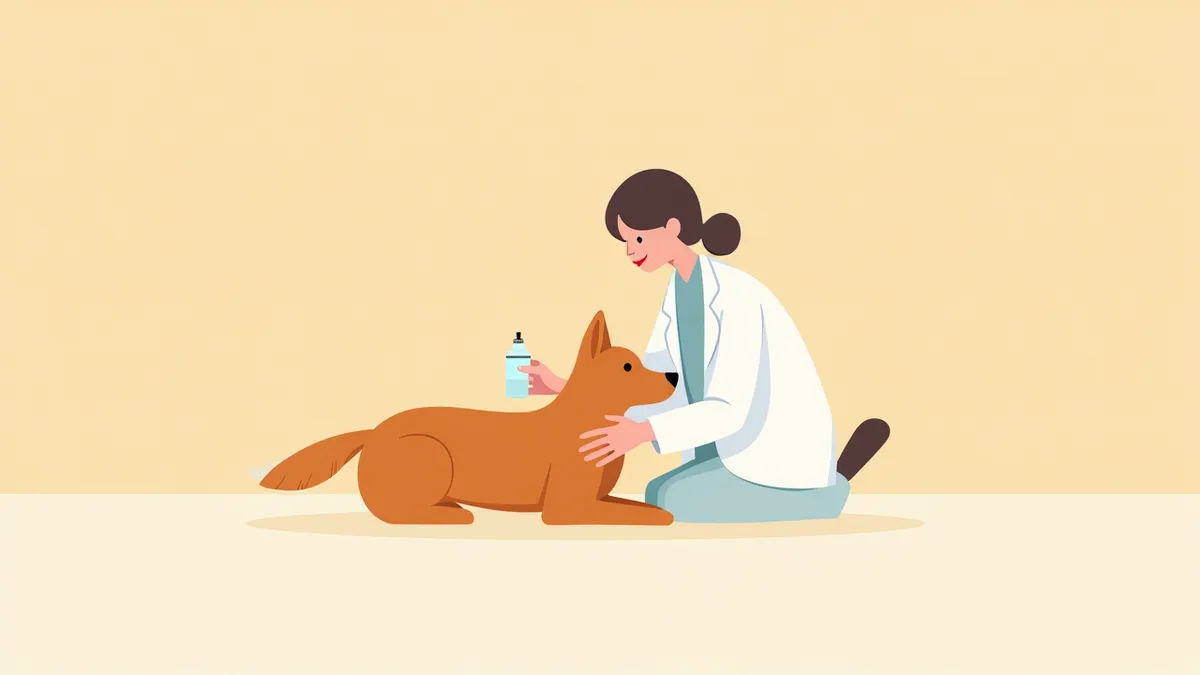
When and How Often Should You Clean Your Dog’s Ears?
How to Choose the Right Tools and Cleaners
What to Do If Your Dog Is in Pain or Resists During Ear Cleaning
Comparing Ear Cleaning Methods: At Home vs. Veterinary Clinic
| Item | Home Cleaning | Veterinary Care |
|---|---|---|
| Appropriate timing | Routine care when there is no discharge or odor | When there is pain, odor, or discharge, or when it recurs |
| Tools used | Cotton swabs, cleaning solution | Otoscope, ear flushing device (flushing under general anesthesia if needed) |
| Safety | Possibility of irritation | Precise and safe |
| Effectiveness | Light cleaning | Can remove even deep or firmly attached discharge |
For severe symptoms or recurring cases, veterinary care is essential.
Stop Immediately If Your Dog Moves Violently or Shows Pain During Ear Cleaning
If your dog scratches at its ears or whines and resists, it may have inflammation or an infection inside the ear. Forcing a cleaning can worsen any injuries, so stop immediately and consult your veterinarian.
Precautions and Care Tips After Ear Cleaning

Checklist of Essential Points Owners Must Know for Dog Ear Cleaning

Reviewed by a veterinarian

Dr. Tony — Punnawat Phongkittirak
VeterinarianA veterinarian who majored in veterinary medicine at Khon Kaen University, Thailand, and completed the IVSA program at North Carolina State University in the United States. Drawing on clinical experience at animal hospitals, he works in the pet healthcare field and is dedicated to building a digital care environment that connects pet parents with veterinarians.
Reviewed 2026-06-29
Frequently Asked Questions
Is it safe to clean my dog’s ears every day?
Is it okay to clean deep inside the ear with a cotton swab?
What should I do if my pet’s ears still smell after cleaning?
Do long-haired breeds require more frequent ear cleaning?
Can cleaning your pet's ears cause an ear infection?
Share
Related Guides
Top Recommendations and Selection Criteria for Cat FIV and FeLV Testing
Top Microchip Implantation Management Recommendations for Dogs and Key Selection Criteria
Complete Guide to Choosing, Comparing, and Managing the Best Heartworm Preventives for Dogs
Why Your Dog Rubs Its Back on Grass

Why Dogs Sniff Each Other’s Rear Ends
Why Do Cats Bring Home Dead Animals — Hunting Instinct or Affection?

Why Dogs Love Human Food and How to Handle It Safely
The Meaning of a Dog’s Tail Wag: How to Read Mood by Direction and Speed

Why Dogs Make a Sad Face

Cat Purr vs. Meow: Aren't They the Same Sound?
References
[1] BSAVA Manual of Canine and Feline Dermatology, 4th Ed, 2023
[2] Miller WH, Griffin CE and Campbell KA (2012). Muller and Kirk's Small Animal Dermatology, 7th edn, pp 948. W.B. Saunders, Philadelphia
[3] Nuttall T and Cole L (2007) Evidence-based veterinary dermatology: a systematic review of interventions for treatment of Pseudomonas otitis in dogs. Veterinary Dermatology 18, 69-77