
Feline Neurogenic Bladder FAQ — Key Information Every Pet Owner Should Know
Feline neurogenic bladder is a condition in which abnormal nerve function impairs proper bladder contraction, leading to urinary difficulties. Here’s a summary of the key information pet owners should know.
What is feline neurogenic bladder?
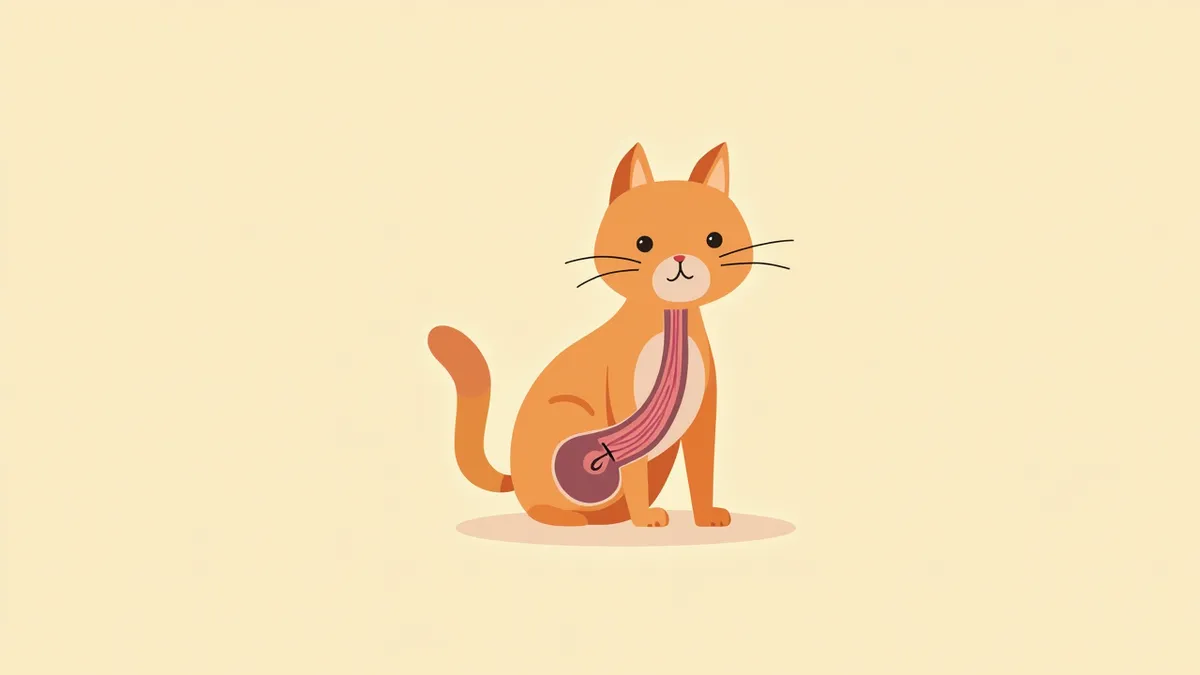
What are the main causes of this condition?
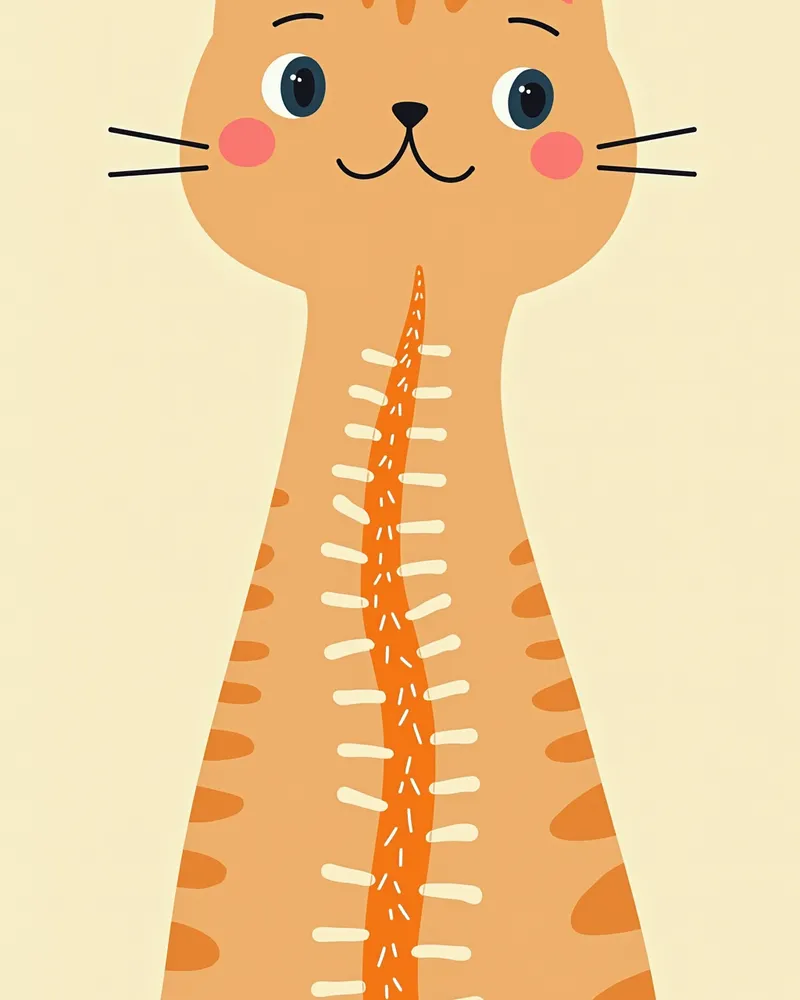
What are the main symptoms and signs?

When to seek immediate veterinary care
If your cat hasn’t urinated for more than 24 hours, shows abdominal tension or unusual posturing while trying to urinate, or has a noticeably distended abdomen, immediate veterinary care is essential. This urgency stems from the risk of excessive bladder distension restricting blood flow and increasing the likelihood of infection. Because progressive bladder damage can compromise kidney function, prompt diagnosis and appropriate treatment are critical.
Neurogenic bladder vs. mechanical bladder obstruction
| Item | Neurogenic bladder | Mechanical bladder obstruction |
|---|---|---|
| Cause | Spinal cord injury, brain disease, neuropathy, FIP, tumors, etc. | Physical blockage such as stones, tumors, or blood clots |
| Pain during urination | Generally absent or mild | Severe |
| Urine volume | Little or no urine | None at all |
| Urgency | Moderate (prompt intervention needed) | Very high (treatment required within 24 hours) |
Mechanical obstruction is highly time-critical, while a neurogenic bladder requires early management depending on the cause.
How is it accurately diagnosed?
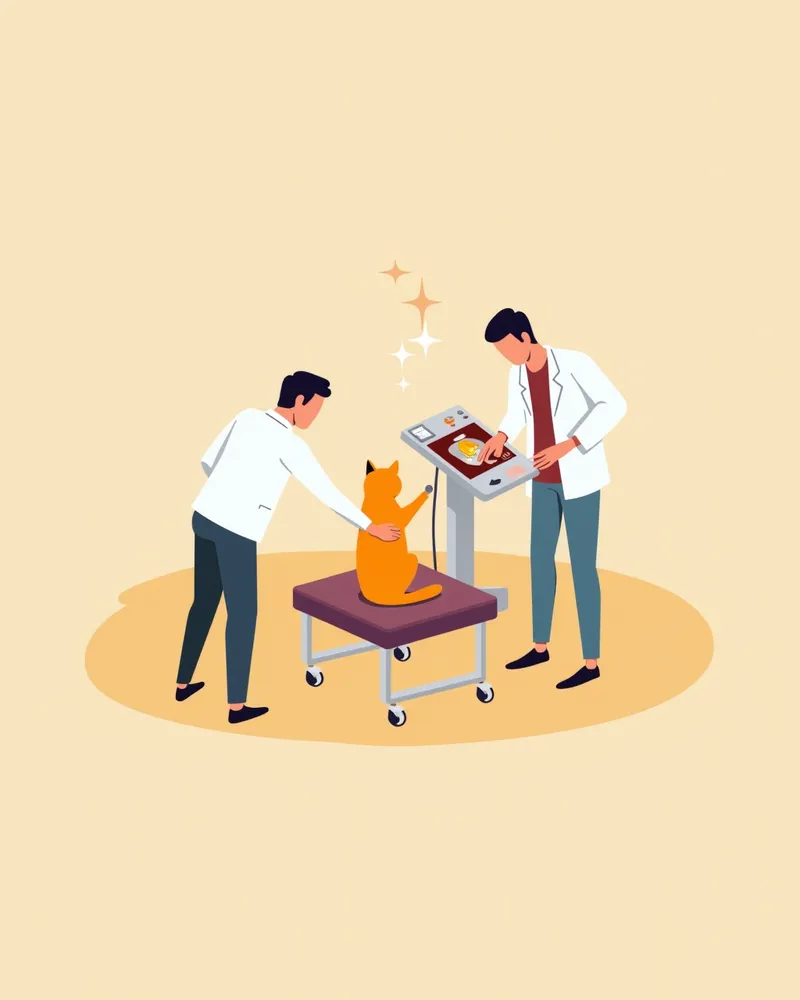
Treatment and management options
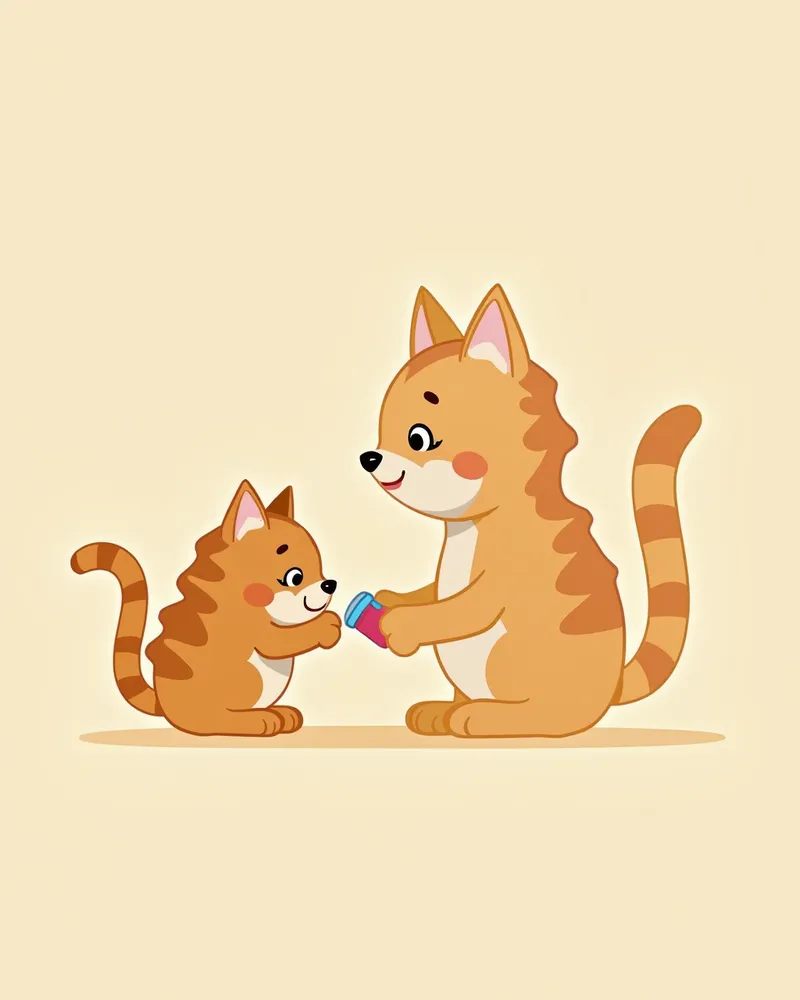
Management tips for pet owners

Points to note: Preventing recurrence and complications
Feline neurogenic bladder is often difficult to cure completely, so ongoing management is essential. If the bladder becomes overly distended, it can lead to urinary tract infections or kidney damage. Additionally, stress and environmental changes can affect symptoms, so maintaining a stable daily routine is important. Regular check-ups with your veterinarian are key to monitoring your cat’s condition. In some cases, symptoms may improve with medication, manual bladder expression, and environmental modifications.
Reviewed by a veterinarian

Dr. Tony — Punnawat Phongkittirak
VeterinarianA veterinarian who majored in veterinary medicine at Khon Kaen University, Thailand, and completed the IVSA program at North Carolina State University in the United States. Drawing on clinical experience at animal hospitals, he works in the pet healthcare field and is dedicated to building a digital care environment that connects pet parents with veterinarians.
Reviewed 2026-06-29
Frequently Asked Questions
Could a neurogenic bladder be the reason your cat isn't urinating?
Is this condition treatable?
How can I care for my pet at home?
What happens if the bladder ruptures?
What should I do if my cat keeps trying to urinate but nothing comes out?
Share
Related Guides
Top 5 Prescription Diets for Feline FLUTD — Comparison by Struvite and Calcium Oxalate Stones

Top 7 Prescription Diets for Feline Bladder and Urinary Tract Health Recommended by Veterinarians — Including Selection Criteria

Top 5 Cranberry Urinary Supplements for Dogs — Preventing Cystitis
Frequently Asked Questions About Feline Dental Radiography — Key Information for Pet Owners

Frequently Asked Questions About Preventive Dental Treats and Chews for Cats — Key Points Every Owner Should Know

Frequently Asked Questions on Preventing Feline Tartar and Plaque — Key Information Every Pet Owner Should Know

Feline Oral Abscess & Root Abscess FAQ — Key Information Every Pet Owner Should Know

Frequently Asked Questions About Cleft Palate in Cats — Key Information for Pet Owners

Cat Teeth Grinding (Bruxism) FAQ — Key Information Every Pet Owner Should Know
Is Feline Anesthetic Dentistry Really Safe? — Key Safety Q&A Answered by a Veterinarian
References
[1] Campoli, V. and Vettorato, E. (2018) ‘How to Recognise Pain in Cats’. Companion Animal (BSAVA), 2018(12), pp. 12–17.
[2] The Cat, Clinical Medicine and Management, 2nd Edition. (2022). Elsevier Health Sciences.