Like
Share
멍실장
고양이 과도한 그루밍 — 보호자가 꼭 알아야 할 원인·증상·관리 핵심 Q&A

My Cat Keeps Licking Themselves — Is Excessive Grooming Normal?

Brain & CognitionQ&AMeongsiljang Veterinary Advisory Board

Excessive grooming in cats can be caused by a variety of factors, including stress, allergies, and parasites. We’ve outlined how to distinguish between medical and psychological causes, as well as environmental improvements you can make at home.

What Is Excessive Grooming in Cats?
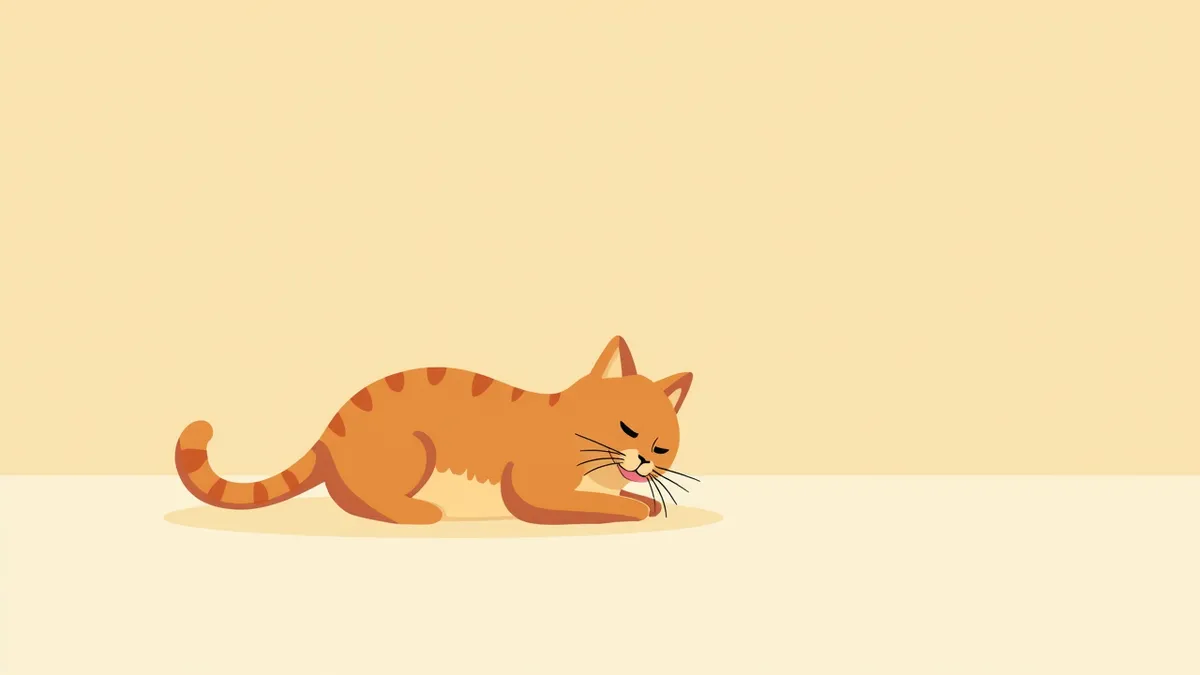
A cat repeatedly licking its belly
Excessive grooming in cats is a behavioral issue where they repeatedly lick or chew specific areas beyond normal grooming, leading to hair loss, skin damage, and scabs. The most important step is to first determine whether the cause is medical or psychological. Since licking is a normal part of a cat’s grooming routine, it’s difficult to judge whether the behavior is excessive based solely on the impression that “they seem to be licking a lot.” However, in situations involving stress or emotional conflict, the frequency and intensity of grooming can increase, becoming compulsive. If you notice recurring hair loss, redness, or scabs in specific areas, a veterinary consultation is necessary.

Medical Causes — Rule These Out Before Behavioral Correction

What appears to be a behavioral issue is often worsened by underlying medical causes.
Skin parasites: Fleas, ear mites (Otodectes), and follicle mites (Demodex gatoi) can cause itching.
Allergies: Food ingredients (food allergies) or environmental allergens causing atopic dermatitis may lead to focused licking of specific areas.
Pain: Licking may be an attempt to soothe painful areas, such as those affected by joint pain or idiopathic cystitis.
Endocrine disorders: In older cats, endocrine diseases like hyperthyroidism can cause self-induced alopecia from excessive licking, which should be confirmed through blood and endocrine testing.
Medical causes cannot be resolved through behavior modification alone.

Psychological Causes — Stress and Anxiety
When no medical cause is identified, the condition is classified as psychogenic alopecia, with stress and anxiety being the most common triggers.
Environmental changes: Cats may react sensitively to changes such as moving to a new home or the addition of new family members.
Separation anxiety: Prolonged periods alone can lead to excessive grooming as a form of self-stimulation.
Boredom: In monotonous indoor environments, grooming can become a fixed substitute behavior.
Multi-cat conflict: This condition frequently occurs in cats experiencing stress from competition for resources with other cats.
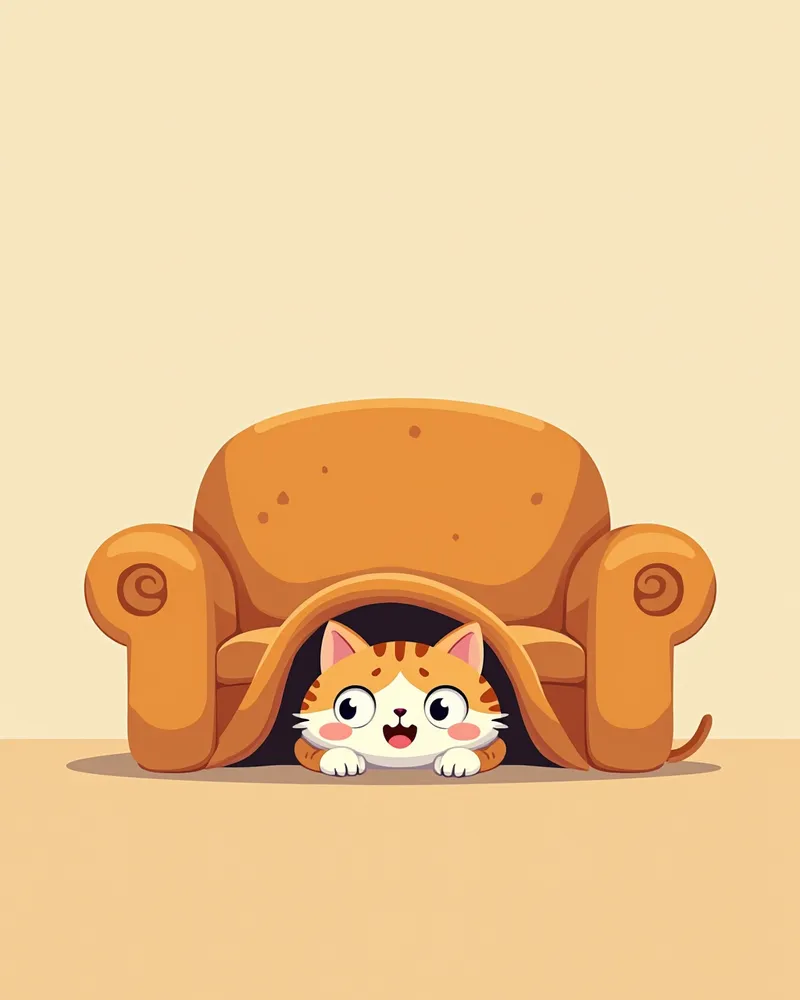
A cat hiding under the sofa, stressed out.

Normal Grooming vs. Excessive Grooming — 5 Criteria for Distinction

If three or more of the following signs are present, a veterinary visit is recommended:
Localized focus: Your pet repeatedly licks only specific areas, such as the abdomen, chest, groin, inner thighs, flanks, or forelimbs.
Hair loss: The fur in the licked areas has become thin or is missing in patches the size of a coin or larger.
Skin changes: Redness, scabs, or superficial abrasions (excoriations) have developed in the licked areas.
Compulsive repetition: Brief licking during play is a normal displacement behavior, but caution is warranted if your pet stops eating or playing to engage in prolonged, intense licking.
Unresponsive to interruption: Your pet immediately resumes licking even when distracted or held.

Visit the Vet Today If You See These Symptoms

If you notice any of the following, please visit a veterinary clinic the same day: an open wound or discharge at the site being licked; continuous licking for over 72 hours with little to no rest; a decrease in appetite, sleep, and playfulness, with excessive grooming taking over; or a palpable lump under the skin.

How Diagnosis Is Performed at the Clinic
Diagnosing excessive grooming relies on a process of elimination, where we systematically rule out medical causes one by one. 1. Microscopic hair examination: We examine plucked hairs under a microscope to check for broken tips, helping us determine if the hair loss is self-induced from licking. 2. Parasite testing: We perform skin scrapings and microscopic analysis to check for fleas, mites, and Demodex. 3. Elimination diet: We use a hydrolyzed protein diet to identify potential allergies (this must be strictly followed for a sufficient period without any other foods). 4. Blood and urine tests: We check thyroid, kidney, and liver values, as well as screen for bladder diseases. 5. Imaging: If joint pain or bladder issues are suspected, we perform X-rays or ultrasounds. Once all medical causes have been ruled out, we consider consulting a veterinary behaviorist or prescribing anti-anxiety medication.
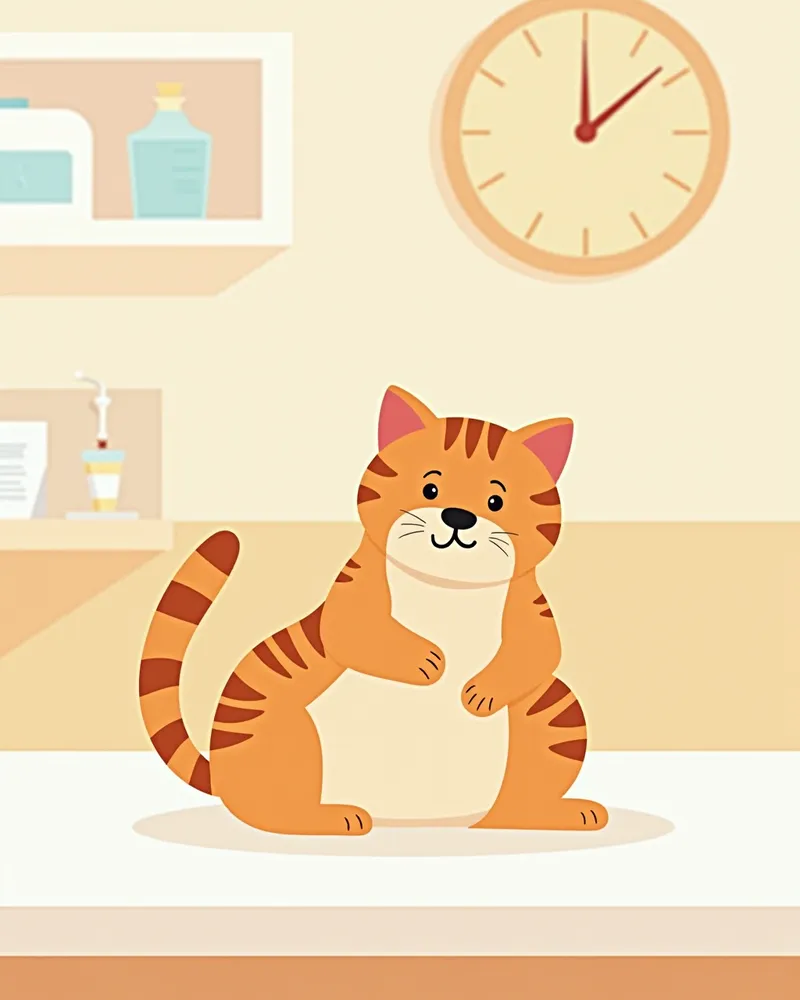
A cat undergoing an abdominal examination by a veterinarian at an animal hospital

Environmental Improvements You Can Make at Home
If the cause is psychological or stress factors are clear, start by changing the environment.
Pheromone diffusers: Install cat calming pheromone products in key areas.
Expand space: Add cat trees and hideaways to increase observation and hiding spots.
Playtime: Conduct two hunting play sessions daily, each lasting 10-15 minutes, to help disperse energy.
Minimize changes: Reduce sudden changes such as furniture arrangement and bowl placement.
Resource separation: In multi-cat households, provide one more food bowl and litter box than the number of cats.
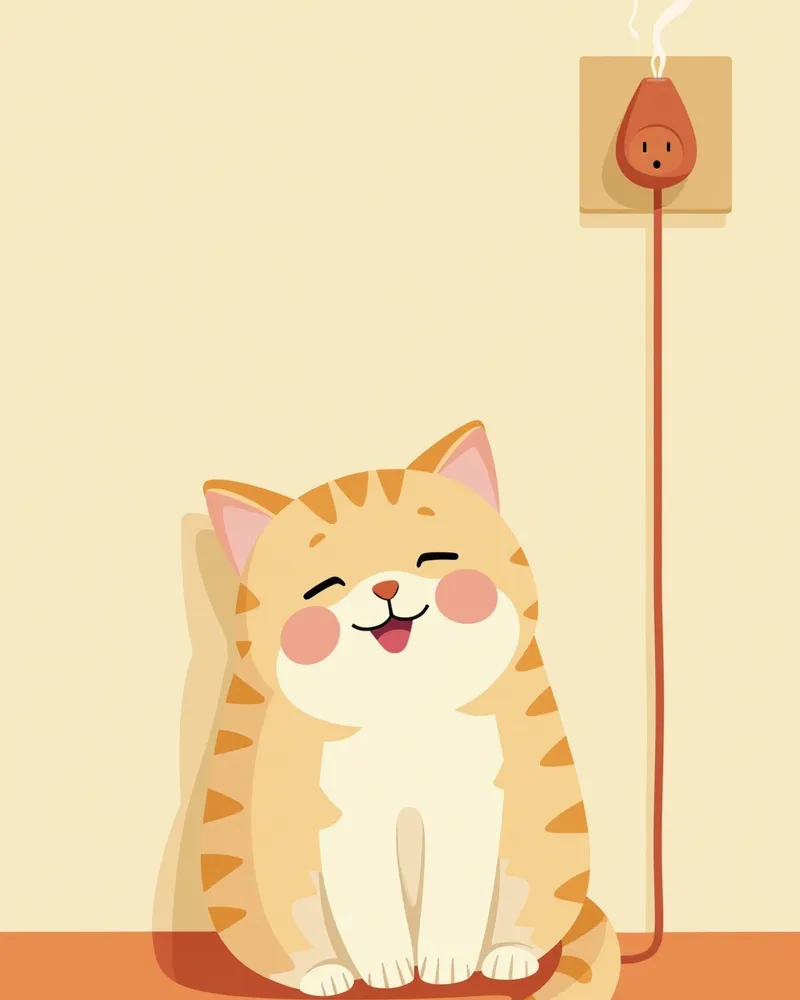
A cat resting comfortably next to a pheromone diffuser

Elizabethan Collars Are Only a Temporary Measure

Short-term use can help prevent wound deterioration, but coloring the area won’t eliminate the grooming impulse. Prolonged use without addressing the underlying cause may actually increase anxiety. Always consult your veterinarian for a proper diagnosis and follow a treatment plan tailored to the root cause.

Reviewed by a veterinarian

Dr. Tony — Punnawat Phongkittirak

Dr. Tony — Punnawat Phongkittirak

Veterinarian

A veterinarian who majored in veterinary medicine at Khon Kaen University, Thailand, and completed the IVSA program at North Carolina State University in the United States. Drawing on clinical experience at animal hospitals, he works in the pet healthcare field and is dedicated to building a digital care environment that connects pet parents with veterinarians.

Frequently Asked Questions

My cat licks its belly a lot. Is this always excessive grooming?
Licking the belly is normal grooming behavior. However, if you notice hair loss, incessant licking throughout the day, or redness and scabs on the skin, it may indicate excessive grooming. If thinning of the coat persists for more than two weeks, a veterinary visit is recommended.
Will it improve each time I dry it after grooming?
Constantly scolding your pet can actually increase their stress. Redirecting their attention through play is a good approach, but avoid grabbing them or yelling. If you only suppress the behavior without addressing the underlying cause, it may simply manifest as other stress-related behaviors.
Can psychogenic alopecia resolve on its own?
Once the source of stress is removed, natural recovery is often possible. However, if the condition has become chronic, recovery is unlikely without behavioral therapy or anti-anxiety medication. If hair loss persists for more than two weeks, it is advisable to consult a veterinarian to rule out underlying medical causes and develop a treatment plan.
I’ve been told my pet needs an anti-anxiety medication, but won’t they become dependent on it?
Veterinary-prescribed anti-anxiety medications are meant to complement environmental enrichment and behavioral therapy, not replace them. Rather than relying solely on medication, it’s important to address and reduce the underlying causes of stress. The duration and dosage should be adjusted by your veterinarian based on your cat’s response. Since untreated chronic anxiety can lead to more serious long-term issues, please consult with your vet before making any decisions.
I have multiple cats, but only one is overgrooming. Why is that happening?
In multi-cat households, conflicts over social hierarchy or competition for resources (litter boxes, food bowls, and territory) can cause more stress to certain cats. Provide one more food bowl and litter box than the number of cats, and ensure each cat has its own independent space.

Share

Related Guides

References

[1] Atkinson, T. A Professional's Guide to Feline Behaviour: Understanding, Improving and Resolving Problems. CABI, 2018.

[2] Little, S.E. (ed.) The Cat: Clinical Medicine and Management, 2nd Edition. Elsevier, 2023.

[3] Buffington, C.A.T. Pandora Syndrome in Cats: Diagnosis and Treatment. Today's Veterinary Practice, 2023.

This information is based on veterinary literature and does not replace diagnosis or treatment. Please consult a veterinarian for specific health concerns.

Metapet Co., Ltd. | CEO: Park Sung-yong | Business Reg. No. 417-88-02562 | Seoul, South Korea | Customer Center

My Cat Keeps Licking Itself — Is Overgrooming Normal? | Meongsiljang