Like
Share
멍실장
고양이 노령묘 인지기능 장애 자주 묻는 질문 Q&A — 보호자가 꼭 알아야 할 핵심

What is feline cognitive dysfunction? — Early signs of feline dementia

Brain & CognitionQ&AMeongsiljang Veterinary Advisory Board

We’ve compiled a veterinary expert-backed guide on the symptoms, diagnosis, and environmental management of cognitive dysfunction in cats aged 11 and older.

What is feline cognitive dysfunction?

An elderly cat sitting quietly in the sunlight
Feline Cognitive Dysfunction (FCD), often referred to as "feline dementia," is a neurodegenerative condition caused by brain aging that gradually impairs memory, spatial orientation, and behavioral patterns. While it primarily affects senior cats, symptoms can begin as early as age 10, with onset varying by individual. The condition becomes more prevalent with advancing age. Many owners mistakenly attribute these changes to normal aging, but early detection is crucial. Key warning signs include increased vocalization, especially at night without an apparent cause, disorientation in familiar spaces such as the litter box, and staring blankly at walls. Because other age-related diseases or organ dysfunction may co-occur, a comprehensive veterinary physical examination is essential. Early diagnosis allows for environmental modifications and nutritional management that can help slow disease progression.

What symptoms appear? Checklist

If your pet shows two or more of the following symptoms, please consult a veterinarian.
Disorientation: Wandering in familiar spaces or staring blankly at walls.
Vocalization at night: Crying out loudly or pacing around the house at night without apparent reason.
Changes in sleep patterns: Sleeping only during the day and becoming more active at night.
Accidents in the house: Forgetting the location of the litter box or eliminating in inappropriate places.
Decreased grooming: Neglecting coat care, leading to matted or dirty fur.
Changes in social behavior: Suddenly avoiding people or, conversely, becoming excessively clingy.

How does cognitive dysfunction progress?

Cognitive dysfunction tends to develop gradually, with symptoms becoming more pronounced over time rather than appearing all at once. While there are no strictly defined clinical stages, we can broadly categorize the condition by symptom severity to help owners understand what to expect. Mild (Early stage): The pet may occasionally show signs of disorientation or vocalize once or twice at night. These changes are often subtle and easy for owners to overlook. Moderate (Middle stage): Symptoms become more noticeable, including accidents in the house, disrupted sleep-wake cycles, and changes in interactions with owners or other household pets. This is typically when owners seek veterinary care. Severe (Advanced stage): The pet may struggle to recognize familiar family members or their environment, experiencing significant disorientation and anxiety. At this stage, the primary goal shifts to maintaining the pet’s quality of life.

How is it diagnosed at the veterinary clinic?
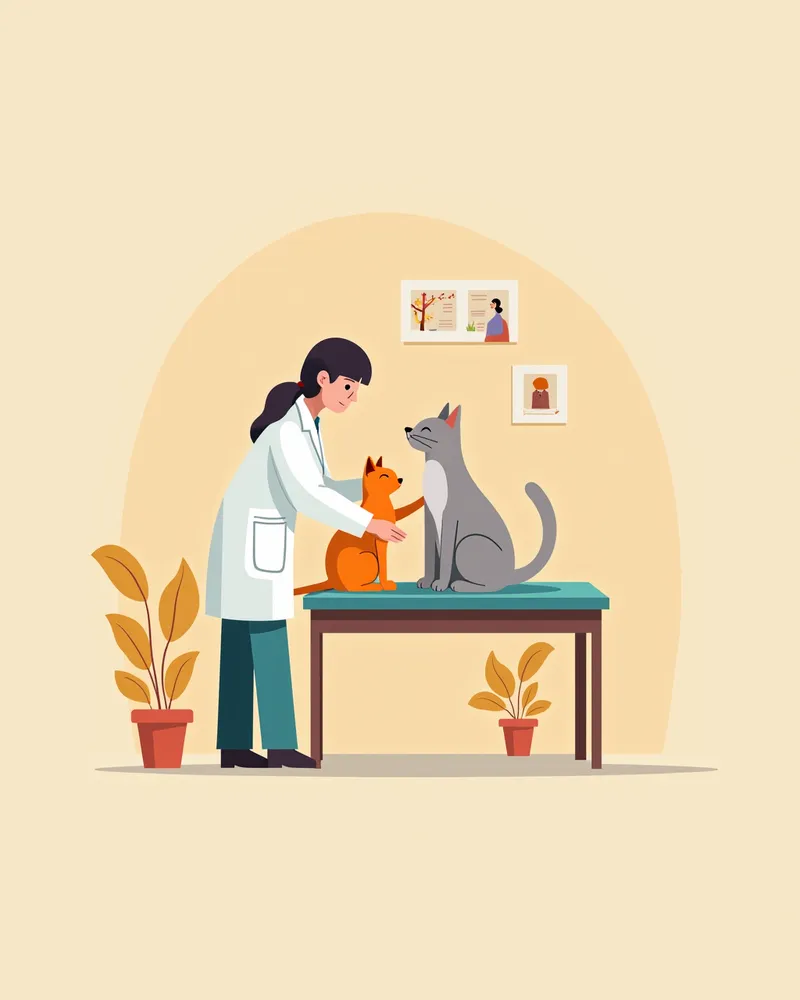
Diagnosing cognitive dysfunction is challenging because it cannot be confirmed with a single test; instead, it is diagnosed by ruling out other potential causes.
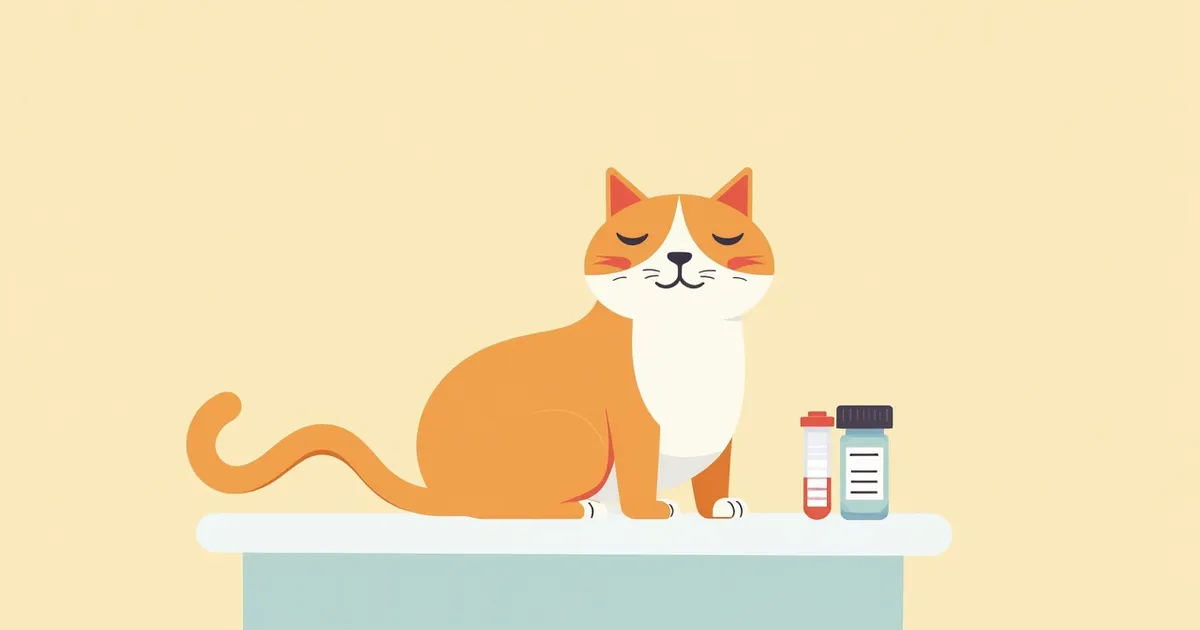
Blood and urine tests: These are used to first check for internal medical conditions such as kidney disease, thyroid disorders, or diabetes. For instance, hyperthyroidism can produce symptoms similar to those of cognitive dysfunction.
Neurological examination: This assesses spatial orientation, reflexes, and cranial nerve function.
MRI or CT scans: These may be necessary to rule out structural abnormalities like brain tumors or encephalitis.
Behavioral questionnaire: Records of observations from pet owners provide crucial clues for diagnosis.
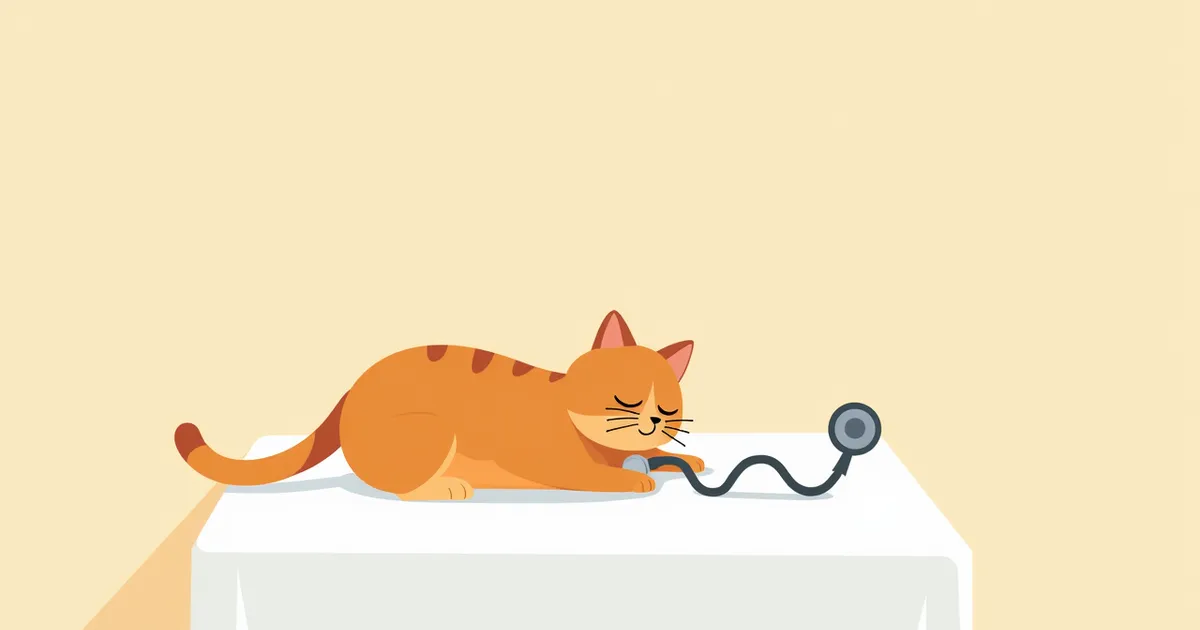
A veterinarian examining an elderly cat.

Go to the vet immediately for these symptoms

Sudden seizures, head tilting to one side (torticollis), and rapid eye movements (nystagmus) may be emergency signs rather than symptoms of cognitive dysfunction. Because these conditions need to be distinguished from brain tumors, vestibular system disorders, and hypertensive encephalopathy, please visit a veterinary clinic within 24 hours.

Environmental management you can do at home
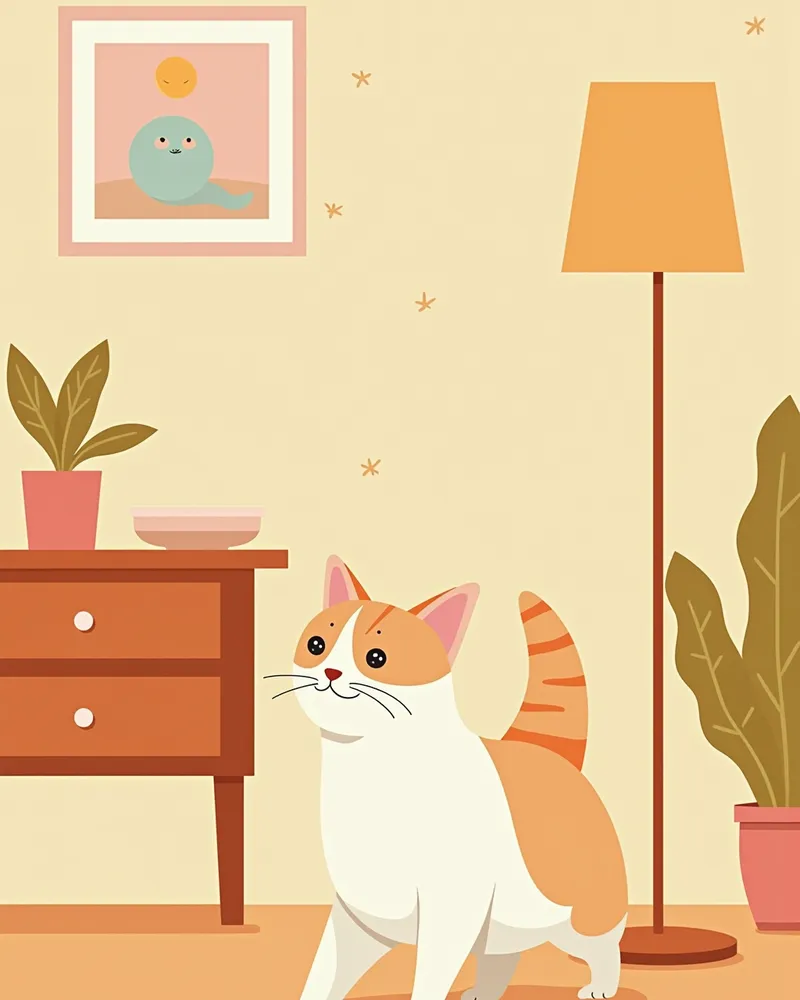
Creating a supportive environment is just as important as medication. Here are some key points to keep in mind:
Maintain Furniture Arrangement: Changing the layout can cause confusion, so it’s best to avoid moving furniture suddenly.
Install Night Lighting: Since spatial awareness tends to decline at night, keeping a dim light on can be helpful.
Add Extra Litter Boxes: Placing multiple litter boxes throughout your pet’s living space can reduce accidents.
Establish a Consistent Routine: Keeping feeding and playtimes consistent helps stimulate your pet’s brain.
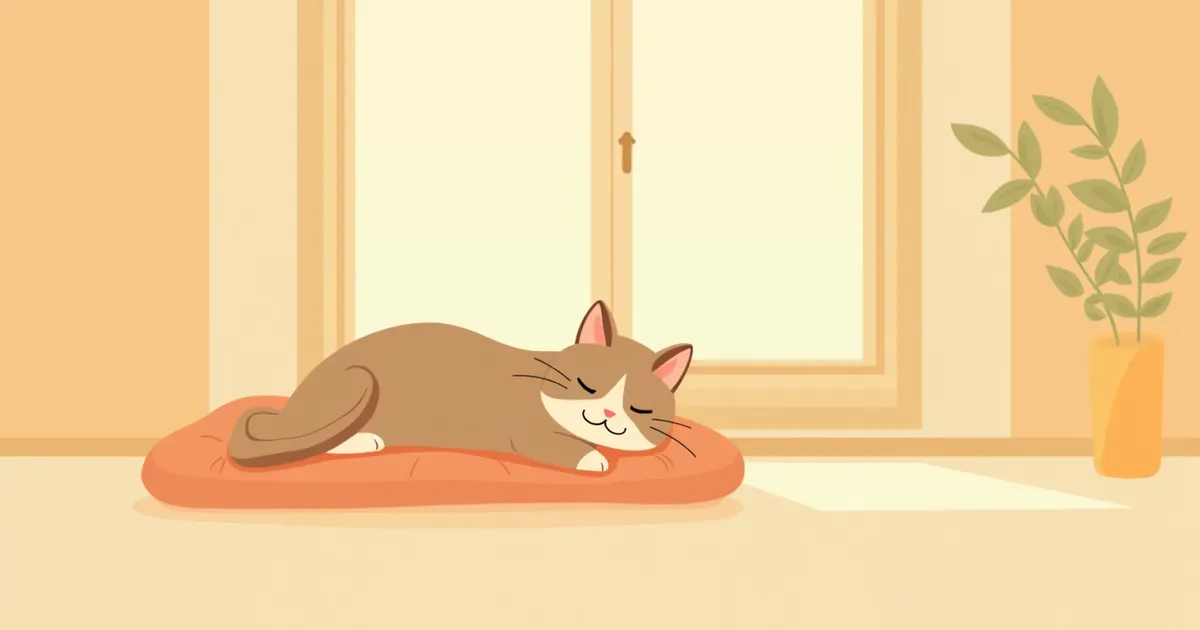
A safe home environment tailored for senior cats

Medication and nutritional supplements

There is currently no official treatment that can completely reverse or cure cognitive dysfunction in cats. However, there are supportive options that may help alleviate symptoms and slow disease progression.
Prescription antioxidant diets for senior cats: Prescription diets rich in antioxidants like vitamin E and essential fatty acids like omega-3s may help reduce oxidative damage to the brain.
Brain function supplements (nutraceuticals): Supplements combining antioxidants, essential fatty acids, phosphatidylserine, and ginkgo biloba extract (such as commercially available brain-support products) are known to help maintain nerve signal transmission.
The effectiveness and safety of any supplement can vary from cat to cat, so always consult your veterinarian before starting.
A caregiver administering nutritional supplements to a senior cat

Don't just dismiss it as old age

One of the most common mistakes pet owners make is dismissing changes as simply “old age.” However, early detection of cognitive dysfunction allows environmental management and nutritional support to help slow its progression. For senior cats (typically 10–11 years and older), please have their neurological and behavioral status evaluated at every routine wellness exam, and consult your veterinarian promptly if you notice any unusual behaviors.

Reviewed by a veterinarian

Dr. Tony — Punnawat Phongkittirak

Dr. Tony — Punnawat Phongkittirak

Veterinarian

A veterinarian who majored in veterinary medicine at Khon Kaen University, Thailand, and completed the IVSA program at North Carolina State University in the United States. Drawing on clinical experience at animal hospitals, he works in the pet healthcare field and is dedicated to building a digital care environment that connects pet parents with veterinarians.

Frequently Asked Questions

Is my cat’s loud nighttime crying a sign of cognitive dysfunction?
Nighttime vocalization is one of the hallmark symptoms. However, pain, hyperthyroidism, and declines in hearing or vision can also trigger similar behavior. If other signs such as disorientation or accidents outside the litter box are present, consult your veterinarian for a differential diagnosis.
At what age does cognitive dysfunction typically begin?
The age of onset varies from cat to cat. Although it most commonly affects senior cats, symptoms can begin as early as around 10 years of age, and the condition tends to become more prevalent with advancing age. Therefore, it’s a good idea to have your cat’s behavior assessed alongside routine health checks starting around the age of 10.
Can cognitive dysfunction be cured?
A complete cure is unlikely, as there is currently no treatment that can reverse brain aging. However, we can slow the progression and maintain your pet’s quality of life through environmental management, proper nutrition, and veterinarian-prescribed supplements.
Will it affect living with other cats?
When a cat's cognitive abilities decline, even familiar feline companions may seem unfamiliar, leading to increased aggression or hiding behaviors. In multi-cat households, provide separate resting areas so each cat can relax comfortably.
Is it safe to leave a cat with cognitive dysfunction alone?
Whenever possible, try to minimize the time your pet spends alone. Being left alone can worsen anxiety- or stress-related behaviors, and since their sense of direction may be impaired, it’s important to take precautions to prevent injury. If you must leave the house, ensure they have a safe space to stay in, and make sure to spend plenty of quality time interacting with them when you return.

Share

Related Guides

References

[1] Gunn-Moore D, Moffat K, Christie LA, Head E. Cognitive dysfunction and the neurobiology of ageing in cats. J Small Anim Pract. 2007;48(10):546–553.

[2] Landsberg GM, Denenberg S, Araujo JA. Cognitive dysfunction in cats: a syndrome we used to dismiss as 'old age'. J Feline Med Surg. 2010;12(11):837–848.

[3] Little S (Ed). The Cat: Clinical Medicine and Management, 2nd Edition. Elsevier, 2022.

[4] Cotman CW, Head E, Muggenburg BA, Zicker S, Milgram NW. Brain aging in the canine: a diet enriched in antioxidants reduces cognitive dysfunction. Neurobiol Aging. 2002;23(5):809–818.

This information is based on veterinary literature and does not replace diagnosis or treatment. Please consult a veterinarian for specific health concerns.

Metapet Co., Ltd. | CEO: Park Sung-yong | Business Reg. No. 417-88-02562 | Seoul, South Korea | Customer Center

What Is Feline Cognitive Dysfunction? Early Signs of Cat Dementia | Meongsiljang