Like
Share
멍실장
고양이 부적절한배뇨행동 원인과 행동 교정·치료 방법 완벽 가이드

My Cat Is Urinating Outside the Litter Box — Is It a Simple Mistake or a Sign of Disease?

Brain & CognitionQ&AMeongsiljang Veterinary Advisory Board

When cats urinate outside the litter box, this inappropriate elimination behavior is often caused by a combination of medical and behavioral factors. We’ve outlined a step-by-step approach, from diagnosing the underlying cause to implementing environmental and behavioral modifications.

What Is Inappropriate Elimination in Cats?
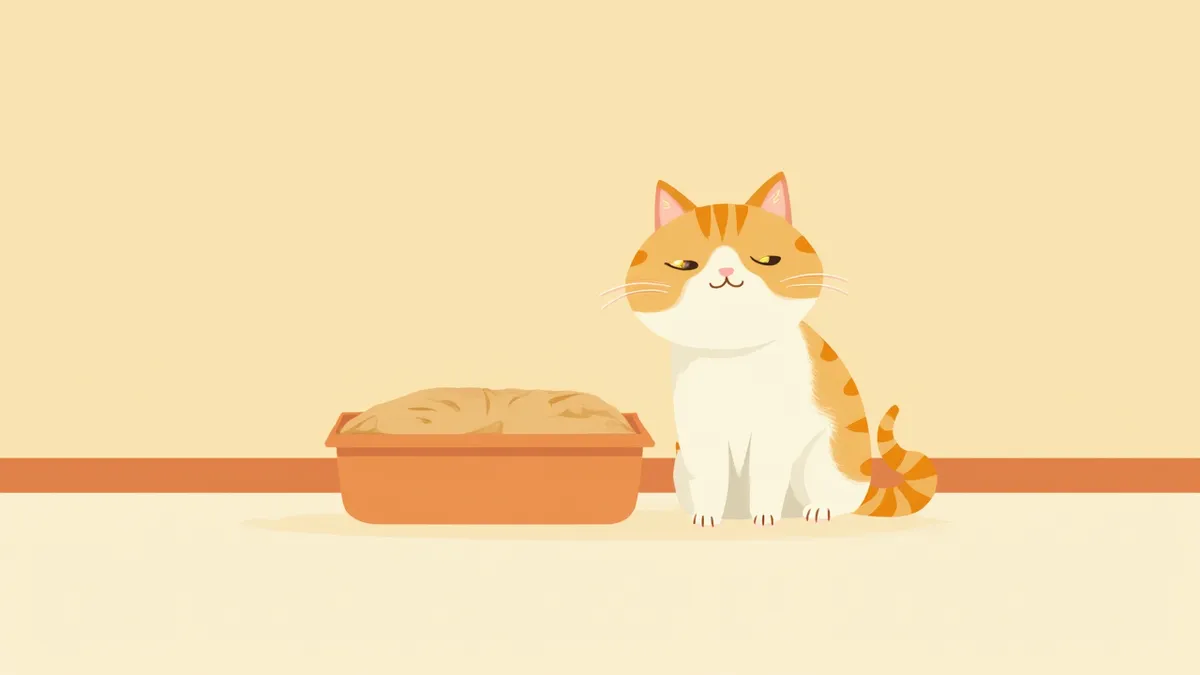
A cat hesitating near the litter box
Inappropriate elimination in cats refers to urinating or defecating outside the designated litter box. This behavior often stems from a combination of medical and behavioral factors, making it essential to first rule out any underlying physical health issues through a veterinary examination. Most importantly, scolding or punishing your cat can increase their anxiety and worsen the problem. Identifying the root cause must come first; behavior modification should follow.

Medical Causes — Check These First

Inappropriate urination often stems from underlying medical issues, so it’s essential to rule out any physical health problems before attempting behavioral correction. The most common causes include:
Feline Idiopathic Cystitis (FIC): The leading cause of lower urinary tract disease in cats, FIC is a sterile (non-bacterial) hemorrhagic cystitis where stress acts as a key risk factor. Affected cats may urinate frequently in small amounts, and blood may be visible in the urine.
Urinary Tract Infection (UTI): Bacterial infection causes bladder inflammation, leading to pain during urination and avoidance of the litter box.
Urinary Stones: Stones such as struvite or calcium oxalate can form in the bladder or urethra, causing urinary obstruction or difficulty.
Urethral Obstruction: A medical emergency most common in male cats, where blockages typically occur in the distal urethra.
Kidney Disease and Diabetes: These conditions increase urine production (polyuria) and water intake, which can lead to more frequent accidents outside the litter box.
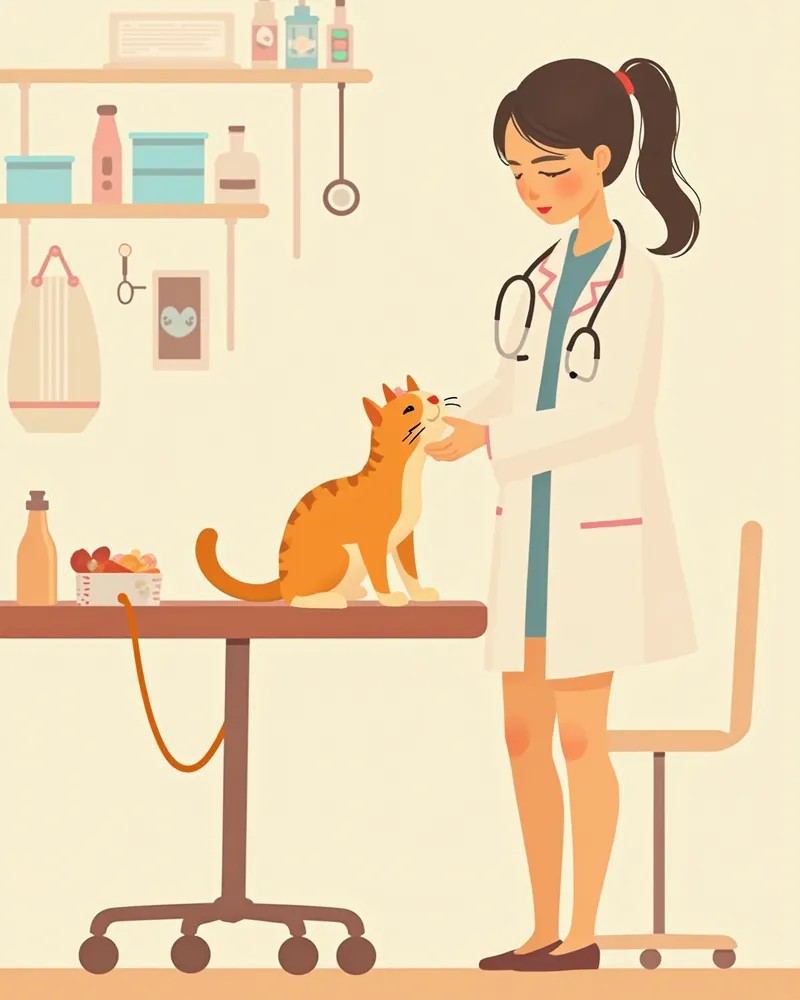
A cat undergoing a check-up at the veterinary clinic

Medical vs. Behavioral Causes — How to Tell the Difference

ItemMedical causeBehavioral cause
Number of urination attemptsVery frequent, small amountsNormal frequency, only in specific places
Blood in urine / cloudy urineMay be presentRarely present
Vocalizing during urinationFrequently presentRare
Onset patternSudden onsetGradual progression
Litter box useAttempts the litter box but failsCompletely avoids the litter box
First responseGo to the animal hospital immediatelyEnvironmental correction + hospital visit together

Medical and behavioral causes can occur simultaneously, so a veterinary examination is essential

Behavioral Causes — Litter Box Environment and Stress
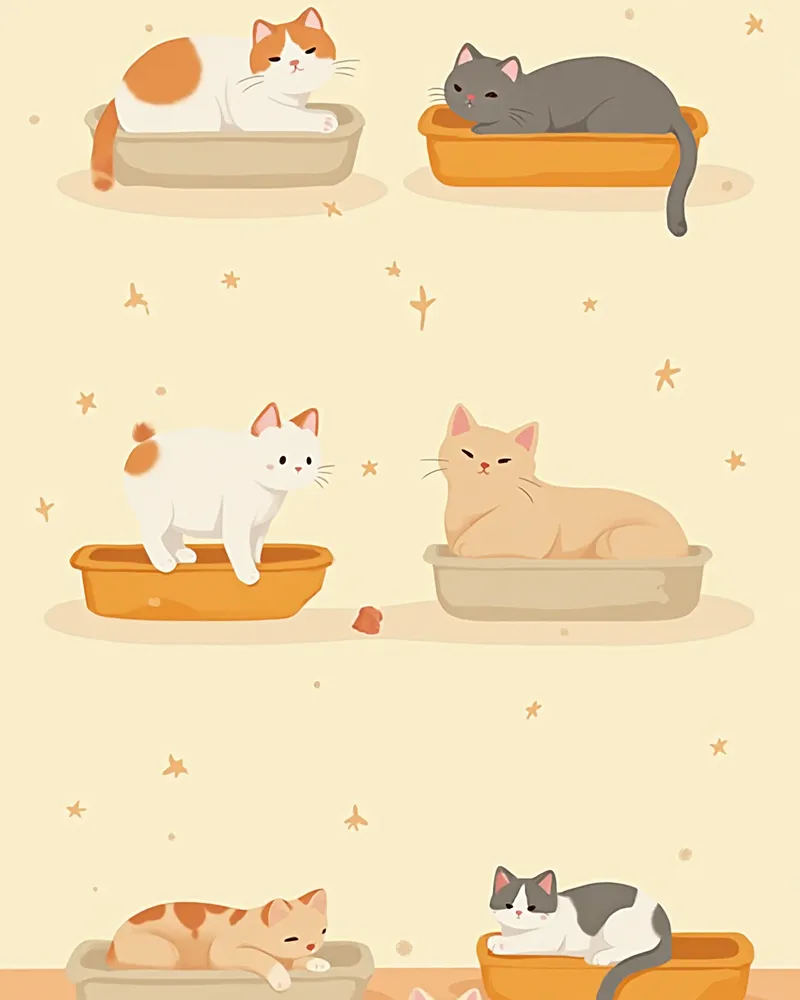
If there are no underlying medical issues, it’s important to look into behavioral and environmental factors. The most common causes are listed below:
Inconvenient litter box location: The litter box is placed in a noisy area or a spot that’s hard for your cat to access.
Litter aversion: Your cat may dislike litter with a strong scent or an unpleasant texture.
Dirty litter box: Cats often refuse to use a litter box that isn’t cleaned regularly.
Territorial marking: Unneutered cats or those in multi-cat households may mark their territory with urine.
Stress or anxiety: Changes such as introducing a new pet, moving to a new home, or shifts in daily routine can trigger this behavior.
A cat exploring multiple litter boxes placed throughout the house

Signs That Require an Immediate Vet Visit

If you notice any of the following symptoms, take your cat to the vet immediately. In male cats, urethral obstruction is a life-threatening emergency that can rapidly lead to acute kidney injury and hyperkalemia. • Inability to urinate or only passing a few drops • Straining and crying while sitting in the litter box for extended periods • Bright red blood in the urine • Pain response when the abdomen is touched • Vomiting and loss of appetite

How Is It Diagnosed at the Vet?
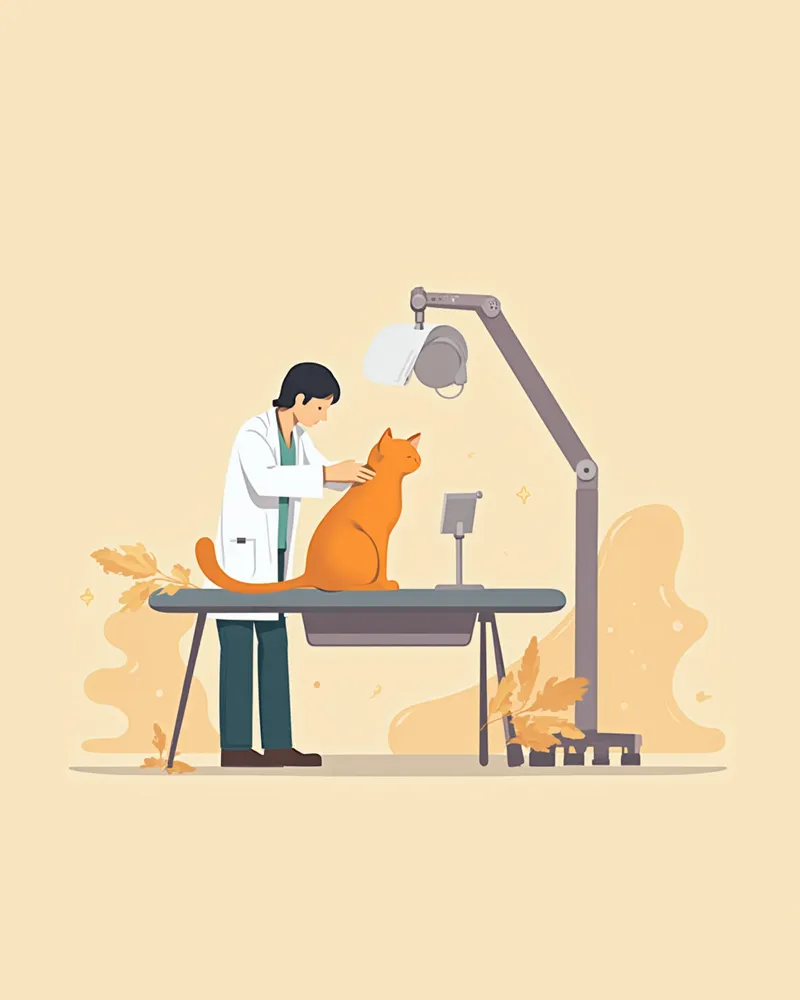
When inappropriate urination begins, a veterinary checkup should always come before behavior modification. Veterinarians typically investigate the cause in this order: 1. Urinalysis: To check for urinary tract infections, crystals, or blood in the urine. 2. Blood tests: To evaluate overall health, including kidney and liver function, as well as blood sugar levels. 3. Ultrasound and X-rays: To detect stones, assess bladder wall thickness, and identify any kidney abnormalities. 4. Behavioral history: To review the number and location of litter boxes, cleanliness, and any recent changes in the pet’s environment or routine. Based on these results, your veterinarian will determine whether to combine medical treatment with behavior modification.
A cat undergoing an ultrasound examination

Environmental Modification — Start by Changing the Litter Box Setup

If the issue stems from behavioral factors, start by evaluating the litter box environment. According to veterinary behavior textbooks, the recommended number of litter boxes is one more than the number of cats.
Number and location: Place them in quiet, easily accessible areas, distributed across multiple floors.
Cleanliness: Scoop waste with a litter scoop at least once or twice daily, and completely replace the litter once a week.
Size: A spacious litter box measuring at least 1.5 times the cat’s body length is ideal.
Litter type: Unscented, fine-grained litter tends to be less off-putting to cats.
Cover: If your cat avoids covered litter boxes, try switching to an open-style one.

Behavioral Modification — Reduce Stress and Relearn Litter Box Use
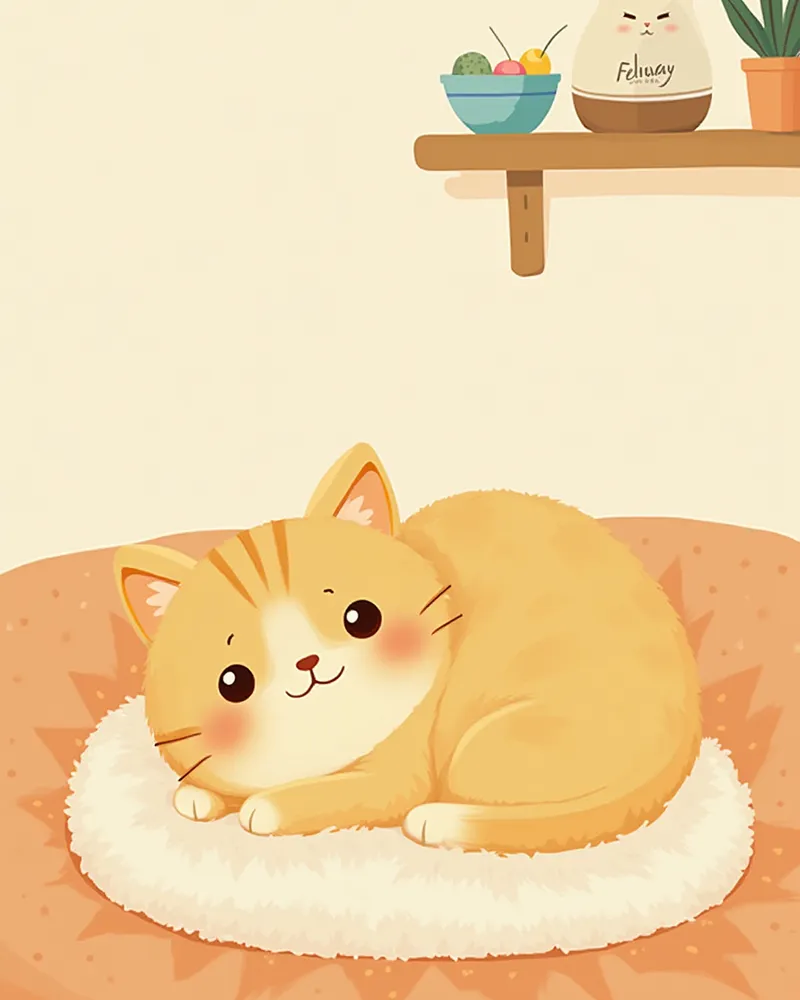
If there’s no improvement after environmental adjustments, move on to behavioral modification.
Use pheromone products: Placing synthetic feline calming pheromone diffusers in the room can help reduce stress.
Block inappropriate areas: Cats tend to avoid places where double-sided tape, aluminum foil, or food bowls are placed—use these to deter urination in unwanted spots.
Reintroduce the litter box: Bring your cat to the litter box 15–20 minutes after meals to naturally encourage urination.
Never punish: Rubbing your cat’s nose in urine or using physical punishment will only increase anxiety and make the problem worse.
A cat resting comfortably in a calm, secure environment.

Medication May Be Necessary in Some Cases

When environmental and behavioral modifications alone aren’t enough, veterinarian-prescribed medications can help. If separation anxiety or severe stress is the underlying cause, short-term prescriptions of anti-anxiety or mood-stabilizing drugs may be recommended. These medications must only be used under veterinary guidance, and human medications should never be given to pets without professional advice. Medication works best when combined with behavioral training.

Reviewed by a veterinarian

Dr. Tony — Punnawat Phongkittirak

Dr. Tony — Punnawat Phongkittirak

Veterinarian

A veterinarian who majored in veterinary medicine at Khon Kaen University, Thailand, and completed the IVSA program at North Carolina State University in the United States. Drawing on clinical experience at animal hospitals, he works in the pet healthcare field and is dedicated to building a digital care environment that connects pet parents with veterinarians.

Frequently Asked Questions

My cat suddenly started urinating on the bed. Why is this happening?
Medical conditions such as cystitis or urinary stones, as well as extreme stress, are the most common causes. Urinating on the bed or your clothes can also be a behavior driven by the search for the reassuring scent of a safe place. A veterinary checkup followed by an analysis of potential stressors is necessary.
My cat still sprays after being neutered. Is this normal?
After neutering, marking behaviors like spraying often decrease, but they can persist if your cat is stressed or experiencing conflict with other cats. If the spraying is driven by anxiety rather than territorial marking, we recommend environmental modifications along with a consultation with a veterinary behavior specialist.
How should I clean up areas where my pet has had an accident?
Cat urine contains compounds that can encourage repeated urination in the same spot. To completely eliminate odor traces, clean with an enzyme-based specialty cleaner rather than regular detergents. Avoid chlorine bleach and ammonia-based cleaners, as their scent resembles urine and may actually trigger further urination.
Is behavior modification possible for senior cats?
Correction is possible regardless of age. However, senior cats (10 years or older) may have difficulty accessing the litter box due to cognitive decline or arthritis. Simply lowering the litter box entrance or placing an additional box nearby often leads to significant improvement.
Even though the vet said there’s nothing wrong, my pet keeps urinating outside.
If there are no abnormalities found during the physical examination, the cause is likely behavioral. Try gradually adjusting the number and location of litter boxes, as well as the type of litter used. If there is still no improvement, consulting with a veterinary behaviorist or an animal behavior specialist is the most effective approach.

Share

Related Guides

References

[1] Little SE (Ed.). The Cat: Clinical Medicine and Management, 2nd Edition. Elsevier Saunders. 2024. Chapter: Feline Lower Urinary Tract Disease.

[2] Amat M, Camps T, Manteca X. Stress in owned cats: Behavioural changes and welfare implications. Journal of Feline Medicine and Surgery. 2016;18(8):577–586.

[3] Bowen J, Heath S. Behaviour Problems in Small Animals: Practical Advice for the Veterinary Team. Elsevier Saunders. 2005.

[4] Buffington CA, Blaisdell JL, Binns SP, et al. Decreased urine glycosaminoglycan excretion in cats with interstitial cystitis. J Urol. 1996;155(5):1801–1804.

This information is based on veterinary literature and does not replace diagnosis or treatment. Please consult a veterinarian for specific health concerns.

Metapet Co., Ltd. | CEO: Park Sung-yong | Business Reg. No. 417-88-02562 | Seoul, South Korea | Customer Center

Cat Peeing Outside the Litter Box: Simple Mistake or Illness? | Meongsiljang