Like
Share
멍실장
고양이 노령성인지기능장애 원인과 행동 교정·치료 방법 완벽 가이드

Why Does Feline Cognitive Dysfunction Occur? — Causes, Behavioral Modification, and Treatment

Brain & CognitionQ&AMeongsiljang Veterinary Advisory Board

We’ve compiled a veterinary-backed guide on the causes, symptoms, treatment, and behavioral modification strategies for cognitive dysfunction syndrome (CDS) in cats aged 11 and older.

What Is Feline Cognitive Dysfunction Syndrome?
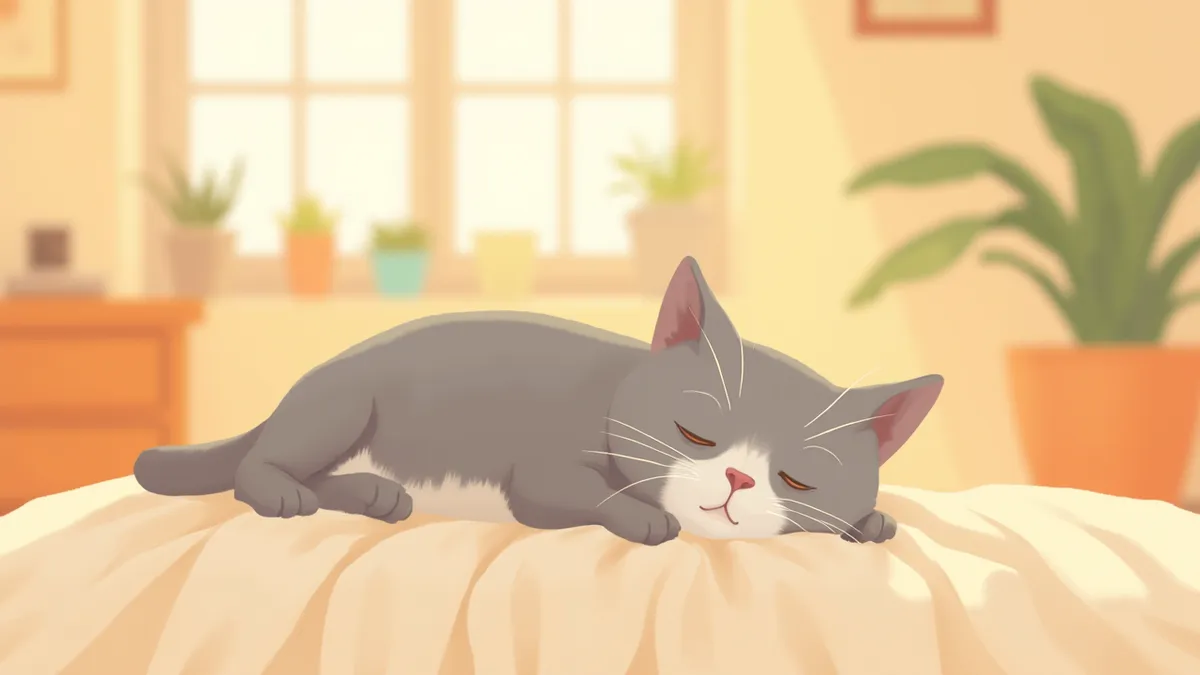
An elderly cat lying peacefully on a blanket
Feline Cognitive Dysfunction Syndrome (CDS) is a degenerative neurological disorder caused by brain aging, leading to declines in memory, learning ability, and spatial orientation. Often referred to as "feline dementia," it primarily affects senior cats, though symptoms can begin as early as around 10 years of age. While studies have reported the presence of beta-amyloid and tau protein deposits in the brains of cats aged 16 and older—similar to those seen in human Alzheimer’s disease—the exact mechanisms remain unclear and are not yet confirmed to be identical to those in humans. Impaired spatial awareness and memory can make it difficult for cats to navigate familiar environments or locate objects, potentially leading to anxiety. Since other age-related conditions may coexist, it’s important to carefully monitor any behavioral changes in your cat and consult with a veterinarian for proper evaluation.

Causes of Cognitive Dysfunction Syndrome

As cats age, proteins such as beta-amyloid accumulate in the brain, which can be accompanied by changes in blood vessels and microvasculature, as well as microhemorrhages. These changes are reported to contribute to cognitive decline, alongside neuronal damage caused by oxidative stress. However, because research on cognitive aging in cats is still limited, the extent to which specific mechanisms are involved has not been consistently established. It has also been suggested that neurotransmitters involved in mood and cognition, such as dopamine, may be affected. Rather than specific breeds, aging itself is considered the primary risk factor.

Check for These Symptoms

If two or more of the following symptoms persist for more than two weeks, please consult a veterinarian.
Disorientation: Getting lost in familiar surroundings or bumping into furniture.
Changes in sleep patterns: Sleeping excessively during the day and crying out loudly at night for no apparent reason.
Accidents: Failing to find the designated litter box or toilet area and eliminating elsewhere.
Decreased sociability: Avoiding owners or other animals, or showing no response to them.
Staring spells: Gazing blankly at one spot for a long time or responding slowly when called by name.
Reduced grooming: Neglecting to groom, resulting in matted or dirty fur.
A close-up photo of an elderly cat’s gentle, slightly weary-looking eyes.

These Symptoms Require Immediate Veterinary Attention

If any of the following symptoms appear, a visit to the veterinary clinic within 24 hours is necessary. These signs may indicate underlying conditions such as brain tumors, hyperthyroidism, or hypertension, rather than simple aging. - Sudden seizures or collapse - Severe disorientation lasting more than 24 hours - Complete loss of appetite or rapid weight loss - Sudden aggressive behavioral changes

How Is It Diagnosed at the Clinic?

First, we rule out other underlying conditions through blood tests, urinalysis, and blood pressure measurements. This is because diagnosing cognitive dysfunction fundamentally involves excluding other medical diseases. Hyperthyroidism, kidney disease, and hypertension can present with symptoms that overlap with cognitive dysfunction, making differential diagnosis essential. After that, we use standardized screening and assessment questionnaires to score the frequency and severity of symptoms, helping us gauge the degree of impairment. Since older cats are at higher risk for anesthesia complications, whether to perform an MRI of the brain should be decided after thorough discussion with your veterinarian.

Treatment — Medications and Nutritional Supplements
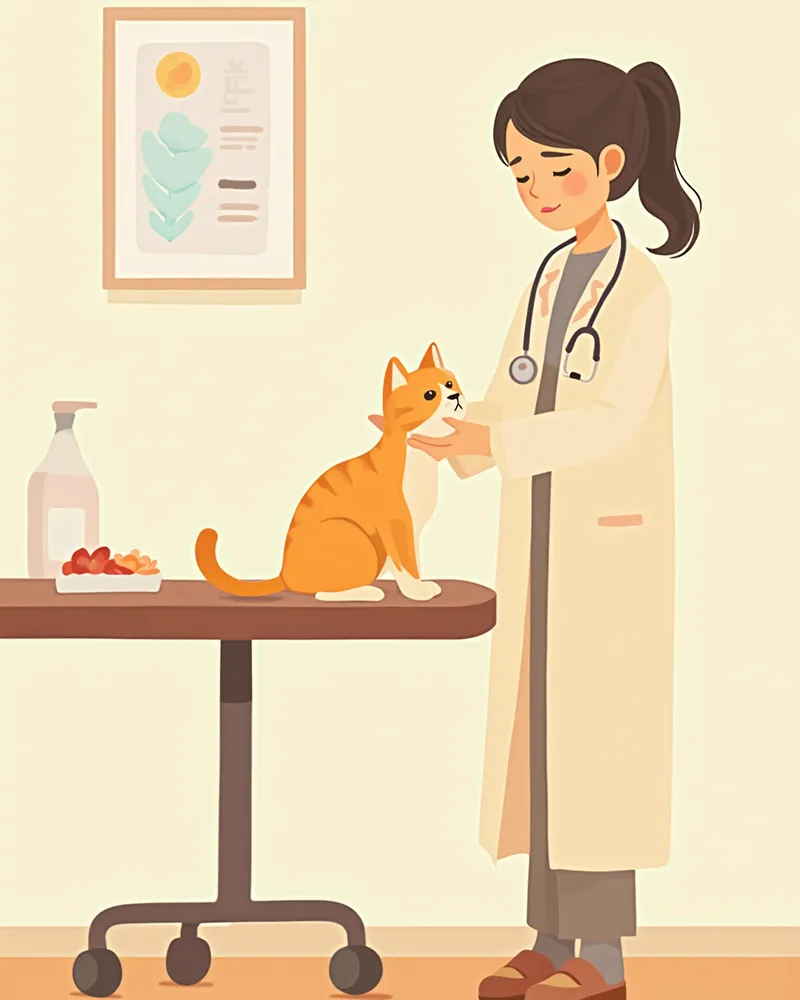
There is currently no cure that can completely reverse cognitive dysfunction. However, there are supportive management strategies that can slow symptom progression and improve quality of life.
Prescription medications: Drugs that support brain function may be used, but the type and necessity of use must always be determined through a veterinarian’s diagnosis and prescription.
Omega-3 fatty acids (EPA and DHA): These essential fatty acids may help protect nerve cells by reducing oxidative damage.
Antioxidant supplements: Antioxidant ingredients may help reduce oxidative stress in the brain.
Neuroprotective supplements and senior prescription diets: It is best to consult with your veterinarian to select products or prescription diets formulated with antioxidant and nutritional ingredients that support brain function.
A veterinarian gently examining an elderly cat.

Behavioral Modification and Environmental Management at Home
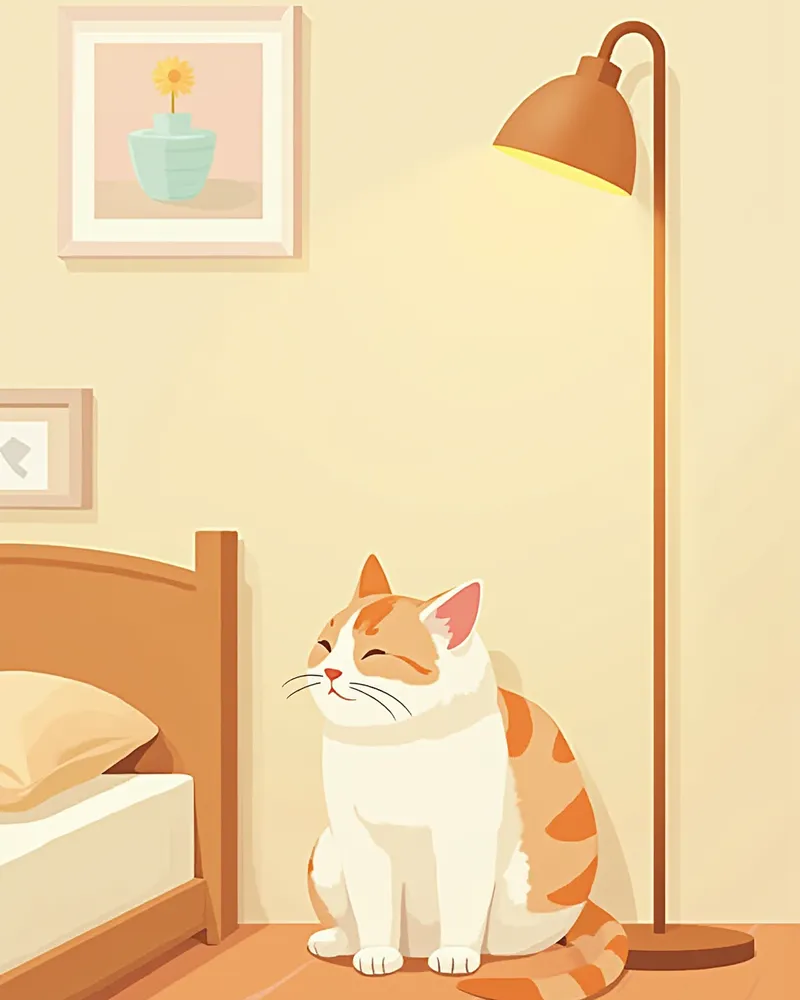
Even small changes to your home environment can significantly reduce your cat’s confusion. Place multiple litter boxes in easily accessible locations, and consider switching to low-entry boxes. Leaving a small nightlight on during the night can help ease anxiety caused by disorientation. Avoid sudden changes to furniture arrangements, and preserve familiar scents and spaces. Regular cognitive stimulation through short play and scent exploration sessions of 5–10 minutes per day is also effective.
A cozy corner in the home with a comfortable bed and a nightlight for senior cats

Remember — Ruling Out Other Conditions Comes First

In senior cats, cognitive dysfunction often overlaps with other conditions. Hyperthyroidism, chronic kidney disease, hypertension, and brain tumors can all cause similar behavioral changes. Hypertensive encephalopathy, in particular, can lead to altered mental status and even vision problems. Don’t dismiss these signs as just “old age.” It’s essential to rule out other diseases first with basic tests like blood work and blood pressure measurements.

Reviewed by a veterinarian

Dr. Tony — Punnawat Phongkittirak

Dr. Tony — Punnawat Phongkittirak

Veterinarian

A veterinarian who majored in veterinary medicine at Khon Kaen University, Thailand, and completed the IVSA program at North Carolina State University in the United States. Drawing on clinical experience at animal hospitals, he works in the pet healthcare field and is dedicated to building a digital care environment that connects pet parents with veterinarians.

Frequently Asked Questions

At what age should I start worrying about feline cognitive dysfunction?
This condition primarily affects older cats, with symptoms sometimes beginning as early as around 10 years of age. There are also reports of protein changes similar to those seen in human Alzheimer’s disease in cats aged 16 and older. If your cat is 10 years or older, ask your veterinarian to include a cognitive function assessment during their annual health checkup.
Could my dog’s loud, unexplained nighttime vocalizations be a sign of cognitive dysfunction?
Nighttime vocalization is one of the hallmark signs of cognitive dysfunction. However, pain, hyperthyroidism, and hypertension can also cause similar symptoms. Don’t simply dismiss it as “just part of aging”; visit your veterinarian to identify the underlying cause first.
Do cats with cognitive dysfunction require a special diet?
A senior prescription diet fortified with antioxidants (omega-3, vitamins E and C) may be helpful. Since abrupt changes in food can cause digestive issues, it's best to transition gradually over 1–2 weeks and consult your veterinarian.
Does cognitive dysfunction shorten a cat's lifespan?
The exact impact of cognitive dysfunction on lifespan remains unclear. However, worsening symptoms such as decreased appetite, sleep disturbances, and accidents outside the litter box can negatively affect overall health and quality of life. Early detection, combined with environmental management and supportive care, can help slow the progression of symptoms.
Can feline cognitive dysfunction be prevented?
While complete prevention is difficult, you can delay its onset. Regular play and mental stimulation, a balanced diet, and health check-ups once or twice a year are helpful. It’s especially important to regularly monitor for changes in cognitive function starting at age 10.

Share

Related Guides

References

[1] Gunn-Moore D, Moffat K, Christie LA, Head E. Cognitive dysfunction and the neurobiology of ageing in cats. J Small Anim Prac. 2007;48(10):546–553.

[2] Little S (ed). The Cat: Clinical Medicine and Management, 2nd Edition. Elsevier Saunders; 2023.

[3] Landsberg G, Hunthausen W, Ackerman L. Behavior Problems of the Dog and Cat, 3rd Edition. Saunders Elsevier; 2013.

This information is based on veterinary literature and does not replace diagnosis or treatment. Please consult a veterinarian for specific health concerns.

Metapet Co., Ltd. | CEO: Park Sung-yong | Business Reg. No. 417-88-02562 | Seoul, South Korea | Customer Center

Why Feline Cognitive Dysfunction Happens: Causes & Care | Meongsiljang