

Dog Echinococcus FAQ — Key Information Every Owner Must Know
Echinococcus in dogs is a parasite that can also be dangerous to humans. It’s important to know the infection routes, symptoms, and prevention methods accurately.
What is Echinococcus in Dogs?
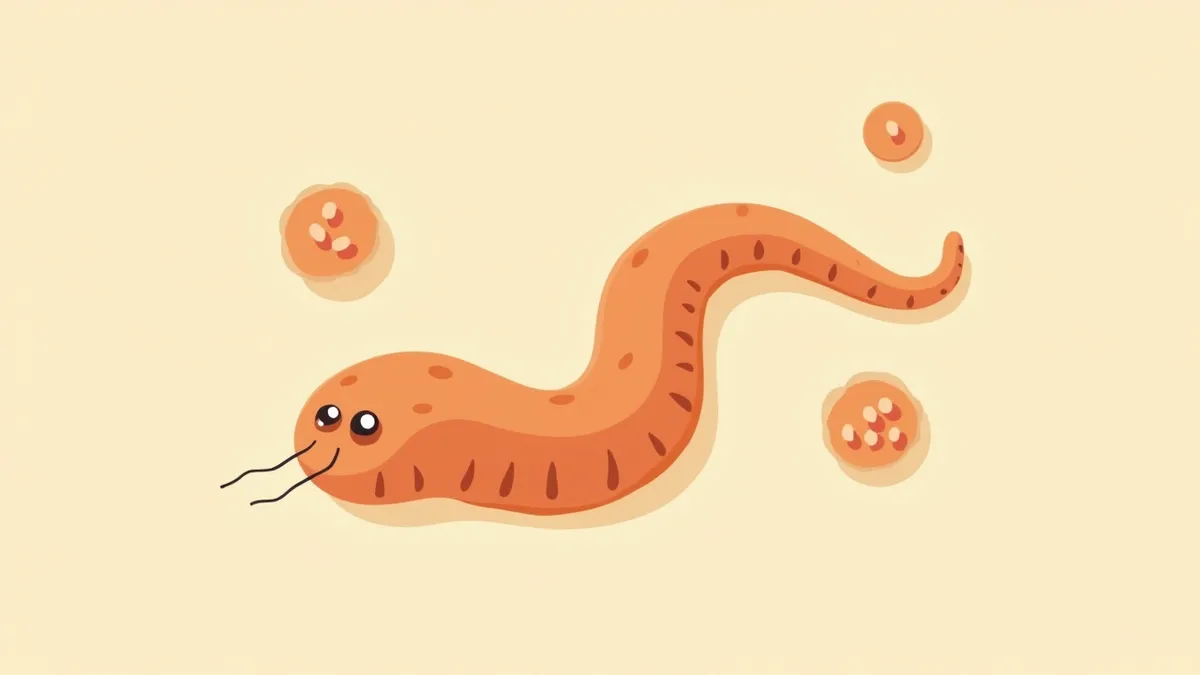
How Is It Transmitted?
What Are the Main Symptoms?
Signs Requiring Immediate Veterinary Visit
If your dog suddenly loses its appetite, develops a swollen abdomen, or experiences severe coughing, seek veterinary care immediately. Just as in humans, cysts in the liver or lungs may require surgical intervention, making early diagnosis crucial.
How Is It Diagnosed?
What Are the Treatment Options?

Comparison of Responses by Infection Risk Level
| Item | Risk Level | Likelihood of Infection | Response Measures |
|---|---|---|---|
| Low | Urban living, living only indoors | Very low | Maintain regular antiparasitic dosing and hand-washing habits |
| Medium | Outdoor walks, playing on the ground | Medium | Antiparasitic dosing + hand washing + enhanced feces disposal + environmental cleaning |
| High | Rural areas, living near kennels/farms, possibility of eating raw meat or organs | High | Regular testing + antiparasitic dosing + blocking raw meat + environmental cleaning + supervising children + cleaning the dog's coat |
The risk level varies depending on the living environment, the likelihood of the dog eating raw meat or infected food, and the frequency of contact with contaminated soil or water.
Precautions for Owners
If your dog doesn’t wash its paws after eliminating, parasites can get on its hands. In households with children, it’s especially important to always wash your hands after handling your dog’s waste and to clean your dog’s fur if it has been playing on the ground.
Prevention Checklist

Reviewed by a veterinarian

Dr. Tony — Punnawat Phongkittirak
VeterinarianA veterinarian who majored in veterinary medicine at Khon Kaen University, Thailand, and completed the IVSA program at North Carolina State University in the United States. Drawing on clinical experience at animal hospitals, he works in the pet healthcare field and is dedicated to building a digital care environment that connects pet parents with veterinarians.
Reviewed 2026-06-29
Frequently Asked Questions
If my dog gets infected with Echinococcus, can I also get infected?
What medication is used to treat echinococcosis?
Will deworming completely prevent intestinal parasites?
Which organs are affected by echinococcosis?
What should you do if you see parasite segments in your dog’s stool?
Share
Related Guides

5 Flea and Tick Preventives for Cats Recommended by Veterinarians — Ingredient Safety Comparison

The Ultimate Guide to Differentiating Symptoms, Managing Internal Parasites in Dogs, and Choosing the Best Products

Best Practices and Selection Criteria for Dog Heartworm Antigen Testing

Cat Eyes and Gums Turning Yellow? Q&A on Jaundice Causes and Treatment

Are Cat Liver Protectants (SAMe and Milk Thistle) Effective? When and How to Administer Them

Frequently Asked Questions About Feline Hepatic Enlargement (Hepatomegaly) — Key Information for Pet Owners

If Your Cat Is Lethargic and Stumbling — Causes and Management of Hepatic Encephalopathy Q&A

What are feline liver cysts? — Are they dangerous, and how is follow-up done?

Elevated Liver Enzymes (ALT/ALP) in Cats: Causes and Necessary Tests

When Common Drugs and Toxins Damage a Cat’s Liver — Warning Signs of Liver Injury and When to Act
References
[1] Notes on Canine Internal Medicine, 4th Ed. (2023). Echinococcus granulosus and Echinococcus multilocularis: Diagnosis and Management.
[2] Small Animal Critical Care Medicine, 3rd Ed. (2022). Parasitic Infections in Dogs: Clinical Approach and Prevention.
[3] American Veterinary Medical Association (AVMA). Canine Parasite Control Guidelines (2023).