

What is Enalapril? — A Dog Heart Medication: Is It Really Necessary for Your Pet?
Enalapril is an ACE inhibitor used to manage chronic heart disease and proteinuria in dogs. Here’s a summary of why it’s prescribed and important precautions to keep in mind.
What is Enalapril and Why Is It Used?
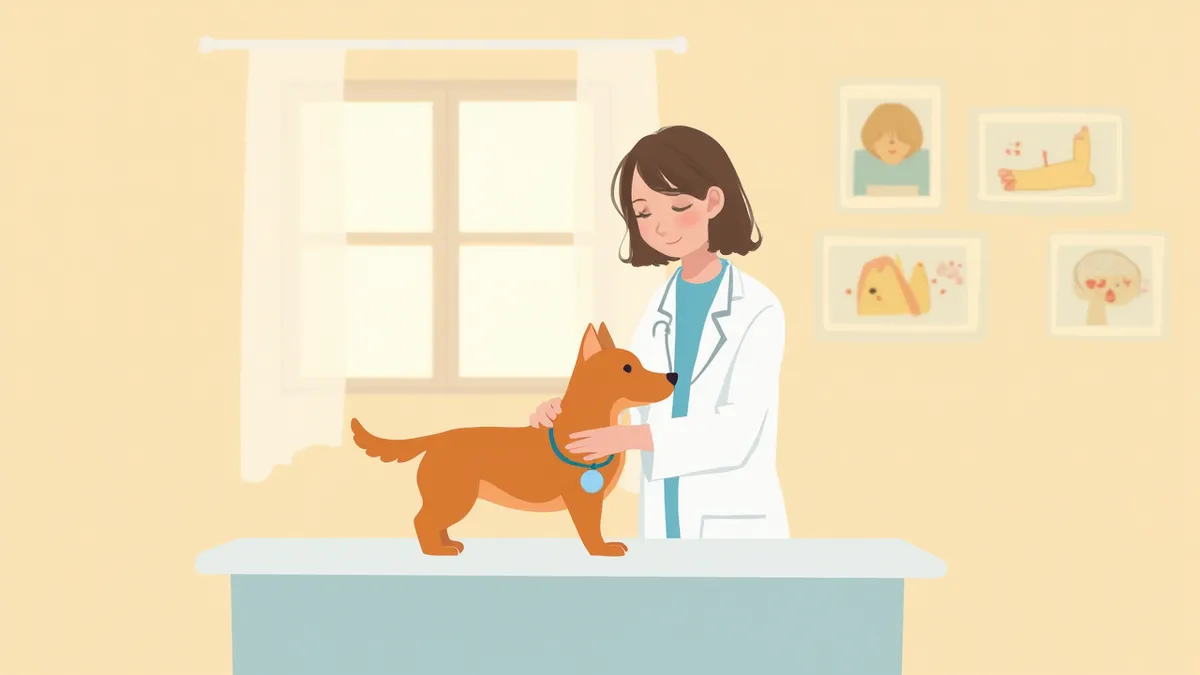
How Do ACE Inhibitors Work on the Heart?
In What Situations Is It Prescribed?
Key Situations Where Enalapril Prescription Is Considered
| Item | Purpose of prescription | Combination use |
|---|---|---|
| Mitral valve regurgitation, Stage B2 | Delays progression of cardiac enlargement | Combination with other cardiac drugs is decided by the veterinarian |
| Congestive heart failure, Stage C | Adjunctive relief of pulmonary edema·ascites | Combined with diuretics, etc. |
| Dilated cardiomyopathy | Reduces left ventricular workload | Alone or in combination |
| Proteinuric kidney disease | Reduces proteinuria | Combined with dietary therapy |
The actual decision on prescription and staging is made by the veterinarian after reviewing echocardiography and X-ray results.
Administration Method and What to Check During Medication

Contact Your Veterinarian Immediately in These Cases
If your pet suddenly becomes lethargic, has difficulty walking, or appears unsteady while taking enalapril, or if you notice a significant decrease in urine output or persistent vomiting and loss of appetite for several days, contact your veterinarian immediately. These could be signs of side effects such as low blood pressure, acute kidney injury, or high potassium levels. If your pet is also taking a diuretic (such as furosemide), the risk of dehydration increases, so please monitor their water intake and overall condition daily.
Side Effects and Key Points for Owners to Monitor

Medications and Situations Requiring Caution When Used Together
Three Things Owners Must Remember
First, even if symptoms improve, enalapril is often prescribed for long-term or lifelong use—stopping it on your own can directly worsen heart failure. Second, don’t skip regular blood tests (to check kidney function and electrolytes) and follow-up cardiac ultrasounds. Third, even if a human blood pressure medication contains the same active ingredient, the dosage and combination drugs are completely different for pets. Never split or administer human medications to your pet.
Reviewed by a veterinarian

Dr. Tony — Punnawat Phongkittirak
VeterinarianA veterinarian who majored in veterinary medicine at Khon Kaen University, Thailand, and completed the IVSA program at North Carolina State University in the United States. Drawing on clinical experience at animal hospitals, he works in the pet healthcare field and is dedicated to building a digital care environment that connects pet parents with veterinarians.
Reviewed 2026-04-26
Frequently Asked Questions
Will giving enalapril cure heart disease?
I missed one dose. Can I give double the next time?
Is it the same medication as enalapril, which is used in humans?
Is it used for cats under the same criteria?
How often should Jaejin go?
Share
Related Guides

Coenzyme Q10 Benefits and Administration Guide

Dog Pulmonary Edema Warning — 7 Best Diuretics (Furosemide) for Heart Management

7 Best Prescription Diets for Feline Heart Disease Recommended by Veterinarians — Criteria for Choosing Low-Sodium Food

Is Your Dog’s Dehydration a Risk to the Kidneys? — Signs You Must Not Miss

Is EPO Deficiency the Cause of Anemia in Dogs with CKD? — From Symptoms to EPO Treatment

Can Canine Chronic Kidney Disease (CKD) Be Cured? — A Complete Guide from Diet to Lifespan

Acute Kidney Failure in Dogs: Why Does It Happen Suddenly? — Causes and Emergency Care Q&A

What is feline urine specific gravity? — How to read kidney function
Is Kidney Transplantation in Cats Really Possible? — Surgical Criteria and Survival Rates

What are feline kidney tumors? — How do benign and malignant differ?
References
[1] Plumb's Veterinary Drug Handbook, 10th Edition — Enalapril/Enalaprilat Monograph
[2] Handbook of Veterinary Pharmacology — ACE Inhibitors Chapter
[3] ACVIM Consensus Statement: Classification, Diagnosis, and Treatment of Myxomatous Mitral Valve Disease in Dogs (Keene et al., 2019)