
I have questions about the Tru-Cut biopsy (core biopsy) procedure
A Tru-Cut biopsy is a diagnostic procedure in which a core sample of tissue is extracted using a thick needle to enable an accurate diagnosis. Here’s a clear overview of the procedure, pain level, and recovery process.
What is a Tru-Cut biopsy?
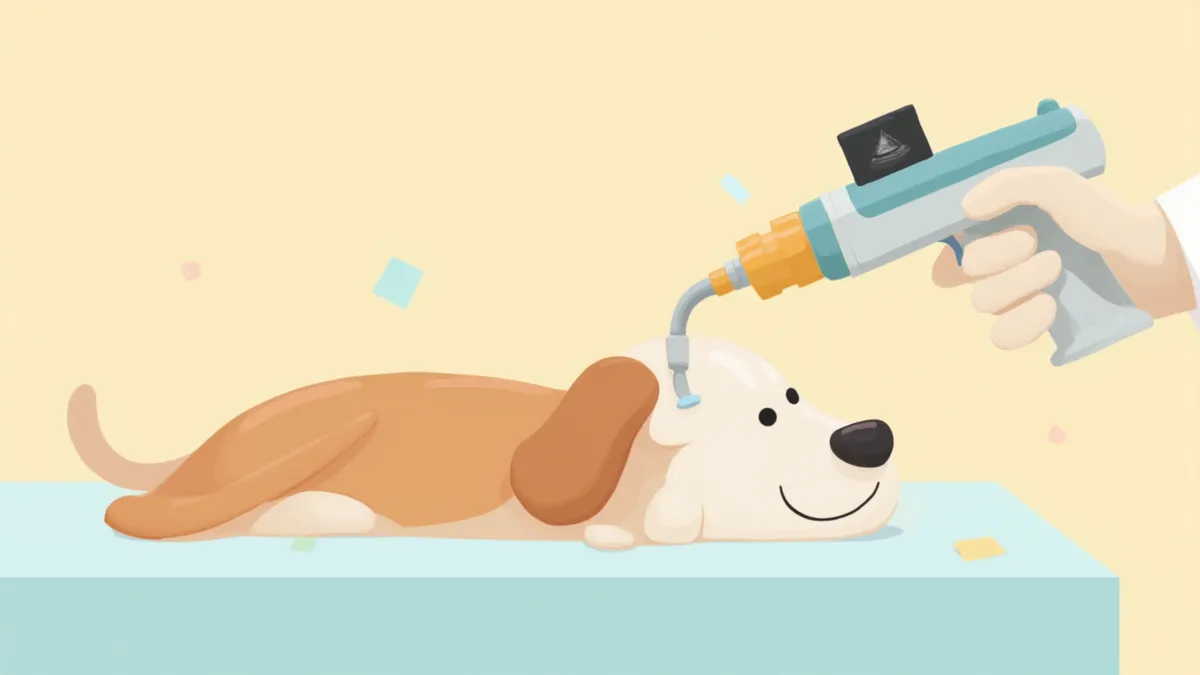
When is a Tru-Cut biopsy performed?
Fine-needle aspiration vs. Tru-Cut biopsy comparison
| Item | Fine-Needle Aspiration (FNA) | Tru-Cut (Core Biopsy) | Surgical Biopsy |
|---|---|---|---|
| Collection Method | Aspirates only cells with a fine needle | Collects a column of tissue with a thick needle | Excises a mass of tissue after incision |
| Anesthesia | Usually none | Sedation or general anesthesia | General anesthesia |
| Tissue Architecture Assessment | Not possible | Possible | Possible |
| Diagnostic Accuracy | Low to moderate | High | Very high |
| Bleeding Risk | Low | Moderate | High |
| Recovery Period | Immediate | 1–3 days | 7–14 days |
The veterinarian selects the method based on the lesion's location, the pet's condition, and the amount of information needed.
How is the Tru-Cut biopsy procedure performed?
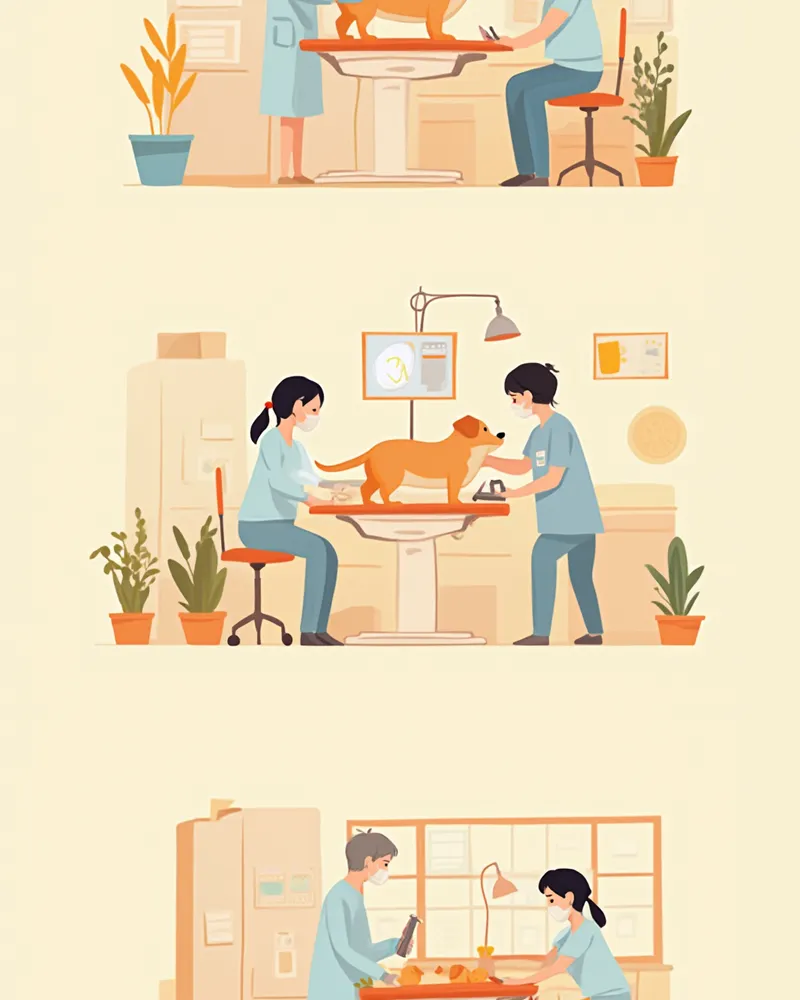
Things to check before the biopsy
In pets with clotting disorders, a Tru-Cut biopsy can lead to life-threatening bleeding. Be sure to inform your veterinarian in advance if your pet has thrombocytopenia, von Willebrand disease (a hereditary bleeding disorder), or impaired liver function. Please also share a complete list of all medications your pet is taking, especially anti-inflammatory drugs and blood thinners. If your pet has severe ascites, lesions near the blood vessels of the liver or spleen, or is too anxious to cooperate safely, switching to a surgical biopsy is the safer option.
How much pain and recovery is involved?

Signs to monitor after sampling
Precautions for cats and small dogs
Smaller patients are more vulnerable to relative tissue damage from needles of the same gauge, so they require a more meticulous approach. TrueCut typically uses 14–16 gauge core biopsy needles, but the required length of the tissue core (the cylindrical sample) varies for smaller animals. Textbooks recommend a minimum core length of 1.5 cm for cats and small-breed dogs, and 2–3 cm for medium- to large-breed dogs, to ensure an accurate diagnosis. Because it’s harder to obtain an adequate sample in one pass for smaller patients, it’s safer to extend the duration of cardiac and respiratory monitoring. Cats are prone to sudden blood pressure fluctuations due to stress, so their hospitalization and observation period may need to be longer than that of dogs. We recommend cage rest for 2–3 days after the procedure; if you have multiple cats, please separate the patient from the others to allow for quiet recovery.
Reviewed by a veterinarian

Dr. Tony — Punnawat Phongkittirak
VeterinarianA veterinarian who majored in veterinary medicine at Khon Kaen University, Thailand, and completed the IVSA program at North Carolina State University in the United States. Drawing on clinical experience at animal hospitals, he works in the pet healthcare field and is dedicated to building a digital care environment that connects pet parents with veterinarians.
Reviewed 2026-04-28
Frequently asked questions
Does a Tru-Cut biopsy always require general anesthesia?
I’ve heard that a biopsy can cause a tumor to spread. Is that true?
How many days does it take to get the results?
Is it possible that the results won’t come out all at once?
How much will it cost?
Share
Related Guides

Primary vs. Secondary Veterinary Hospitals: A Comparison

5 Easy-to-Raise Cat Breeds for First-Time Owners — Grooming Difficulty Comparison

Top 7 Short-Legged Dog Breeds

If Your Dog Has a Lump on Its Eyelid — Distinguishing Benign from Malignant Eyelid Tumors and How to Respond
Why Is Giving Eye Drops to My Dog So Hard? — Administration Techniques That Work Even for Resistant Puppies

If Your Dog Keeps Rubbing Their Eyes — Causes of Entropion and Surgical Timing

What Are Diabetic Cataracts in Dogs? — What Signs Appear Before Vision Loss

If Your Dog Can’t Keep Its Eyes Open — Causes of Corneal Ulcers and When to Visit the Vet

If You Suspect Your Dog’s Eye Has Perforated — Emergency Signs of Corneal Perforation and When to Seek Immediate Veterinary Care

What Is Canine Corneal Edema? — Causes of Cloudy Eyes and When to Visit the Vet
References
[1] Withrow and MacEwen's Small Animal Clinical Oncology, 6th Edition, Chapter: Diagnostic Techniques and Procedures
[2] BSAVA Manual of Canine and Feline Oncology, 3rd Edition, Chapter: Tissue Biopsy
[3] Textbook of Veterinary Internal Medicine (Ettinger), 8th Edition, Chapter: Biopsy Principles and Specimen Collection