

Frequently Asked Questions About Feline Tooth Fractures — Key Information for Pet Owners
Feline tooth fractures are a problem that pet owners often overlook. Cats frequently experience pain but are unable to express it, making early detection crucial. Here’s a summary of key questions and how to address them.
Feline Tooth Fractures Are a Dangerous Problem for Both Pet Owners and Cats

The Main Causes of Tooth Fractures Are Trauma and Dental Diseases

The Main Symptoms of Tooth Fractures Are as Follows

Signs That Require an Immediate Veterinary Visit
If your cat suddenly drops food while eating, has bad breath, chews on only one side, or refuses to eat, consult a veterinarian immediately. Blood in the mouth, decreased appetite, and reduced activity are also warning signs. Dental fractures can expose the pulp and lead to endodontic disease (pulpitis or pulp necrosis) and subsequent infection, so prompt veterinary care is essential.
Diagnosis Is Accurately Confirmed Through Endoscopy and X-rays
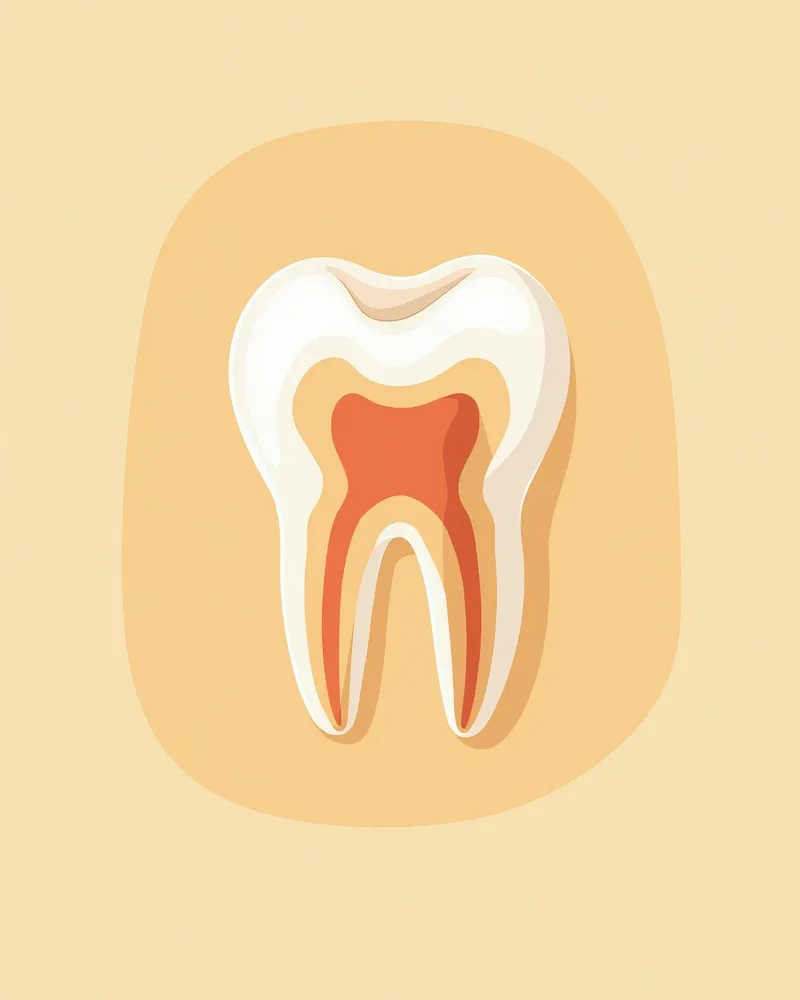
Treatment Methods Vary Depending on the Severity of the Fracture

Home Care Focuses on Pain Relief and Infection Prevention

Comparison Table of Tooth Fracture Treatment Methods
| Item | Applicable Situation | Cost Range | Recovery Period |
|---|---|---|---|
| Tooth Protective Coating (dentin protection) | Minor fracture exposing only dentin without pulp exposure | $40 to $70 | 1–2 weeks |
| Vital Pulp Therapy | Acute complicated crown fracture where pulp preservation is possible | $100 to $200 | 2–4 weeks |
| Extraction (tooth removal) | Cases with severe root damage or suspected infection | $70 to $100 | 1–3 weeks |
Costs may vary by clinic and region. Decide after consulting your veterinarian.
Reviewed by a veterinarian

Dr. Tony — Punnawat Phongkittirak
VeterinarianA veterinarian who majored in veterinary medicine at Khon Kaen University, Thailand, and completed the IVSA program at North Carolina State University in the United States. Drawing on clinical experience at animal hospitals, he works in the pet healthcare field and is dedicated to building a digital care environment that connects pet parents with veterinarians.
Reviewed 2026-06-07
Frequently Asked Questions
Do cats experience severe pain from tooth fractures?
Can a fractured tooth heal on its own?
How much does tooth fracture treatment cost?
How can I prevent tooth fractures?
Can a tooth grow back after it has been fractured?
Share
Related Guides

7 Best Cat Dental Chews for Tartar Prevention Recommended by Veterinarians and Selection Criteria

Top 5 Recommended Dental Treats for Dogs in 2026 — VOHC Certification Criteria

7 Criteria for Choosing Dog Tartar Prevention Dental Chews Recommended by Veterinarians

Dog Heartworm Preventive Selection & Comparison FAQ — Key Points Every Pet Owner Must Know

Frequently Asked Questions About Your Puppy’s First Vet Visit — Key Essentials for Pet Owners

Dog External Parasite Prevention (Ticks & Fleas) FAQ — Key Information Every Pet Owner Should Know

Frequently Asked Questions on Early Detection of Health Issues in Dogs — Key Points Owners Must Know

Dog Dry vs Wet vs Raw Food Selection FAQ — Key Points Owners Must Know

Dog Dental Preventive Care FAQ — Key Points Every Pet Owner Should Know

Dog Water Intake Monitoring FAQ — Key Points Every Pet Owner Should Know
References
[1] Bellows J. Feline Dentistry – Oral Assessment, Treatment, and Preventative Care. 1st ed. Ames: Wiley-Blackwell; 2010.
[2] DeBowes LJ. Simple and surgical exodontia. Vet Clin North Am Small Anim Pract. 2005;35:963–984.
[3] Perry R, Moore D, Scurrell E. Globe penetration in a cat following maxillary nerve block for dental surgery. J Feline Med Surg. 2015;17:66–72.