Like
Share
멍실장
강아지 요산 요석 자주 묻는 질문 Q&A — 보호자가 꼭 알아야 할 핵심

Dog Uric Acid Uroliths FAQ — Key Information for Pet Owners

UrinaryQ&AMeongsiljang Veterinary Advisory Board

Uric acid uroliths are stones that form in the urinary tract and can cause pain and difficulty urinating. Here’s a summary of the key information pet owners should know.

What Are Uric Acid Uroliths in Dogs?
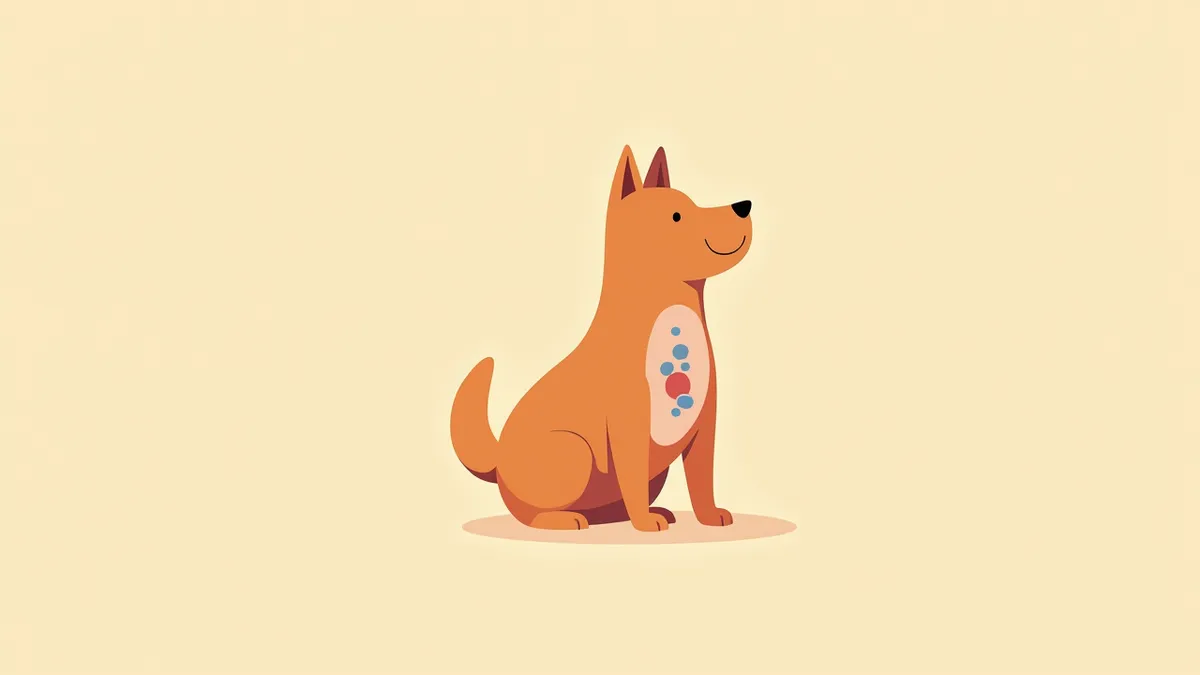
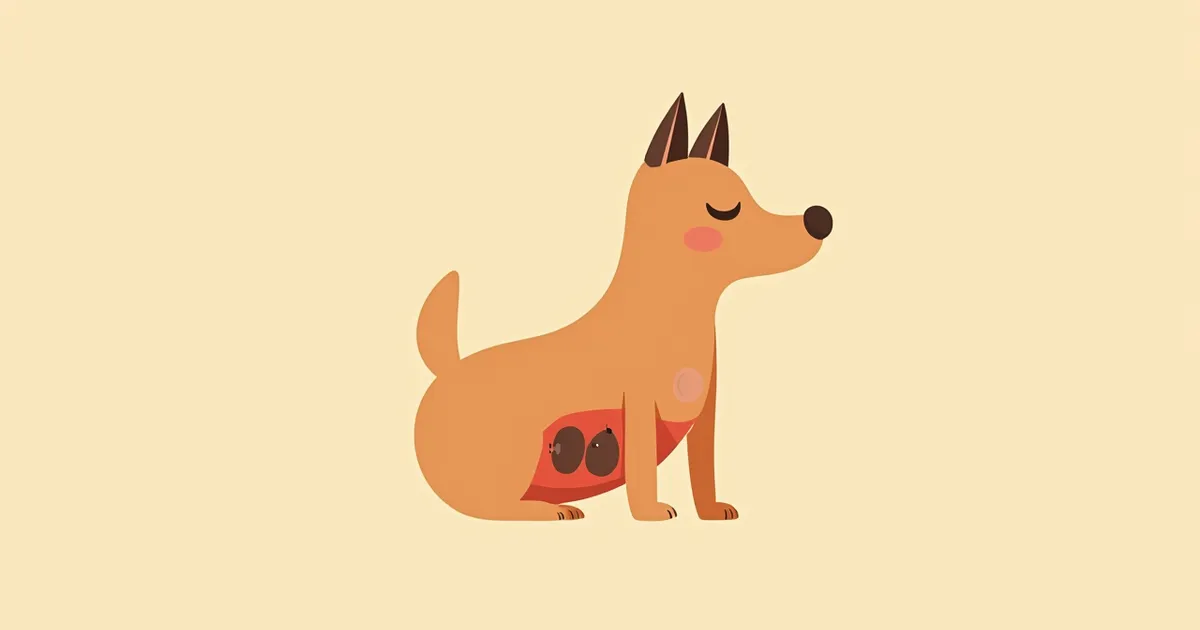
An anatomical illustration showing the formation of uric acid stones in a dog’s urinary tract
Uric acid uroliths are stones that form inside the urinary tract when uric acid, a metabolic byproduct, becomes concentrated. Certain breeds have a genetic predisposition to this condition. Excessive accumulation of uric acid can block the urinary tract or cause severe pain during urination. This can lead to acute urinary obstruction, requiring immediate veterinary attention. While symptoms may be mild in the early stages, leaving the condition untreated can become life-threatening. Regular health check-ups and early detection are essential.

What Are the Main Causes of Uric Acid Uroliths?

The main causes of uric acid uroliths are genetic or congenital predispositions and a high-purine diet. Certain breeds have a constitution in which uric acid metabolism is inefficient or excretion is impaired. Additionally, dehydration, excessive protein intake, and impaired liver function (such as portosystemic shunts) can elevate uric acid levels, promoting stone formation. When water intake is insufficient, urine becomes concentrated, making it easier for uric acid to become supersaturated, so caution is advised. The key is to develop a dietary management plan with your veterinarian. Improving daily habits is also important for early prevention.
An illustration of a dog consuming a low-ash diet.

What Are the Main Symptoms of Uric Acid Uroliths?
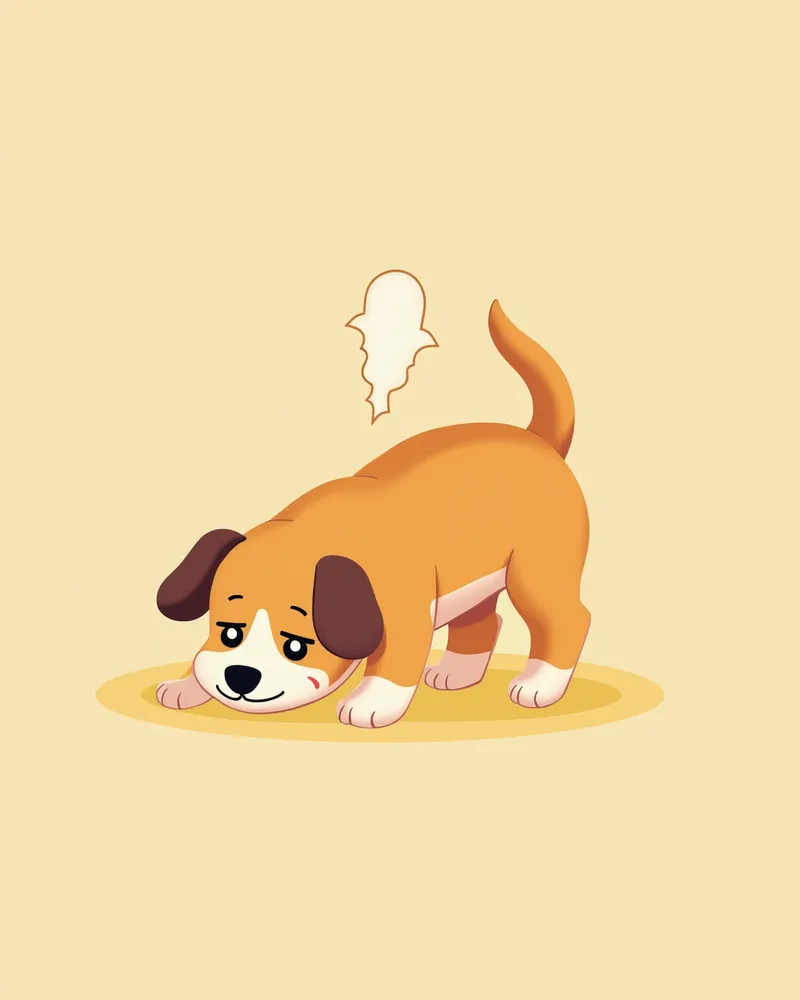
The main symptoms of uric acid stones in dogs include pain during urination and frequent trips to the bathroom. You may also notice blood in the urine, refusal to urinate, scratching at the floor after elimination, or adopting a posture that suggests discomfort. In severe cases, the urinary tract can become completely blocked, preventing any urine output. This is a life-threatening emergency requiring immediate veterinary attention. Additionally, systemic symptoms such as decreased appetite, weakness, and vomiting may occur. Regular daily observation is crucial for early detection.
The facial expression of a dog experiencing pain while urinating

Signs Requiring Immediate Veterinary Care

If your pet tries to urinate but no urine comes out, cries out in pain while attempting to urinate, has a swollen or trembling abdomen, or shows a loss of appetite and weakness, immediate veterinary care is essential. A blocked urethra is a life-threatening emergency that can become extremely dangerous if not treated promptly.

How Are Uric Acid Uroliths Diagnosed?
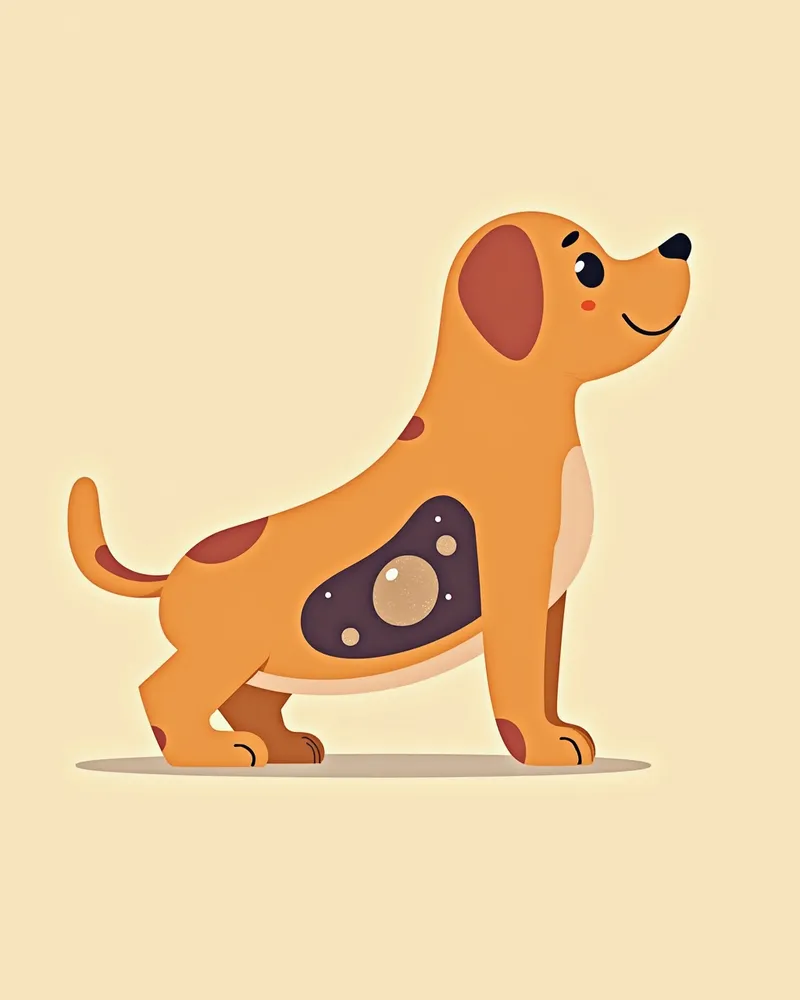
Uric acid stones in dogs are diagnosed using ultrasound, X-rays, and urinalysis. Because uric acid stones may not show up clearly on X-rays, ultrasound is often more useful for diagnosis. Urinalysis checks for the presence of crystals and measures urine pH, while blood tests assess liver and kidney function. Multiple tests are typically performed together to ensure an accurate diagnosis. Ultrasound, in particular, is highly reliable because it can detect even small stones. Your veterinarian will make a final assessment by considering your dog’s age, breed, symptoms, and test results.
Ultrasound image showing uric acid bladder stones in a dog

What Are the Treatment Options for Uric Acid Uroliths?
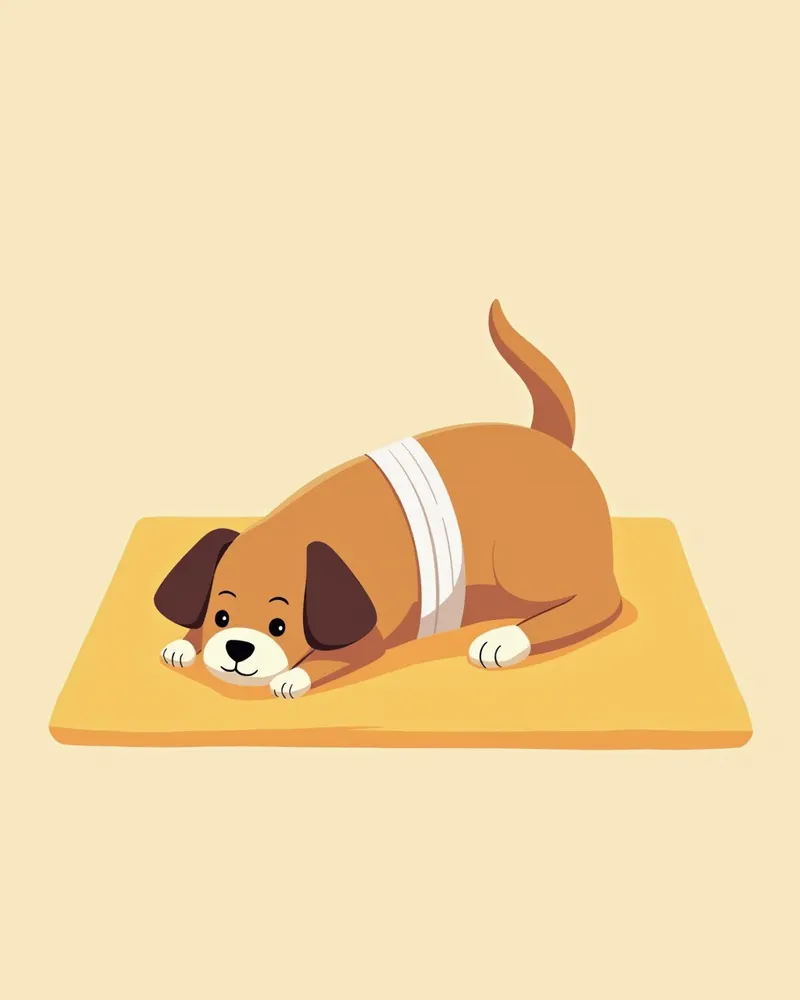
Treatment for uric acid uroliths involves surgery, medication, and dietary management. Small stones can be dissolved with medication, while non-dissolvable or large stones require surgical removal. After surgery, it is essential to provide a low-purine diet continuously and encourage adequate water intake. A veterinarian should develop a treatment plan tailored to the pet’s weight and condition. Medications are used to inhibit uric acid production or maintain urine at an alkaline pH (approximately 7.0–7.4) to facilitate uric acid dissolution. However, if urine pH becomes too high, other types of stones may form, so it must be kept within the appropriate range. If liver disease is present, medical dissolution is not recommended. Additionally, male pets are at risk of urethral obstruction during treatment, making regular veterinary check-ups essential.
Image of a dog recovering after urolith removal surgery

Home Care and Prevention Methods

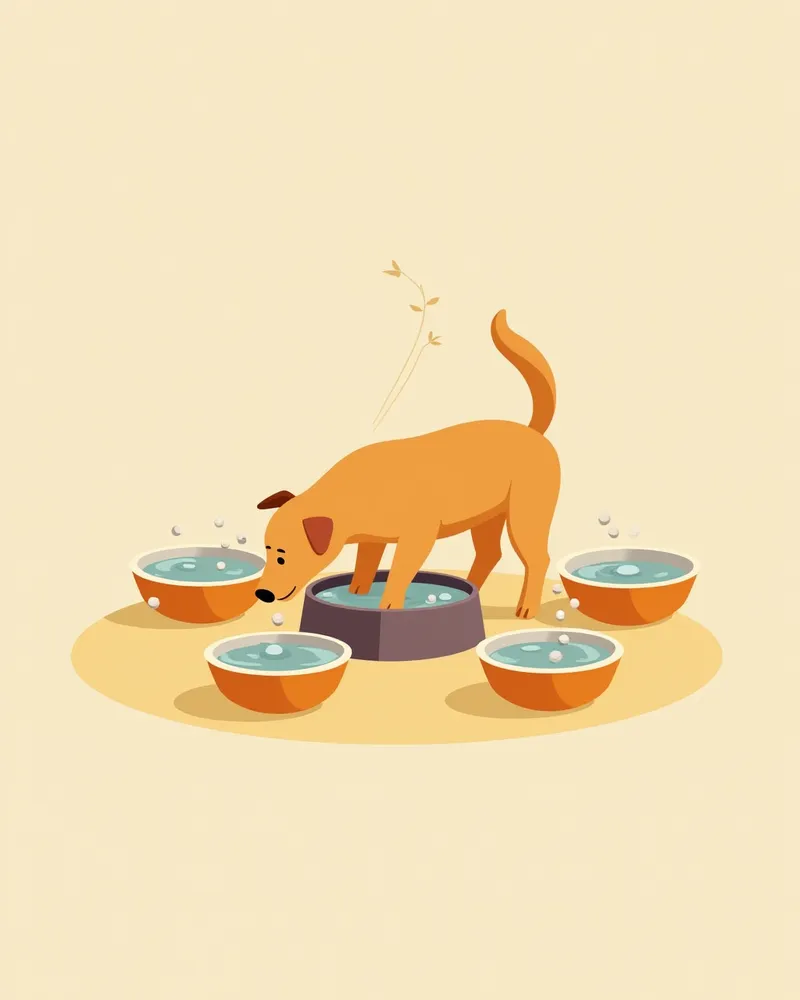
To prevent uric acid stones in dogs, it’s important to consistently provide a low-purine diet and encourage frequent water intake. Changing the water 3–4 times a day and placing multiple water bowls around the house can help. Avoid excessive protein consumption and use special diets recommended by your veterinarian. Regular check-ups are also crucial. Increasing water intake helps flush out uric acid, reducing the risk of stone formation. Carefully observing any changes in your dog’s daily behavior is key to prevention.
A casual image of a puppy drinking water

Comparison of Diets for Preventing Uric Acid Uroliths

ItemDiet typePurine contentProtein contentRecommended breeds
Low-purine foodLowLowMediumAll breeds
Special therapeutic foodVery lowVery lowLowIndividuals with a history of urate uroliths
Natural diet (veterinarian-recommended)AdjustableAdjustableAdjustableIndividually tailored

The veterinarian determines the diet according to weight and health condition.

Reviewed by a veterinarian

Dr. Tony — Punnawat Phongkittirak

Dr. Tony — Punnawat Phongkittirak

Veterinarian

A veterinarian who majored in veterinary medicine at Khon Kaen University, Thailand, and completed the IVSA program at North Carolina State University in the United States. Drawing on clinical experience at animal hospitals, he works in the pet healthcare field and is dedicated to building a digital care environment that connects pet parents with veterinarians.

Frequently Asked Questions

Can uric acid stones recur after treatment?
Yes, if dietary management isn't maintained after treatment, the condition can recur. Consistent dietary control and adequate hydration are essential.
Which breeds are at higher risk for developing uric acid stones?
Dalmatians are a breed particularly prone to issues with uric acid metabolism. Additionally, young puppies with congenital conditions such as portosystemic shunts are also at higher risk for developing uric acid stones. Extra care is needed when genetic or congenital predispositions are present.
What kind of diet is best for preventing uric acid stones?
A diet low in purines and protein, but high in moisture, is recommended. For the safest option, use a specialized prescription diet recommended by your veterinarian.
Does a uric acid stone in the urinary tract always require immediate surgery?
If the urinary tract is blocked or the pain is severe, surgery may be necessary. However, small urinary stones can sometimes be dissolved with medication. In male cats, there is a risk of urethral obstruction during dissolution therapy, so it’s important for your veterinarian to evaluate the symptoms and test results together to make the best decision.
Are uric acid stones in pets caused by the same factors as in humans?
While the connection to purine metabolism is similar, most dogs break down uric acid into allantoin, which dissolves easily and is excreted. However, in certain breeds like Dalmatians, or in dogs with a portosystemic shunt, this process doesn’t proceed smoothly, making them prone to uric acid stone formation. As a result, genetic and congenital factors play a significant role.

Share

Related Guides

References

[1] Plumb's Veterinary Drug Handbook, 9th Edition. Wiley-Blackwell, 2021.

[2] Feldman, B. F., & Nelson, R. W. (2013). Canine and Feline Nephrology and Urology. Elsevier Health Sciences.

[3] National Research Council. (2006). Nutrient Requirements of Dogs and Cats. National Academies Press.

This information is based on veterinary literature and does not replace diagnosis or treatment. Please consult a veterinarian for specific health concerns.

Metapet Co., Ltd. | CEO: Park Sung-yong | Business Reg. No. 417-88-02562 | Seoul, South Korea | Customer Center

5 Common Questions About Uric Acid Stones in Dogs | Meongsiljang