Like
Share
멍실장
고양이 만성 비염·비강 분비물 자주 묻는 질문 Q&A — 보호자가 꼭 알아야 할 핵심

Frequently Asked Questions About Feline Chronic Rhinitis and Nasal Discharge — Key Information Every Pet Owner Should Know

RespiratoryQ&AMeongsiljang Veterinary Advisory Board

If the underlying cause isn’t accurately identified, a cat’s chronic rhinitis and nasal discharge can persist. We’ve compiled the essential information every pet owner should know in a Q&A format.

What Is Feline Chronic Rhinitis and Nasal Discharge?

A cat with a runny nose
Feline chronic rhinitis is a condition in which inflammation of the nasal mucosa persists for an extended period, leading to recurrent discharge that ranges from serous to purulent. - Nasal discharge: Nasal discharge persists and may change from clear to cloudy, accompanied by repeated nasal congestion and sniffling. - Inflammatory response: The mucosa becomes swollen and irritated, increasing discharge and potentially causing nasal obstruction that leads to mouth breathing. - Risk of chronicity: If the underlying cause is not identified, symptoms can persist for several months or longer, and inflammation may spread to the sinuses, nasopharynx, and sometimes the middle ear. - Need for diagnosis: A professional veterinary diagnosis is essential to accurately identify the cause. Unlike a common cold, this condition requires consistent management and treatment.

Why Do Cats Develop Chronic Rhinitis?

The causes of chronic rhinitis in cats are varied and can include viral infections (such as feline herpesvirus (FHV-1) and calicivirus), fungal infections, allergic reactions, foreign body aspiration, and tumors. - Fungal infections: Infections with fungi such as Cryptococcus do not respond to antibiotics and can be difficult to treat, making early detection crucial. - Allergic factors: Household dust, pollen, and perfumes can trigger allergic reactions. - Genetic predisposition: Certain breeds, such as Siamese cats, may be more susceptible to chronic rhinitis. - Foreign body aspiration: If a small object becomes lodged in the nasal cavity, it can lead to persistent inflammation. - Tumor risk: Tumors can occur in older cats, so thorough diagnostic testing is necessary.
A veterinarian collecting a sample from a cat's nose.

What Symptoms Appear?

The primary symptom of chronic rhinitis in cats is persistent nasal discharge. - Changes in nasal discharge: Initially clear and mucous-like, it may gradually become cloudy or purulent. - Respiratory abnormalities: Nasal congestion can lead to mouth breathing or panting. - Decreased appetite: Impaired sense of smell makes it difficult for cats to eat properly. - External symptoms: Fur around the nose may become wet or matted, and cats may scratch or rub their faces. - Systemic symptoms: Prolonged symptoms can result in weight loss, lethargy, and reduced activity levels.
A cat with dried discharge around its nose

Signs Requiring Immediate Veterinary Visit

If your cat has nasal discharge lasting more than two weeks, accompanied by coughing, difficulty breathing, weight loss, or loss of appetite, you should visit a veterinary clinic immediately. The infection may be severe if the discharge is purulent or contains blood. Your veterinarian may recommend nasal endoscopy or imaging tests to make an accurate diagnosis.

What Tests Are Needed for an Accurate Diagnosis?
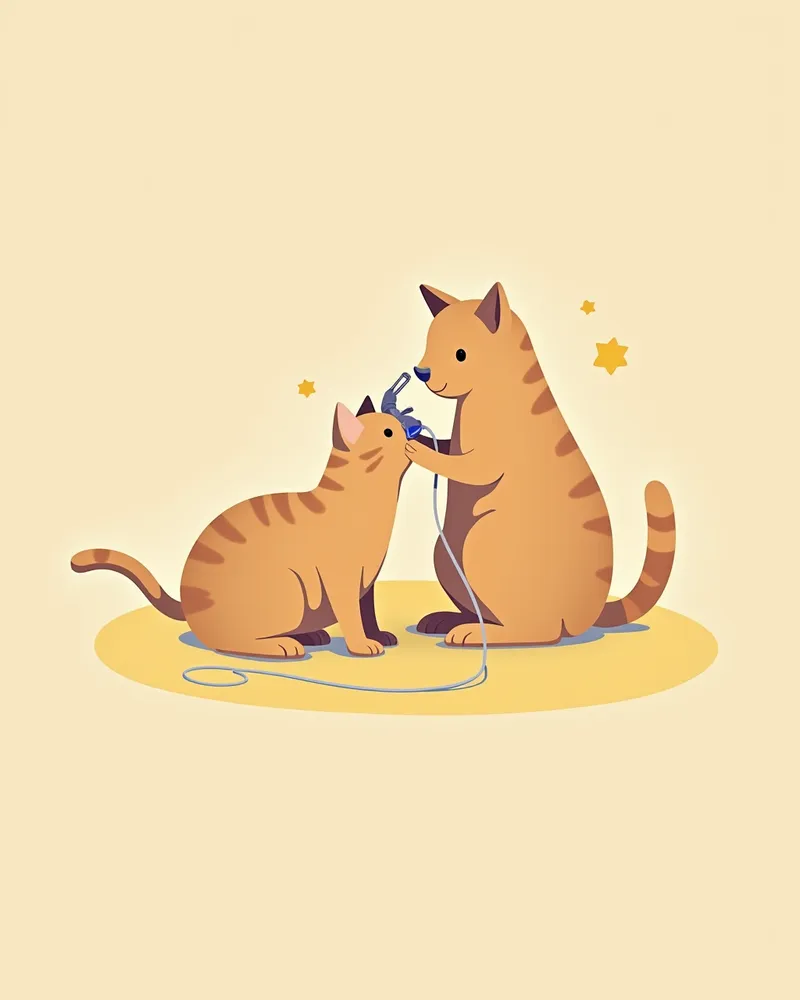
Diagnosing chronic rhinitis in cats requires a precise approach using several tests. - Blood tests: Assess overall health and check for signs of inflammation. - X-rays: Identify abnormalities in nasal structure or bone damage. - Nasal endoscopy: Directly visualize the mucosal lining and pinpoint affected areas. - Biopsy: Collect tissue samples to determine if the cause is infection or a tumor. - Culture tests: Essential for identifying the specific pathogen when a fungal infection is suspected. Effective treatment is impossible without an accurate diagnosis.
A veterinarian performing a nasal endoscopy on a cat

What Are the Treatment Methods?

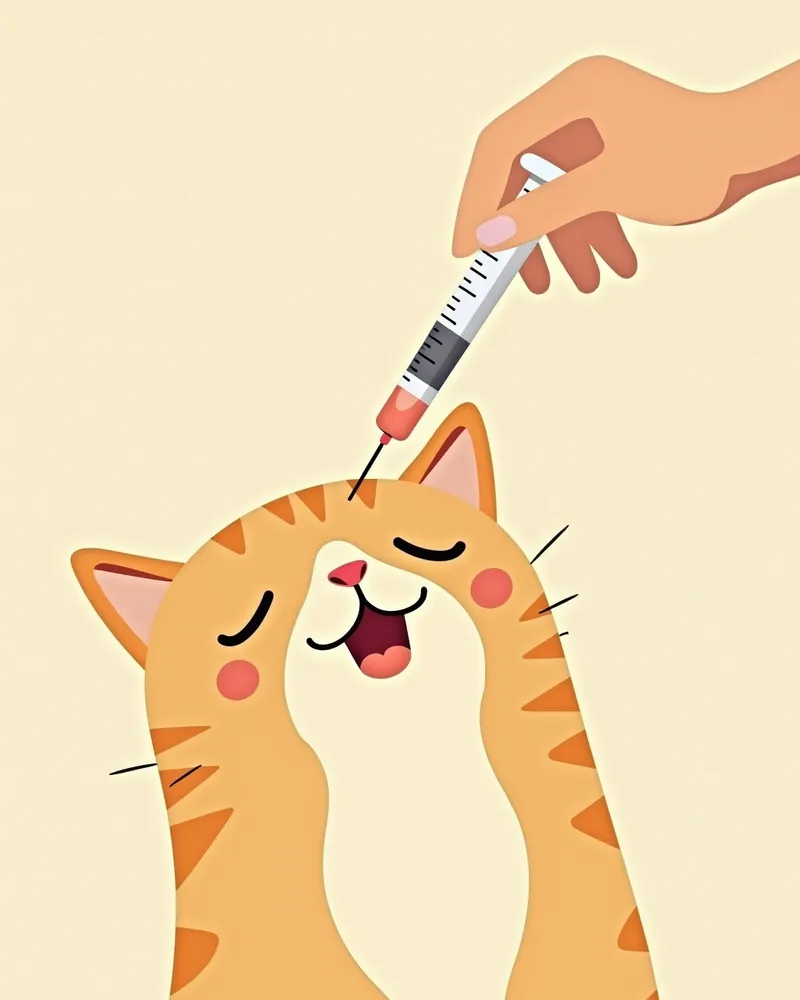
Treatment varies significantly depending on the underlying cause. - Viral infection: Management focuses primarily on symptomatic relief and supportive care rather than antiviral medications. - Fungal infection: Long-term administration of antifungal medications (for several months) is essential. - Allergic reaction: Environmental control and the use of antihistamines are effective. - Foreign body aspiration: Surgical removal via endoscopy may be necessary. - Possible tumor: The treatment plan, which may include surgery or radiation therapy, depends on the nature of the tumor. Since treatment can last from several months to years, consistent management is crucial.
A cat taking its medication

Home Care Management

Home care plays a significant role in managing chronic rhinitis in cats. - Nasal area care: Gently wiping the area around the nose with warm water helps remove discharge effectively. - Humidity control: Use a humidifier to maintain appropriate indoor humidity levels and prevent the air from becoming too dry. - Environmental hygiene: Avoid dust, smoking, and strong perfumes, and clean the living space frequently. - Encouraging eating: Offering wet food with a strong aroma can help stimulate your cat’s appetite. - Regular monitoring: Keep track of changes in the amount, color, and odor of nasal discharge and share these observations with your veterinarian. Consistent care greatly contributes to symptom relief.
A humidifier in the cat’s room

Comparison Table of Responses by Symptom

ItemSymptomPossible causesManagementWhether an immediate hospital visit is needed
Persistent clear dischargeAllergyVirusEnvironmental irritationYes
Purulent dischargeBacterial/fungal infectionForeign bodyTumorYes
Bloody dischargeTraumaTumorVascular diseaseYes
Shortness of breath + coughRespiratory infectionHeart diseasePneumoniaYes

If symptoms persist for more than 2 weeks, be sure to consult a veterinarian.

Reviewed by a veterinarian

Dr. Tony — Punnawat Phongkittirak

Dr. Tony — Punnawat Phongkittirak

Veterinarian

A veterinarian who majored in veterinary medicine at Khon Kaen University, Thailand, and completed the IVSA program at North Carolina State University in the United States. Drawing on clinical experience at animal hospitals, he works in the pet healthcare field and is dedicated to building a digital care environment that connects pet parents with veterinarians.

Frequently Asked Questions

Should I take my cat to the vet if nasal discharge lasts for just one week?
If the symptoms last for about a week, it could be due to temporary irritation. However, if they persist for more than two weeks, there is a high likelihood of chronic rhinitis. Early diagnosis is crucial, so we recommend visiting the clinic if the condition continues for over two weeks.
Is it normal for a cat to sniffle?
Occasional sneezing is normal. However, if it becomes frequent or is accompanied by nasal discharge, it could be a sign of rhinitis. If sneezing occurs repeatedly or worsens over time, please consult your veterinarian.
What should I do if there’s no medication available to treat rhinitis?
Even without medication, identifying the underlying cause is the first priority. Symptoms can be alleviated through environmental adjustments, using a humidifier, and cleaning the nose. However, treatment is difficult without knowing the cause, so it’s essential to get a proper diagnosis.
Can chronic rhinitis in cats be cured?
The prognosis depends on the underlying cause. In cases of viral infections or allergies, symptoms can often improve with proper management. However, fungal infections or tumors may require long-term treatment and can be difficult to cure completely. Early diagnosis and consistent care are key.
Should I change my pet’s food if they develop rhinitis?
Environmental factors and allergens are often more significant than the food itself. However, strongly scented food can irritate your pet's nose, so switching to a low-odor wet food may be a good option. Please consult with your veterinarian before making a decision.

Share

Related Guides

References

[1] Feline Emergency and Critical Care Medicine, 2nd Ed. (2015). Elsevier Saunders.

[2] Clinical Medicine of the Dog and Cat, 4th Ed. (2018). Elsevier.

[3] BSAVA Manual of Canine and Feline Dermatology, 4th Ed. (2013). BSAVA Publications.

This information is based on veterinary literature and does not replace diagnosis or treatment. Please consult a veterinarian for specific health concerns.

Metapet Co., Ltd. | CEO: Park Sung-yong | Business Reg. No. 417-88-02562 | Seoul, South Korea | Customer Center

5 FAQs About Chronic Rhinitis and Nasal Discharge in Cats | Meongsiljang